
Montana, the “Big Sky Country,” is a state renowned for its breathtaking natural beauty, vast landscapes, and rugged wilderness. From the majestic peaks of the Rocky Mountains to the rolling plains and pristine rivers, Montana offers an unparalleled experience for travelers seeking adventure and tranquility. While its dramatic scenery often steals the spotlight, the state also possesses a delicate beauty embodied by its official state flower. Understanding this floral emblem offers a deeper appreciation for the natural heritage of Montana and the unique ecosystems that thrive within its borders.
Discovering Montana’s Floral Emblem
The choice of a state flower is rarely arbitrary. Often, these designations are made to honor a plant that is indigenous to the state, holds cultural significance, or possesses a particular beauty that reflects the character of the region. For Montana, this floral representative is the Bitterroot.
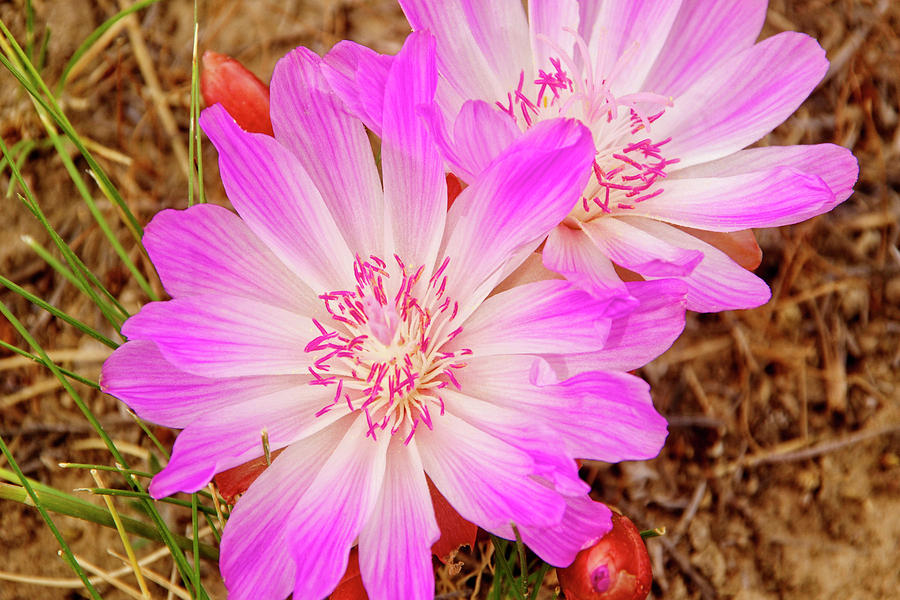
The Bitterroot: A Symbol of Resilience and Beauty
The Bitterroot (Lewisia rediviva) is a low-growing perennial plant with striking, vibrant pink to rose-colored flowers that emerge directly from the ground. It’s a plant that truly embodies the spirit of Montana – hardy, resilient, and capable of flourishing in challenging environments.
The common name “Bitterroot” comes from the indigenous peoples of the region, particularly the Salish tribe. The plant’s roots are edible and have historically been a crucial food source, especially during times of scarcity. The root is known for its bitter taste, hence the name, but when prepared properly, it becomes a nutritious and important part of traditional diets. The Salish people have a rich cultural heritage deeply intertwined with the natural world, and the Bitterroot holds a special place within their history and traditions.
Scientific Classification and Characteristics
Botanically, the Bitterroot belongs to the Montiaceae family. It’s characterized by its succulent, fleshy leaves that are often hidden beneath the soil or appear after the flowers have bloomed. The flowers themselves are ephemeral, often lasting only a few days, but their brilliant hue makes a memorable impression against the dry, arid landscapes where they typically grow.
The scientific name, Lewisia rediviva, is also significant. “Lewisia” honors Meriwether Lewis, the famed explorer who, along with William Clark, led the Lewis and Clark Expedition through Montana in the early 19th century. During their journey, they meticulously documented the flora and fauna of the region, and the Bitterroot was among the many discoveries they recorded. The species epithet “rediviva” means “revived” or “restored,” a fitting description for a plant that can remain dormant for extended periods and then miraculously bloom.
The Journey to Statehood and Symbolism
Montana officially adopted the Bitterroot as its state flower on February 15, 1895, during the First Montana Legislative Assembly. The selection process involved considerable discussion, with various plants being considered. However, the Bitterroot ultimately emerged as the favored choice due to its widespread presence across the state and its deep historical and cultural connections.
Indigenous Significance and Early Encounters
Long before Montana became a state, indigenous tribes had a profound relationship with the Bitterroot. For the Salish, Kootenai, and Shoshone peoples, it was more than just a food source; it was a symbol of survival, perseverance, and the bounty of the land. The act of gathering the roots was often a communal activity, reinforcing social bonds and passing down traditional knowledge from generation to generation.
When explorers like Meriwether Lewis and William Clark traversed Montana, they encountered these plants and the indigenous cultures that revered them. The Bitterroot‘s presence was noted in their journals, offering early documentation of its importance. This historical connection, linking indigenous heritage with westward expansion and scientific discovery, further cemented the Bitterroot‘s place in the state’s narrative.

Choosing a State Symbol: A Reflection of Identity
The designation of a state flower serves as a unique identifier, distinguishing one state from another. For Montana, the Bitterroot encapsulates several key aspects of its identity:
- Resilience and Hardiness: The plant’s ability to thrive in harsh, dry conditions mirrors the enduring spirit of the people who settled and continue to inhabit Montana.
- Natural Beauty: The vibrant color and delicate form of the Bitterroot flower provide a splash of beauty against the often stark and grand landscapes.
- Historical Depth: Its connection to indigenous cultures and the Lewis and Clark Expedition roots the flower in the state’s rich history.
- Connection to the Land: The Bitterroot is intrinsically tied to the soil and climate of Montana, making it a true representative of its natural environment.
Experiencing the Bitterroot in Montana
While the Bitterroot might not be as visually dominant as the towering mountains or as expansive as the plains, its presence adds a subtle yet significant layer to the Montana travel experience. For those interested in nature, botany, or simply understanding the essence of the “Treasure State,” seeking out this humble bloom can be a rewarding pursuit.
Where and When to Find the Bitterroot
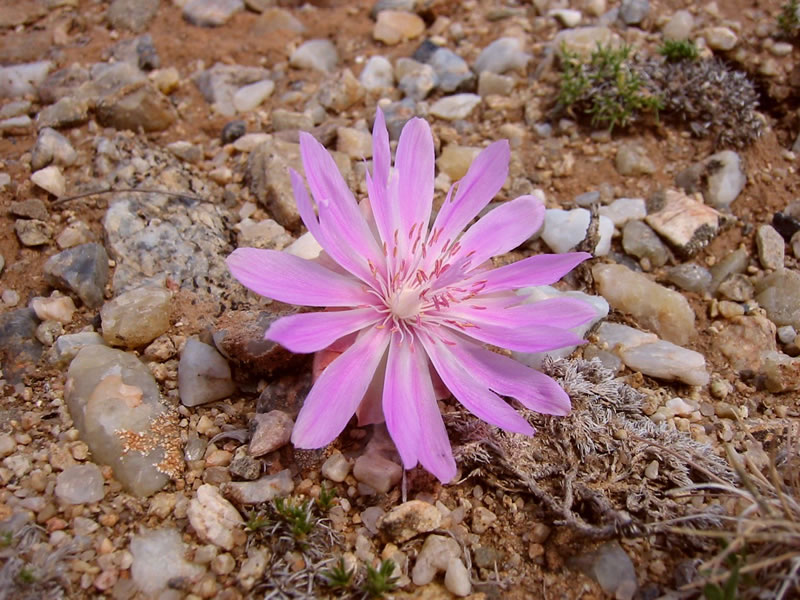
The Bitterroot is native to the western United States and is particularly common in the arid and semi-arid regions of Montana, Idaho, Wyoming, and other western states. In Montana, you are most likely to encounter it in open, dry prairies, sagebrush steppe, and foothills, often at elevations ranging from 3,000 to 8,000 feet.
The blooming season for the Bitterroot typically occurs in late spring and early summer, generally from May through July, depending on the specific location and elevation. This period coincides with a beautiful time to visit Montana, as wildflowers carpet the landscape and the weather is conducive to outdoor exploration.
Beyond the Flower: Exploring Montana’s Natural Wonders
The quest for the Bitterroot can serve as a delightful entry point into exploring Montana’s vast natural attractions. While searching for the flower, travelers can immerse themselves in the very landscapes that define the state.
- National Parks and Forests: Destinations like Glacier National Park and Yellowstone National Park (partially in Montana) offer incredible opportunities for hiking, wildlife viewing, and experiencing diverse ecosystems. Within these parks and the numerous National Forests, you’ll find varied terrain where the Bitterroot may appear.
- Scenic Drives: Montana is crisscrossed by stunning scenic byways, such as the Going-to-the-Sun Road in Glacier National Park or the Beartooth Highway. These drives provide access to breathtaking vistas and diverse habitats.
- Museums and Cultural Centers: To delve deeper into the history and cultural significance of the Bitterroot, consider visiting local museums or cultural centers in towns like Missoula or Helena. These institutions often showcase exhibits on indigenous history, the Lewis and Clark Expedition, and Montana’s natural heritage.
- Local Flora and Fauna Tours: Many tourism operators in Montana offer guided tours focusing on local wildflowers, birdwatching, or geological formations. These expert-led excursions can significantly enhance your understanding and appreciation of the natural environment, potentially leading you to discover the Bitterroot in its natural habitat.
Planning Your Montana Adventure
When planning a trip to Montana with the intention of experiencing its natural beauty, including the possibility of seeing the state flower, consider the best time to visit. Late spring and early summer are ideal for wildflower viewing.
For accommodation, Montana offers a wide range of options, from luxurious resorts in areas like Big Sky to cozy cabins and hotels in gateway towns to the national parks. Websites specializing in travel and accommodation can help you compare options, find unique stays, and book your perfect lodging.
Regardless of whether you’re a seasoned hiker seeking challenging trails or a casual observer drawn to the state’s serene beauty, Montana promises an unforgettable journey. And as you explore its majestic landscapes, keep an eye out for the delicate yet resilient Bitterroot, the official state flower, a true symbol of this remarkable American state. Its presence is a quiet reminder of the deep history, enduring spirit, and understated beauty that define Montana.
LifeOutOfTheBox is a participant in the Amazon Services LLC Associates Program, an affiliate advertising program designed to provide a means for sites to earn advertising fees by advertising and linking to Amazon.com. Amazon, the Amazon logo, AmazonSupply, and the AmazonSupply logo are trademarks of Amazon.com, Inc. or its affiliates. As an Amazon Associate we earn affiliate commissions from qualifying purchases.