
When exploring the vast and varied landscapes of Montana, from its rugged mountains to its sprawling prairies, it’s natural to wonder about the natural inhabitants that call this Big Sky Country home. Beyond the iconic bison and majestic elk, there’s a smaller, yet equally significant, symbol that represents the spirit of the state: its official state bird. Discovering the state bird of Montana offers a delightful glimpse into the region’s natural heritage and can enrich your travel experiences by adding a layer of appreciation for the local avian life.
The selection of a state bird is often a process steeped in history and symbolism, chosen to reflect the characteristics and natural beauty of the state it represents. For Montana, this symbol has been embraced by residents and visitors alike, serving as a reminder of the wild and untamed spirit that defines this western gem. Whether you’re planning a luxury travel adventure, a family trip to explore its national parks, or a budget travel excursion across its scenic byways, understanding the state bird can add an extra dimension to your journey.
The Chosen Avian Emblem: Western Meadowlark
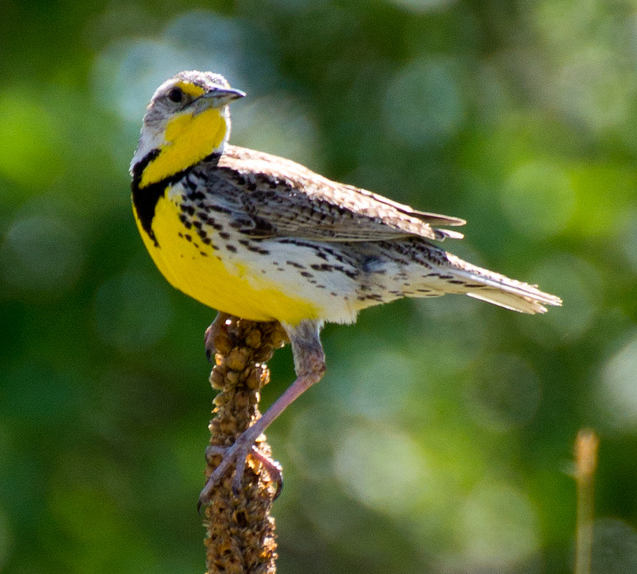
The official state bird of Montana is the Western Meadowlark (Sturnella neglecta). This choice is not unique to Montana; the Western Meadowlark also proudly holds the title of state bird in several other western and central states, including Kansas, Nebraska, North Dakota, Oklahoma, and Wyoming. This widespread adoption speaks to the bird’s commonality and its strong association with the open plains and grasslands that characterize much of the American West.
Characteristics and Habitat of the Western Meadowlark
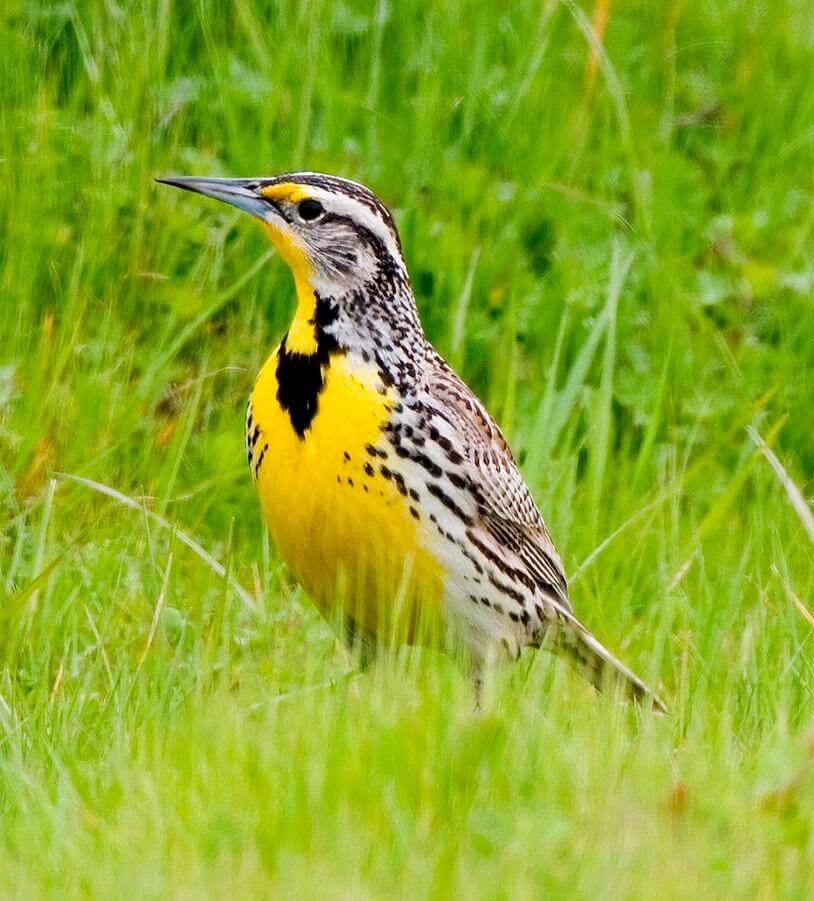
The Western Meadowlark is a medium-sized songbird, easily recognizable by its plump body, short tail, and long, pointed bill. Its plumage is a striking blend of warm browns and buff colors on its back and wings, providing excellent camouflage against the dry grasses and earth of its habitat. The most distinctive feature, however, is its bright yellow breast adorned with a prominent black V-shaped collar. This vibrant coloration, combined with its melodious song, makes the Western Meadowlark a beloved sight and sound across its range.
These birds are primarily ground-dwellers, preferring open grasslands, prairies, meadows, and pastures. They are also found in agricultural fields and even along roadsides, as long as there is sufficient grass for nesting and foraging. In Montana, this translates to ample opportunities to spot them in areas like the Glacier National Park vicinity, the Yellowstone National Park boundaries, and the vast ranches and open spaces dotting the state. Their preference for open country makes them a quintessential symbol of the wild, expansive character of the American West.
The Distinctive Song
Beyond its visual appeal, the Western Meadowlark is renowned for its beautiful and complex song. Often described as flute-like and liquid, the song is a series of clear, whistled phrases that can vary significantly from individual to individual. This variation is, in fact, where the scientific name neglecta comes from, as it was initially thought to be a distinct species from the Eastern Meadowlark due to its song. The Western Meadowlark’s song is most frequently heard during the breeding season, from spring through summer, filling the air with a cheerful and evocative soundtrack to the Montana landscape. Listening to their song while exploring the natural beauty of the state, perhaps after a day visiting landmarks or enjoying local food and activities, is a quintessential tourism experience.
Why the Western Meadowlark for Montana?
The choice of the Western Meadowlark as Montana’s state bird is deeply rooted in its ecological significance and its embodiment of the state’s natural spirit. It’s a bird that thrives in the very environments that define Montana, from the rolling prairies to the high mountain meadows.
Ecological Significance in Montana
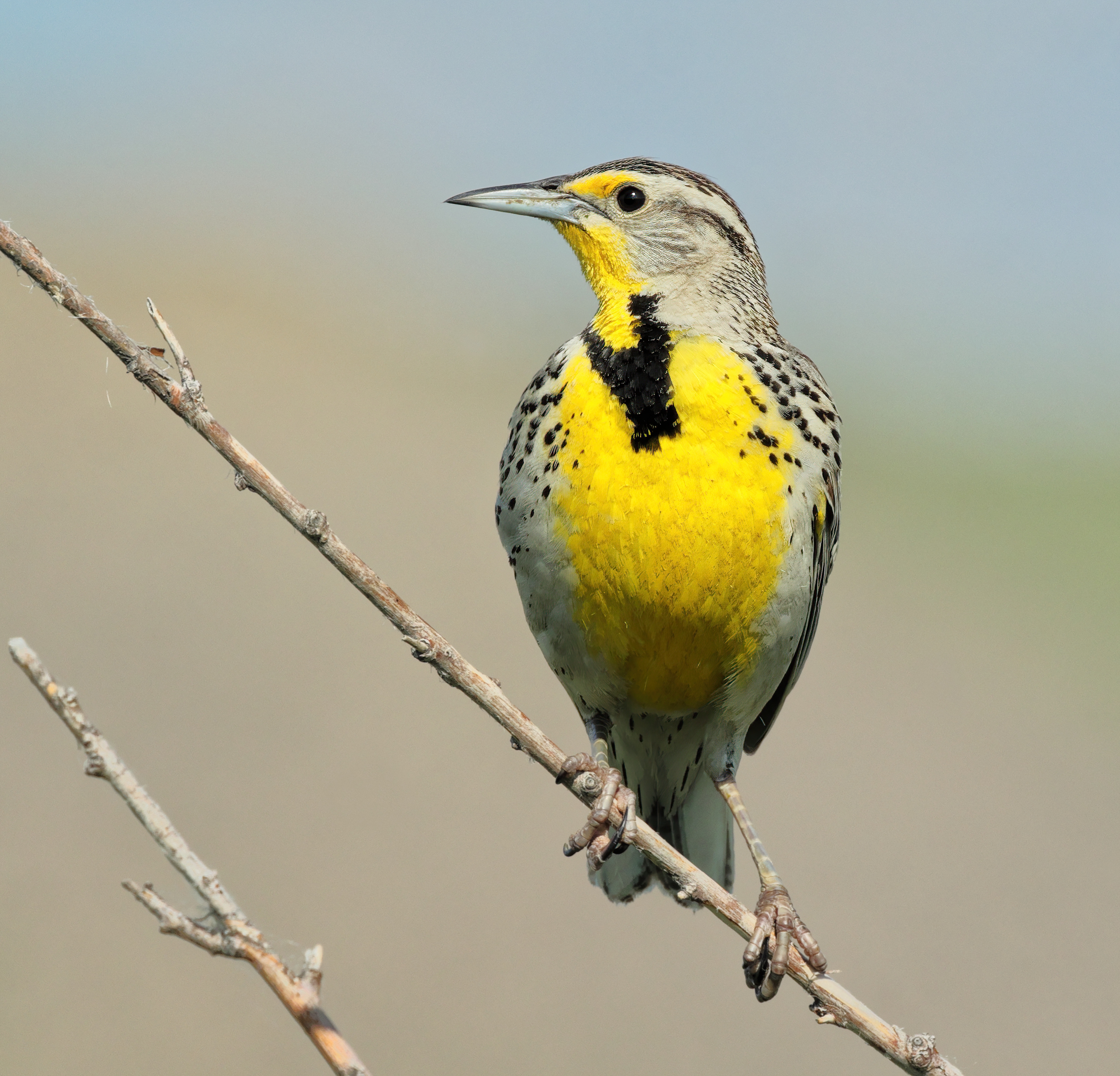
The Western Meadowlark plays an important role in the ecological balance of Montana’s grasslands. As insectivores for much of the year, they help control populations of grasshoppers, beetles, and other invertebrates. They also consume seeds and grains, contributing to the dispersal of plant life. Their presence is an indicator of healthy grassland ecosystems, a vital component of Montana’s natural heritage. Protecting these habitats is crucial not only for the meadowlark but for the entire ecosystem, including larger wildlife that roam these same expanses. Travelers interested in ecotourism or wildlife photography will find that keeping an eye out for these birds can be a rewarding aspect of their trip.
Symbolism and Cultural Connection
The Western Meadowlark’s song has been a familiar sound to generations of Montanans. Its cheerful melody is often associated with sunny days, open spaces, and the simple beauty of rural life. In a state known for its vast landscapes and independent spirit, the meadowlark’s ability to thrive in open, uncultivated areas resonates with the pioneering and resilient character of the region. It represents the natural abundance and the unadulterated beauty that draws so many visitors to Montana for travel experiences and to explore its attractions. The bird’s resilience and adaptability also mirror the spirit of the people who have made Montana their home.
The bird’s adoption as a state symbol likely occurred through legislative processes, reflecting a collective decision to honor a creature that is so intrinsically linked to the state’s identity. Such designations are often a point of pride for residents and a point of interest for tourists seeking to understand the local culture and natural history.
Experiencing the Western Meadowlark in Montana
For visitors to Montana, spotting a Western Meadowlark can be a delightful serendipitous encounter or a deliberate pursuit, adding a unique dimension to any travel itinerary. Whether you are staying at a charming hotel in a small town, a luxurious resort near a national park, or a quaint villa in the countryside, the opportunity to observe this state bird is often just a short drive or a walk away.
Prime Locations for Birdwatching
The best places to find Western Meadowlarks in Montana are, unsurprisingly, in open, grassy habitats. Several key areas offer excellent opportunities for birdwatching:
- National Forests and Grasslands: Large tracts of federal land, such as the Custer Gallatin National Forest and the Helena National Forest, often contain extensive grasslands where meadowlarks are common. Exploring these areas, perhaps while on a guided tour or a hiking expedition, can yield rewarding sightings.
- State Parks and Wildlife Refuges: Montana boasts numerous state parks and wildlife refuges dedicated to preserving natural habitats. Areas like the Freezeout Lake Wildlife Management Area are renowned for their birdlife. These locations are often managed with birdwatchers in mind, providing accessible viewing points and informative signage.
- Rural Roadsides and Farmland: As mentioned, Western Meadowlarks adapt well to human-altered landscapes. Driving along the scenic byways of Montana, particularly through agricultural regions and open country, you are likely to see them perched on fence posts, wires, or the ground beside the road. This makes spontaneous sightings a common and pleasant part of any road trip.
- National Parks: While national parks like Yellowstone and Glacier are famous for their large wildlife, their surrounding meadows and open areas also support populations of Western Meadowlarks. A leisurely drive or a walk in the less-forested sections of these parks can lead to encounters.
Tips for Observing Meadowlarks
To enhance your chances of seeing and appreciating the Western Meadowlark, consider these tips:
- Timing: The Western Meadowlark is a resident bird, meaning it stays in Montana year-round. However, their singing is most prominent during the breeding season, from early spring through mid-summer. Dawn and dusk are often the most active times for birds.
- Listen: The melodious song is often the first clue to a meadowlark’s presence. Learn to recognize its distinct calls and use them to locate the bird. Binoculars can then help you spot the singer.
- Be Patient and Quiet: When you spot a potential location, approach slowly and quietly. Find a comfortable spot to observe, and allow the birds to go about their natural behavior without disturbance.
- Respect Wildlife: Remember that you are a visitor in their habitat. Maintain a safe distance, avoid feeding the birds, and leave no trace of your presence. This is especially important in protected areas and national parks.
- Bring Binoculars: A good pair of binoculars will significantly improve your ability to observe the Western Meadowlark’s distinctive yellow breast and black V, as well as its behavior.
- Learn More: Before your trip, consider reading up on local birds and their habitats. This will deepen your appreciation for the natural world you are experiencing. Many visitor centers in parks and along scenic routes offer bird identification guides and information.
The Western Meadowlark, as the state bird of Montana, is more than just a feathered creature; it’s a symbol of the open skies, the vibrant grasslands, and the enduring spirit of the American West. Its presence enriches the natural tapestry of the state and offers a delightful, accessible experience for anyone visiting its magnificent landscapes. Whether you are an avid birdwatcher or simply a curious traveler, seeking out the song and sight of the Western Meadowlark will undoubtedly add a memorable note to your Montana adventure, connecting you more deeply with the essence of this extraordinary destination. It’s a small piece of local culture that contributes to the overall richness of tourism in the state.
LifeOutOfTheBox is a participant in the Amazon Services LLC Associates Program, an affiliate advertising program designed to provide a means for sites to earn advertising fees by advertising and linking to Amazon.com. Amazon, the Amazon logo, AmazonSupply, and the AmazonSupply logo are trademarks of Amazon.com, Inc. or its affiliates. As an Amazon Associate we earn affiliate commissions from qualifying purchases.