
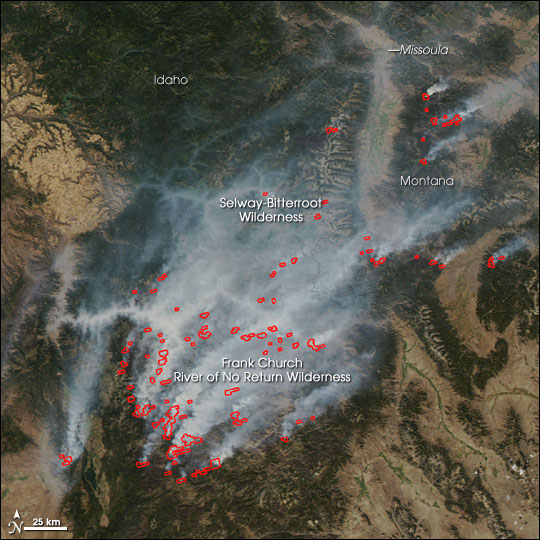
The question “Where Are The Fires In Montana?” is more than just a query about current events; it’s a signal of concern for a state renowned for its breathtaking natural beauty, vast wilderness, and the cherished experiences it offers travelers. When wildfire activity flares in Montana, it impacts not only the environment but also the tourism industry, travel plans, and the overall lifestyle associated with this magnificent Western state. This article aims to provide a comprehensive overview, addressing concerns about current fire situations while also highlighting the enduring allure of Montana as a premier travel destination.
Understanding Montana’s Wildfire Landscape
Montana, often referred to as “Big Sky Country,” is characterized by its expansive forests, rugged mountain ranges, and high plains. This very landscape, while undeniably beautiful, also makes it susceptible to wildfires, particularly during the drier summer months. Understanding the dynamics of these fires is crucial for both residents and visitors.
Factors Contributing to Wildfires
Several factors contribute to the occurrence and intensity of wildfires in Montana. Climate patterns play a significant role. Extended periods of drought, high temperatures, and low humidity create tinder-dry conditions, making vegetation highly flammable. Strong winds, common in many parts of Montana, can rapidly spread fires across vast distances.
Lightning Strikes
One of the primary natural ignition sources in Montana is lightning. Dry thunderstorms, which produce lightning without significant rainfall, are particularly problematic. A single lightning strike can ignite dry grass or timber, leading to a wildfire that can quickly grow out of control.
Human Activity
While natural causes are significant, human activity also contributes to wildfire starts. Campfires left unattended, sparks from equipment, discarded cigarettes, and even arson can all initiate blazes. It is imperative for everyone visiting or living in Montana to practice extreme caution and adhere to fire restrictions.
Fuel Load
The accumulation of fuel load—dead and dry vegetation like trees, shrubs, and grasses—is another critical factor. Decades of fire suppression in some areas have led to unnaturally dense forests, creating a higher potential for large, intense fires. Natural cycles of smaller, less intense fires are essential for forest health and preventing the buildup of excessive fuel.
Seasonal Trends and Fire Seasons
Montana’s fire season typically runs from late spring through early fall, with the peak often occurring in July and August. However, the exact timing and severity can vary year to year depending on weather conditions. Early snowmelt, prolonged dry spells, and heatwaves can all lead to earlier and more intense fire seasons.
Identifying Current Fire Information
For travelers planning a trip to Montana, or those already there, staying informed about current fire situations is paramount. The most reliable sources of information include:
- InciWeb: This interagency wildfire situation website provides detailed, up-to-date information on large incidents, including maps, photos, and incident reports.
- Local Fire Departments and Ranger Districts: Many local agencies have websites or social media accounts that share specific information about fires in their areas.
- Montana Department of Natural Resources and Conservation (DNRC): The DNRC offers statewide fire information, including fire danger ratings and restrictions.
- National Interagency Fire Center (NIFC): NIFC provides national fire statistics and incident management information.
Staying abreast of these resources can help travelers make informed decisions about their itineraries, ensuring their safety and the protection of the natural wonders they seek to explore.
Impact on Montana Tourism and Travel
Wildfires can significantly disrupt the tourism industry in Montana, affecting everything from popular national parks to remote lodges and charming small towns. The perception of safety and accessibility is crucial for attracting visitors.
National Parks and Forests
Montana is home to iconic natural landmarks and vast protected areas, including Glacier National Park, Yellowstone National Park (partially in Montana), and numerous national forests such as the Custer Gallatin National Forest. These areas are magnets for outdoor enthusiasts, hikers, campers, and wildlife watchers.
Closures and Access Restrictions
When fires threaten national parks or forests, authorities may implement closures or access restrictions to protect visitors and allow firefighting efforts to proceed unimpeded. This can mean entire sections of a park or forest being off-limits, impacting hiking trails, campgrounds, and scenic drives. For instance, during a severe fire season, the popular Going-to-the-Sun Road in Glacier National Park might face temporary closures due to smoke or direct fire threats.
Smoke Impact
Even when fires are not directly threatening a particular area, smoke can drift for miles, significantly reducing visibility and impacting air quality. This can lead to the cancellation of outdoor activities, diminished scenic views, and health concerns for visitors. The iconic vistas that draw people to Montana can be obscured by thick, hazy smoke, turning a clear day into a somber, gray one.
Lodging and Accommodation
The ripple effect of wildfires extends to the hospitality sector. Hotels, resorts, and vacation rentals in affected areas often experience cancellations or a slowdown in bookings.

Advance Planning for Accommodation
For travelers, it’s wise to book accommodation with flexible cancellation policies when visiting Montana during fire season. Websites like Booking.com or directly with establishments such as The Ranch at Rock Creek or The Lodge at Whitefish Lake can provide options for various needs, from luxury suites to cozy cabins. However, in the event of significant fire activity, understanding the terms of your reservation is crucial.
Local Businesses
Small towns and communities that rely heavily on tourism can suffer economically when fires deter visitors. Restaurants, gift shops, outfitters, and guide services all feel the impact of reduced visitor numbers. Supporting these local businesses becomes even more important when they face such challenges.
Alternative Travel Experiences
While some areas might be impacted by fires, Montana is a vast state, and other regions may remain unaffected.
Exploring Different Regions
Travelers can often find alternative experiences by exploring different parts of Montana. If fires are concentrated in the western mountains, the eastern plains or the central parts of the state might offer clear skies and unaffected attractions.
Indoor Activities and Cultural Tourism
When outdoor activities are limited by smoke or closures, visitors can pivot to indoor attractions. Montana boasts a rich history, evident in places like the Little Bighorn Battlefield National Monument and the Museum of the Rockies in Bozeman. Exploring local art galleries, museums, breweries, and historical societies in cities like Missoula, Helena, or Billings can provide a fulfilling experience regardless of outdoor conditions.
Planning a Resilient Montana Adventure
Despite the potential for wildfires, Montana remains an incredible destination. With careful planning and flexibility, visitors can still enjoy its natural wonders and unique charm. The key is to be prepared, informed, and adaptable.
Pre-Trip Preparation and Safety
Before embarking on your Montana journey, several steps can ensure a safer and more enjoyable trip.
Checking Fire Restrictions
Always check for current fire restrictions before your trip and upon arrival. This includes information on campfires, fireworks, and any other activities that could pose a fire risk. Many areas have bans on campfires during high-risk periods.
Packing Essentials
Beyond typical travel gear, consider packing items that can help manage smoke exposure, such as N95 masks, and ensure your vehicle is in good condition for potentially navigating remote or altered routes.
Staying Flexible with Itineraries
Be prepared to adjust your plans. If a planned hike in a national forest is inaccessible due to fire, have a backup plan. This might involve exploring a different trail, visiting a state park, or focusing on a different region altogether. The beauty of Montana lies in its diversity, and opportunities for adventure are abundant.
Embracing Montana’s Lifestyle and Attractions
Even with the challenges posed by wildfires, the core appeal of Montana endures. Its vast landscapes, outdoor recreation opportunities, and welcoming communities continue to draw visitors seeking an authentic Western experience.
The Allure of the Outdoors
Montana offers unparalleled opportunities for hiking, fishing, wildlife viewing, and scenic drives. Locations like Glacier National Park and the Absaroka-Beartooth Wilderness provide some of the most stunning natural scenery in the United States. Even with some closures, there are often alternative access points or other equally magnificent areas to explore.
Experiencing Local Culture and Cuisine
Beyond the natural landscapes, Montana’s towns and cities offer a rich tapestry of local culture. From the vibrant arts scene in Bozeman to the historical significance of Virginia City, there’s much to discover. Enjoying local cuisine, from huckleberry treats to hearty Western fare, is an essential part of the Montana experience. Many restaurants and breweries remain open and welcoming, providing a taste of local life.

Accommodation Options
Montana offers a wide range of accommodation to suit every travel style, from luxury resorts like The Resort at Paws Up to charming bed and breakfasts in small towns. When booking, it’s advisable to look for properties that are proactive in communicating about potential disruptions and have clear cancellation policies. Many establishments are dedicated to providing a safe and memorable stay, even amidst challenging conditions.
In conclusion, while the question “Where Are The Fires In Montana?” reflects a valid concern, it is important to remember that Montana is a resilient and vast state. By staying informed, planning ahead, and remaining flexible, travelers can still experience the grandeur and adventure that “Big Sky Country” has to offer, ensuring their journey is as rewarding as it is memorable. The spirit of Montana, characterized by its wild beauty and the warmth of its people, is always present, ready to be discovered.
LifeOutOfTheBox is a participant in the Amazon Services LLC Associates Program, an affiliate advertising program designed to provide a means for sites to earn advertising fees by advertising and linking to Amazon.com. Amazon, the Amazon logo, AmazonSupply, and the AmazonSupply logo are trademarks of Amazon.com, Inc. or its affiliates. As an Amazon Associate we earn affiliate commissions from qualifying purchases.