
The very notion of snow falling in Los Angeles often conjures images of a surreal, almost cinematic event, an anomaly against the backdrop of palm trees and perpetual sunshine. For most visitors and residents, Los Angeles is synonymous with warm beaches, Hollywood glamour, and an idyllic Southern California climate that rarely dips below a comfortable chill. Yet, the question, “Does it snow in Los Angeles?” persists, hinting at a fascinating nuance to this global metropolis. The simple answer is: rarely, and almost exclusively in its higher elevations or as a fleeting, picturesque dusting. However, the story doesn’t end there, as Los Angeles serves as an extraordinary gateway to some of California’s most stunning winter wonderlands, often just a short drive away.
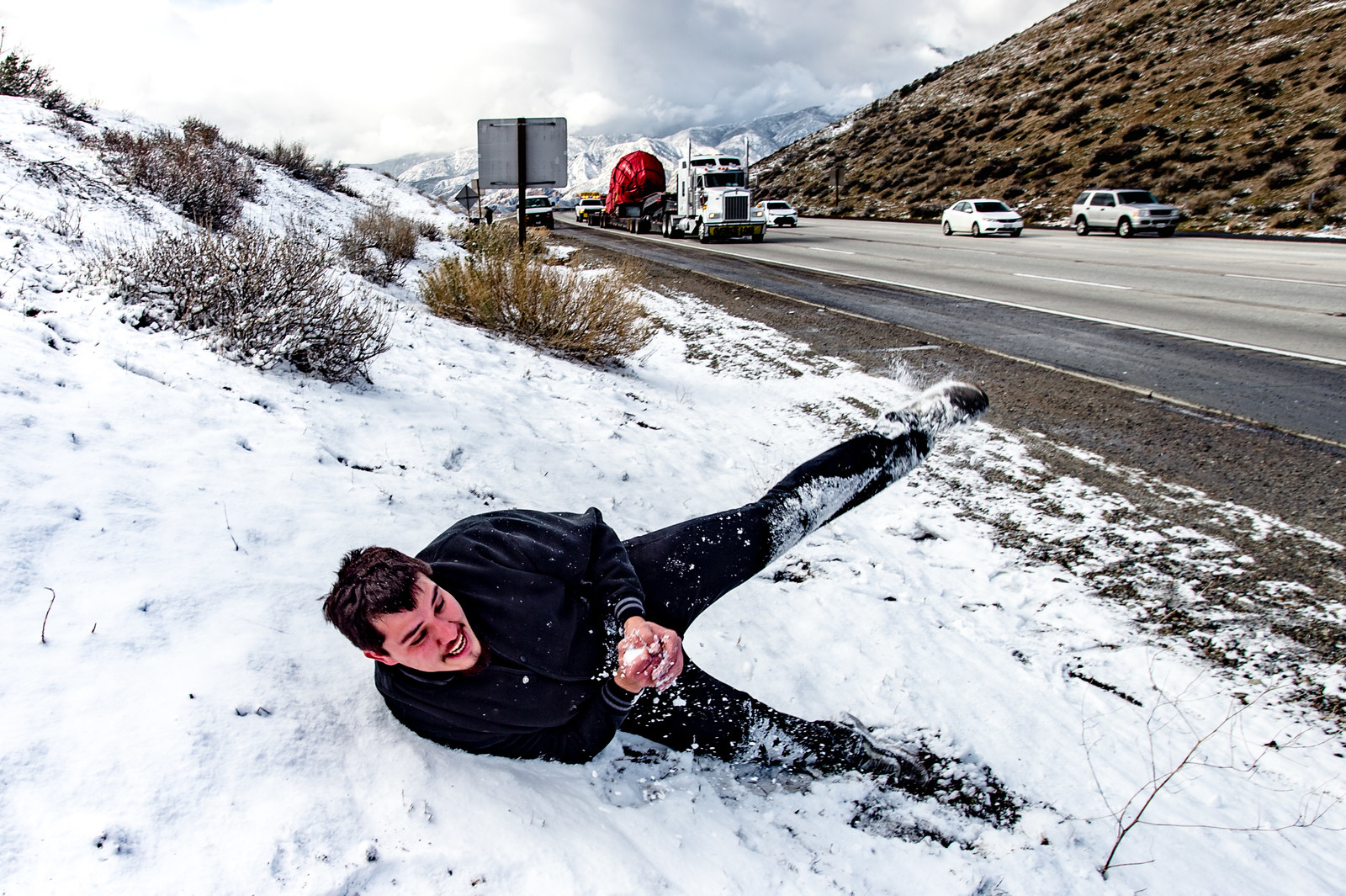
This article delves into the unique climate of Los Angeles, explores the rare instances when the city has witnessed snow, and, perhaps most importantly for travelers, uncovers the magnificent snowy escapes that are incredibly accessible from the city. Whether you’re dreaming of a white Christmas or simply curious about the full spectrum of experiences Southern California has to offer, understanding the relationship between Los Angeles and snow provides a captivating perspective on travel, tourism, and the diverse natural beauty of the region.
The Climate of Los Angeles: A Mediterranean Paradise
To truly understand why snow is such a rarity in downtown Los Angeles, one must first grasp the city’s unique climatic characteristics. Los Angeles boasts a Mediterranean climate, a designation shared by only a few regions globally, including parts of the Mediterranean Basin, central Chile, the Cape Province of South Africa, and parts of Australia. This climate is defined by mild, wet winters and hot, dry summers.
During the winter months, typically from November to March, temperatures in the coastal and lowland areas of the Los Angeles Basin usually hover between 48°F (9°C) and 68°F (20°C). While rainfall does occur, it’s rarely accompanied by the sustained low temperatures required for snow to form and accumulate at sea level. The moderating effect of the vast Pacific Ocean plays a significant role, preventing extreme cold fronts from settling over the urban core. The prevailing westerly winds bring mild, moist air off the ocean, keeping temperatures relatively high even during the coldest parts of the year.
However, Los Angeles is a sprawling city, encompassing a vast array of microclimates. As one moves inland and to higher elevations, the climate gradually shifts. Areas nestled in the foothills or within the many mountain ranges that cradle the city experience cooler temperatures, more significant temperature swings between day and night, and a greater chance of precipitation. These topographical variations are key to understanding the full picture of “snow in Los Angeles.” The city’s highest points, particularly in the San Gabriel Mountains which form its northern and eastern boundaries, routinely receive snowfall every winter, often to considerable depths, making for stark contrasts between snowy peaks and sunny valleys.
This unique geographical positioning allows Los Angeles residents and visitors to experience both beach and mountain environments within a single day – a truly distinctive aspect of the Southern California lifestyle and a major draw for travel and tourism.

A Glimpse of Winter Wonderland: When Snow Has Graced the City
While it’s not an annual occurrence, snow has indeed fallen in various parts of Los Angeles throughout history, much to the delight and surprise of its inhabitants. These events are often short-lived, typically resulting in a light dusting rather than heavy accumulation, but they become memorable moments in the city’s lore.
One of the earliest recorded significant snowfalls in downtown Los Angeles occurred in January 1932, when residents awoke to several inches of snow covering streets and palm trees, creating an incongruous yet beautiful scene. This event was widely photographed and remains a benchmark for rare weather occurrences in the city. Another notable snowfall happened in January 1949, again blanketing parts of the city with a thin layer of white. While light, these instances were enough to cause a stir, prompting locals to build snowmen and enjoy the fleeting novelty.
More recently, scattered reports of snow flurries have emerged from higher elevations within the Los Angeles city limits. For instance, in February 2019, areas like Calabasas, the Santa Monica Mountains, and even parts of the San Fernando Valley received a brief dusting, captivating residents with the unusual sight. In February 2023, a particularly powerful winter storm brought significant snow to many parts of Southern California, including substantial accumulation in the San Gabriel Mountains and even a dusting in some higher foothill communities very close to urban areas. While not reaching downtown, these events reinforce that the possibility, however slim, remains for parts of the broader Los Angeles area to experience snow.
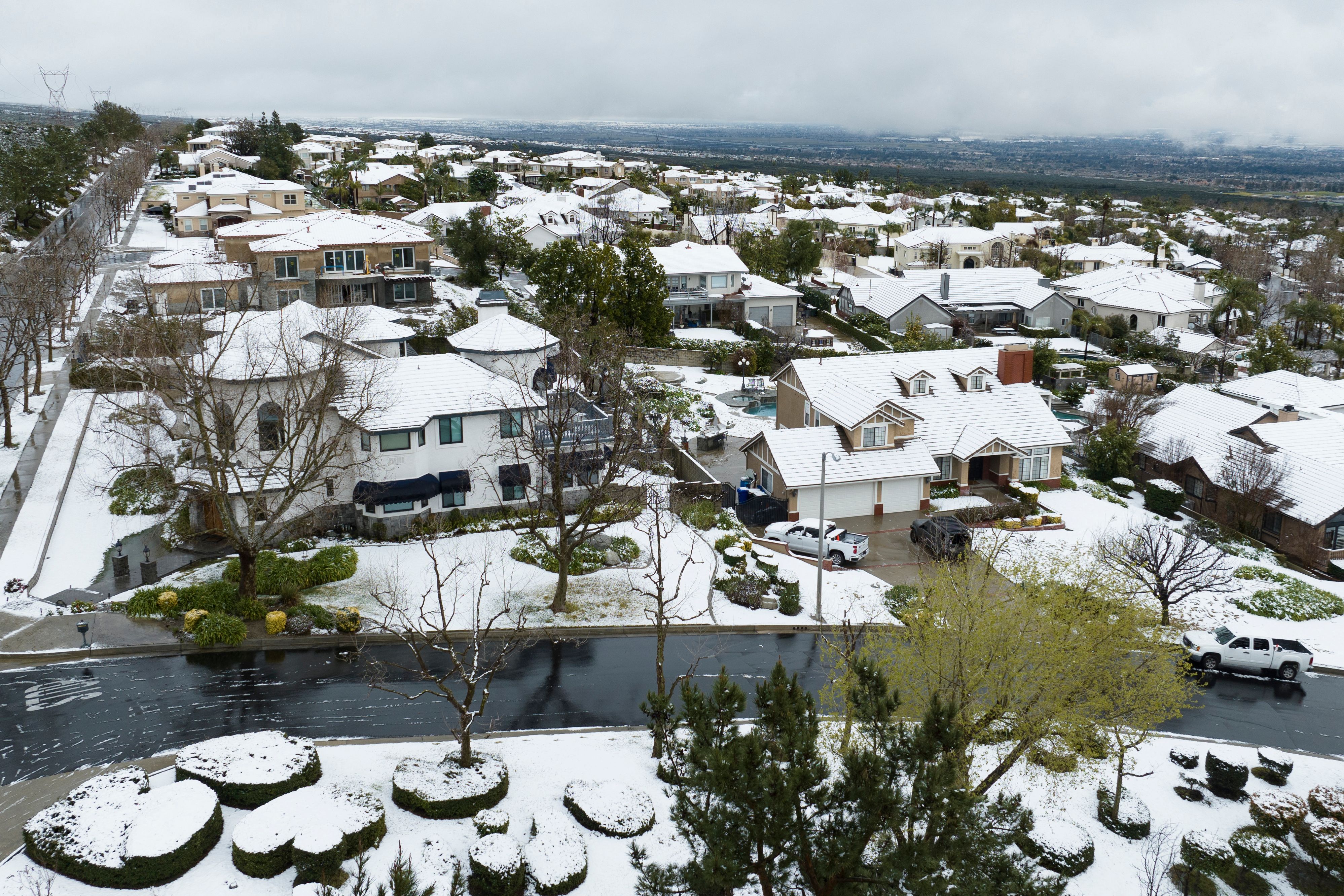
These rare snowfalls are often triggered by exceptionally cold air masses descending from the north, combined with sufficient moisture. When these conditions align, particularly at elevations above 1,000 to 2,000 feet (300 to 600 meters), a light accumulation can occur. For visitors, witnessing snow in central Los Angeles would be a truly once-in-a-lifetime experience, adding an unexpected twist to their travel itinerary. However, for those actively seeking snow, the solution lies not within the city’s core, but in its breathtaking mountainous surroundings.
Chasing Snow Near Los Angeles: Mountain Escapes
For travelers eager to experience a winter wonderland while visiting Los Angeles, the good news is that abundant snow is just a short drive away. Southern California is uniquely positioned to offer world-class snowy destinations within a one-to-three-hour drive from downtown Los Angeles, making it possible to hit the slopes in the morning and return to the beach by sunset. These mountain ranges offer a diverse range of activities, from intense skiing and snowboarding to gentle snowshoeing and family-friendly sledding.
San Gabriel Mountains and Angeles National Forest
The San Gabriel Mountains rise majestically directly north and east of Los Angeles, forming a dramatic backdrop to the urban sprawl. Much of this range falls within the Angeles National Forest, offering vast expanses of wilderness. During winter, these mountains transform into a snowy playground, easily accessible for day trips.
- Mount Baldy (San Antonio Mountain): Standing as the highest peak in the San Gabriel Mountains at 10,064 feet (3,067 meters), Mount Baldy is a popular destination for serious hikers, skiers, and snowboarders. Mount Baldy Resort offers lifts and runs, making it an excellent option for those looking for a quick mountain fix without venturing too far. The drive up is scenic, and the views from the slopes are breathtaking, encompassing the Los Angeles Basin all the way to the ocean on clear days.
- Mount Wilson: While primarily known for its observatory, the roads leading to Mount Wilson can receive snow, offering opportunities for snowball fights and enjoying the scenery. The drive along the Angeles Crest Highway (seasonal closures apply) is an experience in itself.
- Big Pines and Crystal Lake: These areas further along the Angeles Crest Highway provide numerous spots for sledding, cross-country skiing, and snow play, particularly for families. Rustic cabins and campsites (weather permitting) are available for those seeking a deeper immersion into nature.
Access to these areas typically requires a California Adventure Pass for parking, and visitors should always check road conditions and chain requirements before heading up, as mountain weather can change rapidly.
Popular Southern California Ski Resorts
For a more comprehensive ski resort experience, Southern California offers several renowned resorts that attract thousands of snow enthusiasts each winter. These destinations provide not only slopes but also a full range of accommodation options, dining, and other winter activities.
- Big Bear Lake: Located in the San Bernardino Mountains, Big Bear Lake is perhaps the most famous and popular winter destination near Los Angeles. Home to two major ski resorts, Snow Summit and Bear Mountain, it offers diverse terrain for all skill levels. Beyond skiing and snowboarding, Big Bear Lake offers snow tubing, ice skating, snowshoeing, and a charming village atmosphere with shops and restaurants. The drive from Los Angeles typically takes 2-3 hours, making it ideal for weekend trips or even long day trips. Accommodation options range from cozy cabins and vacation rentals to more luxurious hotels and resorts like The Lodge at Big Bear Lake.
- Lake Arrowhead: Often referred to as the “Alps of Southern California,” Lake Arrowhead is another picturesque destination in the San Bernardino Mountains. While it doesn’t have a large ski resort directly on its shores, it’s very close to Snow Valley Mountain Resort and offers a more serene, upscale mountain village experience. Visitors can enjoy snow play, explore the quaint village, and stay at resorts such as the Lake Arrowhead Resort and Spa, which offers stunning lake views and luxurious amenities.
- Wrightwood and Mountain High Resort: Situated in the San Gabriel Mountains closer to Los Angeles (about 1.5 hours drive), Mountain High Resort is a popular choice for quick day trips. It’s known for having three distinct peaks offering various terrain and often has a longer season due to its higher elevation. The charming town of Wrightwood provides a welcoming atmosphere with local eateries and small shops.
Other Notable Mountain Ranges
Further afield, but still within a reasonable drive, the San Jacinto Mountains near Palm Springs offer another unique snow experience. The Palm Springs Aerial Tramway provides an astonishing ascent from the desert floor to over 8,500 feet (2,500 meters) in minutes, where a completely different sub-alpine environment awaits, often covered in snow. This offers a spectacular contrast – desert warmth at the base and a winter wonderland at the top.
Planning Your Winter Escape: Tips for Travelers
For those seeking to combine the sunny appeal of Los Angeles with the thrill of a snowy adventure, careful planning is essential. Here are some key tips for travelers looking to make the most of Southern California’s dual-season offerings:
Accommodation
When planning your trip, consider your primary focus. If skiing and snowboarding are top priorities, booking accommodation directly in Big Bear Lake, Lake Arrowhead, or Wrightwood will minimize travel time to the slopes. Options range from cozy family-friendly cabins and spacious villas for groups, to convenient resorts with ski-in/ski-out access and full-service hotels. These often include amenities like hot tubs, fireplaces, and on-site dining, enhancing the winter experience. For those prioritizing Los Angeles attractions and simply planning a day trip to the snow, staying in Los Angeles itself offers endless choices, from luxury suites in Beverly Hills to budget-friendly apartments and boutique hotels near major landmarks. Booking in advance, especially for popular winter weekends and holidays, is highly recommended to secure the best rates and availability. Online reviews and comparison sites can help in making informed decisions.
Transportation
A rental car is almost a necessity for exploring the snowy mountains around Los Angeles. Ensure your vehicle is suitable for mountain driving; often, chain requirements are enforced on mountain roads during winter storms. It’s wise to carry snow chains or opt for a four-wheel-drive or all-wheel-drive vehicle, even if you don’t anticipate needing chains, as conditions can change rapidly. Always check road conditions (e.g., Caltrans website) before departing. Public transportation to these mountain destinations is limited, making a personal vehicle the most convenient option.
Packing Essentials
The contrast in climates demands smart packing. For your time in Los Angeles proper, light layers are usually sufficient, with a jacket for cooler evenings. However, for a trip to the mountains, warm, waterproof clothing is essential. Think thermal base layers, waterproof outer shells (jacket and pants), gloves, hats, and waterproof boots. Sunglasses are also crucial, as snow reflects sunlight intensely. If you plan to ski or snowboard, you can rent equipment at the resorts or in gear shops closer to Los Angeles.
Activities and Experiences
Beyond skiing and snowboarding, consider other snow activities. Many resorts offer snow tubing parks, which are fun for all ages. Snowshoeing and cross-country skiing trails provide a quieter way to experience the winter landscape. Explore the quaint mountain towns like Big Bear Lake Village or Lake Arrowhead Village, which often host winter festivals, craft fairs, and offer cozy dining experiences by a roaring fire – perfect for apres-ski relaxation. These locations also offer various local culture and food experiences, distinct from the urban offerings of Los Angeles.
Safety
Mountain weather can be unpredictable. Always check weather forecasts and road conditions before you leave. Be aware of potential hazards like icy roads, limited visibility, and falling snow. Inform someone of your plans if you’re venturing into more remote areas for hiking or snowshoeing. Having a fully charged phone, extra water, and snacks is always a good idea.
The Unique Lifestyle of a Los Angeles Winter
The ability to wake up to sunny skies and palm trees in Los Angeles, then drive a couple of hours to find oneself surrounded by snow-capped peaks, is a hallmark of the Southern California lifestyle. This unique geographical advantage allows for a diverse range of experiences that few other major cities can rival. Imagine surfing in the morning at Malibu and then hitting the slopes for an afternoon of snowboarding in Big Bear – a quintessential Southern California dream that is very much a reality.
Even without natural snow in the city, Los Angeles embraces the winter season with festive charm. During the holidays, the city transforms with dazzling light displays, elaborate decorations, and seasonal attractions. Outdoor ice skating rinks pop up in iconic locations, such as the Pershing Square Ice Rink in downtown Los Angeles or Santa Monica‘s Ice at the Pier, offering a taste of winter recreation without the cold temperatures. Christmas boat parades, holiday-themed events at Disneyland, and special performances contribute to a vibrant holiday culture that thrives under the typically mild winter sun.
This blend of experiences caters to various lifestyle preferences and travel styles, from luxury travel to budget travel. A family trip can easily combine a day at the beach with a day playing in the snow. Business stays can be extended to include adventurous weekend getaways. The sheer accessibility of such contrasting environments is a significant draw for tourism in the region, offering an unparalleled opportunity to enjoy the best of both worlds.
In conclusion, while the famous palm trees of Los Angeles rarely find themselves dusted with natural snowflakes, the dream of a snowy winter wonderland is far from out of reach. The city, with its consistently mild climate, serves as a perfect base for exploring the spectacular, snow-covered mountain ranges that lie just beyond its urban edges. Whether you seek the thrill of the slopes, the tranquility of a snowy forest, or simply wish to witness the unusual sight of snow from the warmth of your Los Angeles accommodation, Southern California offers a truly unique winter experience – a testament to its incredible geographical diversity and its appeal as a premier travel destination. The answer to “Does it snow in Los Angeles?” is a nuanced one, inviting travelers not to mourn the lack of urban snowfall, but to embrace the easily accessible, breathtaking snowy escapes that await just a short journey away.
LifeOutOfTheBox is a participant in the Amazon Services LLC Associates Program, an affiliate advertising program designed to provide a means for sites to earn advertising fees by advertising and linking to Amazon.com. Amazon, the Amazon logo, AmazonSupply, and the AmazonSupply logo are trademarks of Amazon.com, Inc. or its affiliates. As an Amazon Associate we earn affiliate commissions from qualifying purchases.