
While the primary focus of lifeoutofthebox.com is to inspire and guide your travels, from discovering hidden gems in Nebraska to finding the perfect accommodation or understanding the nuances of local culture, understanding the economic landscape of a destination can significantly enrich your travel experience. This is particularly true when considering the cost of services, dining, and even the overall lifestyle of a place. Therefore, we’re taking a brief detour from our usual travel narratives to explore a fundamental economic indicator: the minimum wage in the state of Nebraska. Understanding this figure can provide valuable context, whether you’re a local resident, a business owner, a traveler on a budget, or simply curious about the economic well-being of the Cornhusker State.

The minimum wage is a critical component of labor economics, representing the lowest hourly wage that employers are legally permitted to pay their workers. It’s a policy tool designed to protect workers from exploitation, ensure a basic standard of living, and stimulate economic activity by increasing consumer spending. For travelers, knowing the minimum wage can offer insights into the cost of labor-intensive services, such as those found in the hospitality sector, from charming boutique hotels in Omaha to family-run restaurants in smaller towns across Nebraska.
Federal vs. State Minimum Wage: A Crucial Distinction
When discussing minimum wage, it’s essential to recognize the interplay between federal and state laws. The United States has a federal minimum wage, which is the baseline set by the federal government. However, individual states are empowered to set their own minimum wage rates. The critical rule is that if a state’s minimum wage is higher than the federal minimum wage, employers within that state must adhere to the higher state rate. Conversely, if a state’s minimum wage is lower than the federal rate, employers are generally required to pay at least the federal minimum wage. This distinction is vital for businesses operating across state lines and for travelers who might compare the cost of living and services in different regions.
In the context of Nebraska, this means that both federal and state regulations come into play. The state of Nebraska has its own established minimum wage. Understanding this specific rate allows for a more accurate assessment of economic conditions within the state, influencing everything from the wages paid to hotel staff at establishments like the Omaha Marriott Downtown at the Capitol District to the pricing of goods and services in Lincoln and beyond.
The Current Minimum Wage in Nebraska
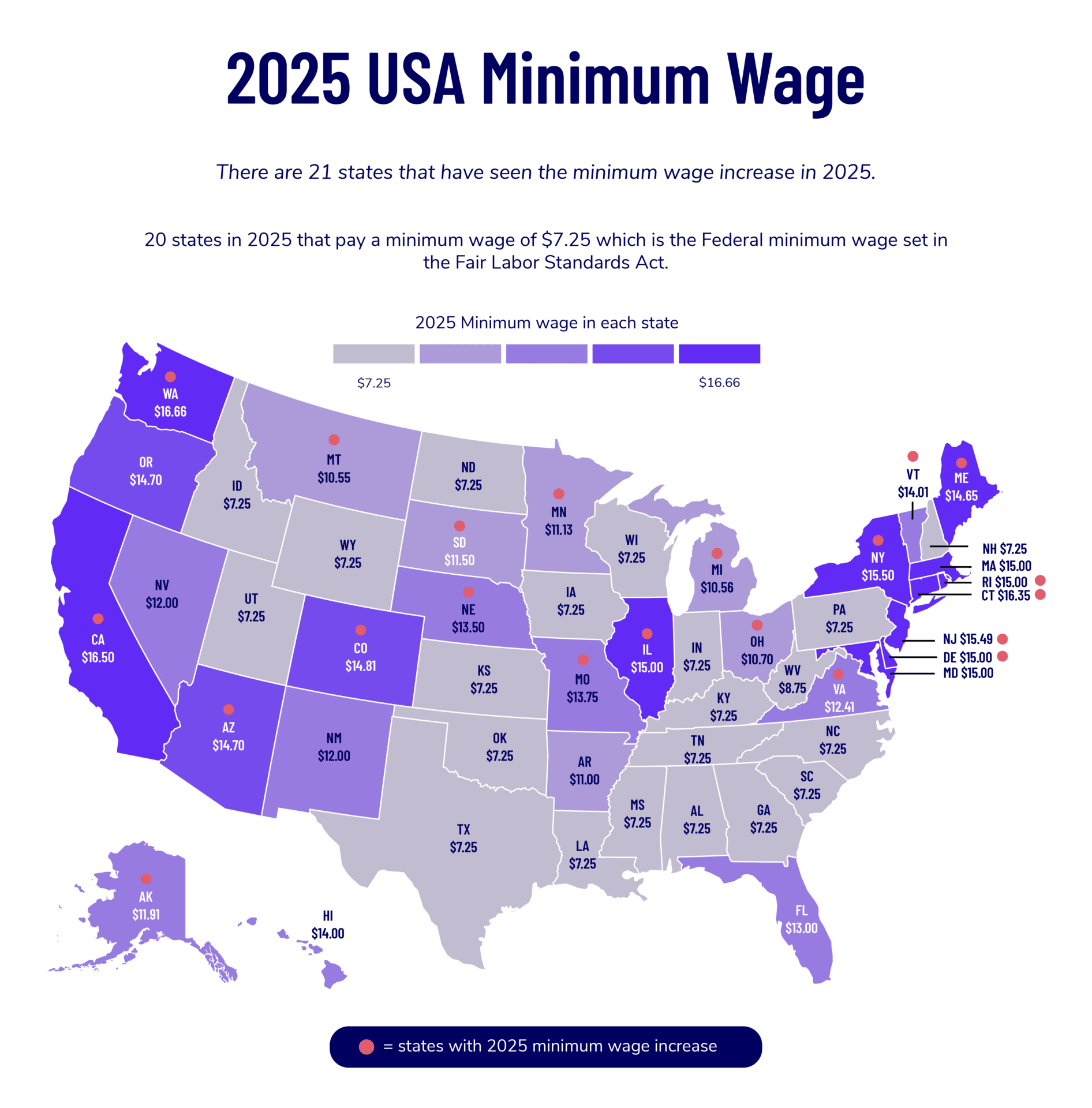
As of the latest updates, the state of Nebraska has set its minimum wage to align with the federal minimum wage. This means that for most employees in Nebraska, the applicable minimum wage is the federally mandated rate. The current federal minimum wage is $7.25 per hour. This rate has been in effect nationally since 2009.
It’s important for both employers and employees to be aware that this figure represents the lowest hourly compensation allowed by law for most non-tipped employees. For individuals seeking employment in Nebraska, understanding this baseline is crucial for salary negotiations and for evaluating job offers. For travelers, this figure provides a foundational understanding of labor costs, which can indirectly influence the pricing of local services and products. For instance, if you’re enjoying a meal at a local diner or exploring a national park and interacting with staff, this minimum wage provides context for their earnings.
Exceptions and Special Wage Provisions
While the $7.25 per hour rate is the general minimum wage in Nebraska, like in many states, there are certain exceptions and special wage provisions that apply to specific categories of workers. These are often designed to account for different industry practices or to address specific economic realities.
One significant exception pertains to tipped employees. In the United States, federal law allows employers to pay tipped employees a lower cash wage, provided that the employee’s tips, combined with this lower cash wage, reach at least the standard federal minimum wage. For tipped employees, the federal minimum cash wage is $2.13 per hour. However, employers in states like Nebraska must ensure that the total earnings (cash wage plus tips) of tipped employees meet or exceed the standard minimum wage of $7.25 per hour. If a tipped employee does not earn enough in tips to reach the $7.25 per hour threshold, the employer is obligated to make up the difference. This is a crucial point for understanding the service industry, from cafes in Omaha to resorts near Lake McConaughy.
Another common category for exceptions includes minors and certain students. Federal law, and sometimes state law, may permit employers to pay a sub-minimum wage to young workers or students under specific conditions. These provisions are typically intended to provide employment opportunities for young people without placing an undue financial burden on employers. For instance, a student working a summer job at a local attraction might fall under these provisions.
Furthermore, there are often exemptions for certain types of employees, such as individuals employed in farm labor, domestic service, or those who are bona fide executive, administrative, or professional employees. These exemptions are usually based on the nature of the work performed and the level of responsibility. For travelers interested in agricultural tourism or understanding the rural economy of Nebraska, these exemptions can be relevant.
Finally, employers may also be permitted to pay a lower wage to individuals with disabilities who are unable to earn the standard minimum wage in productive employment, provided that certain federal and state regulations are met. These provisions are subject to strict oversight to prevent abuse.
Factors Influencing Minimum Wage Debates
The minimum wage is rarely a static figure that is simply set and forgotten. It is often the subject of ongoing debate and legislative action, influenced by a complex interplay of economic, social, and political factors. Understanding these influences can shed light on why minimum wage rates might change over time and the potential impacts of such changes.
One of the primary drivers behind minimum wage debates is the cost of living. As the cost of essential goods and services—such as housing, food, transportation, and healthcare—increases, there is often a corresponding call to raise the minimum wage to ensure that low-wage workers can maintain a basic standard of living. Advocates for higher minimum wages argue that the current rate is insufficient to cover basic needs, especially in areas where rent and other expenses are rising. For travelers planning a budget trip to Nebraska, a higher minimum wage could correlate with higher prices for services, but it also suggests a potentially better quality of life for local workers.
Another significant factor is the impact on employment. Opponents of minimum wage increases often argue that raising wages too high can lead to job losses, as businesses, particularly small businesses, may respond by reducing their workforce, cutting hours, or slowing hiring to offset increased labor costs. Conversely, proponents of minimum wage increases suggest that higher wages can boost consumer spending, creating more demand for goods and services, which in turn can lead to job growth. This debate is central to economic policy discussions in Nebraska and across the nation.
Economic growth and productivity also play a role. When an economy is growing strongly and productivity is increasing, there is often greater willingness and capacity to raise wages. Conversely, during economic downturns, the pressure to increase minimum wages may diminish. The health of key industries in Nebraska, such as agriculture and manufacturing, can influence the broader economic climate and, consequently, discussions around minimum wage.
Finally, political considerations and advocacy are undeniable forces. Labor unions, worker advocacy groups, and progressive political movements often push for higher minimum wages, while business associations and conservative groups may advocate for maintaining the current rate or implementing more modest increases. These advocacy efforts can lead to legislative proposals and, ultimately, changes in minimum wage laws. For instance, any proposed changes to the minimum wage in Nebraska would likely involve significant lobbying and public discourse.
How Minimum Wage Impacts Travel and Lifestyle in Nebraska
While the minimum wage in Nebraska is currently aligned with the federal rate of $7.25 per hour for most workers, this figure has ripple effects that can be felt by residents and visitors alike, influencing various aspects of travel and lifestyle.
For travelers exploring the diverse attractions of Nebraska, from the historic Chimney Rock National Historic Site to the vibrant city life in Omaha, the minimum wage provides an underlying context for the cost of services. For example, the wages paid to hotel staff at a resort in the Sandhills or to servers at a restaurant in Lincoln are influenced by this baseline. A higher minimum wage, even if not currently the case in Nebraska, could theoretically lead to higher prices for accommodation, dining, and other tourist-related services as businesses adjust their operating costs. However, it could also lead to a better-trained and more motivated workforce, enhancing the overall travel experience.
The minimum wage also impacts the affordability of a budget travel experience. When labor costs are lower, businesses may be able to offer more competitive pricing on their services. This can make destinations within Nebraska more accessible to travelers on a tighter budget. Conversely, if the minimum wage were to significantly increase, travelers might find that their travel dollars stretch a little less far for certain expenses.
Beyond direct costs, the minimum wage can influence the quality of life for local residents, which in turn can shape the character of a destination. A minimum wage that allows workers to earn a living wage can contribute to a more stable and prosperous local economy, potentially leading to more vibrant communities, better-maintained landmarks, and a wider array of local businesses and cultural experiences. This can translate into a richer and more authentic experience for tourists interested in local culture and genuine tourism. For instance, well-compensated staff at a charming bed and breakfast in a small Nebraska town can significantly enhance a visitor’s stay.
From a lifestyle perspective, the minimum wage in Nebraska contributes to the broader economic narrative of the state. It is one piece of the puzzle that helps paint a picture of the economic opportunities and challenges faced by its residents. For those contemplating a move to Nebraska for work or a change of scenery, understanding the minimum wage is a starting point for evaluating the local job market and the general cost of living. It’s a foundational element that, while not always the most glamorous topic, is integral to the economic fabric of any state, including the beautiful and often underestimated state of Nebraska.
LifeOutOfTheBox is a participant in the Amazon Services LLC Associates Program, an affiliate advertising program designed to provide a means for sites to earn advertising fees by advertising and linking to Amazon.com. Amazon, the Amazon logo, AmazonSupply, and the AmazonSupply logo are trademarks of Amazon.com, Inc. or its affiliates. As an Amazon Associate we earn affiliate commissions from qualifying purchases.