
While the question of why Nebraska has three districts might seem like a purely political or geographical puzzle, it’s actually a fascinating intersection of history, population, and the democratic process that shapes how a state is represented. For travelers and enthusiasts of Nebraska‘s unique charm, understanding this distribution can offer a more nuanced appreciation of the state’s layout and the experiences it offers. From the bustling streets of Omaha to the wide-open prairies of the west, these districts encompass a diverse range of attractions, accommodations, and cultural tapestries, each worthy of exploration.
The Core of Representation: How Districts Are Formed
At its heart, the division of any state into congressional districts is about ensuring fair representation for its citizens in the U.S. House of Representatives. This process is directly tied to the U.S. Census, a nationwide count of the population that happens every ten years. The U.S. Constitution mandates that this census be used to apportion the number of Representatives each state receives based on its population relative to other states. Once the total number of Representatives for a state is determined, the state legislature is responsible for drawing the boundaries of those districts. The primary goal is to create districts that are roughly equal in population, a principle known as “one person, one vote.”
The U.S. Census and Apportionment: The Foundation of Districts
The United States Census Bureau plays a pivotal role in this intricate system. Every decade, it undertakes the monumental task of counting every person living in the United States, including Nebraska. The data collected from the census is then used to determine each state’s share of the 435 seats in the House of Representatives. States that have experienced significant population growth might gain seats, while those with slower growth or population decline could lose seats. This process, called apportionment, is the very first step in determining how many districts a state will have.
For Nebraska, its population has historically not been large enough to warrant a significant increase in its congressional representation. While other, more populous states might boast dozens of congressional districts, Nebraska has consistently maintained a smaller number. This directly translates to the number of representatives its citizens send to Washington D.C., and consequently, the number of geographic areas designated as congressional districts within the state.
Redistricting: Drawing the Lines
Once the number of congressional seats is set for a state, the process of redistricting begins. This is where state legislatures, or sometimes independent commissions, draw the specific boundaries of each district. The guiding principle is that each district should contain approximately the same number of people. However, the actual drawing of lines can be a complex and often contentious political exercise. Legislators aim to create districts that are geographically contiguous (connected) and reasonably compact. Beyond these basic requirements, the desire to elect candidates of their own party or to protect incumbents can influence how boundaries are drawn, leading to debates about gerrymandering – the manipulation of district boundaries for political advantage.
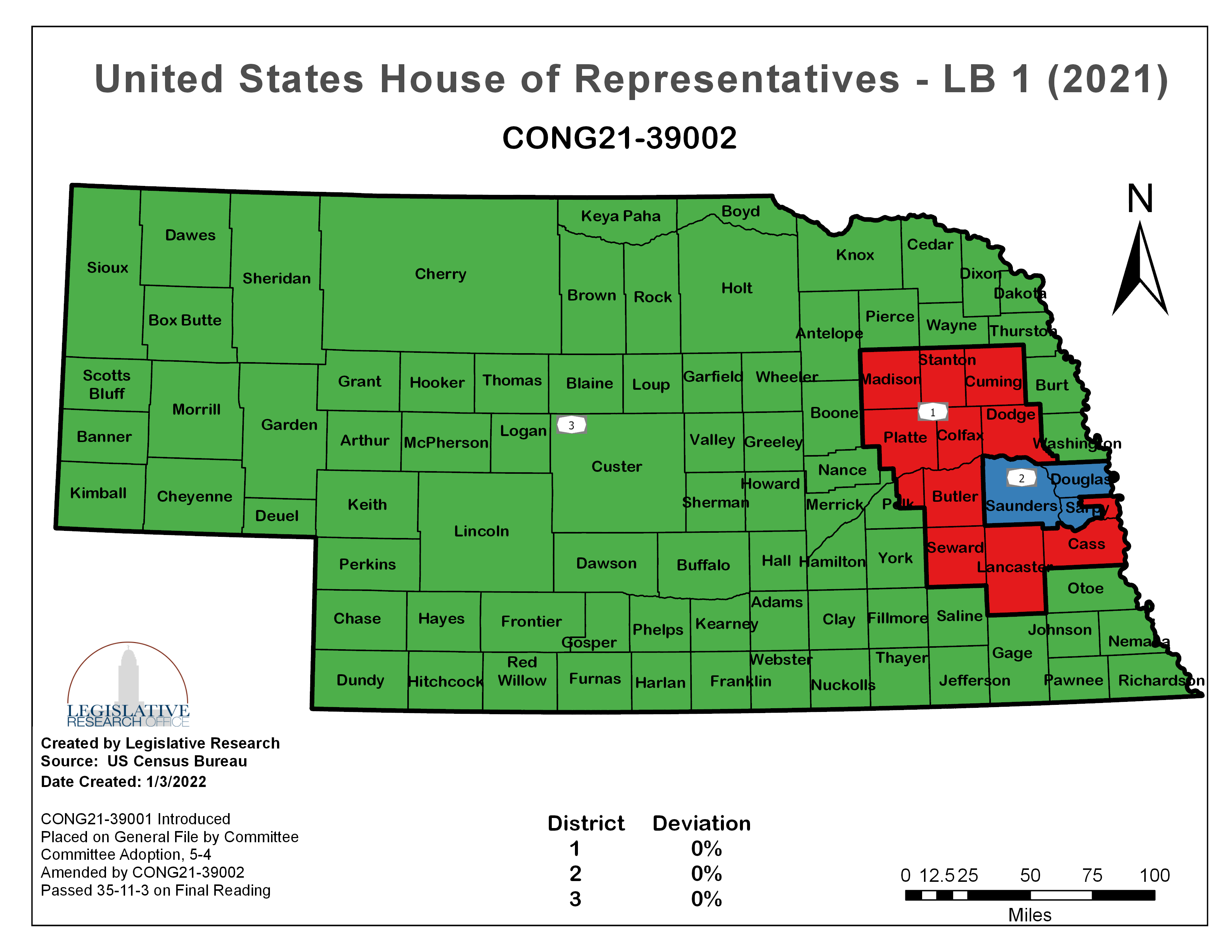
In Nebraska, the state legislature handles the redistricting process. Unlike many states, Nebraska has a unicameral (single-house) legislature, which simplifies the process somewhat, but political considerations can still play a role. The goal is to create three districts that are as close in population as possible, ensuring that the voters within each district have a voice that carries equal weight in congressional elections. The specific boundaries of these districts can, and do, change over time as the state’s population shifts and grows, or even redistributes itself within the state. This dynamic nature of redistricting means that what might be considered the “3rd District” today could have slightly different geographical boundaries a decade from now.
Nebraska’s Three Districts: A Tapestry of Experiences
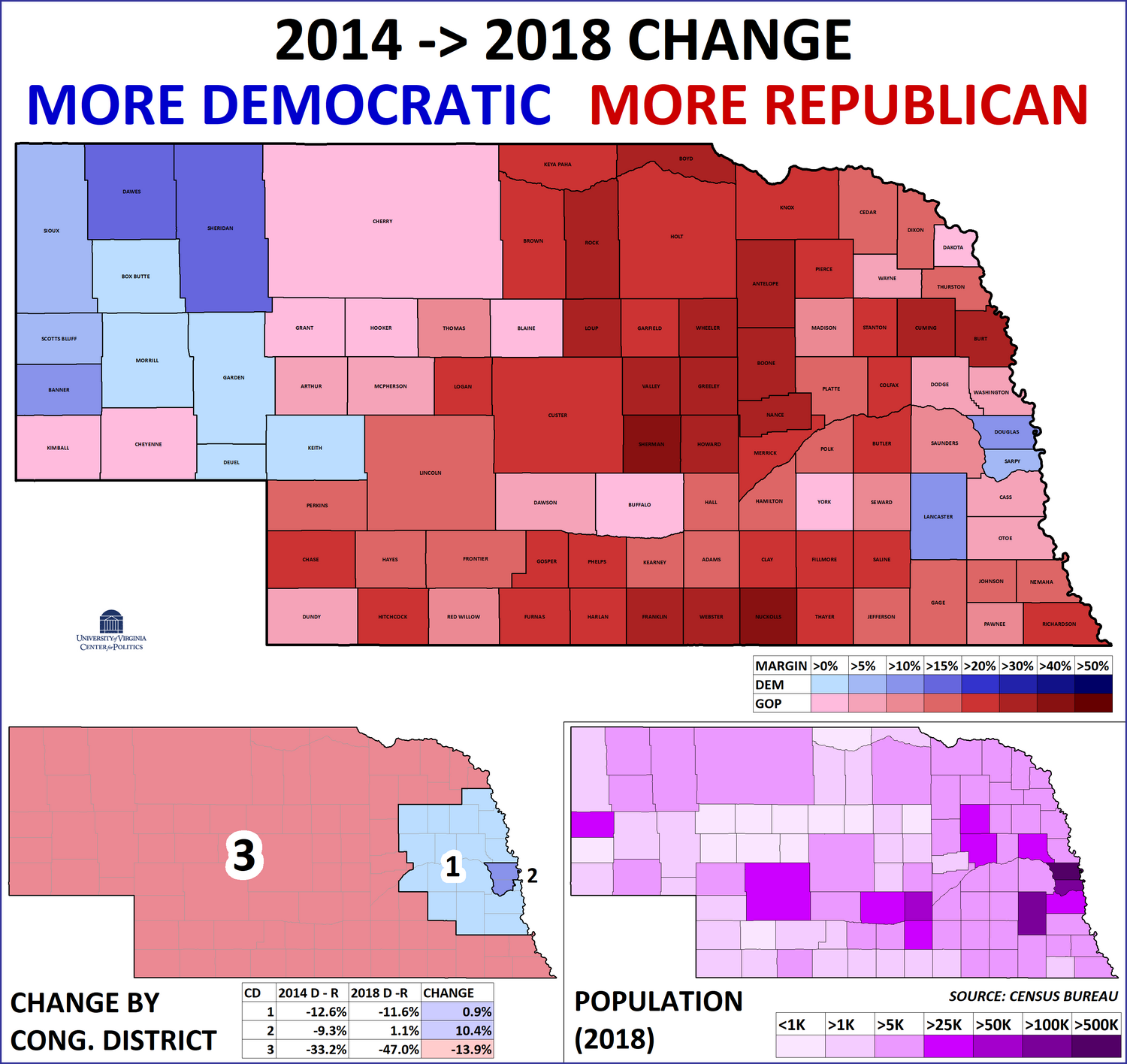
Nebraska‘s three congressional districts are not just lines on a map; they represent distinct geographical areas, each with its own unique character, attractions, and the people who call them home. Understanding these distinctions can greatly enhance a traveler’s experience, offering a deeper insight into the state’s diverse offerings.
The First District: Urban Hubs and Agricultural Heartlands
The First District, typically encompassing eastern Nebraska, is often the most populous and diverse. It includes the state capital, Lincoln, a vibrant city known for its cultural institutions, educational hubs, and burgeoning tech scene. Lincoln offers a range of attractions, from the impressive Nebraska State Capitol Building to the Henry Doorly Zoo and Aquarium (though geographically it might straddle districts, its influence is felt throughout the region). Beyond the urban centers, the First District stretches into prime agricultural land, showcasing the quintessential Nebraska landscape of rolling fields and prosperous farms.
For travelers, this district provides a blend of city life and rural charm. Visitors can explore the historic downtown areas of Lincoln, enjoy a symphony performance, or delve into the rich history at the Nebraska History Museum. The agricultural regions offer opportunities to visit local farmers’ markets, sample fresh produce, and experience the pride that Nebraskans have in their agricultural heritage. This district is a gateway to understanding both the modern, dynamic aspects of Nebraska and its deep-rooted connection to the land. The infrastructure here also tends to be well-developed, with a good selection of hotels, from business-friendly accommodations in Lincoln to charming bed and breakfasts in smaller towns.
The Second District: Omaha’s Metropolitan Pulse
The Second District is almost synonymous with Omaha, Nebraska‘s largest city. This bustling metropolitan area is a hub of commerce, culture, and entertainment. Omaha is renowned for its world-class Henry Doorly Zoo and Aquarium, consistently ranked among the best in the nation. The historic Old Market district offers cobblestone streets, unique shops, art galleries, and a vibrant dining scene, making it a prime destination for tourists. The city also boasts a thriving culinary landscape, from steakhouses to ethnic eateries, reflecting its diverse population.
For those interested in business stays or luxury travel, Omaha offers a wide array of upscale hotels and resorts, catering to every need. The entertainment options are plentiful, including professional sports teams, live music venues, and a thriving arts community. The Second District allows visitors to experience the economic engine of Nebraska and its sophisticated urban offerings. Exploring the neighborhoods of Omaha can reveal a surprising diversity of architecture and lifestyle, from historic districts to modern developments. The proximity to the Missouri River also adds a natural element to this otherwise urban landscape, with opportunities for riverside walks and scenic views.
The Third District: The Vast Prairies and Western Frontier Spirit
The Third District encompasses the vast western and central portions of Nebraska, a region characterized by wide-open spaces, rugged beauty, and a strong sense of frontier spirit. This district is less densely populated, offering a more tranquil and introspective travel experience. Here, visitors can explore the unique geological formations of the Chimney Rock National Historic Site, a prominent landmark that served as a crucial guidepost for pioneers traveling westward on the Oregon Trail. The Sandhills, a vast area of rolling sand dunes and prairie grasses, offer unparalleled opportunities for outdoor recreation, including hunting, fishing, and scenic drives.
Towns in the Third District are often smaller, with a strong community feel. Visitors can experience authentic Nebraska hospitality in charming local diners and Western-themed accommodations. This is the place to truly appreciate the vastness of the American West, to witness breathtaking sunsets over endless horizons, and to connect with the natural landscapes that have shaped Nebraska‘s identity. For history buffs, the numerous small museums and historical markers tell the stories of early settlers, ranchers, and the Native American tribes who first inhabited this land. It’s a lifestyle that embraces simplicity, nature, and the enduring legacy of the frontier. Finding unique, long-term stay options might be more challenging here, but the reward is an immersive experience in authentic rural America.
Life and Lifestyle Across the Districts
The division into three districts also subtly shapes the lifestyles and daily experiences of Nebraskans, and by extension, influences the types of travel experiences available within each region.
Urban Dynamics vs. Rural Serenity
The contrast between the urban energy of the First and Second Districts and the rural tranquility of the Third District is profound. In Lincoln and Omaha, life moves at a faster pace. There’s a greater concentration of cultural events, dining establishments, and retail opportunities. Business travel and luxury stays are more prevalent, with a wider selection of world-class hotels and resorts. The lifestyle here often revolves around career, education, and a dynamic social scene.
Conversely, the Third District offers a slower, more deliberate rhythm of life. Here, the focus is often on community, family, and the land. Outdoor activities, ranching, and agricultural pursuits define the local culture. Budget travel can be particularly rewarding, with affordable accommodations and opportunities to experience authentic local life. Long-term stays might involve renting a cabin in the Sandhills or a charming farmhouse, offering a true immersion into the rural lifestyle. This divergence in lifestyle is a direct consequence of population density and the economic drivers prevalent in each district.
Tourism and Accommodation Trends
The distinct characteristics of each district also influence tourism and accommodation trends. The First and Second Districts attract a broader range of tourists, from business travelers to families seeking urban entertainment. This leads to a wider variety of hotels, including convention centers, boutique hotels, and major chain establishments. The focus is often on convenience, amenities, and proximity to attractions.
In the Third District, tourism often appeals to those seeking nature-based experiences, historical exploration, and a taste of authentic rural living. Accommodations might lean more towards rustic cabins, campgrounds, and family-run motels. The emphasis is on disconnecting from the urban hustle and reconnecting with nature and history. Finding luxury resorts here is rare, but the charm of simpler lodging options offers a different kind of indulgence. The types of activities available, from visiting historical landmarks to engaging in outdoor adventures, are shaped by the natural environment and the historical narratives of the region.

Local Culture and Experiences
Each district cultivates its own unique local culture. The First District, with its universities and state government, fosters a culture of intellectual curiosity and civic engagement. The Second District, being the economic powerhouse, is a melting pot of diverse communities and influences, reflected in its culinary scene and vibrant arts. The Third District embodies the spirit of the American West, with a culture deeply rooted in self-reliance, hospitality, and a profound respect for nature.
For travelers, this means that experiencing Nebraska involves more than just seeing the sights; it’s about immersing oneself in the local way of life. Whether it’s attending a university event in Lincoln, exploring the jazz clubs of Omaha, or sharing stories with a rancher in western Nebraska, these district-specific cultural nuances offer a rich and rewarding travel experience. Understanding why Nebraska has three districts, therefore, isn’t just about political geography; it’s about appreciating the diverse tapestry of life and landscape that defines this fascinating state.
LifeOutOfTheBox is a participant in the Amazon Services LLC Associates Program, an affiliate advertising program designed to provide a means for sites to earn advertising fees by advertising and linking to Amazon.com. Amazon, the Amazon logo, AmazonSupply, and the AmazonSupply logo are trademarks of Amazon.com, Inc. or its affiliates. As an Amazon Associate we earn affiliate commissions from qualifying purchases.