
Planning a trip to the Silver State can be an exciting endeavor, brimming with glittering casinos, vast desert landscapes, and the allure of the American Southwest. Whether you’re drawn to the vibrant energy of Las Vegas, the historic charm of Reno, or the serene beauty of Lake Tahoe, understanding the practicalities of your visit is key to a seamless experience. One such practical consideration, often overlooked until it impacts your itinerary, is the observance of Daylight Saving Time. This article delves into whether Nevada embraces this seasonal clock adjustment and what it means for travelers looking to explore its diverse attractions, book accommodations, and immerse themselves in the local lifestyle.
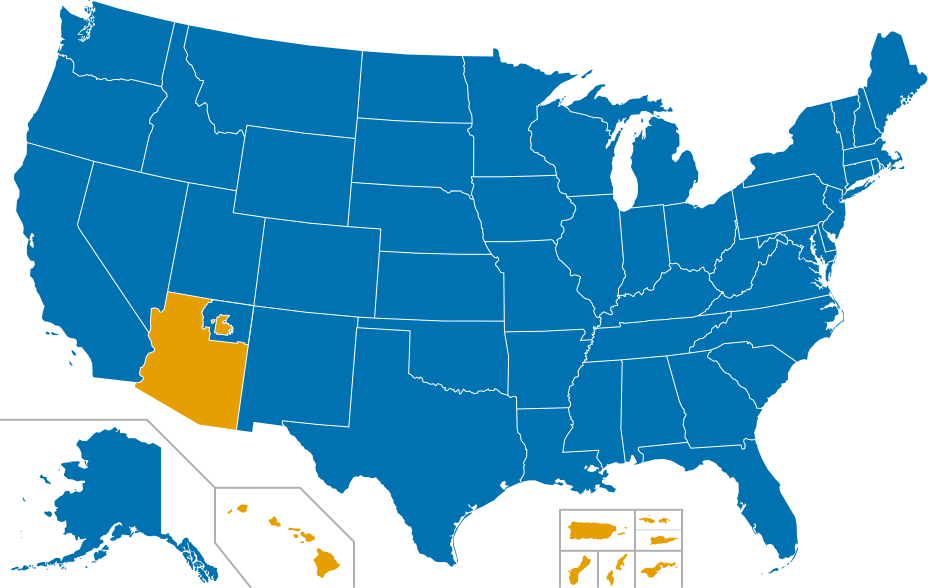
Daylight Saving Time (DST), a practice observed in many parts of the world to maximize daylight hours during warmer months, has a somewhat complex history and varied implementation across different regions. For travelers, particularly those crossing state or time zone boundaries, knowing when clocks will shift is crucial for aligning flights, reservations, and sightseeing plans. This is especially true in a state like Nevada, which offers a spectrum of experiences from bustling urban centers to remote natural wonders.
The Pulse of Time: Nevada and Daylight Saving
The simple answer to “Does Nevada do Daylight Saving?” is yes, for the most part. Nevada observes Daylight Saving Time, aligning with the federal Uniform Time Act of 1966, which established a system for states to adopt DST. This means that for the majority of the year, clocks in Nevada are set forward by one hour.
The official start of Daylight Saving Time in the United States is the second Sunday in March, when clocks “spring forward” at 2:00 AM local time. Conversely, the end of DST, known as Standard Time, occurs on the first Sunday in November, when clocks “fall back” an hour at 2:00 AM. This biannual time change affects nearly all of Nevada, impacting its major cities and tourist hubs.
However, it’s important to note a subtle nuance. While the Nevada legislature has the authority to opt out of DST, and some states have done so, the state currently abides by the practice. This means that whether you’re staying at a luxurious resort on the Las Vegas Strip, exploring the historic Hoover Dam, or enjoying the natural beauty of Valley of Fire State Park, your watch will likely be synchronized with the rest of the country during DST months. This uniformity simplifies travel planning for those arriving from other DST-observing states, such as California or Arizona, although it’s always wise to confirm your departure point’s timekeeping.
The Impact on Travelers: From Arrival to Exploration
The observance of Daylight Saving Time has several practical implications for visitors to Nevada, influencing everything from flight schedules to the timing of outdoor activities. Understanding these shifts can help you optimize your travel experience and avoid any unexpected confusion.
Scheduling and Logistics
For travelers flying into Nevada, particularly into major airports like McCarran International Airport (now Harry Reid International Airport) in Las Vegas or Reno-Tahoe International Airport, flight times will be adjusted accordingly. Airlines operate on the official time, so if you book a flight that departs during a DST period, the arrival time will reflect the one-hour difference. This means that a flight leaving Los Angeles at 10:00 AM PST (Pacific Standard Time) during Standard Time would arrive in Las Vegas at 12:00 PM PST. However, during DST, when Nevada observes PDT (Pacific Daylight Time), that same flight would arrive at 1:00 PM PDT, effectively still being a two-hour difference in clock time from the departure point. It’s always recommended to double-check your booking details and confirm arrival and departure times with your airline.
Furthermore, any pre-booked tours, dinner reservations, or show tickets will be scheduled according to the current time in Nevada. If you’re arriving on a day when the clocks are set to change, be mindful of the transition. For instance, if your flight lands just before the clocks change from Standard Time to Daylight Time, your rental car pickup or hotel check-in might be affected by the official time shift. Most hotels and tour operators are well-versed in these changes and will have systems in place to manage them, but a quick confirmation doesn’t hurt.
Embracing the Extended Daylight: Outdoor Adventures
The most noticeable impact of Daylight Saving Time for many travelers is the extension of daylight hours. During the spring and summer months, when DST is in effect, the sun sets later, offering more opportunities for outdoor exploration and evening activities. This is particularly beneficial for those visiting Nevada’s stunning natural attractions.
Imagine taking a scenic drive through Red Rock Canyon National Conservation Area and having extra time to hike its trails as the sun begins to dip below the horizon, casting a warm glow on the sandstone formations. Or perhaps you’re keen on exploring the shores of Lake Mead or enjoying watersports on Lake Tahoe. The longer daylight hours mean you can extend your beach time, embark on a leisurely boat trip, or simply soak in the panoramic views without feeling rushed by the setting sun.
For those interested in the iconic Las Vegas Strip, the extended daylight allows for more time to explore the city’s attractions before the dazzling neon lights truly come alive after dark. You can spend your afternoons by the pool at a luxurious resort like The Venetian or Bellagio, stroll through themed casinos, or visit landmarks such as the Eiffel Tower Experience at Paris Las Vegas, with plenty of light to capture memorable photos.
Evenings in Nevada can be quite pleasant during the warmer months, and with DST, you can enjoy outdoor dining, explore the vibrant nightlife, or attend outdoor concerts and events well into the evening. This added flexibility can significantly enhance your travel experience, allowing for a more relaxed and fulfilling itinerary.
Accommodation and Lifestyle: Finding Your Perfect Stay in Nevada
When it comes to finding the ideal place to stay in Nevada, the state offers an unparalleled range of options, catering to every budget and travel style. From lavish suites in world-renowned resorts to cozy apartments for longer stays, the availability and booking processes are generally straightforward, though keeping DST in mind can be a minor but helpful detail.

Booking and Amenities
Whether you’re looking to book a room at the iconic Caesars Palace in Las Vegas, a charming boutique hotel in Reno, or a secluded villa near Lake Tahoe, the booking process through platforms like Booking.com or directly with hotel chains is usually seamless. Most booking engines automatically adjust for local time zones and DST, displaying times in the local time of the property. However, if you are making international bookings or dealing with specific time-sensitive packages, it’s always a good practice to verify the time zone indicated for your reservation.
The amenities offered in Nevada’s accommodations are as diverse as the state itself. Resorts often boast elaborate pool complexes, world-class dining, spas, and entertainment options, while apartments and vacation villas can provide a more independent and private experience, often ideal for family trips or long-term stays. The decision between a full-service resort and a self-catering accommodation can significantly shape your lifestyle during your visit, influencing whether you opt for a luxury travel experience or a more budget-conscious approach.
Navigating Different Lifestyles and Travel Types
Nevada truly offers something for every kind of traveler. For those seeking a high-octane luxury travel experience, Las Vegas presents an endless array of opulent suites, Michelin-starred restaurants, and exclusive entertainment. Here, the glitz and glamour are amplified by the extended daylight, allowing for more time to enjoy the outdoor attractions of the Strip before diving into the legendary nightlife.
On the other hand, for families planning a trip, Nevada provides numerous kid-friendly attractions. Theme park-style pools at resorts, interactive museums in Las Vegas and Reno, and the natural wonders of places like Red Rock Canyon offer engaging experiences for all ages. The extended daylight during DST can be a boon for keeping younger travelers entertained outdoors before dinner.
Budget travelers will find that Nevada, particularly outside of the peak seasons in Las Vegas, can be surprisingly affordable. Motels, budget-friendly hotels, and even camping in the state’s numerous parks offer economical ways to explore. Understanding DST can help in planning affordable road trips, ensuring you maximize your daylight hours for sightseeing without incurring extra accommodation costs for late-night travel.
Business travelers can also find excellent accommodation options, with many hotels offering business centers, meeting rooms, and convenient access to convention centers. The ease of travel due to predictable time shifts simplifies scheduling meetings and conferences, ensuring professional commitments are met without a hitch.
Beyond the Clock: Exploring Nevada’s Enduring Attractions
While understanding Daylight Saving Time is a practical necessity for planning your trip to Nevada, the true magic of the state lies in its diverse and captivating attractions that remain captivating regardless of the hour on the clock. From iconic landmarks to hidden gems, Nevada offers an unforgettable travel experience.
Iconic Landmarks and Natural Wonders
No visit to Nevada would be complete without experiencing the engineering marvel that is the Hoover Dam. This colossal structure, straddling the border between Nevada and Arizona, offers impressive tours and a glimpse into a monumental feat of human ingenuity. The sheer scale of the dam is awe-inspiring, and understanding its construction and impact provides a rich historical perspective.
For nature enthusiasts, Valley of Fire State Park is a must-see. Known for its vibrant red Aztec sandstone formations, the park offers stunning vistas, hiking trails, and opportunities for photography that are particularly magical during the golden hours of sunrise and sunset, which are extended during DST. Similarly, the expansive beauty of Lake Mead National Recreation Area provides opportunities for boating, swimming, and exploring the desert landscape.
And of course, there’s the unparalleled allure of Las Vegas. Beyond the casinos and nightlife, the city boasts unique attractions like the Neon Museum, showcasing the history of Las Vegas‘s iconic signage, and the Mob Museum, offering a fascinating deep dive into the city’s past. For those seeking a more relaxed pace, a trip to Reno, the “Biggest Little City in the World,” offers a blend of gaming, arts, and a vibrant downtown scene, with the nearby National Automobile Museum being a significant draw for car enthusiasts.
Cultural Immersion and Local Experiences
Nevada’s appeal extends beyond its well-known attractions. Delving into the local culture can enrich your travel experience immeasurably. Explore the historic mining towns of the Old West, such as Virginia City, where you can step back in time and imagine life during the silver rush. These towns offer a tangible connection to Nevada’s pioneering past and provide a stark contrast to the modern-day glitz of Las Vegas.
Food lovers will find a burgeoning culinary scene across the state. From the diverse international cuisine in Las Vegas to the farm-to-table restaurants in Reno, Nevada offers a delicious journey for your palate. Don’t forget to sample local specialties and enjoy the unique flavors that the state has to offer.
When planning your itinerary, consider how the extended daylight hours during Daylight Saving Time can enhance your exploration of these cultural and natural treasures. A late afternoon hike in Red Rock Canyon followed by an early evening dinner in a historic downtown district in Reno becomes a more feasible and enjoyable prospect.
In conclusion, Nevada does indeed observe Daylight Saving Time, with clocks springing forward in March and falling back in November. This predictable shift in time is an integral part of the state’s rhythm and can be a helpful factor in planning your visit. By understanding these seasonal time changes, you can better schedule your flights, book your accommodations, and make the most of the extended daylight hours for exploring Nevada‘s incredible array of attractions, ensuring a smooth, enjoyable, and memorable adventure in the Silver State.
LifeOutOfTheBox is a participant in the Amazon Services LLC Associates Program, an affiliate advertising program designed to provide a means for sites to earn advertising fees by advertising and linking to Amazon.com. Amazon, the Amazon logo, AmazonSupply, and the AmazonSupply logo are trademarks of Amazon.com, Inc. or its affiliates. As an Amazon Associate we earn affiliate commissions from qualifying purchases.