
Navigating the process of filing for unemployment benefits can seem daunting, especially during challenging economic times. This guide aims to demystify the procedure for residents of Nevada, providing clear, actionable steps and important information to help you secure the support you need. While our primary focus often lies in the exciting world of travel, from exploring the dazzling lights of the Las Vegas Strip to the serene beauty of Lake Tahoe, understanding essential state services like unemployment insurance is a crucial aspect of responsible lifestyle planning and ensuring financial stability, allowing you to confidently plan your future adventures.
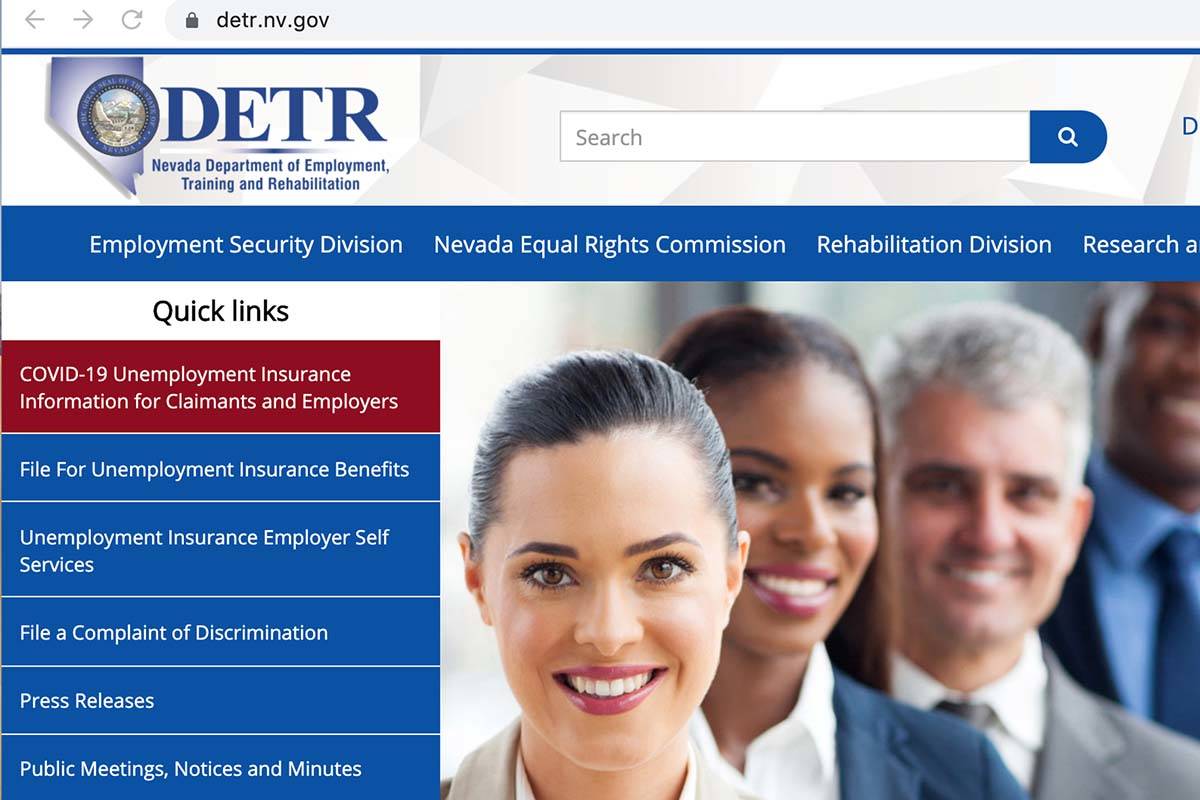
The Nevada Department of Employment, Training and Rehabilitation (DETR) oversees unemployment insurance claims in the state. Their dedicated team works to ensure that eligible individuals receive timely assistance when facing job loss. This process is designed to provide a safety net, enabling you to focus on your next career move or personal pursuits without the immediate pressure of financial insecurity. Whether you’re a seasoned traveler looking for your next getaway or a local resident navigating a career transition, understanding how to access these benefits is fundamental.
Understanding Unemployment Insurance in Nevada
Unemployment insurance in Nevada is a program funded by employers to provide temporary financial assistance to workers who have lost their jobs through no fault of their own. This means that if you were laid off, experienced a reduction in hours, or your employer closed down, you may be eligible. It’s designed to offer a bridge while you search for new employment, helping to cover essential living expenses. This financial cushion can be invaluable, whether you’re planning a short-term stay in a charming Las Vegas apartment or considering a longer-term accommodation as you re-establish yourself in the workforce.
Eligibility Requirements
To be eligible for unemployment benefits in Nevada, several key criteria must be met. Primarily, you must have lost your job through no fault of your own. This generally includes situations like mass layoffs, business closures, or if your position was eliminated. If you voluntarily quit your job without good cause or were fired for misconduct, you may not qualify.
Furthermore, you must meet specific monetary and work search requirements. To establish a valid claim, you must have earned a minimum amount of wages during your “base period,” which is a defined 12-month period prior to your unemployment. The Nevada DETR uses these earnings to calculate the amount of your weekly benefit. You will also be required to actively search for suitable work each week you claim benefits. This involves registering with the state’s job service, applying for jobs, attending interviews, and reporting your job search activities. The DETR may provide resources and assistance for your job search, which can be incredibly helpful when you’re looking to re-enter the job market. This active participation is a crucial component of receiving ongoing benefits, ensuring you are diligently seeking new employment opportunities.
Types of Unemployment Benefits
Nevada offers several types of unemployment benefits, depending on your specific situation. The most common is the regular unemployment insurance. This benefit is available to those who have lost their jobs and meet the eligibility criteria previously mentioned. The duration and amount of these benefits are determined by your past earnings and the state’s regulations.
In certain economic circumstances, the federal government may also provide additional unemployment assistance programs, such as Pandemic Emergency Unemployment Compensation (PEUC) or Supplemental Unemployment Benefits. These programs were particularly relevant during widespread economic disruptions and aim to extend benefits for individuals who have exhausted their regular state benefits. It’s essential to stay informed about any such federal initiatives, as they can provide vital additional support. The Nevada DETR website will be the primary source for information regarding these extended programs and how to apply for them if they are active.
The Filing Process: Step-by-Step
Filing for unemployment benefits in Nevada is primarily an online process, designed for efficiency and accessibility. It’s crucial to gather all necessary information before you begin to ensure a smooth and accurate application. This proactive approach can save you time and prevent potential delays in processing your claim. Think of it as preparing for a trip – having your itinerary and documents ready makes the journey much more pleasant.
Gathering Necessary Information
Before you start your application, ensure you have the following information readily available:
- Your Social Security Number: This is a fundamental requirement for all government benefit applications.
- Your Nevada Driver’s License or State ID Number: This helps verify your identity and residency.
- Your Mailing Address and Phone Number: For communication and correspondence from the DETR.
- Your Employment History: This includes the names, addresses, and phone numbers of all employers you’ve worked for in the last 18 months, along with your dates of employment, your reason for leaving each job, and your gross wages earned. Be prepared to provide details for each employer.
- Your Bank Account Information (for direct deposit): If you wish to receive your benefits via direct deposit, have your bank name, routing number, and account number ready. This is often the fastest way to receive your payments.
- Any Separation Notices or Documentation: If you received a termination letter or any documents related to your job separation, have them accessible.
Having all this information organized will make the online application process much quicker and less stressful. It ensures you can accurately report all required details without having to search for them midway through.
Submitting Your Initial Claim

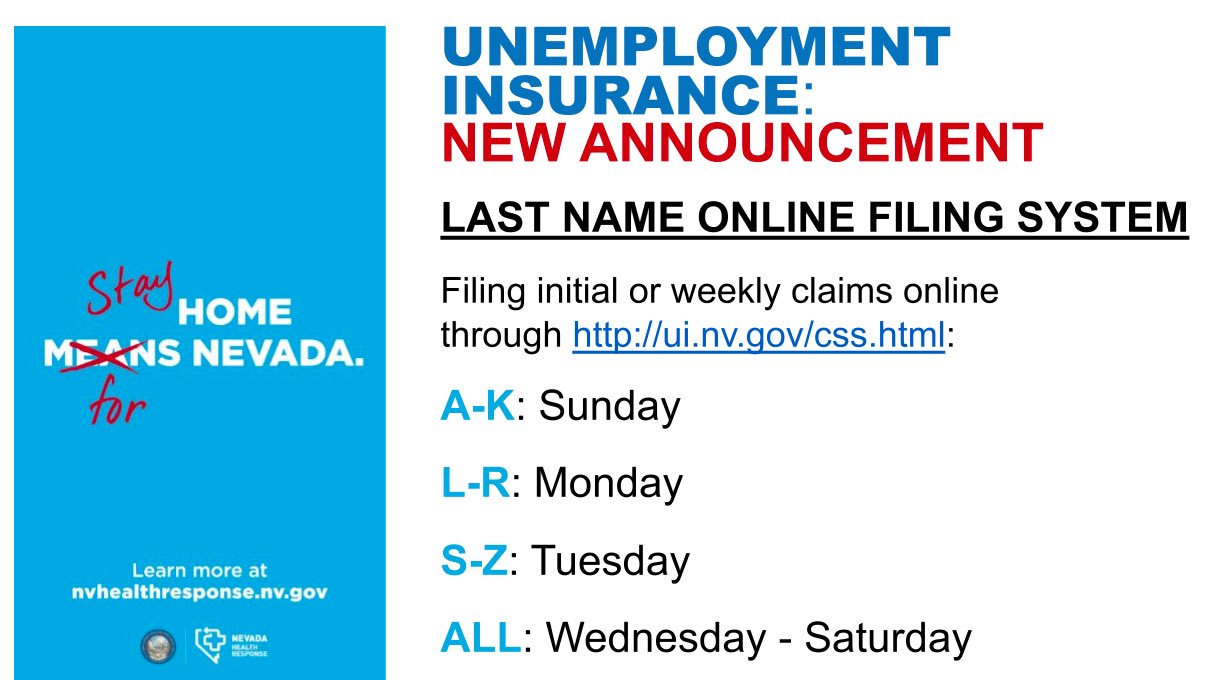
The primary method for filing an initial unemployment claim in Nevada is through the DETR’s online portal, called the Nevada Online Claims System. You can access this system through the official Nevada DETR website.
- Create an Account: If you haven’t used the system before, you will need to create a user account. Follow the on-screen prompts to register.
- Log In and Start Application: Once your account is set up, log in and select the option to file a new claim.
- Complete the Application: You will be guided through a series of questions about your personal information, work history, and the circumstances of your job separation. Answer all questions truthfully and accurately. Inaccurate information can lead to delays or denial of benefits.
- Review and Submit: Before submitting, carefully review all the information you have entered to catch any errors. Once you are satisfied, submit your application.
- Confirmation: After submission, you should receive a confirmation. It’s wise to print or save a copy of this confirmation for your records.
While online filing is the preferred and most efficient method, the DETR may offer alternative options for individuals who cannot access the internet or require assistance. Check the DETR website for details on phone filing or in-person assistance centers, though these might have longer wait times.
After Filing: What to Expect
Once your initial claim is submitted, the Nevada DETR will review your application. This process involves verifying your employment history and determining your eligibility based on the state’s laws. You will likely receive a Notice of Claim Filed and a Monetary Determination by mail, which outlines your potential weekly benefit amount and the maximum benefit amount you may receive. It’s crucial to read these documents carefully and understand the information provided.
You will also be required to certify for benefits weekly or bi-weekly. This means you must log into the Nevada Online Claims System and answer questions confirming that you were able and available for work, and that you actively searched for employment during the preceding week. Failure to certify will result in not receiving payment for that week.
It’s important to be aware that there is typically a one-week waiting period before you can begin receiving benefits. This means that even if you are approved, your first payment will be for the week after your initial waiting week.
Maintaining Your Claim and Job Search
Filing your initial claim is only the first step. To continue receiving unemployment benefits, you must actively participate in the job search process and meet ongoing certification requirements. This is a critical phase that ensures you are doing your part to return to the workforce.
Weekly Certifications and Job Search Requirements
As mentioned, you must certify for benefits each week you wish to receive payment. This is typically done through the Nevada Online Claims System. During this certification process, you will be asked about:
- Your Availability for Work: Confirm you were able to accept suitable work if offered.
- Your Efforts to Find Work: Report the work search activities you completed during the week. This may include applying for jobs, attending interviews, contacting potential employers, or participating in job training. Be prepared to provide details of these activities, as the DETR may request documentation or conduct audits.
- Any Earnings During the Week: If you earned any wages, even from part-time or temporary work, you must report them accurately. This will likely affect your weekly benefit amount, as Nevada has partial unemployment provisions where you can still receive benefits if your earnings are below a certain threshold.
- Any Refusal of Work: If you refused any job offers, you must disclose this and provide a valid reason.
The DETR may require you to register with EmployNV, the state’s official job matching service, and actively use its resources. They may also mandate participation in specific workshops or training programs designed to enhance your job search skills. Adhering to these requirements is non-negotiable for continued benefit eligibility.
Appealing a Decision
If your claim is denied, or if a decision is made that you disagree with, you have the right to appeal. The denial notice or decision letter from the DETR will provide information on how to file an appeal and the deadlines for doing so.
The appeal process typically involves:
- Filing an Appeal: You must submit a written appeal within the specified timeframe (usually 10 days from the date of the decision).
- Hearing: An impartial hearing officer will review your case. You will have the opportunity to present your side of the story, provide evidence, and call witnesses. The employer will also have an opportunity to present their case.
- Decision: The hearing officer will issue a decision based on the evidence presented.
It is crucial to gather all relevant documentation and be prepared to clearly articulate your case during the appeal process. Seeking advice from the DETR or an employment advocate might be beneficial if you are unsure about the appeal procedures.
In conclusion, while the process of filing for unemployment benefits in Nevada requires attention to detail and consistent effort in your job search, understanding these steps will empower you to navigate the system effectively. This crucial support can provide the stability needed to plan your next steps, whether that involves exploring new career paths or, when the time is right, planning your next unforgettable adventure, perhaps to the dazzling resorts of Reno or the historical charm of Virginia City. Remember, the Nevada DETR is there to assist eligible individuals, and by following these guidelines, you can maximize your chances of receiving the benefits you are entitled to.
LifeOutOfTheBox is a participant in the Amazon Services LLC Associates Program, an affiliate advertising program designed to provide a means for sites to earn advertising fees by advertising and linking to Amazon.com. Amazon, the Amazon logo, AmazonSupply, and the AmazonSupply logo are trademarks of Amazon.com, Inc. or its affiliates. As an Amazon Associate we earn affiliate commissions from qualifying purchases.