
Navigating the intricacies of car registration in a new state can often feel like deciphering a secret code, especially when you’re new to the area or planning an extended stay. For those considering a move to the Silver State or simply wondering about the financial implications of owning a vehicle in Nevada, understanding the costs associated with registration is a crucial piece of information. Whether you’re dreaming of a road trip through the vast desert landscapes, planning to explore the vibrant nightlife of Las Vegas, or seeking a more permanent residence near the majestic Lake Tahoe, your vehicle will likely be your gateway to experiencing all that Nevada has to offer. This guide aims to demystify the process and provide a clear picture of how much you can expect to pay for car registration in Nevada.
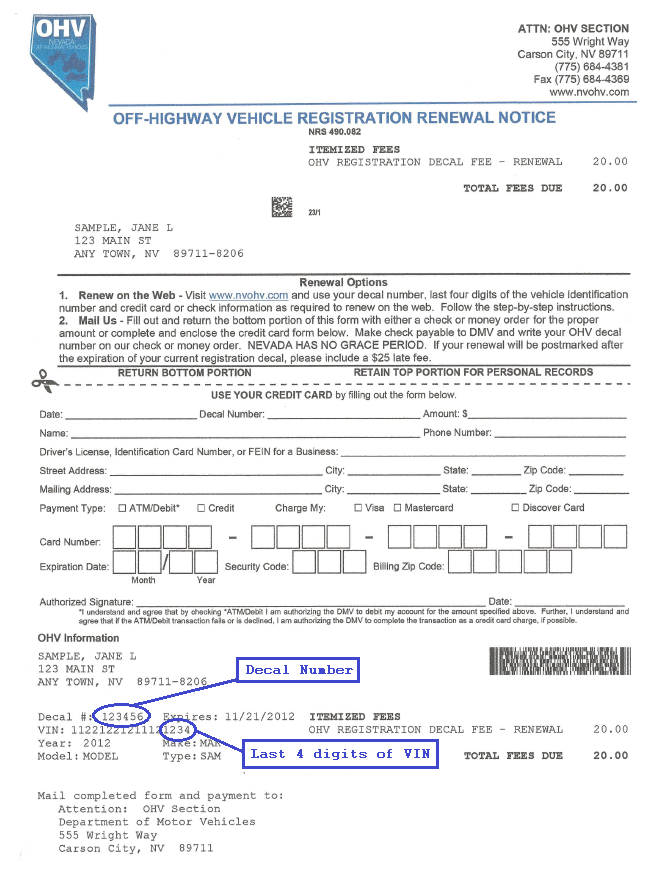
The cost of registering a vehicle in Nevada isn’t a one-size-fits-all figure. It’s a dynamic calculation influenced by several key factors, including the type of vehicle, its age, its value, and where you reside within the state. The primary governing body for vehicle registration is the Nevada Department of Motor Vehicles (DMV), and their fee structure is designed to reflect these variables.
Understanding the Factors Influencing Nevada Car Registration Costs
The Nevada DMV employs a multi-faceted approach to determine registration fees, ensuring that the costs are distributed in a way that considers vehicle specifics and usage. This tiered system helps to allocate resources effectively and contributes to the state’s infrastructure and services.
Vehicle Type and Weight
One of the most significant determinants of your registration cost is the type of vehicle you own. Generally, larger and heavier vehicles incur higher registration fees. This is a common practice across many states, as heavier vehicles can place a greater strain on road infrastructure.
- Passenger Cars: Standard sedans, coupes, and hatchbacks typically fall into the lower to moderate cost brackets.
- SUVs and Trucks: Larger sport utility vehicles and pickup trucks, especially those with higher gross vehicle weight ratings (GVWR), will generally have higher registration fees than smaller passenger cars.
- Motorcycles: Motorcycles usually have their own fee schedule, often being less expensive than cars and trucks.
- Recreational Vehicles (RVs): Larger RVs and motorhomes often have specific fee structures, which can be considerably higher due to their size and potential for extensive travel.
- Commercial Vehicles: Vehicles used for business purposes, such as delivery vans, trucks, and fleet vehicles, are subject to different fee calculations, which can be more complex and often higher.
The weight of your vehicle plays a direct role in these calculations. The Nevada DMV typically uses the GVWR to categorize vehicles for fee purposes. You can usually find the GVWR on a sticker located on the driver’s side doorjamb or in your vehicle’s owner’s manual.
Vehicle Age and Depreciation
Nevada also factors in the age and depreciation of your vehicle when calculating registration fees. Newer, more valuable vehicles tend to have higher registration costs, which gradually decrease as the vehicle ages. This is often referred to as an “ad valorem” tax component, meaning the fee is based on the value of the vehicle.
- Newer Vehicles: Vehicles typically within their first few years of ownership will have the highest fees due to their higher market value.
- Mid-Age Vehicles: As vehicles age, their value depreciates, and consequently, their registration fees will typically decrease.
- Older Vehicles: Very old vehicles, which have depreciated significantly, may have the lowest registration fees, though other factors can still influence the final cost.
The Nevada DMV uses a depreciation schedule to determine the current taxable value of your vehicle. This schedule is generally designed to reflect the typical market depreciation of vehicles over time.
Location Within Nevada
While the core registration fee might be state-wide, certain local or county-specific fees can influence the total amount you pay. These fees can vary depending on your county of residence. For instance, areas with higher population density or greater demands on local road maintenance might have slightly different surcharges.
- Metropolitan Areas: Counties like Clark County (home to Las Vegas and Henderson) and Washoe County (home to Reno and Sparks) might have slightly different fee structures or surcharges compared to more rural counties. These can be influenced by local infrastructure projects or specific county-level services.
- Rural Areas: Residents in less populated areas might find their registration costs to be slightly lower, though this is not always the case and depends on the specific county’s fee policies.
It’s always advisable to check with your local Nevada DMV office or their website for the most accurate fee information pertaining to your specific county.
Other Potential Fees and Taxes
Beyond the basic registration fee, several other components can contribute to the overall cost of getting your vehicle legally registered in Nevada.
- Title Fee: There’s a one-time fee for obtaining a vehicle title when you first register a vehicle in the state or transfer ownership.
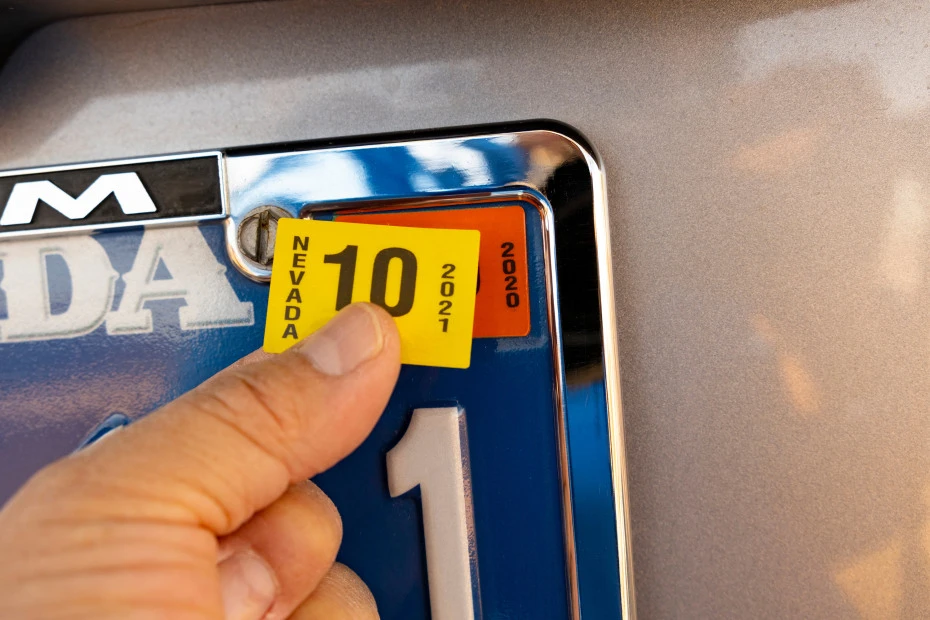
- License Plate Fee: A standard fee is associated with issuing license plates. Specialty plates, such as personalized plates or plates supporting various causes, may incur additional costs.
- Vehicle Transfer Fee: If you’re transferring ownership of a vehicle, a transfer fee will apply.
- Late Fees: Failing to renew your registration on time will result in late fees, which can accrue quickly. It’s crucial to stay on top of your renewal dates.
- Emissions Testing Fees (where applicable): Nevada has specific requirements for emissions testing. While not all counties require it, certain areas, particularly those with stricter air quality regulations like parts of Clark County and Washoe County, mandate that vehicles undergo emissions testing. The cost of this test is separate from registration fees. You’ll need a passing certificate from an authorized emissions testing station before you can complete your registration renewal.
- Sales Tax (on vehicle purchase): While not a registration fee, it’s important to remember that you’ll pay Nevada sales tax on the purchase price of any vehicle you buy, which can significantly add to the initial cost of vehicle ownership. The state sales tax rate varies by county, with additional local taxes often added.
Calculating Your Estimated Nevada Car Registration Cost
Given the array of factors, providing an exact figure for car registration in Nevada without specific vehicle details is impossible. However, we can outline the general process and provide approximate ranges.
The Registration Fee Structure
The Nevada DMV’s fee structure is largely based on the combined application of the weight fee and the depreciation fee.
- Weight Fee: This fee is determined by the GVWR of your vehicle, as mentioned earlier. The Nevada DMV provides tables that correlate GVWR with specific weight fees.
- Depreciation Fee: This fee is calculated based on the age of the vehicle and its original retail price (or an established value for used vehicles). The DMV uses a depreciation schedule to estimate the vehicle’s current value. For example, a vehicle might be assessed at 100% of its value in its first year, then progressively lower percentages in subsequent years.
- County/Local Fees: Add any applicable county or local surcharges.
- Other Fees: Include title, plate, and any other administrative fees.
Estimated Cost Ranges
To give you a general idea, here are some estimated ranges. Please note that these are approximations and can vary significantly:
- Small Passenger Cars (Older): You might expect to pay anywhere from $30 to $70 annually.
- Mid-Size Passenger Cars (Newer): Registration could range from $70 to $150 annually.
- SUVs and Light Trucks: Depending on size and age, costs could range from $70 to $200+ annually.
- Motorcycles: Fees are typically lower, perhaps in the range of $20 to $50 annually.
- Heavy-Duty Trucks and RVs: These can be considerably more expensive, potentially costing $150 to $500+ annually, or even more for very large vehicles.
Important Note: These are just general estimates. The most accurate way to determine your specific registration cost is to use the Nevada DMV’s online fee calculator or contact a local DMV office.
Steps to Register Your Vehicle in Nevada
Whether you’re a new resident or have recently purchased a vehicle in Nevada, you’ll need to go through the registration process.
For New Residents
If you’re moving to Nevada, you generally have 30 days from establishing residency to register your vehicle. You will need:
- Proof of Identity and Residency: Such as a Nevada driver’s license or ID card, and documents proving your residency (e.g., utility bills, lease agreements).
- Proof of Vehicle Ownership: This could be a title, MSO (Manufacturer’s Statement of Origin) for new vehicles, or a bill of sale.
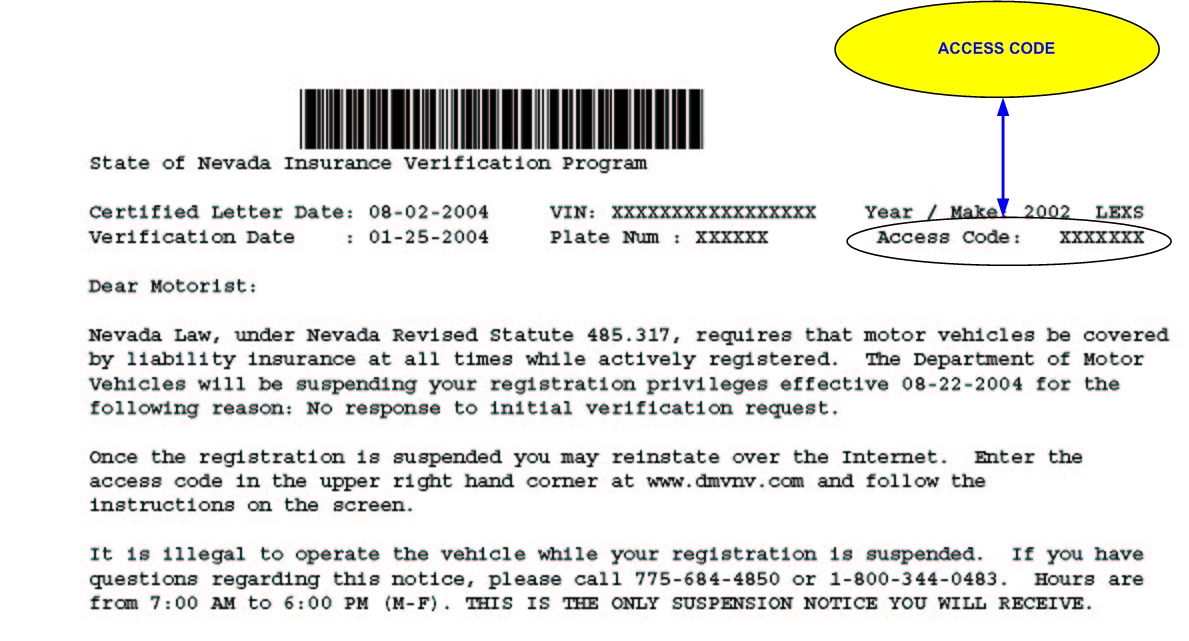
- Proof of Insurance: Nevada requires minimum liability insurance coverage. You’ll need an insurance card or policy declaration page.
- Emissions Certificate (if applicable): If you reside in Clark or Washoe County, you’ll need a recent passing emissions certificate.
- Vehicle Inspection: Nevada generally requires an out-of-state vehicle inspection for registration. This is to verify the Vehicle Identification Number (VIN).
- Completed Application: You’ll need to fill out the Application for Registration.
For Recently Purchased Vehicles
If you purchased a vehicle within Nevada, you’ll need to complete the registration process, which typically involves:
- Title and Bill of Sale: The seller will provide you with the vehicle title, which you’ll need to sign over. A bill of sale is also essential.
- Proof of Insurance: As with new residents, valid Nevada insurance is mandatory.
- Emissions Certificate (if applicable): If your vehicle is subject to emissions testing, you’ll need a passing certificate.
- Completed Application: Fill out the necessary forms.
You can visit any Nevada DMV office to complete the registration. Appointments are often recommended to minimize wait times.
Conclusion: Budgeting for Your Nevada Vehicle Registration
Understanding the costs associated with car registration in Nevada is an essential step for any vehicle owner in the state. The fees are designed to be fair, taking into account the type, age, and value of your vehicle, as well as any applicable local surcharges. While exact figures depend on your specific circumstances, this guide provides a comprehensive overview of the factors involved and the general process.
By considering the weight, age, and value of your vehicle, and being aware of potential additional fees like emissions testing, you can better budget for your annual Nevada car registration. Whether you’re cruising down the iconic Las Vegas Strip, exploring the natural beauty of the Great Basin National Park, or enjoying the serene shores of Lake Mead, proper vehicle registration ensures you can do so legally and without unexpected costs. Always refer to the official Nevada DMV website or contact a local office for the most up-to-date and personalized information regarding your vehicle registration fees.
LifeOutOfTheBox is a participant in the Amazon Services LLC Associates Program, an affiliate advertising program designed to provide a means for sites to earn advertising fees by advertising and linking to Amazon.com. Amazon, the Amazon logo, AmazonSupply, and the AmazonSupply logo are trademarks of Amazon.com, Inc. or its affiliates. As an Amazon Associate we earn affiliate commissions from qualifying purchases.