
The vast, arid expanse of Nevada is a tapestry woven with diverse landscapes, from the shimmering allure of Las Vegas to the stark beauty of its desert plains and the rugged peaks of its mountain ranges. For travelers drawn to the Silver State, understanding the land beneath their feet can add a rich layer to their experience, particularly when it comes to the significant presence of federal land. This extensive stewardship shapes not only the natural environment but also the opportunities for exploration, recreation, and the very essence of Nevada’s unique appeal.
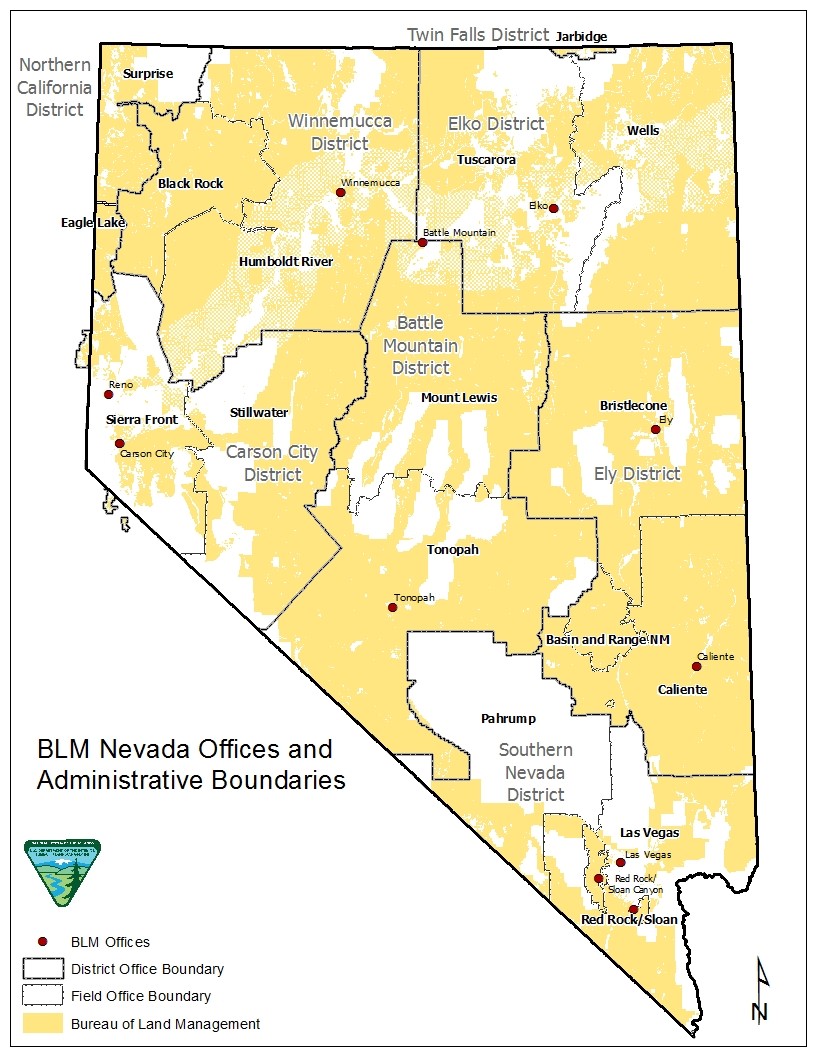
For those planning a trip to Nevada, whether it’s for an exhilarating adventure in its national parks, a luxurious stay at a world-class resort, or an immersive dive into its local culture, a grasp of federal land ownership is surprisingly relevant. This ownership dictates where you can hike, camp, hunt, or simply admire the untamed wilderness. It influences the preservation of historical sites and the availability of undeveloped areas that offer a true escape from the hustle and bustle of modern life.
Understanding Federal Land Ownership in Nevada
The question of “How Much Of Nevada Is Federal Land?” is not merely an academic one for statistics enthusiasts; it directly impacts the travel experiences available to visitors and the lifestyle choices of residents. The sheer scale of federal ownership in Nevada is a defining characteristic of the state, influencing everything from its economy to its ecological footprint. Understanding this dynamic provides crucial context for appreciating the natural wonders and recreational pursuits that draw so many to this captivating Western state.
The Magnitude of Federal Holdings
Nevada stands out among its fellow United States states for the proportion of its land managed by federal agencies. This isn’t by accident but rather a result of historical land policies, the vastness of the public domain, and the designation of certain areas for specific purposes. When you consider the iconic destinations within Nevada, from the dramatic landscapes of Great Basin National Park to the vast, unpopulated stretches of the Mojave National Preserve, it becomes clear that a significant portion of what makes the state so compelling is, in fact, federally owned and managed.
The primary federal entities holding land in Nevada are the Bureau of Land Management (BLM), the U.S. Forest Service (USFS), the National Park Service (NPS), and the U.S. Fish and Wildlife Service (USFWS). Each of these agencies has a distinct mission, leading to a variety of land uses and visitor experiences across the state.
- The Bureau of Land Management manages the largest swaths of federal land, often characterized by desert basins, mountains, and rangelands. These areas are typically managed for multiple uses, including recreation, grazing, and resource development, while also emphasizing conservation.
- The U.S. Forest Service oversees national forests, which are generally mountainous and forested regions, offering opportunities for hiking, camping, and winter sports. Nevada’s national forests, though not as vast as those in some western states, provide vital ecological services and recreational havens.
- The National Park Service is responsible for protecting and preserving nationally significant sites, from historical landmarks to natural wonders. Nevada is home to several breathtaking national parks and monuments that are magnets for tourism.
- The U.S. Fish and Wildlife Service manages national wildlife refuges, focusing on habitat conservation for migratory birds and other wildlife, often offering opportunities for wildlife viewing and nature observation.
The percentage of Nevada that is federal land is remarkably high. Estimates consistently place this figure at around 80-85% of the state’s total acreage. This means that for every 100 acres of land in Nevada, roughly 80 to 85 of them are owned and managed by the federal government. This dominance of federal ownership has profound implications for how Nevada is perceived and experienced by travelers and locals alike. It means that much of the state’s natural beauty, its rugged wilderness, and its iconic landmarks are preserved for public enjoyment and ecological integrity.
Implications for Travel and Tourism
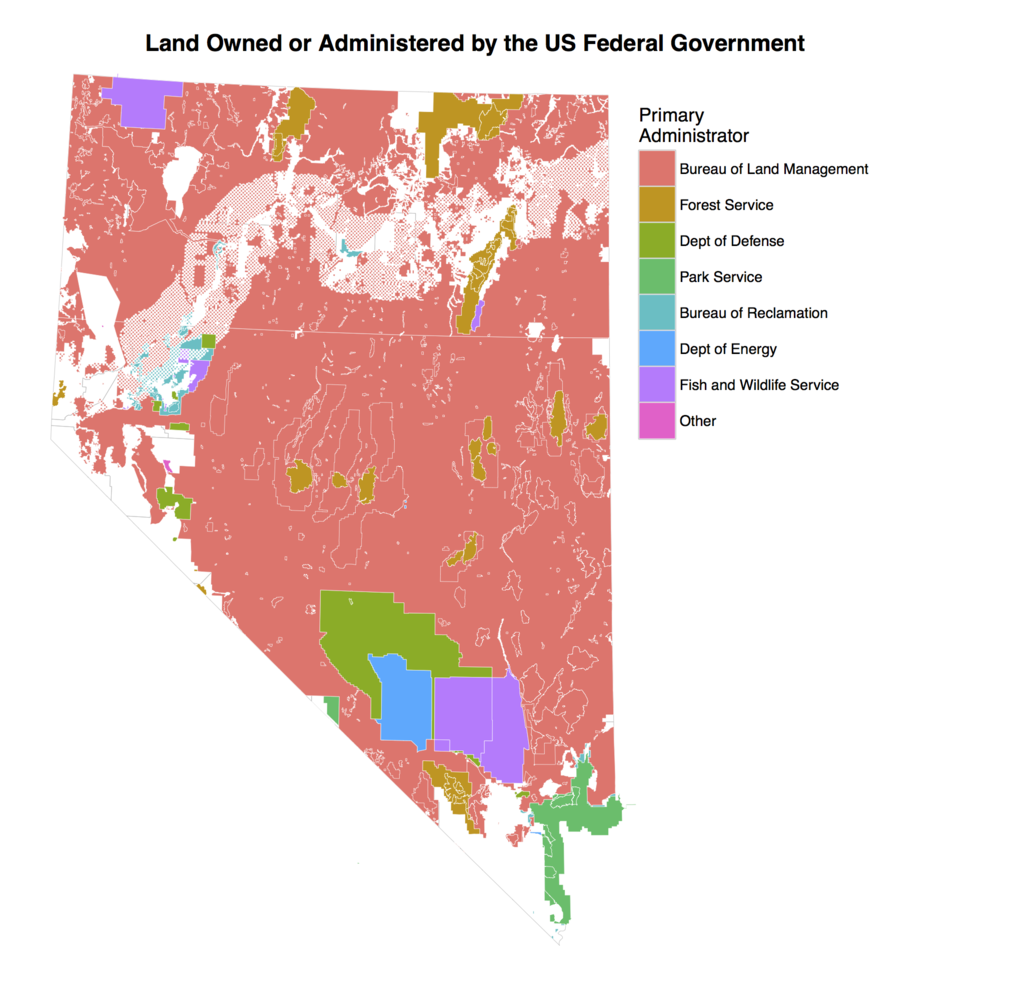
The extensive federal land ownership in Nevada directly shapes the travel and tourism landscape. For destinations like Las Vegas, the contrast between the developed urban environment and the vast, federally managed wilderness surrounding it is striking. Visitors can easily transition from the bright lights of the Strip to the serene beauty of places managed by the National Park Service or the Bureau of Land Management.
National Parks and Monuments: Nevada’s national parks and monuments are prime examples of federally managed lands that are major tourist attractions. Great Basin National Park, for instance, is a jewel in the NPS crown, protecting ancient bristlecone pines, alpine lakes, and the Lehman Caves. Its remote location and dark night skies make it a destination for stargazers and nature lovers seeking solitude. Other federally managed areas, such as Valley of Fire State Park (though state-owned, it’s surrounded by BLM land) and the Black Canyon of the Gunnison National Park (partially in Nevada), draw visitors for their unique geological formations and recreational opportunities.
Recreational Opportunities: The BLM and USFS lands provide an unparalleled playground for outdoor enthusiasts. These areas offer extensive opportunities for:
- Hiking and Backpacking: Trails wind through diverse terrains, from desert canyons to alpine forests, catering to all skill levels.
- Off-Roading (OHV): Designated areas allow for the thrill of exploring the rugged backcountry in ATVs and other vehicles.
- Camping: From primitive dispersed camping in remote wilderness areas to developed campgrounds with amenities, federal lands offer a variety of camping experiences.
- Hunting and Fishing: Many federal lands are managed to support wildlife populations, making them popular for hunting and fishing, adhering to strict regulations.
- Rock Climbing and Caving: The unique geological features of Nevada’s federal lands provide challenging routes for climbers and fascinating underground exploration.
Preservation and Conservation: A significant aspect of federal land management is preservation. These lands protect critical habitats for native species, safeguard historical and archaeological sites, and maintain the ecological health of the region. This commitment to conservation ensures that the natural beauty and cultural heritage of Nevada will be available for future generations to enjoy, contributing to the state’s appeal for eco-tourism and those interested in the natural world.
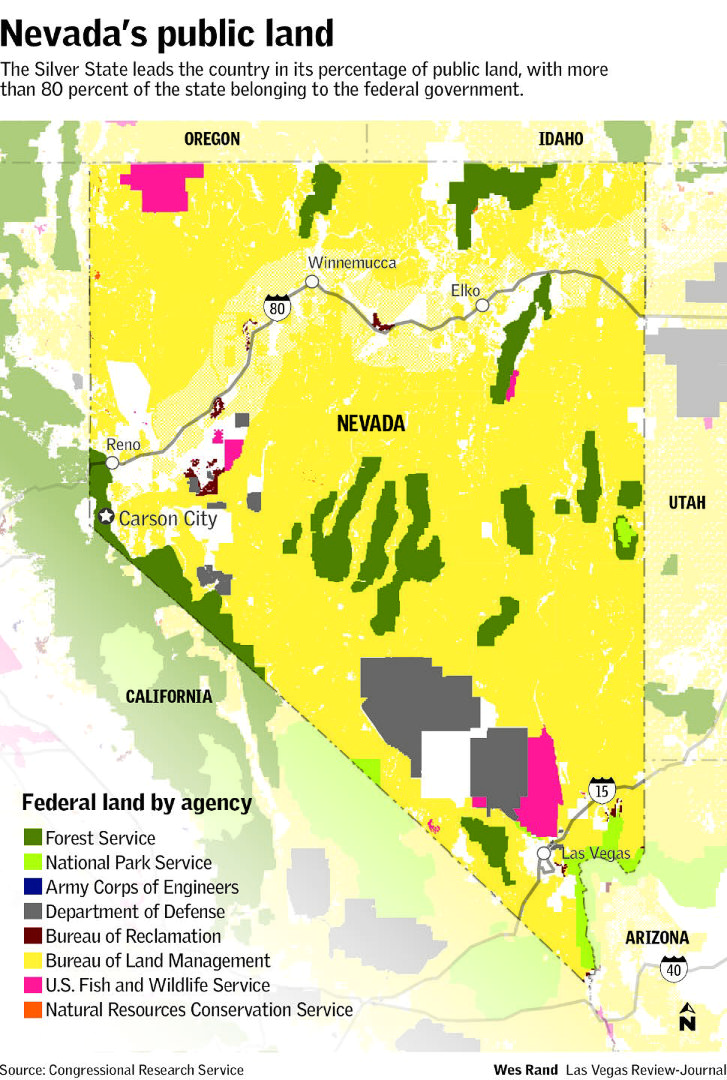
Lifestyle and Accommodation Considerations
The vastness of Nevada’s federal lands also influences lifestyle choices and accommodation options, especially for those seeking experiences beyond the typical urban resort.
Remote Living and Glamping: For those looking for a lifestyle more connected to nature, the accessibility of federal lands for dispersed camping or establishing more permanent, albeit regulated, rural residences near these areas is a draw. The rise of “glamping” has also seen many unique accommodation experiences pop up on or near federal lands, offering a comfortable yet immersive way to experience the wilderness. Think stylish yurts or eco-lodges nestled in scenic spots, providing a luxurious way to enjoy the natural surroundings.
Budget Travel and Adventure Tourism: For budget travelers and adventure seekers, federal lands represent an incredible resource. Camping fees are often minimal or non-existent in dispersed areas, and the sheer variety of free recreational activities available is unmatched. This makes Nevada an attractive destination for backpackers, van-lifers, and those on extended road trips looking to explore without breaking the bank. The ability to explore national forests or BLM lands often means finding more affordable and authentic accommodation options, sometimes requiring self-sufficiency but rewarding visitors with unparalleled access to nature.
Luxury Travel with a Natural Twist: Even luxury travelers can find themselves drawn to Nevada’s federally managed landscapes. While Las Vegas offers opulent hotels like the Bellagio and the Venetian, the surrounding federal lands provide opportunities for exclusive excursions. Imagine private guided tours of Red Rock Canyon National Conservation Area, helicopter tours over dramatic desert vistas, or even stays at remote, high-end lodges that offer guided activities on nearby public lands. The juxtaposition of world-class luxury with the raw beauty of the natural environment is a unique offering in Nevada.
When planning a trip to Nevada, understanding the extent and nature of federal land ownership is key to unlocking its full potential. Whether you’re dreaming of hiking through the ancient forests of the Ruby Mountains, exploring the vast desert expanses, or simply enjoying the peace and quiet of the open range, these federally protected areas offer an abundance of experiences waiting to be discovered. From the iconic landmarks within the National Park Service’s domain to the rugged adventure zones managed by the BLM, Nevada’s federal lands are an integral part of its identity and a cornerstone of its allure for travelers seeking a truly unforgettable journey.
LifeOutOfTheBox is a participant in the Amazon Services LLC Associates Program, an affiliate advertising program designed to provide a means for sites to earn advertising fees by advertising and linking to Amazon.com. Amazon, the Amazon logo, AmazonSupply, and the AmazonSupply logo are trademarks of Amazon.com, Inc. or its affiliates. As an Amazon Associate we earn affiliate commissions from qualifying purchases.