
The question of whether a state leans Democratic or Republican is a significant one, influencing everything from policy decisions to the general atmosphere of its communities. When it comes to Nevada, the answer isn’t as straightforward as a simple red or blue designation. This vibrant state, known for its dazzling Las Vegas Strip and vast, stunning natural landscapes, presents a complex political tapestry that has shifted and evolved over time. Understanding Nevada‘s political leanings requires a look beyond the headlines and into the diverse demographics, economic drivers, and historical voting patterns that shape its electoral outcomes.
Understanding Nevada’s Political Landscape
Nevada stands out in the American political arena due to its unique characteristics. It’s a state that balances the glitz and glamour of its world-renowned entertainment industry with the rugged beauty of its deserts and mountains. This duality often translates into a multifaceted political identity. Historically, Nevada has been a swing state, meaning its electoral votes have gone to both major parties in recent presidential elections. This makes it a crucial battleground for candidates and a key indicator of broader national trends.
The state’s economy plays a pivotal role in its political leanings. While tourism and gaming are dominant forces, particularly in Clark County and Washoe County, other sectors like mining, agriculture, and an emerging tech industry also contribute significantly. Each of these economic pillars can attract different demographics and foster distinct political priorities. For instance, the service industry workers in Las Vegas may have different concerns than miners in rural areas or tech professionals in Reno.
Demographic Influences on Voting Patterns
Nevada is a melting pot of cultures and backgrounds, and its diverse population is a primary driver of its political outcomes. The growing Hispanic population, for example, has become a significant voting bloc whose allegiances can sway elections. Similarly, the influx of residents from other states, particularly more populous ones like California, brings with it a variety of political perspectives.
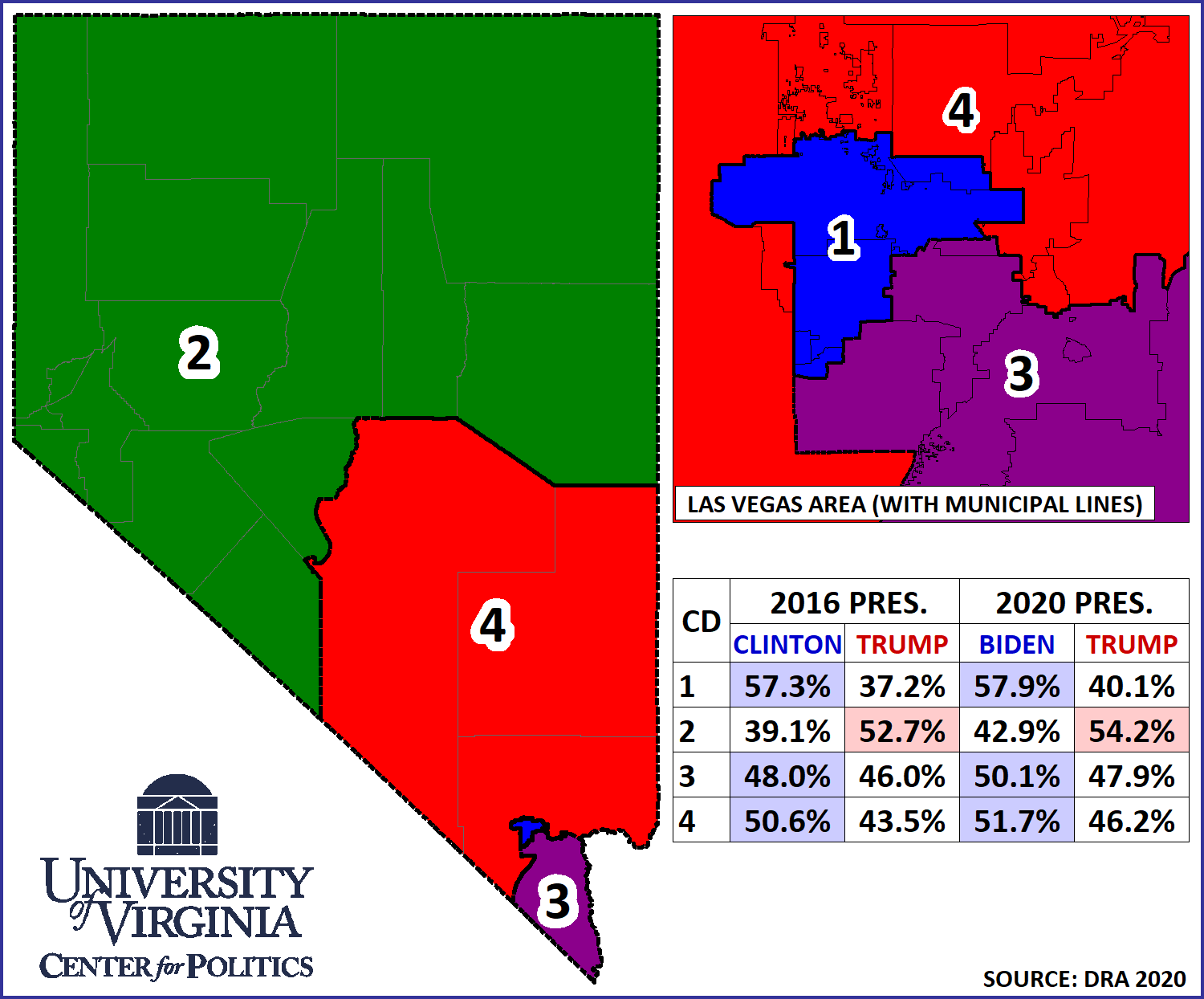
The urban centers of Nevada, such as Las Vegas and Reno, tend to lean more Democratic. These areas are characterized by higher population densities, greater ethnic diversity, and a strong presence of service industry jobs, which often align with Democratic platform priorities like workers’ rights and social programs. The younger demographic, more prevalent in urban areas, also tends to favor Democratic candidates.
Conversely, the more rural and sparsely populated regions of Nevada often exhibit Republican tendencies. These areas are often characterized by a more traditional demographic, with a strong emphasis on values that resonate with the Republican party, such as individual liberty, lower taxes, and a more conservative social outlook. The mining industry, a historical cornerstone of the Nevada economy, has also traditionally been more aligned with Republican interests.
The state’s unique demographic profile, with its mix of established communities and rapid growth, means that political affiliations are not static. Understanding the nuances of how different groups within Nevada vote is essential to grasping the state’s political direction.
Key Electoral Trends and Historical Context
Nevada‘s status as a swing state is not a recent phenomenon. Its electoral history reveals a pattern of closely contested elections, where the margin between Democratic and Republican candidates has often been narrow. This makes Nevada a state that politicians from both parties must actively court.
Presidential Election Cycles
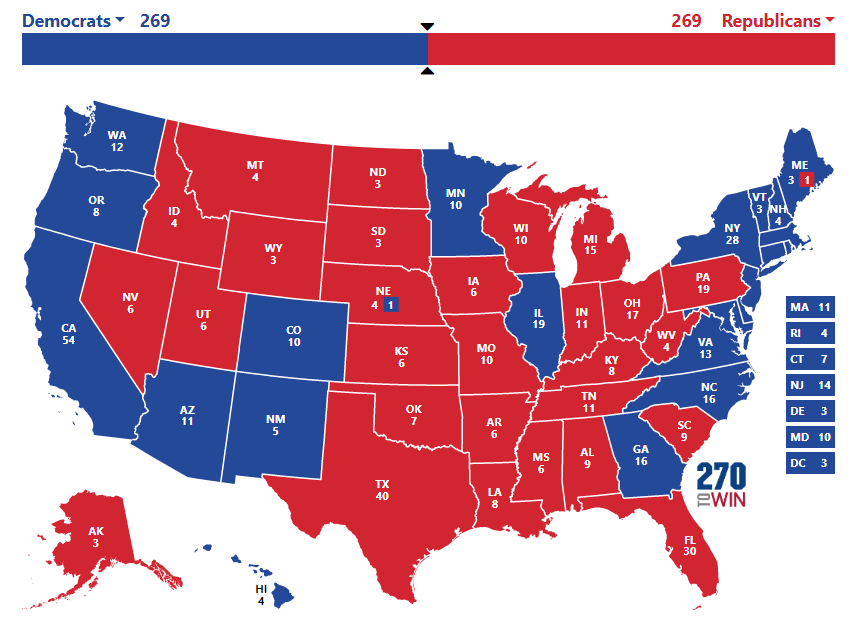
In recent presidential elections, Nevada has demonstrated its swing state status. For example, Barack Obama secured victories in Nevada in both 2008 and 2012, highlighting the state’s Democratic leanings during those cycles, driven by strong turnout in Clark County. However, in 2016, Donald Trump made a strong showing, underscoring the Republican Party’s ability to mobilize voters, particularly in rural areas and among certain working-class demographics. The 2020 election saw Joe Biden win the state, again with significant support from urban centers. This back-and-forth illustrates the state’s unpredictable nature and its importance in the national electoral map.

Midterm Elections and Local Politics
Beyond presidential races, Nevada‘s midterm elections and local races often provide further insights into its political leanings. Gubernatorial races, for instance, have seen victories by both Democrats and Republicans. The current governor, Joe Lombardo, is a Republican, while his predecessor, Steve Sisolak, was a Democrat. This indicates that the state’s electorate is willing to consider candidates from both parties for key leadership positions.
The state legislature, composed of the Nevada State Senate and the Nevada State Assembly, also reflects this political balance. Control of these legislative bodies has shifted between parties over the years, demonstrating a dynamic and often divided electorate. The outcomes of these races can have a significant impact on the laws and policies that govern Nevada, affecting everything from business regulations to social services.
Nevada’s Economy and its Political Impact
The economic landscape of Nevada is deeply intertwined with its political identity. The state’s reliance on certain industries shapes the concerns and priorities of its voters, influencing their choices at the ballot box.
The Influence of Tourism and Hospitality
The colossal tourism and hospitality industry, with Las Vegas as its epicenter, is a dominant force in Nevada. Millions of visitors flock to the state annually to experience world-class entertainment, dine at renowned restaurants, and stay in luxurious hotels and resorts. This industry employs a vast number of people, many of whom work in service roles. These workers’ rights, wages, and benefits are often key concerns that align with the Democratic Party’s platform. Consequently, the heavily populated areas where this industry thrives tend to lean Democratic.
The impact of this industry extends beyond direct employment. The tax revenue generated from gaming and tourism plays a critical role in funding state and local services. Debates over how this revenue should be allocated, whether for education, infrastructure, or other public services, are central to Nevada‘s political discourse and often divide along party lines.
Emerging Industries and Shifting Demographics
While tourism remains paramount, Nevada has also been actively diversifying its economy. The growth of sectors like technology, logistics, and renewable energy is attracting new businesses and a different type of workforce. For instance, the development of tech hubs in areas like Reno can bring in professionals with different economic backgrounds and potentially different political leanings. This diversification can contribute to shifting demographics and evolving political alignments.
The expansion of the tech sector, for example, might appeal to voters who prioritize innovation, investment, and a business-friendly environment, which can sometimes align with Republican ideals. However, the influx of skilled workers and the potential for increased urbanization in these areas can also bolster Democratic support.
Rural Economies and Traditional Industries
In contrast to the urban centers, Nevada‘s rural economies are often driven by traditional industries like agriculture and mining. These sectors have historically been more aligned with Republican principles, emphasizing self-reliance, deregulation, and lower corporate taxes. The vast expanses of Nevada outside its major cities are home to communities whose livelihoods are tied to these industries, and their political perspectives often reflect these economic realities.
The state’s commitment to resource extraction and land use policies are particularly important in these regions. Debates over environmental regulations, water rights, and the balance between conservation and economic development can significantly influence voting patterns in these rural areas.
In conclusion, Nevada is not easily categorized as purely Democratic or Republican. It is a state of contrasts, where the glittering lights of Las Vegas meet the quiet majesty of the Great Basin Desert. Its political identity is a dynamic interplay of diverse demographics, evolving economic forces, and a rich history of closely contested elections. As the state continues to grow and change, its political landscape will undoubtedly remain a subject of keen interest and a crucial indicator of America’s broader political trajectory.
LifeOutOfTheBox is a participant in the Amazon Services LLC Associates Program, an affiliate advertising program designed to provide a means for sites to earn advertising fees by advertising and linking to Amazon.com. Amazon, the Amazon logo, AmazonSupply, and the AmazonSupply logo are trademarks of Amazon.com, Inc. or its affiliates. As an Amazon Associate we earn affiliate commissions from qualifying purchases.