
The vast and varied landscapes of New Mexico are home to an astonishing array of wildlife, a testament to its rich ecological tapestry. From the towering peaks of the Sangre de Cristo Mountains to the arid beauty of the Chihuahuan Desert, this Southwestern state offers a haven for numerous species. When considering the essence of New Mexico, its natural inhabitants play a significant role, and among them, one avian species has been officially recognized for its distinctive presence and beauty. The question of “What is the New Mexico state bird?” leads us to discover the vibrant Greater Roadrunner (Geococcyx californianus), a creature as iconic to the state as its adobe architecture and vast open skies.
The Greater Roadrunner: A Symbol of the Southwest
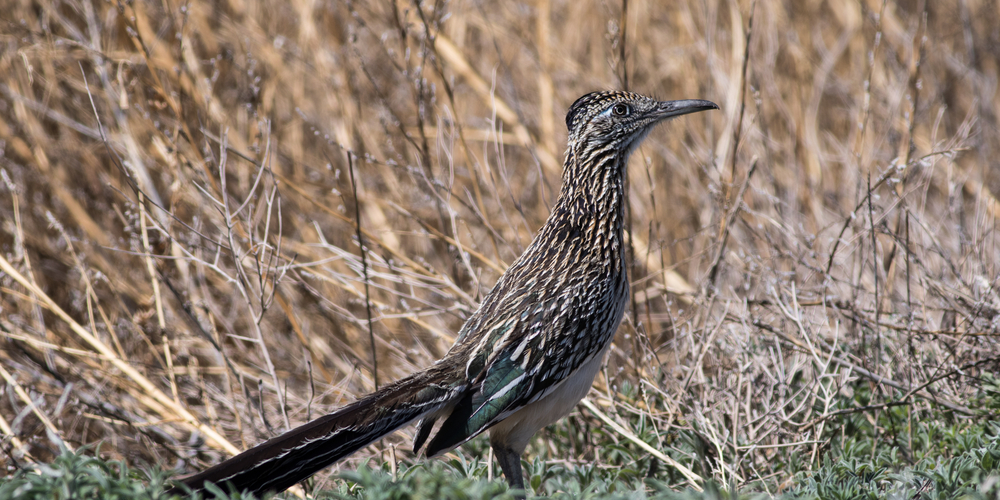
The selection of the Greater Roadrunner as the New Mexico state bird in 1949 was a deliberate choice, honoring a bird deeply ingrained in the region’s identity and lore. This unique ground-dwelling bird, known for its speed and distinctive appearance, perfectly embodies the spirit of the American Southwest. Its presence is synonymous with the desert scrublands, piñon-juniper woodlands, and even the more open grasslands that characterize much of New Mexico.
A Unique Avian Marvel
The Greater Roadrunner is a member of the cuckoo family, though it stands apart with its terrestrial lifestyle and remarkable adaptations for life on the ground. Reaching lengths of up to 23 inches (58 cm) with a wingspan of around 20 inches (51 cm), these birds are an impressive sight. Their plumage is a striking blend of earthy browns, blacks, and whites, providing excellent camouflage against the arid terrain. A characteristic crest of feathers adorns their heads, giving them a perpetually alert and somewhat punk-rock appearance. Perhaps their most recognizable feature, however, is their exceptionally long tail, which they use as a rudder for balance and for quick directional changes while running.
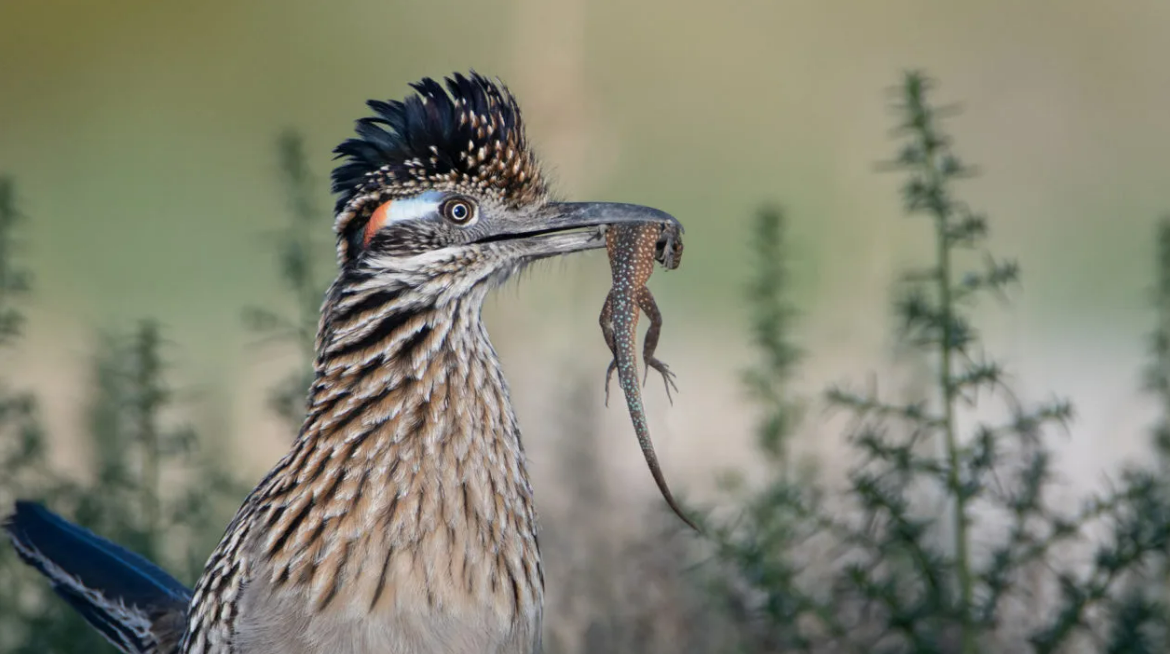
Their legs are long and strong, built for speed. The Greater Roadrunner is famously fast, capable of reaching speeds of up to 20 miles per hour (32 km/h). This incredible agility allows them to pursue prey effectively and evade predators. Their diet is opportunistic and varied, consisting mainly of insects, scorpions, spiders, small rodents, lizards, and even snakes. Their ability to consume venomous prey, such as rattlesnakes, is particularly notable, showcasing their resilience and specialized hunting techniques. They are known to stun snakes with a swift blow before swallowing them whole.
Cultural Significance and Folklore
Beyond its biological characteristics, the Greater Roadrunner holds a significant place in the cultural landscape of New Mexico and the broader Southwest. It is a beloved figure in Native American folklore, often depicted as a swift and clever trickster. The animal’s intelligence and resourcefulness have cemented its status as a symbol of survival and adaptation in a challenging environment.
In popular culture, the Greater Roadrunner gained widespread recognition through the animated cartoon series Looney Tunes, where the character “Road Runner” outsmarted the perpetually frustrated Wile E. Coyote. While a humorous exaggeration, this portrayal captured the essence of the bird’s incredible speed and the dynamic between predator and prey that is a fundamental aspect of the natural world. This cartoonish fame, while not strictly academic, has undoubtedly contributed to the bird’s enduring popularity and its recognition as a symbol of the American Southwest.
Discovering the Greater Roadrunner in New Mexico
For travelers visiting New Mexico, the opportunity to spot a Greater Roadrunner in its natural habitat is a rewarding experience. Their presence is a tangible connection to the wild beauty and unique ecosystems that define the state. Understanding where to look and what to expect can enhance any wildlife viewing adventure.
Where to Find These Elusive Birds
The Greater Roadrunner thrives in a variety of semi-arid environments, making much of New Mexico a prime location for sightings. They are most commonly found in:
- Desert Scrublands: These dry, open areas with scattered shrubs and grasses are ideal for ground foraging. Areas around White Sands National Park and the southern deserts offer excellent opportunities.
- Piñon-Juniper Woodlands: The transition zones where deserts meet higher elevations provide a mix of open ground and cover. Exploring the foothills of mountain ranges like the Sandia Mountains can be fruitful.
- Open Grasslands: Even in areas with sparser vegetation, as long as there is some cover, roadrunners can be found.
- Edges of Human Habitation: Sometimes, they venture into suburban or rural areas, especially if food sources like insects and small rodents are abundant.
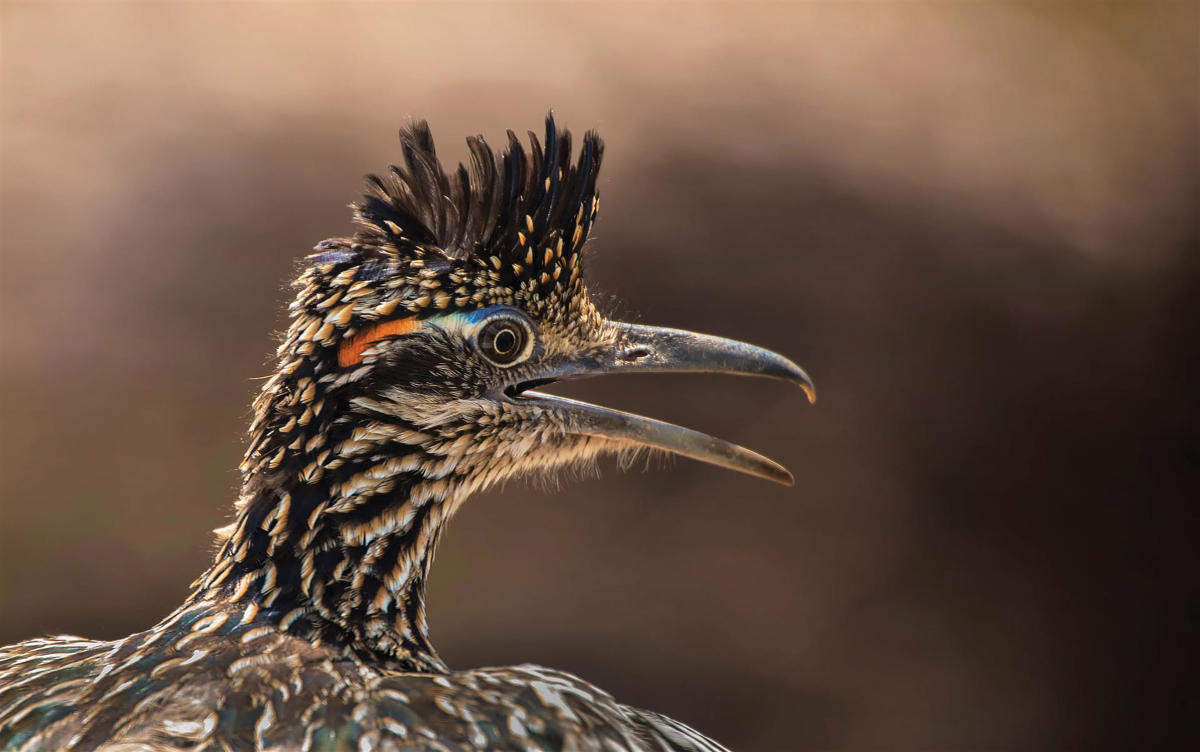
When exploring these areas, keep an eye out for their characteristic dash across roads or open fields. Their quick movements and the flick of their tails are distinctive. They often perch on low branches or fence posts, surveying their surroundings. Early morning and late afternoon are typically the best times for activity, as they are less active during the heat of the day.
Birdwatching and Wildlife Tourism in New Mexico
New Mexico is a fantastic destination for birdwatchers and wildlife enthusiasts. Beyond the Greater Roadrunner, the state boasts an incredible diversity of avian species, including raptors, waterfowl, and migratory birds, thanks to its varied habitats and its position along major flyways.
For those planning a trip focused on wildlife, consider visiting:
- Bosque del Apache National Wildlife Refuge: While famous for its wintering cranes and snow geese, this refuge near Socorro also provides habitat for numerous other species, including potential roadrunner sightings in the surrounding arid areas.
- Chaco Culture National Historical Park: Exploring the ancient ruins of the Chaco Canyon offers a chance to witness the natural world that has sustained civilizations for centuries. The surrounding landscape is prime roadrunner territory.
- National Forests and BLM Lands: Vast tracts of land managed by the U.S. Forest Service and the Bureau of Land Management offer extensive opportunities for exploration and wildlife observation in remote and pristine environments.
Tips for Observing Roadrunners:
- Be Patient: These birds can be elusive. Spend time observing quietly from a distance.
- Use Binoculars: This will allow you to get a closer look without disturbing the birds.
- Respect Wildlife: Maintain a safe distance and avoid feeding wild animals.
- Travel Responsibly: Support local tourism businesses and be mindful of the environment. Consider eco-lodges or sustainable accommodations.
Experiencing New Mexico Beyond Its State Bird
While the Greater Roadrunner is a celebrated icon, New Mexico offers a wealth of experiences that extend far beyond its avian emblem. The state’s allure lies in its captivating blend of natural wonders, rich history, vibrant culture, and diverse lifestyle opportunities.
A Tapestry of Attractions and Activities
New Mexico is a destination that caters to a wide range of interests, from the intrepid adventurer to the culturally curious traveler.
- Landmarks and Natural Wonders: The iconic Bandelier National Monument showcases ancient Pueblo cliff dwellings, offering a glimpse into the lives of early inhabitants. The otherworldly landscapes of White Sands National Park, with its vast gypsum dunes, are a photographer’s dream. For those seeking geological marvels, the Petrified Forest National Park (though technically in Arizona, its proximity makes it a common addition to Southwest itineraries) and the Carlsbad Caverns National Park with its magnificent underground chambers, are must-sees. The Taos Pueblo, a UNESCO World Heritage Site, stands as one of the oldest continuously inhabited communities in North America.
- Cultural Immersion: New Mexico is renowned as the “Land of Enchantment” for good reason. Its heritage is a vibrant fusion of Native American, Hispanic, and Anglo influences. Exploring the historic plazas of Santa Fe and Taos reveals a thriving arts scene, with numerous galleries, museums, and artisan workshops. The state’s culinary traditions are equally compelling, with New Mexican cuisine featuring the ubiquitous flavors of red and green chile. Sampling dishes like enchiladas, tamales, and posole is an essential part of the visitor experience. Local festivals and celebrations, often rooted in ancient traditions, offer a chance to witness traditional dances, music, and crafts firsthand.
- Adventures and Experiences: For outdoor enthusiasts, New Mexico offers endless possibilities. Hiking and backpacking trails crisscross its national forests and parks. The Gila National Forest provides opportunities for wilderness exploration, while areas around Jemez Springs offer hot springs and scenic drives. River rafting on the Rio Grande is a popular summer activity. Skiing and snowboarding are available in the winter months at resorts like Taos Ski Valley and Ski Santa Fe. For those interested in astronomy, the clear, dark skies of New Mexico make it an ideal location for stargazing, with observatories like the Very Large Array offering unique scientific tourism.
Accommodation and Lifestyle Choices
New Mexico’s diverse appeal translates into a wide range of accommodation options and lifestyle experiences, whether for a short visit or a longer stay.
- Hotels and Resorts: From luxury resorts in Santa Fe offering spa treatments and fine dining to charming boutique hotels in historic towns, the hospitality sector is well-developed. Travelers can find everything from sprawling resorts with golf courses and swimming pools to more intimate inns that capture the local charm. For families, resorts with kid-friendly amenities are plentiful, while business travelers can find well-equipped hotels in cities like Albuquerque.
- Unique Stays: Beyond traditional hotels, New Mexico offers distinctive lodging. Vacation rentals, including apartments and villas, provide more space and a home-away-from-home feel, perfect for longer trips or group travel. Historic adobe casitas offer an authentic Southwestern experience, often blending traditional architecture with modern comforts. Camping and glamping options are also available for those seeking a closer connection with nature.
- Luxury and Budget Travel: Whether you’re looking for a lavish getaway or a budget-friendly adventure, New Mexico can accommodate. Luxury travel might involve staying at a high-end resort, indulging in spa services, and dining at award-winning restaurants. Budget travel is readily achievable by exploring free natural attractions, utilizing affordable accommodation like motels or campgrounds, and enjoying the state’s many free cultural events and scenic drives.
- Long-Term Stays and Lifestyle: For those considering a longer stay, New Mexico offers a relaxed pace of life and a strong sense of community in many of its towns and cities. The cost of living can be more affordable than in many other parts of the country, making it an attractive option for retirees or digital nomads. The emphasis on outdoor living, arts, and culture creates a unique lifestyle that many find incredibly appealing.
In essence, while the Greater Roadrunner serves as a delightful and fitting symbol for New Mexico, the state’s true magic lies in the multifaceted experiences it offers. From its stunning natural landscapes and rich cultural heritage to its diverse accommodation and lifestyle possibilities, New Mexico is a destination that truly enchants.
LifeOutOfTheBox is a participant in the Amazon Services LLC Associates Program, an affiliate advertising program designed to provide a means for sites to earn advertising fees by advertising and linking to Amazon.com. Amazon, the Amazon logo, AmazonSupply, and the AmazonSupply logo are trademarks of Amazon.com, Inc. or its affiliates. As an Amazon Associate we earn affiliate commissions from qualifying purchases.