
When planning a trip to Albuquerque, New Mexico, understanding the local climate is paramount to ensuring a comfortable and enjoyable experience. The weather in this captivating city is as dynamic and diverse as its landscape, offering distinct characteristics across the seasons. Whether you’re drawn by the allure of the Breaking Bad film locations, the vibrant Albuquerque International Balloon Fiesta, or the rich history embedded within its landmarks, knowing the temperature in Albuquerque, New Mexico will significantly shape your packing list, itinerary, and overall satisfaction.
Albuquerque, New Mexico, nestled in the Rio Grande Valley and framed by the majestic Sandia Mountains, boasts a semi-arid climate. This means you can generally expect plenty of sunshine year-round, with relatively low humidity. However, the significant elevation of Albuquerque, New Mexico (over 5,300 feet above sea level) plays a crucial role in moderating temperatures, preventing the extreme heat often associated with desert environments. This altitude also contributes to noticeable temperature drops after sunset, making evenings cooler than daytime highs.
Understanding Albuquerque’s Seasonal Climate
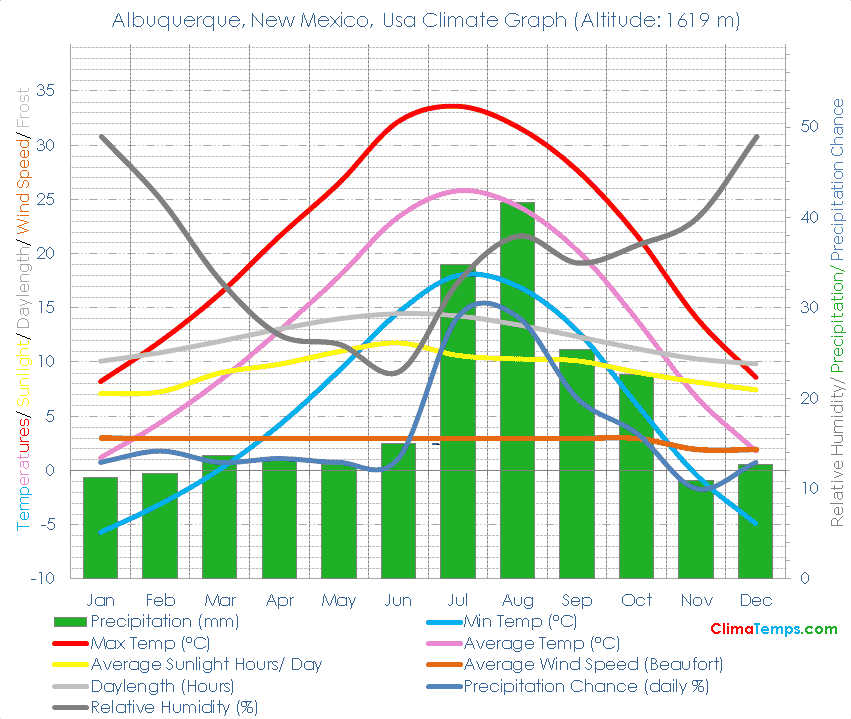
To truly grasp the temperature in Albuquerque, New Mexico, it’s essential to break down the weather patterns by season. Each period of the year brings its unique set of conditions, influencing everything from outdoor activities to the types of accommodations that might be most appealing.
Spring: A Gentle Awakening (March – May)
Spring in Albuquerque, New Mexico, is a period of transition, gradually shedding the chill of winter and embracing the warmth of approaching summer. The temperatures begin to rise steadily, making it an increasingly pleasant time for exploration.
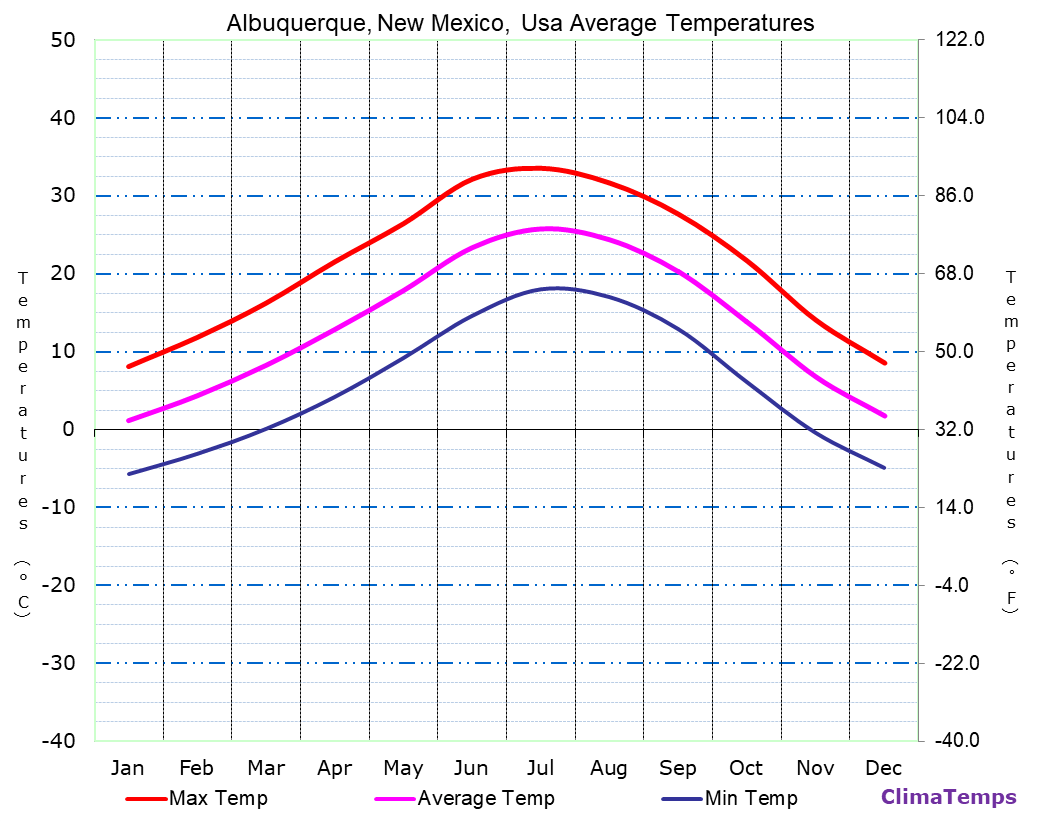
- March: The month of March often marks the initial thaw. While daytime temperatures can be mild, averaging in the low to mid-60s Fahrenheit (around 16-18°C), nights can still dip into the chilly 30s and 40s Fahrenheit (around 4-9°C). This means packing layers is highly recommended. You might encounter occasional late-season snow flurries, though they rarely accumulate significantly.
- April: April sees a more pronounced warming trend. Average daytime highs climb into the mid-60s to low 70s Fahrenheit (around 18-22°C), and overnight lows typically hover in the 40s Fahrenheit (around 7-10°C). This is often considered an ideal time for outdoor activities like hiking in the Sandia Mountains or exploring the historic Old Town Albuquerque. The desert flora begins to bloom, adding a splash of color to the landscape.
- May: May is often a preview of summer’s delights. Daytime temperatures frequently reach the 70s and even low 80s Fahrenheit (around 22-28°C), with nights remaining comfortable in the 50s Fahrenheit (around 10-15°C). This is a fantastic month for enjoying Albuquerque, New Mexico‘s many outdoor attractions, including visiting the Indian Pueblo Cultural Center or taking a scenic drive along the Turquoise Trail.
Summer: Sunny and Warm (June – August)
Summer in Albuquerque, New Mexico, is characterized by abundant sunshine and comfortably warm temperatures, though it’s not typically oppressive. The low humidity is a significant factor in making the heat feel more manageable.
- June: June is the official start of summer, and temperatures begin to climb. Daytime highs commonly range from the high 80s to low 90s Fahrenheit (around 31-34°C), with average lows in the 60s Fahrenheit (around 16-21°C). While the sun is strong, the evenings tend to cool down nicely, making outdoor dining and evening strolls very enjoyable.
- July: July is generally the warmest month in Albuquerque, New Mexico. Expect average daily highs to be in the low to mid-90s Fahrenheit (around 32-35°C). However, the dry air prevents extreme heat index values. Nighttime temperatures typically stay in the 60s Fahrenheit (around 16-21°C). This is a great time to enjoy indoor attractions like the National Museum of Nuclear Science & History or take advantage of the warmer weather for water-based activities if you venture to nearby lakes or rivers.
- August: August continues the warm summer pattern, with temperatures very similar to July. Daytime highs are usually in the low to mid-90s Fahrenheit (around 32-35°C), and nighttime lows are in the 60s Fahrenheit (around 16-21°C). The monsoon season can sometimes bring afternoon thunderstorms, offering a brief respite from the heat and a chance to witness dramatic desert skies.
Autumn: Crisp and Colorful (September – November)
Autumn in Albuquerque, New Mexico, is widely regarded as one of the most beautiful and comfortable seasons. The summer heat gives way to crisp, clear days and cool, refreshing nights, making it an ideal time for outdoor adventures and cultural immersion.
- September: September marks the beginning of a delightful shift. Daytime temperatures are still warm, often in the high 70s to low 80s Fahrenheit (around 26-29°C), but the intensity of the summer sun begins to mellow. Evenings become noticeably cooler, typically in the 50s Fahrenheit (around 10-15°C). This is precisely when the world-famous Albuquerque International Balloon Fiesta takes place, a spectacular event that benefits immensely from the stable, clear autumn weather.
- October: October is arguably the crown jewel of autumn in Albuquerque, New Mexico. Daytime temperatures are pleasantly mild, often ranging from the 60s to low 70s Fahrenheit (around 16-22°C). The air is crisp and clean, and the foliage in the surrounding mountains and along the Rio Grande can display stunning fall colors. Overnight lows settle into the 40s Fahrenheit (around 4-10°C), making cozy evenings perfect for enjoying local cuisine or a quiet night at your chosen hotel.
- November: November ushers in cooler weather as winter approaches. Daytime highs typically range from the 50s to low 60s Fahrenheit (around 10-16°C), while nights can drop into the 30s Fahrenheit (around 0-4°C). It’s essential to pack warmer clothing, including jackets and sweaters, especially if you plan to be out after dark. The skies often remain clear, offering excellent stargazing opportunities.
Winter: Mild with Occasional Snow (December – February)
Winter in Albuquerque, New Mexico, is generally mild compared to many other parts of the country, characterized by sunny days and cold nights. Snowfall is not a daily occurrence, but it does happen and can add a picturesque layer to the landscape.
- December: December brings a distinct chill. Daytime temperatures typically hover in the 40s and low 50s Fahrenheit (around 4-10°C), with average lows plummeting into the 20s Fahrenheit (around -7 to -1°C). Snow is possible, though significant accumulations are infrequent. This is a wonderful time to explore the city’s indoor attractions, such as the National Hispanic Cultural Center, or enjoy the festive holiday lights that adorn many neighborhoods.
- January: January is usually the coldest month. Daytime highs average in the low 40s Fahrenheit (around 4-6°C), and nighttime lows frequently drop into the teens and low 20s Fahrenheit (around -12 to -6°C). While snow is more likely in January than in December, it usually melts within a few days. The clear, cold days are perfect for a brisk walk through Old Town Albuquerque or visiting a cozy café.
- February: February starts to hint at the approaching spring. Temperatures begin to moderate slightly, with daytime highs climbing into the 40s and low 50s Fahrenheit (around 4-10°C). Overnight lows remain cold, often in the 20s Fahrenheit (around -7 to -1°C). There’s still a chance of snow, but the days are gradually becoming longer and brighter.
Factors Influencing Temperature in Albuquerque
Beyond the general seasonal trends, several factors can influence the daily temperature in Albuquerque, New Mexico:
Altitude and Elevation
As mentioned, Albuquerque, New Mexico sits at a significant elevation. This higher altitude means that the air is thinner, and the sun’s rays are more direct. While this can lead to intense sunshine, it also means that temperatures, especially at night, can drop quite rapidly. This is a key characteristic of mountain or high-desert climates and is something to consider when planning activities and dressing. The Sandia Mountains, towering over the city, also create microclimates, with higher elevations experiencing cooler temperatures and more precipitation than the city itself.
Sunshine and Cloud Cover
Albuquerque, New Mexico, is renowned for its abundant sunshine, averaging over 300 sunny days per year. This sunshine is a major contributor to its pleasant temperatures, particularly during the spring, summer, and autumn months. However, periods of cloud cover, especially during the monsoon season in late summer, can lead to cooler daytime temperatures and the possibility of rain. Conversely, clear skies during winter, while cold, often feel brighter and more invigorating.
Wind Patterns
The desert environment means that wind can play a role in how temperatures are perceived. While generally not as significant as in other desert regions, strong winds can sometimes contribute to feeling colder, especially during the winter months. Conversely, a gentle breeze on a warm summer day can offer welcome relief.
Planning Your Visit: Temperature and Activities
Understanding the temperature in Albuquerque, New Mexico, is crucial for tailoring your visit to its diverse attractions and ensuring your comfort.
For the Outdoor Enthusiast
If your primary interest lies in outdoor adventures such as hiking in the Sandia Mountains, exploring Petroglyph National Monument, or cycling along the Rio Grande trails, the spring (April-May) and fall (September-October) months offer the most ideal conditions. During these periods, daytime temperatures are pleasantly warm, and the risk of extreme heat is minimal. Summer can be suitable for early morning or late afternoon hikes, but be prepared for intense sun and higher temperatures during midday. Winter offers a unique opportunity for hiking in crisp, clear air, but requires appropriate cold-weather gear.
For the Culture and History Buff
Albuquerque, New Mexico‘s rich cultural tapestry, from the historic Old Town with its Spanish colonial architecture to the vibrant art scene and the numerous museums, can be enjoyed year-round. However, milder temperatures in spring and fall make exploring the adobe streets of Old Town or wandering through the Indian Pueblo Cultural Center particularly enjoyable. Indoor attractions, such as the National Museum of Natural History and Science or the National Museum of Atomic History, are excellent options for any weather, but during the hotter summer months or colder winter days, they provide a welcome escape.
For the Family Vacation
When traveling with family, comfort is key. Spring and fall offer the most agreeable temperatures for visiting attractions like the ABQ Biopark (which includes a zoo, aquarium, and botanic garden) or enjoying outdoor activities without the concern of overheating or excessive cold. Summer can be great for family fun, but planning activities for cooler parts of the day and ensuring hydration is essential. The Albuquerque International Balloon Fiesta in October is a spectacular family-friendly event that is perfectly timed with the season’s beautiful weather.
For the Business Traveler or Long-Term Stay
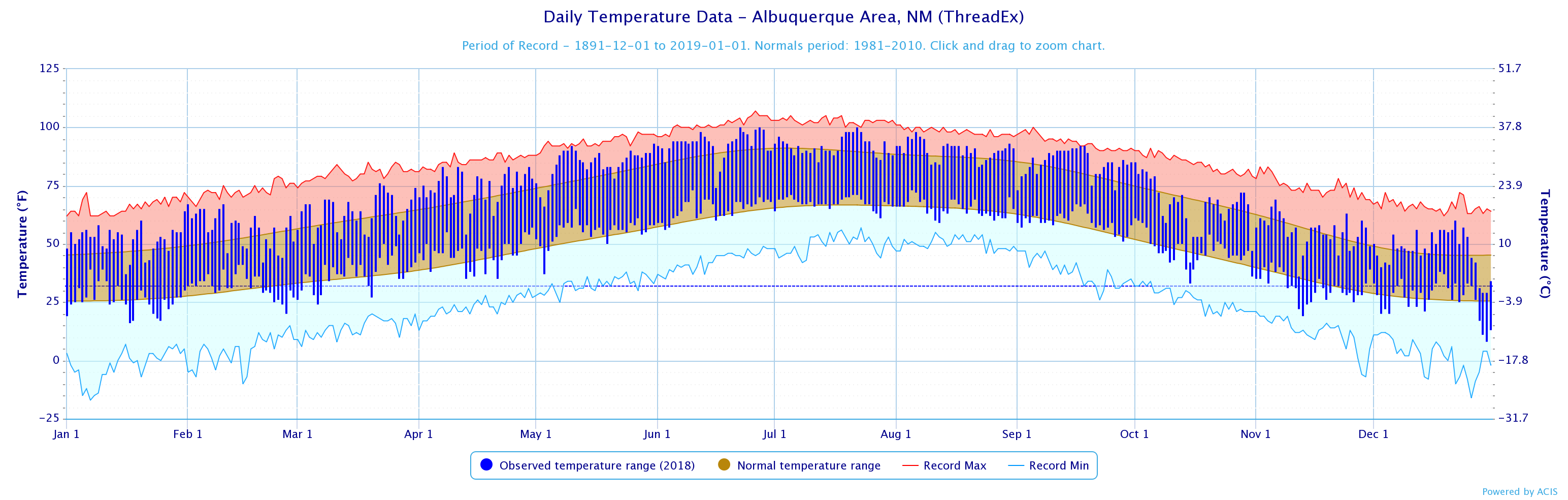
For business travelers or those on a longer stay, understanding the temperature is vital for planning daily commutes and evening activities. The generally sunny disposition of Albuquerque, New Mexico allows for consistent daytime conditions. However, knowing about potential temperature swings between day and night is important for preparing for different needs, whether it’s a daytime meeting or an evening social event. The city’s diverse range of hotels, from luxury suites to more budget-friendly options, can cater to various needs regardless of the season.
In conclusion, the temperature in Albuquerque, New Mexico, is a key element that contributes to its unique charm. By understanding the seasonal variations and the factors that influence them, you can better plan your visit, pack accordingly, and fully immerse yourself in the captivating experiences that this Southwestern gem has to offer, from its breathtaking landscapes and historical landmarks to its vibrant culture and renowned culinary scene.
LifeOutOfTheBox is a participant in the Amazon Services LLC Associates Program, an affiliate advertising program designed to provide a means for sites to earn advertising fees by advertising and linking to Amazon.com. Amazon, the Amazon logo, AmazonSupply, and the AmazonSupply logo are trademarks of Amazon.com, Inc. or its affiliates. As an Amazon Associate we earn affiliate commissions from qualifying purchases.