
The vibrant New Orleans, often called the “Big Easy,” and the bustling metropolis of Dallas, Texas, are two of the most iconic cities in the southern United States. While both offer distinct cultural experiences, a significant question for many travelers is the distance between them and the best ways to bridge that gap. Whether you’re planning a road trip, considering a flight, or exploring other transportation options, understanding the travel time and logistics is crucial for a smooth journey.
This guide will delve into the precise mileage and estimated travel times for reaching New Orleans from Dallas, along with practical advice on choosing the most suitable mode of transport. We’ll also touch upon what awaits you in each city, from the historical charm and culinary delights of New Orleans to the modern sophistication and entertainment of Dallas, making your decision to travel between these two captivating destinations an informed one.
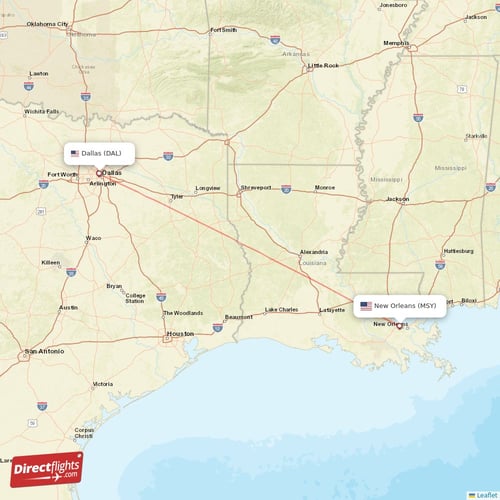
Bridging the Miles: Understanding the Distance Between Dallas and New Orleans
The distance between Dallas, Texas, and New Orleans, Louisiana, is a manageable one, making it a popular route for both leisure and business travelers. The most common measure for this journey is the driving distance, which can vary slightly depending on the specific route taken.
By Car: The Open Road Adventure
The most popular way to travel between Dallas and New Orleans is by car, offering the freedom to stop at interesting points along the way and control your schedule. The approximate driving distance is around 500 to 520 miles (approximately 805 to 837 kilometers).
The most direct and commonly used route involves heading east from Dallas on Interstate 20 (I-20). You’ll continue on I-20 through cities like Shreveport, Louisiana, before eventually merging onto Interstate 49 (I-49) south towards Lafayette. From Lafayette, the route typically takes you onto Interstate 10 (I-10) east, which leads directly into New Orleans.
Estimated Driving Time:
The estimated driving time from Dallas to New Orleans is typically between 8 to 9 hours. This estimate does not include time for stops such as refueling, meals, or unexpected traffic delays. Factors that can influence the actual travel time include:
- Traffic Conditions: Major cities along the route, particularly around Dallas and New Orleans, can experience significant traffic congestion, especially during peak commuting hours or holidays.
- Road Construction: Road work or construction projects can lead to detours or slowdowns. It’s advisable to check real-time traffic updates before and during your journey.
- Weather: Adverse weather conditions, such as heavy rain, fog, or storms, can impact driving speeds and safety, potentially extending travel times.
- Stops: The number and duration of stops you make for rest, food, or sightseeing will directly affect the total travel time.
Tips for Your Road Trip:
- Plan Your Stops: Consider breaking up the drive with an overnight stay. Shreveport and Lafayette are excellent options for a mid-way rest stop, offering their own unique attractions and accommodations.
- Vehicle Check: Ensure your vehicle is in good condition before embarking on a long drive. Check tires, oil, and fluid levels.
- Navigation: Utilize GPS navigation systems or mobile apps for real-time directions and traffic updates.
- Pack Essentials: Carry water, snacks, a first-aid kit, and any necessary car emergency supplies.
By Air: The Fastest Route
For travelers prioritizing speed and efficiency, flying is the most practical option. Both Dallas and New Orleans are well-served by major airports, making air travel a convenient choice.
Major Airports:
- Dallas/Fort Worth International Airport (DFW): This is one of the busiest airports in the world and serves as a major hub for numerous airlines. DFW offers a vast array of domestic and international flights.
- Dallas Love Field (DAL): Primarily served by Southwest Airlines, Love Field offers a more convenient option for many travelers within Dallas, often with competitive pricing.
- Louis Armstrong New Orleans International Airport (MSY): Located just outside New Orleans, MSY is the primary gateway to the city and handles a significant volume of air traffic.
Flight Duration and Frequency:
Direct flights between Dallas and New Orleans are frequent and generally last approximately 1 hour and 15 minutes to 1 hour and 30 minutes. The exact flight time can depend on factors such as wind speed and the specific flight path.
Airlines that typically operate this route include Southwest Airlines, American Airlines, and others. It is advisable to book your tickets in advance, especially during peak travel seasons, to secure the best fares.
Getting to and From Airports:
- Dallas: DFW is accessible via the Dallas Area Rapid Transit (DART) light rail system. Dallas Love Field is also served by DART bus routes. Ride-sharing services and taxis are readily available at both airports.
- New Orleans: MSY is served by bus routes connecting to the city center. Taxis and ride-sharing services are also abundant at the airport. Many hotels in New Orleans offer shuttle services or can assist with transportation arrangements.
Other Transportation Options
While driving and flying are the most common methods, other options exist for traveling between Dallas and New Orleans, catering to different preferences and budgets.
By Bus: A Budget-Friendly Choice
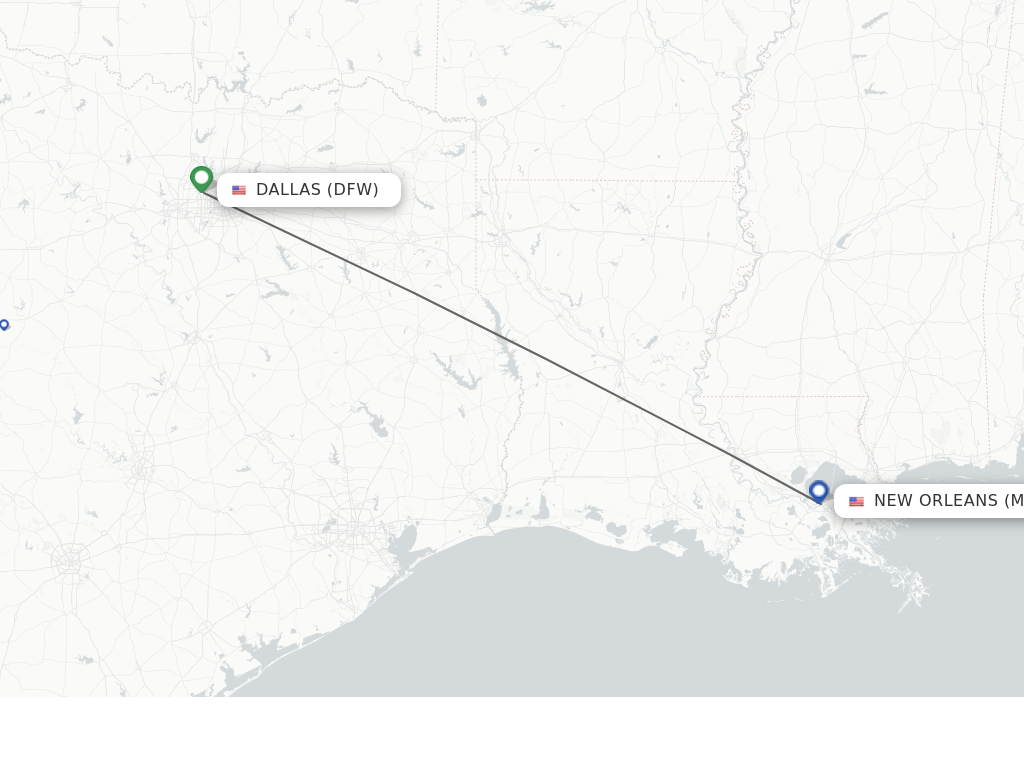
Several intercity bus companies operate routes between Dallas and New Orleans. This can be a more economical option for budget-conscious travelers.
Bus Companies: Common carriers include Greyhound and Megabus.
Travel Time: Bus journeys are significantly longer than driving or flying, typically ranging from 9 to 12 hours, depending on the route and the number of stops.
Advantages:
- Cost-Effective: Bus tickets are generally less expensive than flights.
- Relaxing: You can sit back, relax, and avoid the stress of driving.
Disadvantages:
- Long Travel Time: The extended journey may not be suitable for those with limited time.
- Limited Comfort: Amenities can vary by company, and legroom might be more restricted than in a car or on a plane.
By Train: A Scenic and Relaxing Journey
Amtrak offers train service between Dallas and New Orleans, providing a scenic and comfortable alternative for those who prefer not to drive or fly.
Route: The primary Amtrak route is the Texas Eagle, which connects Chicago to San Antonio, with a branch to New Orleans. Travelers from Dallas can board this train.
Travel Time: The train journey is quite long, usually taking around 11 to 13 hours.
Advantages:
- Comfort and Space: Trains offer more legroom and the ability to walk around compared to buses or planes.
- Scenic Views: The train route offers glimpses of the countryside that you wouldn’t see from the highway.
- Relaxing Experience: Ideal for those who enjoy a slower pace and want to unwind.
Disadvantages:
- Long Travel Time: Similar to bus travel, it’s a lengthy journey.
- Cost: Train tickets can sometimes be comparable to or even more expensive than flights, depending on booking time and class of service.
Arriving in New Orleans: What Awaits You
Once you’ve made the journey from Dallas, the magical city of New Orleans welcomes you with its unparalleled charm and vibrant atmosphere. Known for its rich history, unique culture, and world-renowned cuisine, New Orleans offers an unforgettable experience.
Key Attractions and Experiences:
- The French Quarter: This historic neighborhood is the heart of New Orleans, famous for its Creole architecture, lively streets, and iconic landmarks like Bourbon Street and Jackson Square.
- Music Scene: New Orleans is the birthplace of jazz, and live music can be found on almost every corner, from intimate clubs to grand performance halls.
- Culinary Delights: Indulge in the city’s legendary cuisine, featuring dishes like gumbo, jambalaya, beignets, and fresh seafood. Explore famous eateries and hidden gems.
- Historical Sites: Visit places like the National WWII Museum, explore the historic cemeteries, or take a steamboat ride on the Mississippi River.
- Festivals and Events: New Orleans is famous for its year-round celebrations, most notably Mardi Gras.
Accommodation Options:
New Orleans offers a wide range of accommodation to suit every traveler’s needs and budget.
- Luxury Resorts: For those seeking an opulent experience, resorts like the The Roosevelt New Orleans, A Waldorf Astoria Hotel or The Ritz-Carlton, New Orleans offer premium amenities and service.
- Boutique Hotels: The French Quarter and surrounding areas are dotted with charming boutique hotels, providing a more intimate and unique stay.
- Vacation Rentals: Apartments and villas are available for longer stays or for those who prefer a home-away-from-home feel.
- Budget-Friendly Hotels: Numerous standard hotels and motels offer comfortable and affordable lodging.

Dallas: A Modern Metropolis
In contrast to New Orleans‘ historical allure, Dallas presents a dynamic urban landscape with a modern edge. It’s a city that blends sophisticated business districts with world-class arts, culture, and entertainment.
Key Attractions and Experiences:
- Arts District: Dallas boasts one of the largest contiguous arts districts in the United States, home to venues like the Dallas Museum of Art, the Nasher Sculpture Center, and the Perot Museum of Nature and Science.
- Dealey Plaza and The Sixth Floor Museum: A significant historical site, Dealey Plaza is where President John F. Kennedy was assassinated, and The Sixth Floor Museum chronicles his life and legacy.
- Shopping and Dining: Dallas is a shopper’s paradise, with upscale boutiques in areas like Highland Park Village and extensive malls such as NorthPark Center. The city’s culinary scene is equally diverse, offering everything from Tex-Mex to international fine dining.
- Sports and Entertainment: Catch a Dallas Cowboys game at AT&T Stadium, enjoy a Dallas Mavericks basketball game, or experience the vibrant nightlife in areas like Uptown and Deep Ellum.
- Reunion Tower: This iconic landmark offers panoramic views of the city skyline.
Accommodation Options:
Dallas offers a broad spectrum of accommodation, catering to business travelers, families, and leisure seekers.
- Luxury Hotels: Prestigious hotels like the The Adolphus, Autograph Collection and the Four Seasons Resort and Club Dallas at Las Colinas provide exceptional service and amenities.
- Business Hotels: Numerous hotels are situated in the downtown area and the Galleria district, perfect for business travelers.
- Family-Friendly Stays: Many hotels offer suites and family packages, and vacation rentals can be a good option for families needing more space.
- Boutique Stays: Emerging boutique hotels are offering unique and stylish experiences in various neighborhoods.
Whether you choose the historic charm of New Orleans or the modern dynamism of Dallas, the journey between these two Texan and Louisianan gems is an accessible and rewarding experience. By understanding the distances, travel times, and various transportation methods, you can plan a trip that perfectly suits your travel style and desires.
LifeOutOfTheBox is a participant in the Amazon Services LLC Associates Program, an affiliate advertising program designed to provide a means for sites to earn advertising fees by advertising and linking to Amazon.com. Amazon, the Amazon logo, AmazonSupply, and the AmazonSupply logo are trademarks of Amazon.com, Inc. or its affiliates. As an Amazon Associate we earn affiliate commissions from qualifying purchases.