
When one hears “New Orleans,” images of vibrant Mardi Gras parades, soulful jazz music spilling from dimly lit clubs, and the tantalizing aromas of Creole cuisine likely come to mind. However, understanding the administrative and cultural geography of this unique city requires delving into a term that might be unfamiliar to those outside of Louisiana: “parish.” While most of the United States is divided into counties, Louisiana stands apart, opting for a French and Spanish colonial legacy that dictates its subdivisions as parishes. This distinction is not merely semantic; it imbues the very fabric of how New Orleans functions, from its governance to its distinct neighborhoods.
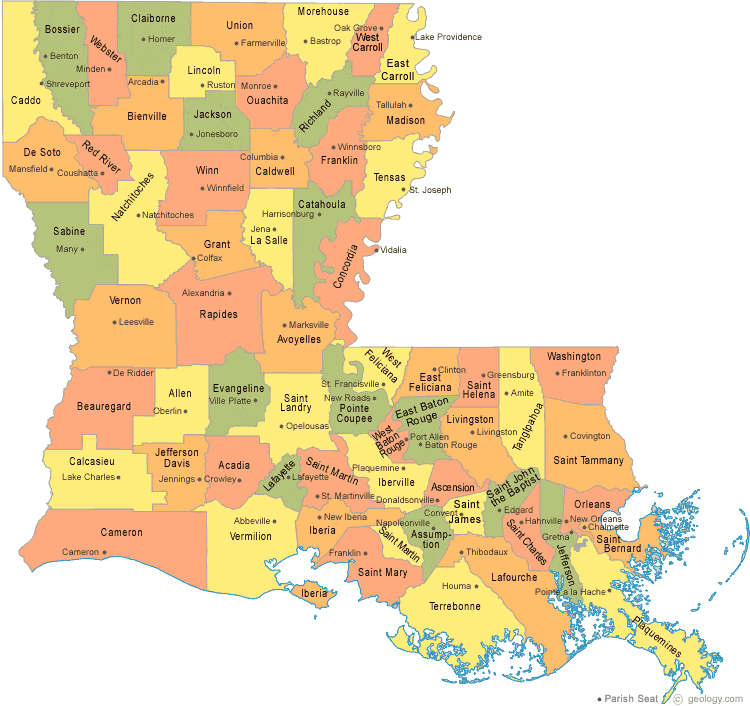
Understanding the Parish System in Louisiana
To truly grasp what parishes are in New Orleans, it’s essential to understand their origin and how they differ from the county system prevalent elsewhere. The adoption of the term “parish” stems from the state’s unique historical trajectory. Louisiana, once a French and Spanish colony, inherited administrative structures that differed from the English common law traditions that shaped most of the United States. In these colonial contexts, ecclesiastical boundaries, or areas served by a church parish, often formed the basis of civil administration. When Louisiana became a United States territory and later a state, these historical divisions persisted, evolving into the civil parishes we see today.
From Ecclesiastical Roots to Civil Divisions
The historical transition from church-based governance to a secular civil administration was gradual. Initially, the Church played a significant role in daily life and administration, with priests often acting as local officials. Over time, these ecclesiastical districts were formalized into civil administrative units, retaining the name “parish.” This is a key differentiator from the rest of the United States, where counties are typically secular divisions established from the outset. The concept can be a bit of a geographical quirk for visitors, but it’s fundamental to understanding Louisiana’s unique identity.
Parishes vs. Counties: A Key Distinction
The primary difference between a parish and a county lies in their origin and nomenclature. Counties are a distinctly Anglo-American administrative division, rooted in English common law. Parishes, on the other hand, are a direct legacy of Louisiana’s French and Spanish colonial past, reflecting a different administrative and cultural heritage. Functionally, however, they serve a similar purpose: to divide the state into manageable administrative regions for governance, law enforcement, and other public services. While the term “county” might conjure images of sheriff’s departments and county courthouses in other states, in Louisiana, these roles are fulfilled by parish presidents, parish councils, and parish sheriffs.
The Parishes of New Orleans: A Closer Look
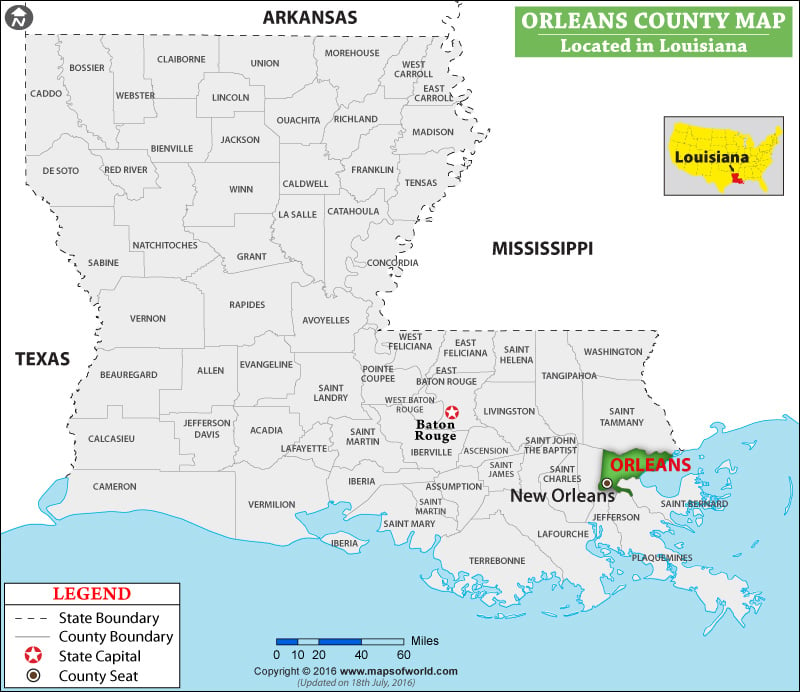
New Orleans itself is not a single parish but is deeply intertwined with the parishes that surround it. The most prominent and often referenced parish in relation to the city is Orleans Parish. However, the city’s influence and identity extend beyond its official parish boundaries, spilling into neighboring parishes that form the greater New Orleans metropolitan area. Understanding these distinctions is crucial for travelers looking to explore the full breadth of the region’s offerings, from the historic heart of the French Quarter to the charming outlying communities.
Orleans Parish: The Heart of the City
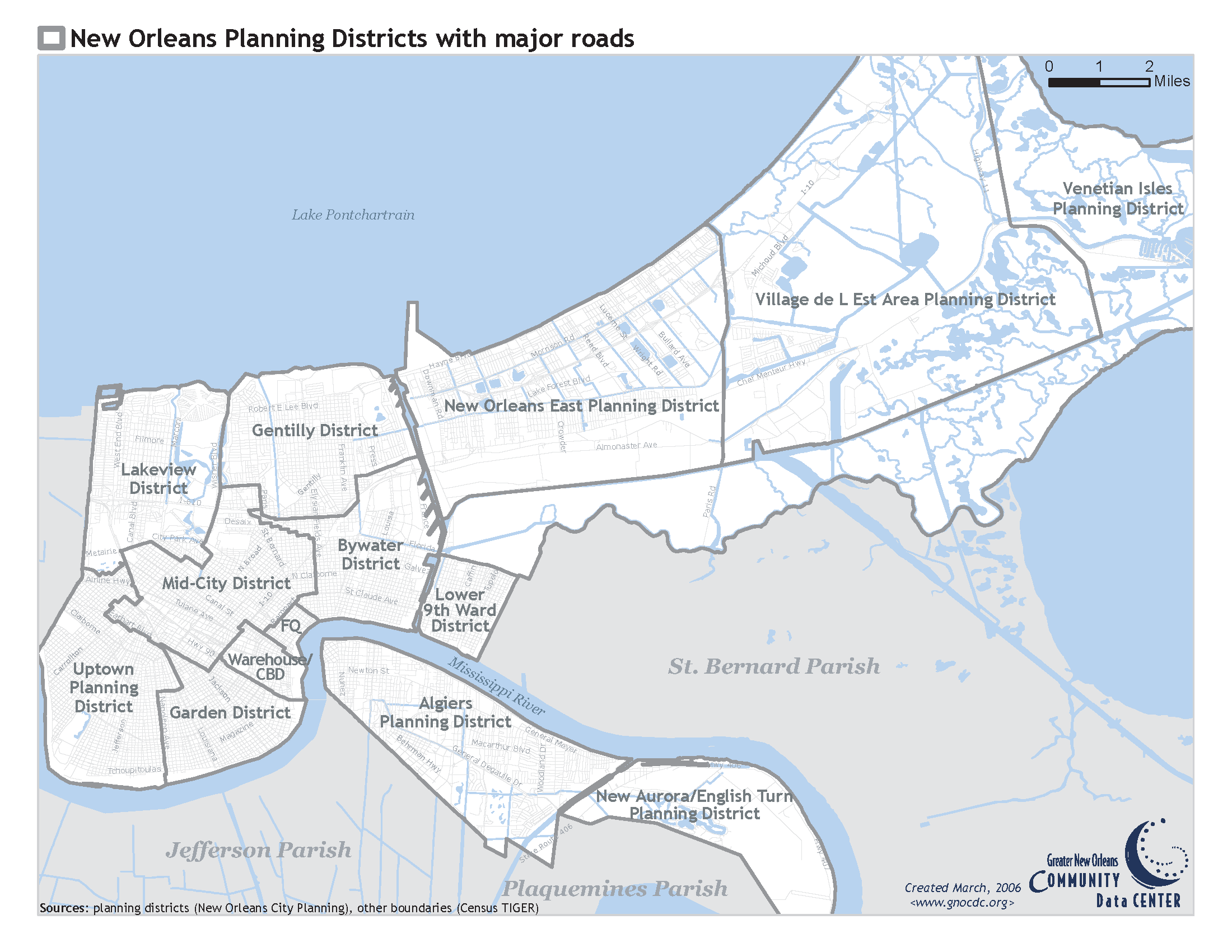
Orleans Parish is synonymous with the iconic city of New Orleans. This parish encompasses the historic core of the city, including famous neighborhoods like the French Quarter, Garden District, and Uptown. When people refer to “the city of New Orleans,” they are almost always talking about Orleans Parish. It is the seat of governance for the city, housing City Hall and other key administrative buildings. The cultural attractions, renowned culinary scene, and vibrant nightlife that draw millions of tourists each year are predominantly located within Orleans Parish. Planning a trip focused on classic New Orleans experiences? You’ll likely be spending the majority of your time within its vibrant borders.
Neighboring Parishes: Expanding the New Orleans Experience
While Orleans Parish is the most recognized, the greater New Orleans region is comprised of several other parishes, each with its own unique character and attractions. Exploring these adjacent parishes offers a richer and more nuanced understanding of the area’s diverse landscape and culture.
Jefferson Parish: A Diverse Neighbor
To the west of Orleans Parish lies Jefferson Parish. This parish is a significant part of the metropolitan area and hosts a diverse population and economy. It includes communities like Metairie, a large suburban hub, and also boasts significant industrial and commercial areas along the Mississippi River. For travelers, Jefferson Parish offers a different perspective on New Orleans life, with its own array of restaurants, parks, and local businesses. Visitors might find themselves exploring areas like the Audubon Aquarium of the Americas which, while often associated with New Orleans, is actually located in Jefferson Parish, just across the river. Accommodation options here can sometimes offer a more suburban feel, with hotels and apartments catering to both leisure and business travelers.
St. Tammany Parish: The Northshore Charm
Across Lake Pontchartrain to the north lies St. Tammany Parish, often referred to as the “Northshore” of New Orleans. This parish offers a more serene and nature-oriented experience compared to the bustling city. Towns like Covington and Mandeville are known for their charming downtown areas, art galleries, and access to natural beauty. Visitors can enjoy activities like exploring the Abita Brewing Company, hiking in the Chauvin Sculpture Garden, or simply enjoying the relaxed pace of life. The commute from the Northshore to New Orleans is made possible by the impressive Lake Pontchartrain Causeway, one of the longest bridges in the world, offering scenic views as you travel. St. Tammany Parish represents a significant portion of the New Orleans metropolitan area and contributes to its overall cultural and economic landscape.
Other Surrounding Parishes: Expanding the Horizon
Beyond Jefferson and St. Tammany, other parishes contribute to the broader New Orleans region, including St. Bernard Parish to the east and Plaquemines Parish further south, known for its rich fishing heritage and unique delta landscapes. While these might not be primary tourist destinations for a first-time visitor, they offer deeper dives into the Louisiana way of life, particularly for those interested in the state’s natural resources, fishing industry, and distinct coastal communities. Exploring these areas can lead to authentic culinary experiences, particularly with fresh seafood, and a glimpse into the lives of those who inhabit the edges of the Mississippi River Delta.
Experiencing New Orleans: Navigating by Parish
For travelers planning a visit to New Orleans, understanding the parish system can subtly enhance your travel experience and planning. It helps in navigating the region, understanding local governance, and even in choosing accommodation. For instance, if you’re seeking the quintessential New Orleans buzz, you’ll likely focus your attention on Orleans Parish. If you’re looking for a more budget-friendly hotel or a quieter resort experience, you might consider options in Jefferson Parish. And if a nature escape or a taste of small-town Louisiana charm is on your agenda, the parishes across Lake Pontchartrain offer compelling choices.
Choosing Accommodation: Parish-Specific Considerations
When searching for hotels, resorts, apartments, or villas, the parish in which they are located can influence your choices and expectations. Staying within Orleans Parish offers immediate access to most major attractions, such as the French Quarter, Jackson Square, and the historic streetcar lines. This can be ideal for first-time visitors who want to immerse themselves in the iconic New Orleans atmosphere. However, accommodation prices within Orleans Parish, particularly in prime tourist areas, can be higher.
For those seeking potentially more affordable accommodation or a different vibe, looking at Jefferson Parish can be a smart move. Areas like Metairie offer a wide range of hotels and apartment rentals, often with easier parking and more conventional amenities. It’s a viable option for families or budget travelers who are willing to use ride-sharing services or rental cars to access the main attractions of New Orleans. Likewise, the Northshore parishes, like St. Tammany, provide a completely different accommodation experience, with charming inns, bed and breakfasts, and properties set amidst natural beauty, perfect for a more relaxed lifestyle retreat.
Exploring Attractions and Activities by Parish
The renowned landmarks, cultural institutions, and natural wonders of the New Orleans area are distributed across these parishes, each contributing to the region’s allure.
In Orleans Parish, you’ll find the heart of the city’s most famous attractions: the historic architecture of the French Quarter, the vibrant music scene on Bourbon Street, and the impressive New Orleans Museum of Art. The historic cemeteries, such as St. Louis Cemetery No. 1, and the National WWII Museum are also within Orleans Parish.
Venturing into Jefferson Parish reveals attractions like the Audubon Aquarium of the Americas and the Audubon Butterfly Garden and Insectarium (both of which are technically in Jefferson Parish despite their strong association with New Orleans). You can also explore areas like City Park which, although located within Orleans Parish, is a massive urban park that borders Jefferson Parish, offering a vast expanse for recreation and cultural events.
St. Tammany Parish beckons with its natural beauty and artistic flair. Visitors can explore the Tammany Trace, a scenic multi-use trail, visit the unique art installations at the Abita Mystery House, or enjoy the charming shops and restaurants in towns like Old Mandeville. The parish’s proximity to the Gulf Coast also offers opportunities for water-based activities.
Beyond the City Limits: Understanding Louisiana’s Unique Geography
The parish system is a fundamental aspect of Louisiana’s identity, setting it apart from the rest of the United States. It’s a reminder of the state’s rich and complex history, shaped by French, Spanish, African, and American influences. For travelers, understanding the concept of parishes in New Orleans is more than just a geographical footnote; it’s a gateway to appreciating the diverse cultural tapestry and administrative nuances of this extraordinary region. Whether you’re exploring the historic streets of the French Quarter in Orleans Parish, enjoying the suburban comforts of Jefferson Parish, or seeking the tranquil charm of St. Tammany Parish, each parish contributes a unique flavor to the vibrant New Orleans experience. So, the next time you hear about a place in New Orleans, remember to consider which parish it calls home – it might just unlock a deeper appreciation for this captivating corner of the United States.
LifeOutOfTheBox is a participant in the Amazon Services LLC Associates Program, an affiliate advertising program designed to provide a means for sites to earn advertising fees by advertising and linking to Amazon.com. Amazon, the Amazon logo, AmazonSupply, and the AmazonSupply logo are trademarks of Amazon.com, Inc. or its affiliates. As an Amazon Associate we earn affiliate commissions from qualifying purchases.