
Embarking on a journey through the Cornhusker State promises a tapestry of diverse landscapes, vibrant cities, and serene natural beauty. From the bustling streets of Omaha to the awe-inspiring bluffs of the western panhandle, Nebraska offers an unforgettable experience for every traveler. However, before you pack your bags and set your GPS, there’s one crucial detail to consider that can profoundly impact your travel plans: time. Unlike many states, Nebraska spans two distinct time zones, a geographical quirk that can lead to confusion if not properly understood. For a seamless adventure, knowing what time it is, and where, is as fundamental as knowing your destination.
This comprehensive guide delves into the intricacies of Nebraska’s time zones, offering insights crucial for planning your itinerary, booking accommodations, and fully immersing yourself in the local lifestyle. Whether you’re a seasoned traveler seeking historical landmarks, a family planning a fun-filled getaway, or a business professional attending a conference, understanding the temporal landscape of Nebraska is your first step towards a truly memorable journey.
Navigating Nebraska’s Dual Time Zones
At first glance, understanding Nebraska’s time zones might seem straightforward, but the nuances of its geographic split can surprise even experienced travelers. The state is primarily governed by the Central Time Zone (CT), which observes Central Daylight Time (CDT) during the warmer months. However, a significant portion of its westernmost counties operates under the Mountain Time Zone (MT), transitioning to Mountain Daylight Time (MDT) in spring. This division means that depending on where you are in the state, your clock might be set one hour earlier than that of someone just a few counties away. Both time zones in Nebraska participate in Daylight Saving Time, further adding to the need for careful planning when adjusting schedules during the spring forward and fall back periods.
The Central Time Zone Dominance
The vast majority of Nebraska, encompassing its most populous cities and agricultural heartland, falls within the Central Time Zone. This includes major urban centers like Omaha and the state capital, Lincoln, along with bustling hubs such as Grand Island, Kearney, and North Platte. These cities serve as cultural, economic, and transportation focal points, drawing countless visitors each year. For travelers exploring the eastern and central regions, your devices will automatically adjust to CT, typically rendering time-related concerns minimal.
Within the Central Time Zone, you’ll find an abundance of attractions. In Omaha, the Henry Doorly Zoo and Aquarium consistently ranks among the world’s best, offering an immersive experience that can easily fill an entire day. Nearby, the historic Old Market district beckons with cobblestone streets, unique boutiques, and an array of dining options perfect for an evening stroll. Lincoln boasts the stunning State Capitol Building, an architectural marvel, and the vibrant Haymarket District, renowned for its farmers’ markets, galleries, and entertainment venues. Further west, Kearney is famous for its Archway Monument spanning Interstate 80, chronicling the history of westward expansion. These destinations, all synchronized by the Central Time Zone, allow for seamless transitions between activities, making multi-city itineraries straightforward.
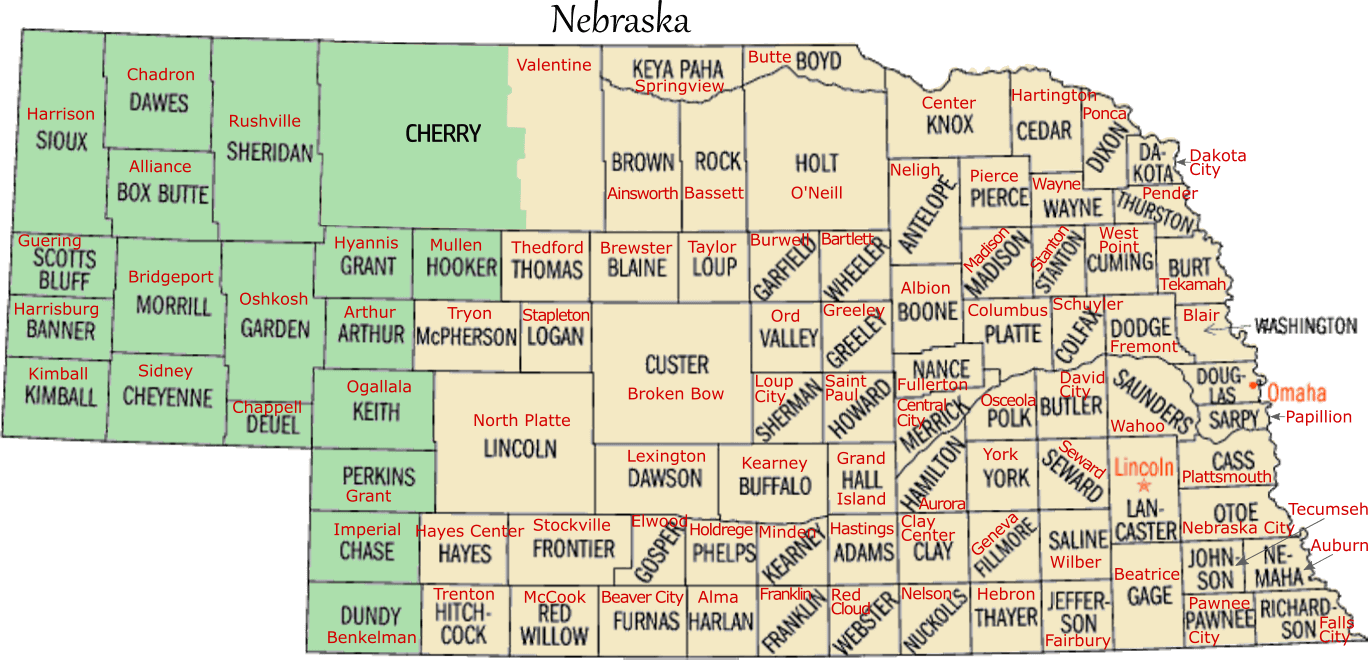
The Mountain Time Zone Frontier
The western edge of Nebraska transitions into the rugged beauty of the Mountain Time Zone. This region, often referred to as the Nebraska Panhandle, includes counties such as Banner County, Box Butte County, Cheyenne County, Dawes County, Deuel County, Garden County, Kimball County, Morrill County, Scotts Bluff County, and Sioux County. Key cities in this zone include Scottsbluff, Chadron, and Sidney. Here, the clocks are set back by one hour compared to the rest of the state, a difference that becomes critical when coordinating plans across the time zone boundary.
The Mountain Time Zone offers a vastly different, yet equally captivating, travel experience. This area is celebrated for its dramatic geological formations, rich pioneering history, and abundant outdoor recreational opportunities. Scottsbluff, the largest city in the panhandle, serves as a gateway to the iconic Scotts Bluff National Monument, a landmark that guided countless pioneers along the Oregon Trail. Nearby, the instantly recognizable spire of Chimney Rock National Historic Site stands as a testament to the perseverance of early settlers. Further north, Chadron is home to Chadron State Park, Nebraska’s oldest state park, offering hiking, horseback riding, and stunning views of the Pine Ridge. The transition into Mountain Time signals a shift not just in time, but in landscape and historical narrative, inviting travelers to explore a more rugged, untamed side of the state.
Why Time Zones Matter for Your Nebraska Adventure
Understanding Nebraska’s time zones is far more than a trivial detail; it’s a critical component of successful travel planning, particularly when traversing the state from east to west or vice-versa. Overlooking this detail can lead to missed appointments, delayed check-ins, or even closed attractions, transforming a smooth trip into a logistical puzzle. For those traveling for specific events, such as a concert in Omaha followed by a hike in Scotts Bluff National Monument, meticulous time management is paramount.
Planning Your Itinerary Across the Cornhusker State
When crafting your Nebraska itinerary, especially one that spans both time zones, it’s essential to account for the one-hour shift. If you’re driving from Lincoln (CT) to Scottsbluff (MT), your estimated arrival time should subtract an hour from the clock. For instance, a four-hour drive departing at 8 AM CT would mean arriving at 11 AM MT, not 12 PM MT. This might seem minor, but it can significantly impact how much you can do in a day, especially if you have evening plans or want to catch a specific sunset view at a landmark like Scotts Bluff National Monument.
Consider visiting Ashfall Fossil Beds State Historical Park in the Central Time Zone in the morning, then heading west to Fort Robinson State Park near Chadron in the Mountain Time Zone. If the Fort Robinson visitor center closes at 5 PM MT, and you leave Ashfall at 1 PM CT for a 3-hour drive, you’d arrive at 3 PM MT, giving you ample time. However, if you mistakenly calculate by CT, you might think you’re arriving at 4 PM MT and rush, or worse, arrive after closing. Carefully planning meal times, museum visits, and outdoor activities around the time zone changes will maximize your exploration and minimize stress.

Booking Accommodation and Activities Seamlessly
Accommodation and activity bookings are where time zone discrepancies can cause the most practical problems. Hotels, resorts, and tour operators across Nebraska will always operate on their local time. When booking a hotel in Scottsbluff from Omaha, ensure your arrival time reflects the Mountain Time Zone. Similarly, if you’ve booked a horseback riding tour at Fort Robinson State Park for 9 AM MT, remember that’s 10 AM CT if you’re calling from the eastern part of the state.
Travelers seeking specific experiences, such as a guided fishing trip on the Niobrara River or a visit to Toadstool Geologic Park, must confirm the local time for their reservations. This is especially pertinent for business travelers, where punctuality for meetings is critical, or for families with young children whose schedules are often rigid. Always double-check reservation confirmations to ensure the listed times align with the local time zone of the destination. Many online booking platforms will automatically adjust based on your current location, but a manual check provides an extra layer of security. Reviewing cancellation policies and understanding check-in/check-out times in local context can prevent unnecessary fees or logistical headaches.
Iconic Destinations and Their Respective Clocks
Nebraska’s appeal lies in its diverse offerings, from vibrant urban centers to breathtaking natural wonders. Each destination has its unique rhythm, partly dictated by its geographical position and corresponding time zone. Exploring these areas requires an appreciation for their distinct local times, which in turn influences the daily flow of activities, dining, and cultural experiences.
Eastern Wonders: Omaha and Lincoln by Central Time
In the Central Time Zone, Omaha and Lincoln stand as beacons of urban exploration and cultural immersion. Omaha, Nebraska’s largest city, pulses with energy. Beyond the famed Henry Doorly Zoo and Aquarium, visitors can explore Lauritzen Gardens, a stunning botanical oasis, or immerse themselves in art at the Joslyn Art Museum. The Old Market comes alive in the evenings, offering a plethora of restaurants, bars, and entertainment venues where the Central Time Zone dictates opening and closing hours. Business travelers will find that conferences and meetings in Omaha and Lincoln adhere strictly to CT, making communication with colleagues in different zones an important consideration.
Lincoln, the state capital, offers a charming blend of history, education, and recreation. The University of Nebraska-Lincoln brings a youthful vibrancy to the city, especially on game days at Memorial Stadium, where events kick off precisely on CT. Beyond the State Capitol Building, attractions like the beautiful Sunken Gardens and the Museum of American Speed provide engaging experiences within the comforting consistency of Central Time. Dining reservations, show times, and tour schedules throughout these cities are all firmly anchored to CT, simplifying the daily planning for visitors staying within this region.
Western Horizons: Scottsbluff and the Mountain Time Experience
Venturing into the Mountain Time Zone reveals a different pace and character, dominated by the majestic landscapes of western Nebraska. Scottsbluff is the natural hub here, offering direct access to the Oregon Trail landmarks. Climbing to the top of Scotts Bluff National Monument offers panoramic views, an experience best enjoyed around sunset, which will occur an hour later by the clock than it would in Omaha. This extra hour of daylight in the evening by the CT clock can significantly extend your outdoor adventure time.
Nearby, Chimney Rock National Historic Site and Wildcat Hills State Recreation Area also operate on Mountain Time. Farther north, the rugged beauty of Fort Robinson State Park near Crawford (also MT) invites visitors to explore historical sites and participate in horseback riding or jeep tours. Even unique attractions like Carhenge near Alliance, while closer to the time zone boundary, officially sit within the Mountain Time Zone boundary, offering a quirky photo opportunity. For those staying in the panhandle, synchronizing with Mountain Time is second nature, allowing for uninterrupted exploration of these incredible historical and natural landmarks. However, for a multi-day trip spanning both ends of the state, maintaining awareness of the hour difference is key to a harmonious itinerary.
Embracing the Nebraska Lifestyle, One Time Zone at a Time
Nebraska’s dual time zones aren’t merely a logistical challenge; they also subtly influence the lifestyle and rhythm of the state. The long summer evenings in the Mountain Time Zone allow for extended outdoor activities, while the bustling mornings in Central Time Zone cities kickstart the day with urban energy. Understanding and embracing these nuances enhances the travel experience, allowing visitors to fully appreciate the local culture and adapt to the pace of life in different regions.
From Sunrise to Sunset: Making the Most of Your Schedule
For the adventurous traveler, the time zone difference can actually be leveraged to your advantage. If you’re an early riser, starting your day in the Mountain Time Zone means experiencing an earlier sunrise by your body’s CT clock, giving you a head start on activities. Conversely, the later sunset in MT, relative to CT, offers more daylight hours in the evening for scenic drives, hiking, or photography, particularly appealing during the summer months when daylight is precious. Imagine capturing the last golden rays over Scotts Bluff National Monument or enjoying an extended evening paddle on the Platte River near North Platte – these experiences are shaped by the local time.
For families, adjusting schedules for meal times and bedtime routines can be a consideration. Children, especially, might feel the effects of the time change, even if it’s just one hour. Planning for a slightly later dinner in the Mountain Time Zone or an earlier start to the day in the Central Time Zone can help maintain a consistent rhythm. The slower pace of life in the panhandle often means businesses might open and close slightly earlier than in the larger eastern cities, so checking local operating hours is always a wise move.
Practical Tips for a Timeless Nebraska Journey
To ensure a smooth and enjoyable trip through Nebraska, here are some practical tips to navigate its dual time zones:
- Set Your Devices to Automatic: Most smartphones, smartwatches, and GPS devices will automatically adjust to the local time zone when you cross the boundary. Trusting this feature is usually the easiest way to stay synchronized.
- Carry a Backup Watch: For those who prefer analog, setting a secondary watch to the time zone of your next destination can be a helpful visual reminder.
- Confirm All Reservations: When booking flights, hotels, car rentals, tours, or dining experiences, always confirm the time zone of the booking. This is especially crucial for connections or transfers.
- Communicate Clearly: If you’re coordinating with people in different parts of the state, always specify the time zone when discussing meeting times or event schedules (e.g., “10 AM CT” or “9 AM MT”).
- Plan Buffer Time: When traveling across the time zone boundary, build in extra buffer time. This accounts for unexpected delays and ensures you’re not rushing or missing out due to a time miscalculation.
- Embrace the Change: See the time zone shift as part of the unique Nebraska experience. It’s a reminder of the state’s vastness and diversity, from the bustling east to the rugged west.
Whether you’re marveling at the geological formations in the Pine Ridge, exploring the historical significance of Homestead National Historical Park near Beatrice (CT), or simply enjoying the tranquil beauty of the Sandhills, Nebraska invites you to discover its charm at your own pace. By understanding and respecting the rhythm of its two time zones, your journey through this captivating state will be as effortless as it is unforgettable. So go ahead, set your watch, and prepare for an incredible Nebraska adventure!
LifeOutOfTheBox is a participant in the Amazon Services LLC Associates Program, an affiliate advertising program designed to provide a means for sites to earn advertising fees by advertising and linking to Amazon.com. Amazon, the Amazon logo, AmazonSupply, and the AmazonSupply logo are trademarks of Amazon.com, Inc. or its affiliates. As an Amazon Associate we earn affiliate commissions from qualifying purchases.