
The question of “How Far Is From New York To London?” might seem straightforward at first glance, a simple matter of geographical distance. However, for the traveler, this query opens a Pandora’s box of considerations, encompassing not just miles but also time, cost, experience, and the anticipation of an extraordinary journey. Spanning the vast expanse of the Atlantic Ocean, the voyage between these two iconic global cities is more than just a physical relocation; it’s an immersion into distinct cultures, historical narratives, and diverse lifestyles. This article delves into the multifaceted nature of this transatlantic passage, exploring the practicalities of travel, the allure of the destinations, and the myriad ways one can bridge the gap between the bustling energy of New York City and the historic charm of London.

The Tangible Distance: Miles and Minutes
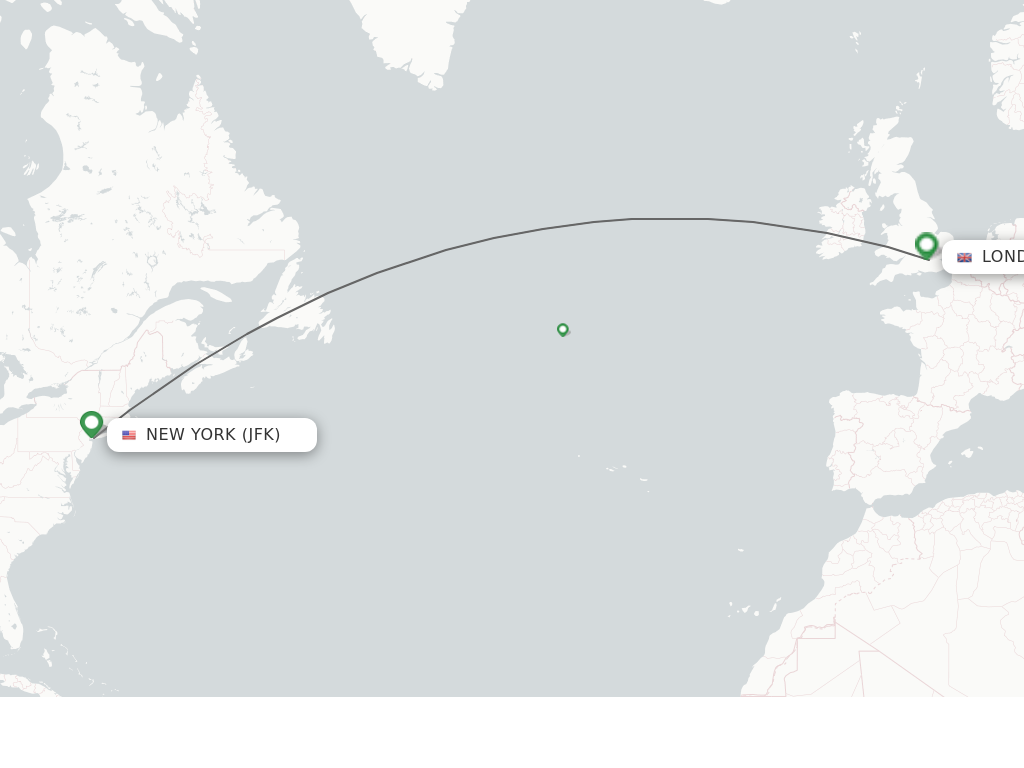
At its core, the distance between New York and London is a matter of geography. Measured by the most direct flight path, the great circle distance is approximately 3,459 miles (5,567 kilometers). This seemingly simple figure, however, translates into a significant portion of a day spent in transit, even with the marvels of modern aviation.
By Air: The Swift Transatlantic Crossing
The most common and practical method for traversing the New York to London expanse is by airplane. Direct flights from major New York airports, such as John F. Kennedy International Airport (JFK) and Newark Liberty International Airport (EWR), to London‘s primary gateways, including Heathrow Airport (LHR) and Gatwick Airport (LGW), typically take around 7 to 8 hours. This duration can fluctuate slightly depending on prevailing winds and specific flight paths.
The experience of flying across the Atlantic has become a familiar ritual for many. Airlines like British Airways, Virgin Atlantic, and Delta Air Lines offer frequent services, each providing a range of cabin classes from economy to first class, catering to different budgets and comfort preferences. The decision to fly often hinges on balancing the time commitment with the desire for a swift arrival at the destination, allowing for more exploration time in either city.
Beyond the Direct Route: Exploring Different Travel Styles
While direct flights are the norm, the question of “how far” can also be interpreted through the lens of slower, more immersive travel. Though less common for this specific route due to the vast ocean, the concept of a slower journey is inherent in other travel styles. For instance, while a cruise directly across the Atlantic is not a mainstream option for this particular itinerary, repositioning cruises do occasionally offer this experience, turning the journey itself into a significant part of the adventure. Such voyages would extend the travel time to several days, offering a leisurely pace, onboard amenities, and a unique perspective on the ocean.
For those with an extreme sense of adventure or a commitment to avoiding air travel, the possibility of circumnavigating the globe via land and sea would, of course, make the “distance” immeasurable in a single, direct sense. However, for the vast majority of travelers asking “How Far Is From New York To London?”, the focus remains on efficient and enjoyable transit.
Bridging the Continents: The Experience of Arrival
The distance between New York and London is not just measured in miles; it’s also measured in the distinct cultural experiences that await at either end of the journey.
The Energetic Pulse of New York City
New York City, often referred to as “The City That Never Sleeps,” is a global epicenter of commerce, fashion, art, and entertainment. From the towering skyscrapers of Manhattan to the vibrant streets of Brooklyn, the city offers an unparalleled array of attractions. Visitors can marvel at the architectural grandeur of the Empire State Building, stroll through the green expanse of Central Park, or immerse themselves in the artistic wonders of The Metropolitan Museum of Art. The city’s diverse culinary scene, from Michelin-starred restaurants to humble street food vendors, is a testament to its multicultural fabric. The sheer energy and constant motion of New York are captivating, providing a dynamic starting point for any transatlantic adventure.
The Timeless Allure of London
Across the Atlantic, London offers a different, yet equally compelling, narrative. This historic capital is a tapestry woven from centuries of tradition, innovation, and royal heritage. Iconic landmarks such as the Houses of Parliament and Big Ben, the majestic Tower of London, and the regal Buckingham Palace stand as enduring symbols of the city’s past. London‘s cultural landscape is incredibly rich, boasting world-class museums like the British Museum and the National Gallery, alongside vibrant theatre scenes in the West End. The city’s diverse neighborhoods, from the trendy boutiques of Notting Hill to the bustling markets of Camden Town, each offer a unique flavor and experience. The blend of historic charm and modern dynamism makes London a destination that consistently draws visitors from around the globe.
Practicalities of the Passage: Planning Your Journey

Understanding the distance is the first step; the next is planning how to best traverse it, considering accommodation, lifestyle, and the overall travel experience.
Choosing Your London Base: Accommodation and Lifestyle
Once you’ve decided to make the journey, the question of where to stay in London becomes paramount. The city offers a vast spectrum of accommodation options, catering to every budget and travel style.
Luxury Stays and Iconic Hotels
For those seeking the pinnacle of comfort and service, London boasts an array of world-renowned luxury hotels. Establishments like The Savoy, The Ritz London, and Claridge’s offer opulent suites, impeccable service, and a taste of historical grandeur. These hotels often provide a sanctuary from the city’s hustle and bustle, with fine dining restaurants, exclusive amenities, and prime locations. Whether you’re indulging in a luxury travel experience or seeking a lavish base for a business stay, these hotels redefine the concept of a five-star experience.
Boutique Charm and Unique Apartments
Beyond the grand hotels, London is also home to a wealth of charming boutique hotels and stylish serviced apartments. Neighborhoods like Kensington, Mayfair, and Covent Garden are dotted with smaller, characterful establishments that offer a more intimate and personalized stay. For longer-term visitors or families, renting an apartment provides a home-away-from-home experience, allowing for greater flexibility and the opportunity to live like a local. Websites dedicated to accommodation comparison and booking can help in finding the perfect fit, whether it’s a cozy studio in Shoreditch or a spacious villa in a leafy suburb.
Budget-Friendly Options and Hostels
The thrifty traveler will find that London also offers numerous budget-friendly accommodation choices. Hostels, guesthouses, and budget hotel chains provide clean and comfortable lodging without the hefty price tag. Areas slightly outside the immediate city center, such as Earl’s Court or parts of East London, often present more affordable options, while still maintaining good transport links to the main attractions.
Experiencing London: Tourism, Culture, and Activities
The journey from New York to London is often motivated by a desire to experience a different culture, explore historical sites, and partake in local activities.
Immersing in Local Culture and Cuisine
London‘s multicultural identity is reflected in its diverse culinary scene. From traditional pubs serving hearty British fare like fish and chips to authentic international eateries in areas like Brick Lane for curry or Chinatown for Chinese cuisine, the city offers a gastronomic adventure. Exploring local food markets, such as Borough Market or Portobello Road Market, provides a sensory delight and a chance to sample regional delicacies. Engaging with local culture can also involve attending a play in the West End, visiting a traditional afternoon tea service, or simply observing the unique rhythms of daily life in different neighborhoods.
Exploring Iconic Landmarks and Natural Beauty
The city is replete with landmarks that tell stories of its past and present. A visit to the Tower of London offers a glimpse into centuries of royal history, while a walk across Tower Bridge provides stunning views of the River Thames. For nature lovers, Hyde Park and Regent’s Park offer vast green spaces for relaxation and recreation, providing a natural respite within the urban landscape. The Royal Botanic Gardens, Kew is another must-visit for those seeking tranquility and horticultural beauty.
Tips for the Transatlantic Traveler
For those planning their trip, remembering the time difference is crucial. London is typically five hours ahead of New York, so factor this into your arrival and departure plans to mitigate jet lag. Booking flights and accommodation in advance, especially during peak tourist seasons, is highly recommended to secure the best prices and availability. Understanding the public transport system, particularly the iconic London Underground (the “Tube”), is essential for navigating the city efficiently.
In conclusion, the question “How Far Is From New York To London?” transcends a simple mileage calculation. It encapsulates the entire journey – the anticipation, the transit, the arrival, and the immersive experiences that await. Whether you’re drawn by the iconic landmarks, the rich history, the vibrant culture, or the sheer allure of exploring a different continent, the passage between these two dynamic cities is a quintessential travel experience, offering a profound connection between two of the world’s most influential metropolises.
LifeOutOfTheBox is a participant in the Amazon Services LLC Associates Program, an affiliate advertising program designed to provide a means for sites to earn advertising fees by advertising and linking to Amazon.com. Amazon, the Amazon logo, AmazonSupply, and the AmazonSupply logo are trademarks of Amazon.com, Inc. or its affiliates. As an Amazon Associate we earn affiliate commissions from qualifying purchases.