
The United States, a vast tapestry of diverse landscapes and vibrant cultures, offers travelers an incredible array of experiences. From the bustling metropolises of the East Coast to the serene natural wonders of the Midwest, the distances between these iconic destinations can be substantial, yet they are often bridged by convenient travel options. When contemplating a journey between two distinct yet equally captivating states like Minnesota and New York, understanding the geographical span and the various ways to traverse it is key to planning an unforgettable adventure. This exploration delves into the mileage, travel times, and the unique characteristics of each location that make the journey worthwhile.
Understanding the Distance Between Minnesota and New York
The continental United States is a land of impressive scale, and the distance between Minnesota, often associated with its “Land of 10,000 Lakes” moniker and its rich Scandinavian heritage, and New York, the Empire State renowned for its iconic cityscape and diverse attractions, is considerable. This vast expanse necessitates careful consideration when planning travel, whether for business or leisure.
Geographical Span
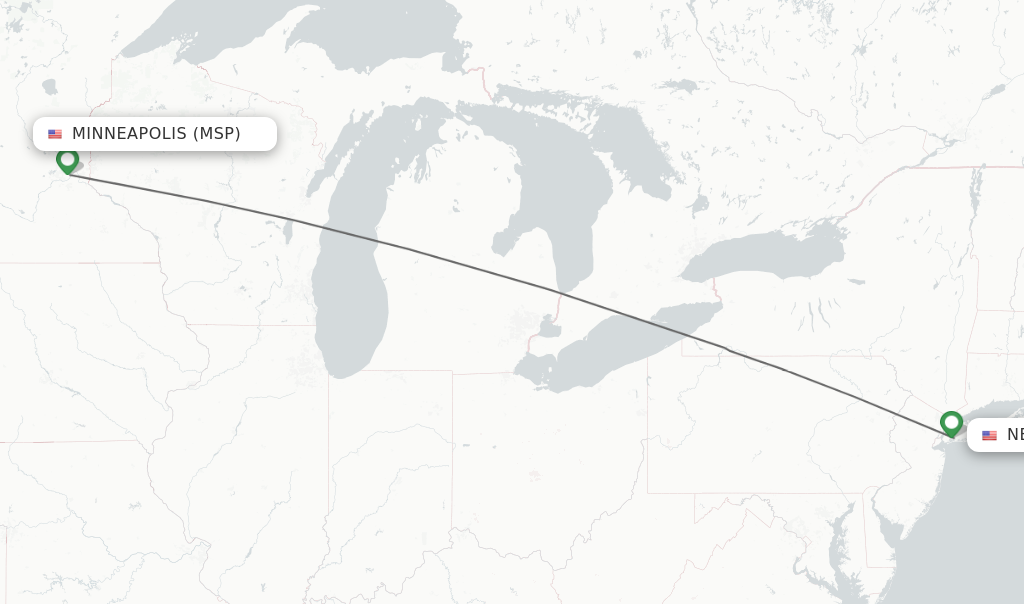
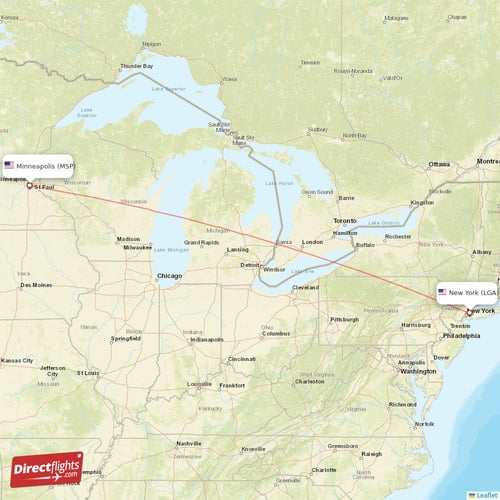
At its broadest, the distance between Minnesota and New York spans approximately 1,200 to 1,400 miles, depending on the specific starting and ending points within each state. For instance, a journey from Minneapolis in Minnesota to New York City in New York will cover a significant portion of the country. The driving route, often meandering through several other states, can extend this distance further due to the necessity of utilizing established roadways and avoiding direct cross-country paths.
Time Zones
Another crucial factor to consider is the time difference. Minnesota observes Central Time (CT), while New York operates on Eastern Time (ET). This means New York is one hour ahead of Minnesota. This temporal shift is a subtle yet important aspect of travel planning, especially for those coordinating schedules, catching flights, or arranging meetings across these two time zones.
Modes of Travel: Bridging the Gap
The significant distance between Minnesota and New York does not preclude easy travel; in fact, it highlights the efficiency and diversity of modern transportation networks. Several options are available, each offering a distinct experience and catering to different travel preferences and budgets.
Flying: The Fastest Route
For most travelers seeking efficiency, flying is the most practical and time-saving method to cover the distance between Minnesota and New York. Major airports in Minnesota, such as Minneapolis–Saint Paul International Airport (MSP), offer numerous daily flights to the various airports serving the New York metropolitan area, including John F. Kennedy International Airport (JFK), LaGuardia Airport (LGA), and Newark Liberty International Airport (EWR).
- Flight Duration: Direct flights typically range from 2.5 to 3 hours, making it the quickest way to reach your destination. This allows for a significant amount of time to be spent exploring either Minnesota or New York upon arrival, rather than being solely dedicated to transit.
- Airline Options: A wide array of airlines operate on this popular route, providing a competitive market that often translates to a range of pricing options. Booking in advance can often secure more favorable fares.
- Airport Experience: While airports can be bustling hubs, modern terminals offer amenities that make the waiting periods more comfortable, from dining options to retail outlets. The convenience of air travel makes it an ideal choice for those with limited time or those who prefer to maximize their vacation days.
Driving: A Scenic American Adventure
For the intrepid traveler who enjoys the open road and wishes to experience the diverse landscapes of the American heartland, driving from Minnesota to New York presents a unique opportunity for exploration. This journey, while significantly longer than flying, offers unparalleled flexibility and the chance to discover charming towns, natural landmarks, and roadside attractions along the way.
- Estimated Driving Time: The drive typically takes around 18 to 22 hours of pure driving time, excluding stops for rest, meals, and sightseeing. This means the journey is best undertaken over at least two to three days to ensure safety and allow for some enjoyment of the route.
- Major Routes: Key interstates that facilitate this cross-country drive include I-90, which runs from South Dakota (not far from Minnesota) all the way to Boston, Massachusetts, and can be connected to New York via other routes. Alternatively, a more southerly route might involve I-80, which passes through states like Pennsylvania. Each route offers its own set of potential attractions.
- Roadside Attractions and Detours: This is where the driving experience truly shines. Potential stops could include the Mount Rushmore National Memorial in South Dakota, the picturesque Great Lakes shoreline, or the historic cities of the Midwest and Northeast. Planning these detours can transform a simple transit into a memorable road trip, allowing for deeper engagement with the country’s varied geography and history. Consider visiting a national park like Cuyahoga Valley National Park in Ohio, or exploring the historical significance of Gettysburg National Military Park in Pennsylvania.
- Accommodation and Amenities: Along the driving routes, travelers will find a plethora of hotels, motels, and roadside inns offering accommodation. From budget-friendly options to more upscale establishments, finding a comfortable place to rest is rarely an issue. Numerous gas stations, convenience stores, and restaurants are also readily available.
Train Travel: A Relaxing Perspective

For those who prefer a more leisurely and scenic travel experience, train travel offers a charming alternative. While often not the fastest option, it provides an opportunity to relax, enjoy the passing landscapes, and avoid the stresses associated with airports and driving.
- Amtrak Routes: Amtrak operates train services that connect various parts of the country. While there might not be a direct train from Minneapolis to New York City, connections can be made. For example, a traveler might take a train from Minneapolis to Chicago, and then board another Amtrak service like the Empire Builder (which can connect to the East Coast) or the Lake Shore Limited which travels from Chicago to New York City.
- Journey Duration: Train journeys are significantly longer than flights, often spanning 24 to 36 hours or more, depending on the specific route and layovers. This makes it a choice for those with ample time who value the journey itself.
- Onboard Experience: Amtrak trains offer various classes of service, from coach seating to private sleeper cars, providing a comfortable way to travel. Dining cars, observation cars, and the ability to walk around the train contribute to a unique and often enjoyable travel experience. It’s a fantastic way to witness the changing scenery from the heart of the country to the eastern seaboard.
Exploring Minnesota and New York: Destinations Worth the Journey
The distance between Minnesota and New York is more than just mileage; it’s a geographical representation of two distinct regions of the United States, each offering unique attractions and experiences that draw millions of visitors annually.
Minnesota: The Land of Lakes and Nature
Minnesota is celebrated for its abundant natural beauty, particularly its nearly 12,000 lakes, making it a paradise for outdoor enthusiasts.
- Attractions and Activities: Beyond its famous lakes, Minnesota boasts the majestic Mississippi River, which originates in the state. Visitors can explore the Boundary Waters Canoe Area Wilderness, a vast tract of pristine wilderness perfect for canoeing, kayaking, and camping. The Mall of America in Bloomington is a shopper’s paradise and entertainment complex. For a dose of urban culture, Minneapolis and St. Paul (the “Twin Cities”) offer world-class museums like the Minneapolis Institute of Art, vibrant live music venues, and a thriving culinary scene. The historic city of Duluth on the shores of Lake Superior provides stunning views and maritime history.
- Accommodation: Travelers can find a wide range of accommodation options in Minnesota, from charming lakeside cabins and rustic resorts to modern hotels in the Twin Cities. For longer stays or a more home-like experience, apartments and vacation rentals are also readily available.
New York: The Empire State of Icons and Culture
New York is globally recognized for its iconic landmarks, unparalleled cultural offerings, and dynamic urban energy, particularly in New York City.
- Attractions and Activities: New York City is a world unto itself, home to iconic landmarks such as the Statue of Liberty, Empire State Building, Times Square, and Central Park. The city’s diverse neighborhoods offer unique experiences, from the artistic enclaves of Greenwich Village to the culinary delights of Chinatown and Little Italy. Beyond the city, New York State offers natural wonders like the awe-inspiring Niagara Falls, the scenic beauty of the Adirondack Mountains, and the historic charm of the Hudson Valley. The state also boasts numerous wineries and breweries, particularly in the Finger Lakes region.
- Accommodation: New York offers an extensive array of accommodations. In New York City, you can find everything from ultra-luxury suites in five-star hotels like the Plaza Hotel to boutique hotels and budget-friendly hostels. Throughout the state, resorts, charming bed and breakfasts, and lakeside villas cater to various tastes and budgets, making it easy to find the perfect place to stay, whether for a short visit or a more extended exploration.
Planning Your Transcontinental Journey
Regardless of your chosen mode of transport, meticulous planning is the cornerstone of a successful journey between Minnesota and New York. Understanding the nuances of each travel option and the attractions available at your destination will ensure a smooth and enriching experience.
Logistics and Booking
When booking flights, comparing prices across different airlines and considering flexible dates can lead to significant savings. For road trips, researching the best routes, potential overnight stops, and budgeting for gas, food, and lodging is essential. Train tickets, especially for sleeper accommodations, are best booked well in advance.
Accommodation Choices
Whether you opt for a luxurious resort in the Adirondacks, a stylish apartment in Manhattan, or a cozy cabin near a Minnesota lake, booking your accommodation in advance is highly recommended, especially during peak travel seasons. Websites offering comparison and reviews can be invaluable tools in selecting the perfect stay that aligns with your lifestyle and travel budget, be it a family trip, a romantic getaway, or a business stay.
Maximizing Your Experience
The distance between Minnesota and New York is an invitation to explore the breadth and depth of the American landscape and culture. By carefully considering your travel preferences and thoroughly planning your itinerary, you can transform this transcontinental journey into an unforgettable adventure, filled with discovery, relaxation, and a deeper appreciation for the diverse offerings of the United States.
LifeOutOfTheBox is a participant in the Amazon Services LLC Associates Program, an affiliate advertising program designed to provide a means for sites to earn advertising fees by advertising and linking to Amazon.com. Amazon, the Amazon logo, AmazonSupply, and the AmazonSupply logo are trademarks of Amazon.com, Inc. or its affiliates. As an Amazon Associate we earn affiliate commissions from qualifying purchases.