
The distance between two iconic New York State cities, New York City and Buffalo, is a question that sparks curiosity for many travelers and residents alike. Whether you’re planning a scenic road trip, a business excursion, or simply an escape from the urban hustle, understanding the mileage and travel times is crucial for effective planning. This comprehensive guide will delve into the specifics of traveling between these two vibrant hubs, exploring the various modes of transport, and offering insights into what makes each leg of the journey worthwhile.
The Direct Distance and Driving Routes
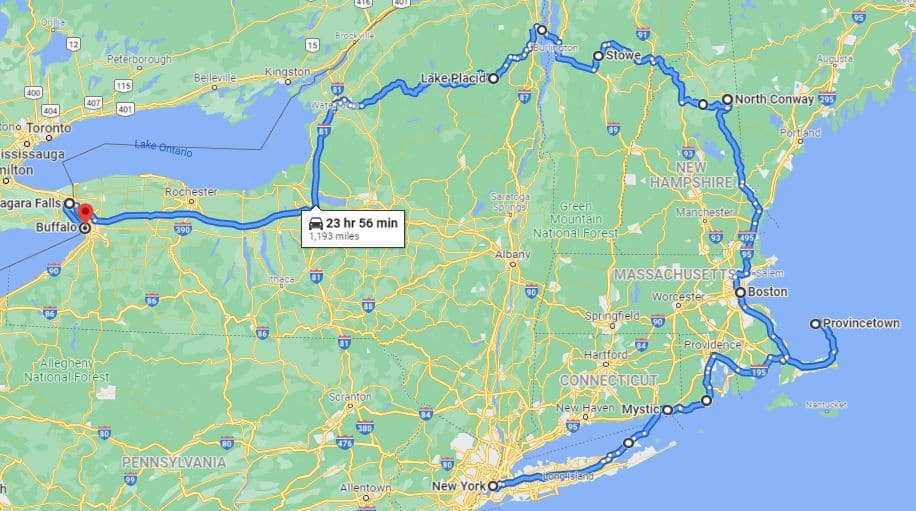
The most direct route from New York City to Buffalo covers a significant stretch of the Empire State. By road, the distance is approximately 370 to 400 miles, depending on the specific starting and ending points within each city and the chosen highway. This journey is typically undertaken via Interstate 90 (I-90), also known as the New York State Thruway.
Driving Time and Considerations
The estimated driving time for this route can range from 6 to 7.5 hours, assuming no significant traffic delays or extended stops. This timeframe is a crucial consideration for anyone mapping out their travel itinerary. Factors that can influence this duration include:
- Traffic: Especially in and around New York City, traffic can be a major bottleneck. Leaving during off-peak hours, such as early morning or late evening, can significantly reduce travel time. The same applies to approaching Buffalo during its commuter rush.
- Weather Conditions: Winter months in New York can bring snow and ice, which can slow down traffic considerably or even lead to road closures on I-90. It’s always advisable to check weather forecasts and road conditions before embarking on the drive, especially during the colder seasons.
- Construction and Roadwork: Like any major highway, the New York State Thruway can experience construction delays. Monitoring real-time traffic apps can help identify and navigate around these issues.
- Stops: The 370+ mile journey naturally lends itself to at least one or two stops for fuel, rest, or meals. Planning these breaks in advance can help maintain a consistent pace and prevent unexpected delays.
The drive along I-90 offers a diverse glimpse into the landscape of New York State. You’ll transition from the densely populated metropolitan areas to rolling farmlands, charming small towns, and eventually, the more industrial and then lake-effect influenced scenery surrounding Buffalo and Lake Erie. For those who enjoy the freedom of the open road and the flexibility to explore along the way, driving is an excellent option.
Alternative Transportation Options
While driving is a popular choice, New York City and Buffalo are well-connected by other modes of transportation, each offering a unique travel experience and varying time commitments.
Train Travel: A Relaxing Journey
Amtrak operates a service connecting New York City‘s Penn Station to Buffalo’s Exchange Street Station (or Niagara Falls Station, a short distance away, depending on the specific train). This option provides a more relaxed way to cover the distance, allowing passengers to sit back, work, or enjoy the scenery without the stress of driving.
- Duration: Train journeys typically take between 8.5 to 10 hours. While longer than driving directly, this time can be productive or restorative.
- Comfort and Amenities: Amtrak trains often offer comfortable seating, Wi-Fi, dining car services, and the ability to move around the train, which can be a significant advantage over being confined to a car.
- Scenery: The train route offers a different perspective of New York State’s geography, often passing through areas not easily accessible by road.
- Booking: It’s recommended to book Amtrak tickets in advance, especially during peak travel seasons, to secure the best fares and availability.
Air Travel: The Fastest Route
For those prioritizing speed, flying is the most efficient way to travel between New York City and Buffalo. Both Buffalo Niagara International Airport (BUF) and several New York City area airports (such as JFK, LGA, and EWR) offer direct flights.
- Flight Duration: The actual flight time is relatively short, usually around 1.5 hours.
- Total Travel Time: However, it’s crucial to factor in travel time to and from airports, security checks, boarding, and baggage claim. This can easily add another 3-4 hours to the overall journey, making the total door-to-door time comparable to or slightly faster than driving, depending on airport proximity and efficiency.
- Cost: Airfare prices can fluctuate significantly based on demand, booking time, and airline. It’s advisable to compare prices across different airlines and booking platforms.
- Convenience: While fast, flying requires the logistical planning of getting to and from airports, which can be a consideration for travelers with significant luggage or limited mobility.
Exploring the Destinations: Why Travel Between These Cities?
The significant distance between New York City and Buffalo doesn’t diminish the appeal of traveling between them. Each city offers a distinct New York State experience, catering to a wide range of interests.
New York City: The Global Metropolis
New York City needs little introduction. It’s a global epicenter of culture, finance, fashion, and entertainment. Iconic landmarks abound, including the Statue of Liberty, Times Square, Central Park, and world-class museums like the Metropolitan Museum of Art and the Museum of Modern Art. The city is a melting pot of diverse neighborhoods, each with its unique character and culinary offerings, from the bustling streets of Manhattan to the artistic enclaves of Brooklyn. Whether you’re seeking high-end shopping, Broadway shows, or a deep dive into art and history, New York City delivers an unparalleled experience.
Buffalo: A Renaissance City on the Rise
Buffalo, located on the eastern shores of Lake Erie, is experiencing a remarkable renaissance. Historically known for its industrial past, it has transformed into a vibrant city with a thriving arts scene, a burgeoning culinary landscape, and stunning architecture.

Key Attractions in Buffalo
- Canalside: This revitalized waterfront district is a hub for activities, concerts, ice skating in winter, and waterfront dining. It’s a perfect spot to experience the modern pulse of Buffalo.
- Frank Lloyd Wright’s Darwin D. Martin House: A masterpiece of Prairie School architecture, this historic home offers a glimpse into the genius of Frank Lloyd Wright and is a must-see for architecture enthusiasts.
- Buffalo Museum of Science: Delving into natural sciences and local ecosystems, this museum is an engaging visit for families and curious minds.
- Albright-Knox Art Gallery: While undergoing significant renovations and expansion, the Albright-Knox is renowned for its impressive collection of modern and contemporary art.
- Niagara Falls: While not directly in Buffalo, the world-famous Niagara Falls is a short and easy day trip from the city, a spectacle of nature that draws millions of visitors annually.
The contrast between the frenetic energy of New York City and the more relaxed, community-focused vibe of Buffalo makes the journey between them a compelling proposition for many. Whether you’re seeking the ultimate urban adventure or a more laid-back exploration of New York State’s rich history and natural beauty, understanding the distance and the best ways to travel will help you make the most of your trip.
LifeOutOfTheBox is a participant in the Amazon Services LLC Associates Program, an affiliate advertising program designed to provide a means for sites to earn advertising fees by advertising and linking to Amazon.com. Amazon, the Amazon logo, AmazonSupply, and the AmazonSupply logo are trademarks of Amazon.com, Inc. or its affiliates. As an Amazon Associate we earn affiliate commissions from qualifying purchases.