
When embarking on a journey through the diverse landscapes and vibrant cultures of the Empire State, one might wonder about its fundamental geographical and administrative divisions. A common question that arises, especially for those planning a trip or simply curious about the state’s makeup, is: “How many cities are in New York State?”. This query, while seemingly straightforward, touches upon a nuanced aspect of municipal classification within the state and invites a deeper exploration into its varied urban centers, from the bustling metropolis of New York City to charming smaller towns.
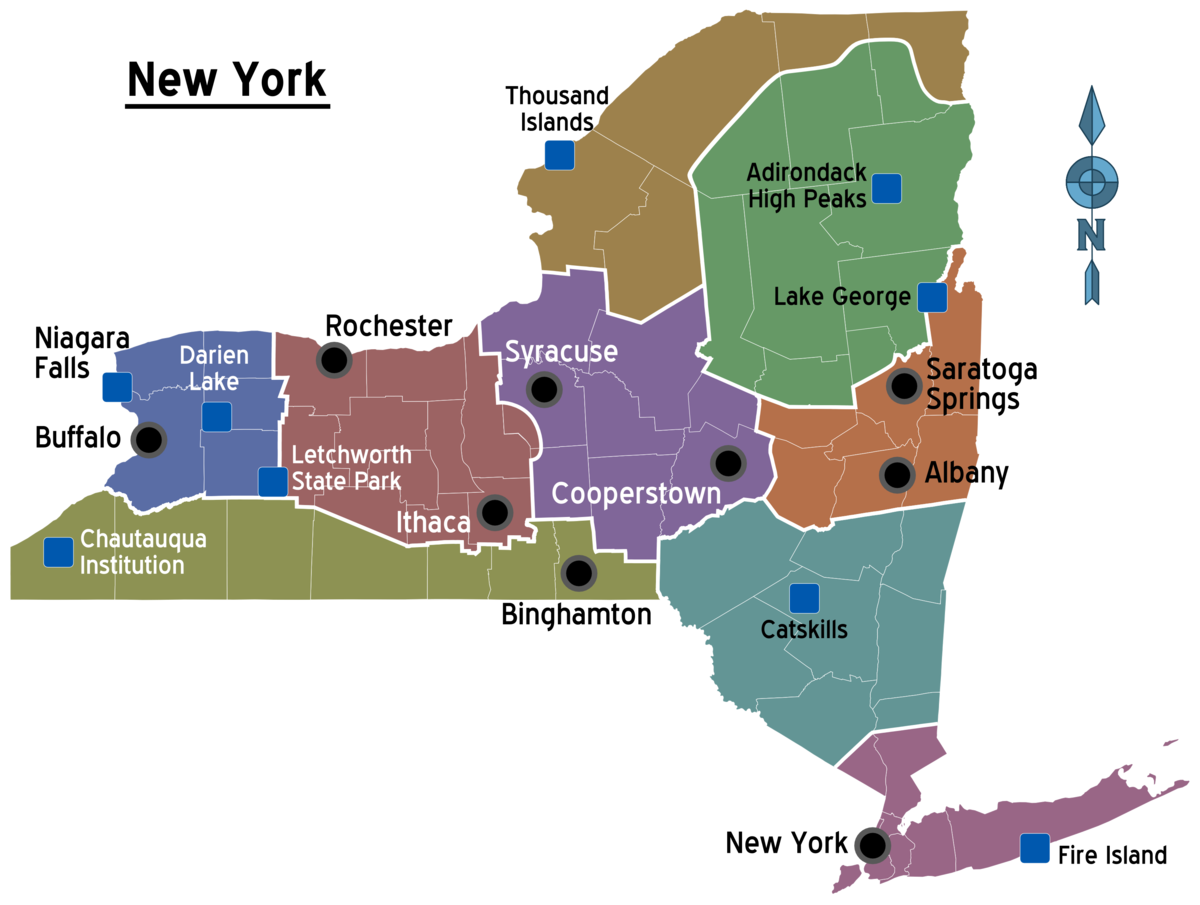
The answer to “How many cities are in New York State?” isn’t as simple as a single, universally agreed-upon number. This is primarily due to how the state categorizes its incorporated places. New York distinguishes between different types of municipalities, including cities, towns, and villages. While all are incorporated entities, the term “city” in New York refers to a specific form of government and legal status. Understanding this distinction is key to accurately answering the question and appreciating the breadth of New York‘s urban fabric.
Defining a “City” in New York State
In New York State, a “city” is a distinct type of municipal corporation, operating under its own charter and possessing a specific governmental structure. This structure typically involves a mayor and a city council. Unlike towns and villages, which have different forms of governance and powers, cities in New York are generally larger and more populous, though size isn’t the sole determining factor. The incorporation as a city is a legal designation granted by the state, often through a special legislative act.
The number of official cities in New York State has remained relatively constant over the years, though annexations or changes in municipal status can occur, albeit rarely. As of recent counts, there are 62 cities officially incorporated within New York State. This number has been a stable figure for some time, reflecting the established urban centers that have developed over centuries. Each of these 62 cities offers a unique glimpse into the state’s history, economy, and culture, contributing to the rich tapestry of New York.
Exploring the Spectrum of Urban Life
The 62 cities of New York State represent a vast spectrum of urban experiences. At one end of the spectrum lies the unparalleled global icon, New York City. This sprawling metropolis, comprised of five distinct boroughs – Manhattan, the Bronx, Brooklyn, Queens, and Staten Island – is a world center for finance, culture, fashion, and diplomacy. Its sheer scale and diversity are unmatched in the state and, arguably, the world. New York City is not just a city; it’s a constellation of neighborhoods, each with its own character, offering endless possibilities for travel, tourism, and lifestyle exploration. From the iconic skyscrapers of Midtown Manhattan to the vibrant street art of Bushwick in Brooklyn, or the diverse culinary scenes in Queens, the city provides an inexhaustible array of attractions and experiences.

Beyond the Metropolis: Regional Hubs and Historic Centers
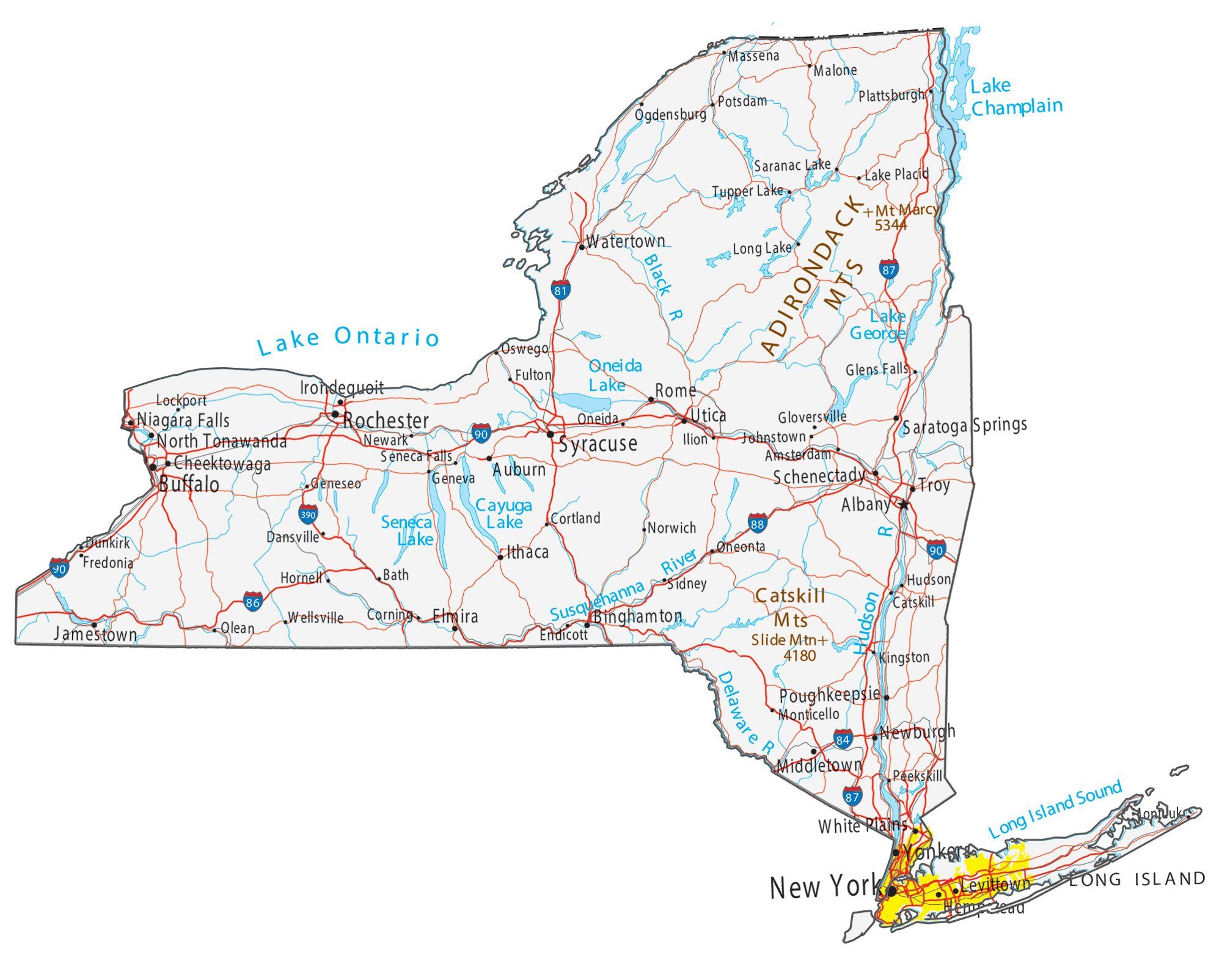
Moving beyond the immediate orbit of New York City, the other 61 cities in the state serve as vital regional hubs, historical anchors, and centers of local culture. These cities, while perhaps not possessing the global recognition of New York City, are rich in their own right and offer compelling reasons for travel and accommodation.
Take, for instance, the capital city, Albany. Situated on the Hudson River, Albany is steeped in history, serving as the seat of state government and home to numerous historical landmarks and significant architecture. Its proximity to other significant sites like the Saratoga Springs historic district and the Adirondack Mountains makes it a strategic base for exploring the Capital Region.
Further north, Buffalo stands as a testament to New York‘s industrial past and a burgeoning center of arts and culture. Located on the eastern shore of Lake Erie, it boasts impressive architecture, including many buildings designed by Frank Lloyd Wright, and a vibrant culinary scene. Nearby attractions include Niagara Falls, one of the world’s most famous natural wonders, and the picturesque Finger Lakes region.
Rochester, known as the “Flower City,” has a legacy in photography and optics, being the historical home of companies like Eastman Kodak. Today, it’s recognized for its museums, particularly the George Eastman Museum, its thriving arts community, and its proximity to the natural beauty of Lake Ontario and the Finger Lakes.
In the western part of the state, Syracuse is a hub for central New York, known for its university and its significant role in transportation and commerce. Its downtown area offers a range of attractions, from its vibrant arts scene to its connection to the Erie Canal‘s history.
Further south, Binghamton in the Southern Tier region is recognized for its universities and its rich manufacturing history. It offers a more laid-back urban experience, with access to outdoor activities and a developing local food scene.
These are just a few examples, and each of the 62 cities in New York State contributes uniquely to the state’s identity. Cities like Schenectady, Utica, Niagara Falls, Yonkers, and White Plains each have their own distinct character, historical significance, and tourism appeal. Whether you’re seeking luxury resorts or budget-friendly apartments, exploring local food specialties, or immersing yourself in the history of architecture and nature, these cities provide a diverse range of experiences for any traveler.
The decision to incorporate as a city in New York is a significant one, reflecting a community’s aspirations for a certain level of self-governance and development. This legal framework, alongside the historical evolution of settlements, has resulted in the current count of 62 cities. Each one, from the colossal urban expanse of New York City to the smallest incorporated city, plays a crucial role in the economic, cultural, and social landscape of New York State, offering a wealth of opportunities for travelers, residents, and those simply interested in understanding the intricate makeup of this remarkable state. Understanding this number provides a foundational layer to appreciating the depth and breadth of New York‘s urban offerings, encouraging further exploration into the unique stories and attractions each city holds.
LifeOutOfTheBox is a participant in the Amazon Services LLC Associates Program, an affiliate advertising program designed to provide a means for sites to earn advertising fees by advertising and linking to Amazon.com. Amazon, the Amazon logo, AmazonSupply, and the AmazonSupply logo are trademarks of Amazon.com, Inc. or its affiliates. As an Amazon Associate we earn affiliate commissions from qualifying purchases.