
Planning a trip to the Empire State, especially to the vibrant heart of New York City, involves more than just booking your flights and accommodation. A crucial, yet often overlooked, aspect of your travel budget is the impact of taxes. From your hotel stay to dining out and even souvenir shopping, taxes can add a significant percentage to your overall expenses. Understanding these costs upfront can help you budget more effectively and avoid any unwelcome surprises during your visit. This comprehensive guide will delve into the various taxes you can expect to encounter in New York, focusing on the most common areas that impact tourists and travelers.
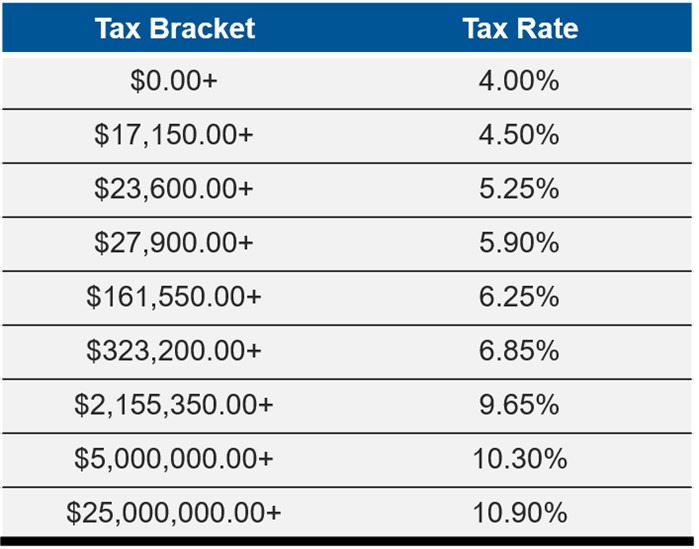
Navigating New York’s Tax Landscape for Travelers
New York State and its municipalities levy a variety of taxes that directly affect visitors. The most prominent are sales tax and occupancy tax (also known as hotel tax or lodging tax). These taxes are applied at different rates depending on the location within New York. For instance, New York City generally has higher combined tax rates than other parts of the state. It’s important to remember that these rates can change, so it’s always a good idea to check the most current figures closer to your travel dates.
Sales Tax: The Ubiquitous Imposition
Sales tax is a percentage of the retail price of goods and services, and it’s a tax that nearly every visitor will encounter. When you purchase anything from a souvenir t-shirt in Times Square to a gourmet meal in Greenwich Village, sales tax will be added to the bill. The statewide sales tax rate in New York is 4%, but most areas have additional local sales taxes that bring the total significantly higher.
Sales Tax Rates Across New York
The combined state and local sales tax rates vary considerably across New York State. For the purposes of travel, the most relevant rates are typically those for New York City and its surrounding tourist destinations.
-
New York City: This is where you’ll find some of the highest combined sales tax rates in the state. Currently, the combined rate in New York City is 8.875%. This applies to a vast array of purchases, including clothing, electronics, gifts, and more. This means that for every $100 you spend on taxable goods, you’ll pay an additional $8.875 in sales tax.
-
Upstate New York: While still substantial, sales tax rates in other parts of New York State are generally lower than in New York City. For example, a popular tourist destination like Niagara Falls might have a combined rate closer to 8%, and other regions could be even lower. This is important to consider if you’re exploring beyond the five boroughs, perhaps visiting the beautiful Adirondack Mountains or the historic Finger Lakes region.
The application of sales tax is broad. It covers most tangible personal property, as well as many services. However, there are some exemptions. For instance, groceries purchased for consumption off-premises are typically exempt from sales tax. Also, certain clothing items and footwear under a certain price threshold (currently $110 per item) are exempt from New York State sales tax, though local taxes may still apply. It’s wise to be aware of these nuances, especially if you plan on significant shopping.
Occupancy Tax: The Cost of Staying
Perhaps the most significant tax impacting travelers is the occupancy tax, also known as the hotel tax or lodging tax. This tax is levied on the rental of hotel rooms, motels, and other forms of temporary lodging. Like sales tax, occupancy tax rates are set by both the state and local governments, leading to considerable variation.
Hotel Tax Breakdown
The occupancy tax is usually calculated as a percentage of the room rate. This can add a substantial amount to your accommodation bill, especially for longer stays or stays in high-end establishments.
-
New York City: Visitors staying in hotels within the five boroughs will face the highest occupancy tax rates. The combined city and state hotel tax in New York City currently stands at a substantial 14.75%. This is broken down as follows: 5.875% state tax, 5.875% city tax, and a 3% Metropolitan Transportation District surcharge. This means that for a $300 per night hotel room, you could be paying an additional $44.25 in taxes per night. This is a critical figure to factor into your accommodation budget when booking stays at renowned hotels like the Plaza Hotel or the St. Regis New York.
-
Other New York State Locations: Outside of New York City, occupancy tax rates are generally lower. For example, in areas like Albany or Buffalo, you might find combined rates ranging from around 7% to 13%, depending on the specific county and city. While lower than New York City, these taxes still represent a notable expense that should be considered when comparing accommodation options across different regions of the state. When looking at charming inns in the Hudson Valley or resorts near Lake Placid, you’ll encounter these local occupancy taxes.
It is crucial to note that some forms of accommodation might be exempt from occupancy tax. For example, extended stays over a certain duration (often 30 days or more) in some jurisdictions may be exempt, making long-term apartment rentals or villas a potentially more tax-efficient option for those staying for an extended period. Always clarify the tax implications with your accommodation provider.
Beyond the Basics: Other Taxes to Consider
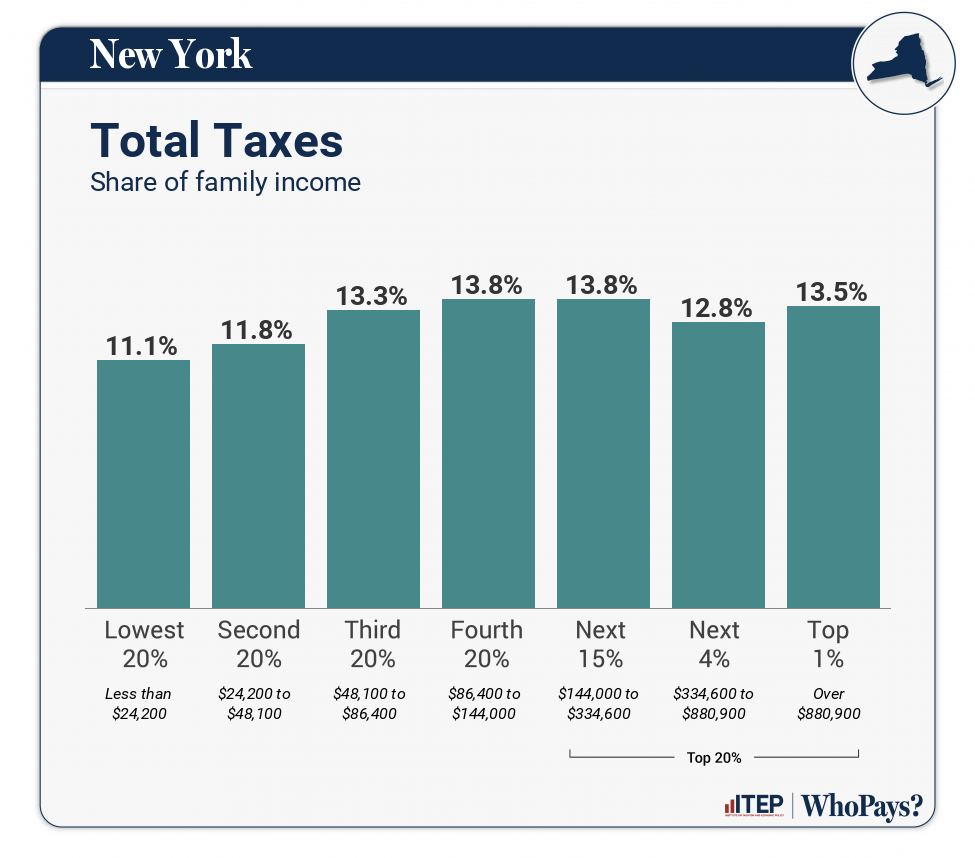
While sales and occupancy taxes are the most common, New York also imposes other taxes that can affect your travel experience. These might be less direct but can still add to your overall expenditure.
Restaurant and Bar Taxes
When you dine out at the many acclaimed restaurants or enjoy a drink at a lively bar, you’ll encounter taxes on your bill. In New York City, restaurant meals are subject to the general sales tax of 8.875%. Additionally, alcoholic beverages served in restaurants and bars are subject to their own specific excise taxes, which are often bundled into the price or added to the bill. While these are typically a smaller percentage of your total dining expense compared to sales tax, they contribute to the overall cost of enjoying New York’s culinary scene. A delightful brunch in SoHo or a classic New York slice from a pizzeria will include these taxes.
Transportation Taxes
While public transportation in New York City, like the MTA subway and bus system, is relatively affordable and generally does not have a direct per-ride tax beyond the fare itself, other transportation methods can incur taxes. For instance, taxi and ride-sharing services may have specific surcharges or taxes applied to their fares, particularly in New York City. Car rentals also typically include state and local sales taxes on the rental cost. If you’re planning on driving and parking in the city, you’ll also face parking taxes, which can be quite steep in Manhattan.
Specific Tourist Experiences
Some specific tourist attractions or activities might have unique tax structures. For instance, ticket sales for certain events or performances might be subject to a state-imposed tax or surcharge. While these are usually small percentages, it’s worth keeping in mind for significant purchases. When buying tickets to a Broadway show or a concert at Madison Square Garden, a small portion of your ticket price will be allocated to various taxes and fees.
Maximizing Your Travel Budget: Tips for Managing Taxes in New York
Understanding New York’s tax structure is the first step in managing your travel budget. Here are some additional tips to help you navigate these costs:
Plan for Taxes in Your Budget
The most straightforward approach is to incorporate these taxes into your overall budget from the outset. When estimating costs for accommodation, dining, and shopping, add the relevant tax percentages. Websites that facilitate bookings often display estimated taxes, but it’s always wise to do your own calculations based on current rates.
Consider Location
As highlighted, tax rates vary significantly across New York State. If your travel plans are flexible, consider staying in areas with lower sales and occupancy taxes. For example, booking a hotel just outside of Manhattan but still within easy commuting distance could lead to substantial savings on your lodging. Similarly, exploring cities like Rochester or Syracuse for their cultural attractions might offer a lower overall tax burden compared to New York City.
Look for Tax Exemptions and Special Offers
Keep an eye out for potential tax exemptions, especially for longer stays or specific types of purchases. While not always applicable to short-term tourists, understanding these can be beneficial. Additionally, some hotels or travel packages might advertise “tax-inclusive” rates, which can simplify your budgeting, though it’s always good to verify what taxes are included.
Utilize Budget-Friendly Options
Opting for budget-friendly accommodation like hostels or vacation rentals can sometimes lead to lower overall tax costs, depending on how they are classified and taxed in different areas. Similarly, enjoying street food or preparing some of your own meals if your accommodation has kitchen facilities can help reduce the impact of restaurant taxes.
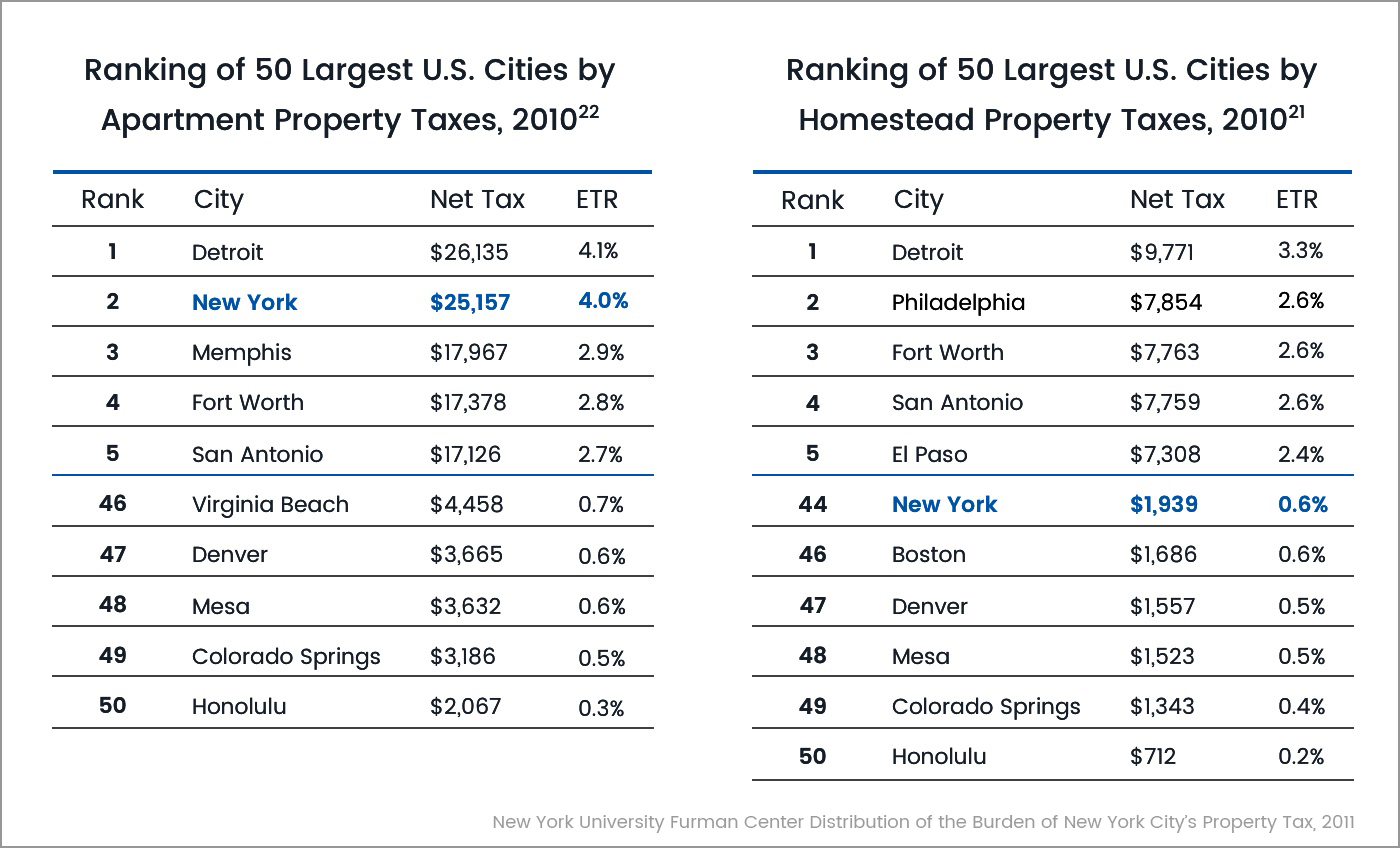
Stay Informed
Tax laws can change. Before your trip, it’s prudent to quickly check the latest sales tax and occupancy tax rates for the specific cities and regions you plan to visit. Official government websites for New York State and the relevant municipalities are the best sources for accurate and up-to-date information.
By being aware of and planning for the various taxes in New York, you can ensure a smoother and more financially predictable travel experience. Whether you’re exploring the iconic landmarks of New York City, enjoying the natural beauty of Upstate New York, or experiencing the diverse culture of its many towns and cities, a clear understanding of taxes will help you make the most of your journey.
LifeOutOfTheBox is a participant in the Amazon Services LLC Associates Program, an affiliate advertising program designed to provide a means for sites to earn advertising fees by advertising and linking to Amazon.com. Amazon, the Amazon logo, AmazonSupply, and the AmazonSupply logo are trademarks of Amazon.com, Inc. or its affiliates. As an Amazon Associate we earn affiliate commissions from qualifying purchases.