
Navigating the vibrant and sprawling metropolis of New York is an experience in itself, and at the heart of this urban exploration lies its legendary subway system. The “Metro,” as it’s often colloquially referred to by visitors, is more than just a mode of transport; it’s a quintessential part of the New York experience. For travelers, understanding the costs associated with this extensive network is crucial for budgeting trips, whether you’re planning a whirlwind tour of iconic landmarks or a more in-depth exploration of diverse neighborhoods. This guide will demystify the pricing structure of the New York subway, ensuring you can confidently hop on and off to discover everything from the Empire State Building to the artistic enclaves of Brooklyn.
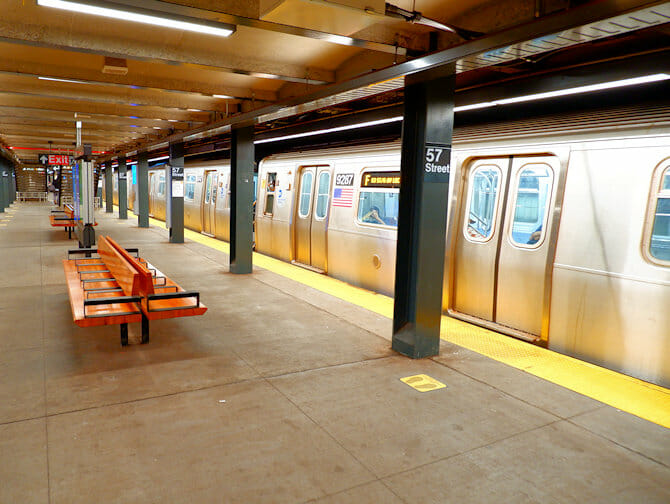
The New York subway, operated by the Metropolitan Transportation Authority (MTA), is one of the most extensive and busiest rapid transit systems in the world. Its 24/7 operation and far-reaching routes make it an indispensable tool for both residents and tourists alike. When asking “How Much Is Metro In New York?”, the answer isn’t a single, fixed price but rather a flexible system designed to accommodate various travel needs and durations. Understanding the fare options will help you make informed decisions and maximize your travel budget, allowing you to allocate more funds towards experiencing the city’s world-class hotels, delicious food scene, and unique local culture.
Understanding the Fare System: Pay-Per-Ride vs. Unlimited Options
The primary way to pay for your subway journeys is through a rechargeable fare card called the OMNY card or by using a contactless credit/debit card or mobile payment option directly at the turnstile. This modern system has largely replaced the older MetroCards, though some older MetroCards might still be in circulation and accepted. The core principle of the New York subway fare is a flat rate per ride, but this can become more economical with various passes.
The Single Ride Fare
As of the latest updates, a single subway ride in New York typically costs a set amount. This is the most straightforward option for visitors who anticipate only a few subway trips during their stay, perhaps for quick transfers between major attractions like Times Square and Central Park. The current single ride fare is $2.90. This fare allows you to enter the subway system and travel to any destination within its vast network. There are no additional charges based on distance or the number of transfers you make within the subway system itself. For instance, if you need to change trains at a major hub like Grand Central Terminal to reach your final destination, you won’t be charged an extra fare for the transfer. This makes it a convenient option for simple point-to-point travel.
The 7-Day Unlimited Ride MetroCard/Pass
For tourists planning to spend a significant amount of time exploring New York, especially those who love to wander through different boroughs and discover hidden gems, the 7-Day Unlimited Ride pass is often the most cost-effective choice. This pass allows unlimited subway and local bus rides for seven consecutive days from the first time it’s used. The current price for a 7-Day Unlimited Ride pass is $34.00.
To determine if this pass is worth the investment, a simple calculation is helpful. If you anticipate taking more than 12 rides within a seven-day period (34 divided by 2.90 is approximately 11.7), the unlimited pass becomes more economical. Given the extensive nature of New York and the desire to see multiple attractions like the Statue of Liberty, the Metropolitan Museum of Art, and the neighborhoods of SoHo and Greenwich Village, it’s highly probable that a 7-Day Unlimited pass will offer significant savings. This pass offers unparalleled freedom to explore at your own pace, allowing for spontaneous detours and late-night adventures without constantly worrying about the cost of each individual fare.
The 30-Day Unlimited Ride MetroCard/Pass
While less common for short tourist stays, New York residents or those on extended accommodation plans might opt for the 30-Day Unlimited Ride pass. This pass, priced at $132.00, provides unlimited subway and local bus rides for a full month. This option is ideal for individuals undertaking longer stays, business travelers who frequently use public transport, or anyone seeking continuous access to the MTA network. For a tourist, this would only make sense if their trip extends beyond a week and they plan to use the subway almost daily.
The OMNY System: Contactless and Convenient

The introduction of the OMNY system has revolutionized the way people pay for travel on the New York subway and buses. Instead of purchasing a physical MetroCard, you can now simply tap your contactless credit card, debit card, or a device with a digital wallet (like Apple Pay or Google Pay) on the OMNY reader at the turnstile.
Pay-Per-Ride with OMNY
When using OMNY with your contactless payment method, you are charged the standard single ride fare of $2.90 per trip. However, OMNY offers a beneficial feature for frequent riders: the “fare cap.” This means that after you’ve paid for 12 rides within a 7-day period (from Monday to Sunday), any subsequent rides during that same 7-day period will be free. This effectively replicates the benefit of the 7-Day Unlimited Ride pass without the need to purchase it upfront. It’s a fantastic option for travelers who are unsure of their exact travel patterns or who might not use the subway every single day but still accumulate a significant number of rides over the week. The fare cap automatically applies to the same payment method used for the first 12 rides.
Advantages of OMNY
The OMNY system provides several advantages. Firstly, it eliminates the need to find a MetroCard vending machine, which can sometimes be busy or out of service. Secondly, it’s more secure as you’re using your own payment method, and you don’t need to carry an extra card. Finally, the automatic fare capping ensures you never pay more than the equivalent of a weekly unlimited pass if your travel warrants it. For tourists staying in hotels like the Plaza Hotel or the Marriott Marquis, tapping their phone or card for easy access to explore nearby attractions like Rockefeller Center or catch a show on Broadway is incredibly convenient.
Factors Influencing Your Metro Costs
The amount you spend on the New York subway will largely depend on the length of your stay, your itinerary, and your travel style. Understanding these factors can help you optimize your expenses and allocate your budget more effectively for other aspects of your trip, such as dining at renowned restaurants or booking unique experiences.
Length of Stay and Travel Frequency
For a short, weekend trip to New York, where your activities are concentrated in a few areas like Midtown Manhattan or Downtown, you might find that paying per ride with OMNY is sufficient. If you plan to visit multiple attractions across different boroughs, such as venturing to Coney Island from Brooklyn or exploring the historic streets of Harlem, the 7-Day Unlimited pass will likely be a better value. If your stay is longer than a week and you intend to use the subway daily for commutes or extensive exploration, the 30-Day pass might be considered, though it’s less common for typical tourist durations.
Travel Style and Itinerary
Your planned activities significantly impact your transportation costs. If your itinerary includes visiting attractions spread across Manhattan, Brooklyn, and perhaps even Queens or The Bronx, you’ll likely take more trips. For example, a day of sightseeing might involve travel from your hotel in Long Island City to the Financial District, then to SoHo for shopping, and finally to a show in Times Square before returning. Such a day would easily justify a 7-Day Unlimited pass or trigger the OMNY fare cap. Conversely, if you plan to base yourself in one neighborhood and explore primarily on foot or through shorter bus rides, a pay-per-ride approach might be more economical. For travelers who prioritize luxury travel and may use taxis or ride-sharing services for most journeys, subway costs will be minimal. However, for budget-conscious travelers or those seeking an authentic New York experience, the subway is the way to go.
Additional Subway Information
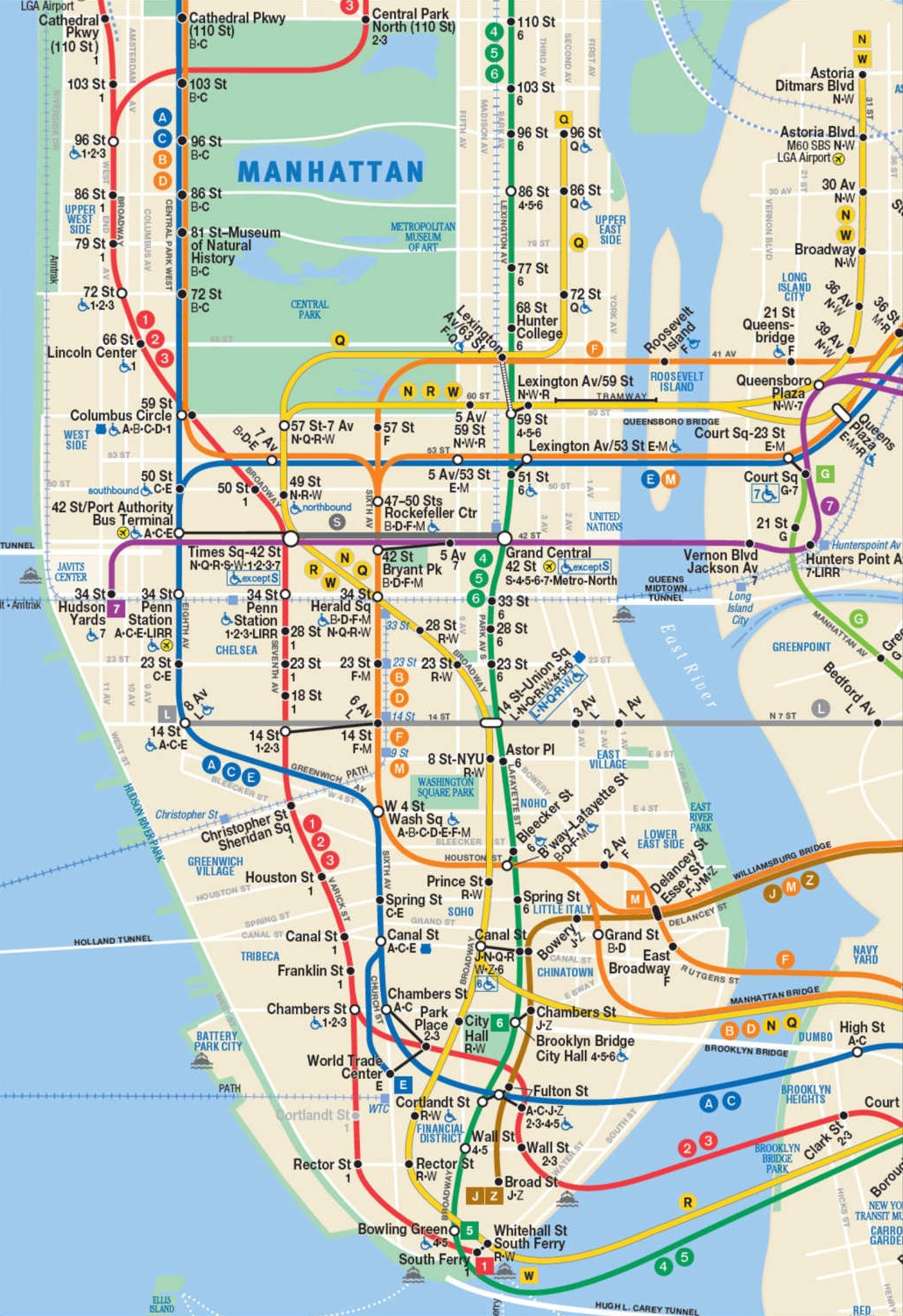
It’s important to note that the MTA also operates commuter rail lines, such as the Long Island Rail Road and Metro-North Railroad, which serve the suburbs. These services have different fare structures and are not included in the subway unlimited passes. For travel to destinations outside the immediate city limits like the Hamptons or Westchester, separate tickets are required. However, for all travel within the five boroughs of New York City, the subway and local buses are covered by the fares and passes discussed. Understanding this distinction is key to accurately budgeting your travel expenses when planning your New York adventure. Whether you’re heading to Yankee Stadium in The Bronx, exploring the museums along Museum Mile, or enjoying a stroll through Prospect Park in Brooklyn, the New York subway is an efficient and affordable way to connect with the city’s diverse attractions and vibrant lifestyle.
LifeOutOfTheBox is a participant in the Amazon Services LLC Associates Program, an affiliate advertising program designed to provide a means for sites to earn advertising fees by advertising and linking to Amazon.com. Amazon, the Amazon logo, AmazonSupply, and the AmazonSupply logo are trademarks of Amazon.com, Inc. or its affiliates. As an Amazon Associate we earn affiliate commissions from qualifying purchases.