
The city of Buffalo, New York, is renowned for its proximity to Lake Erie and its captivating, albeit sometimes challenging, winter climate. When the mercury drops and the skies turn a formidable grey, a question naturally arises for both residents and prospective visitors: “How much snow is in Buffalo, New York?” This isn’t just a casual inquiry; for many, it’s a crucial piece of information shaping travel plans, dictating packing lists, and influencing the very essence of their Buffalo experience. Understanding Buffalo’s snowfall is key to appreciating its unique character, from its bustling cultural scene to its picturesque waterfront and the opportunities for thrilling winter activities.
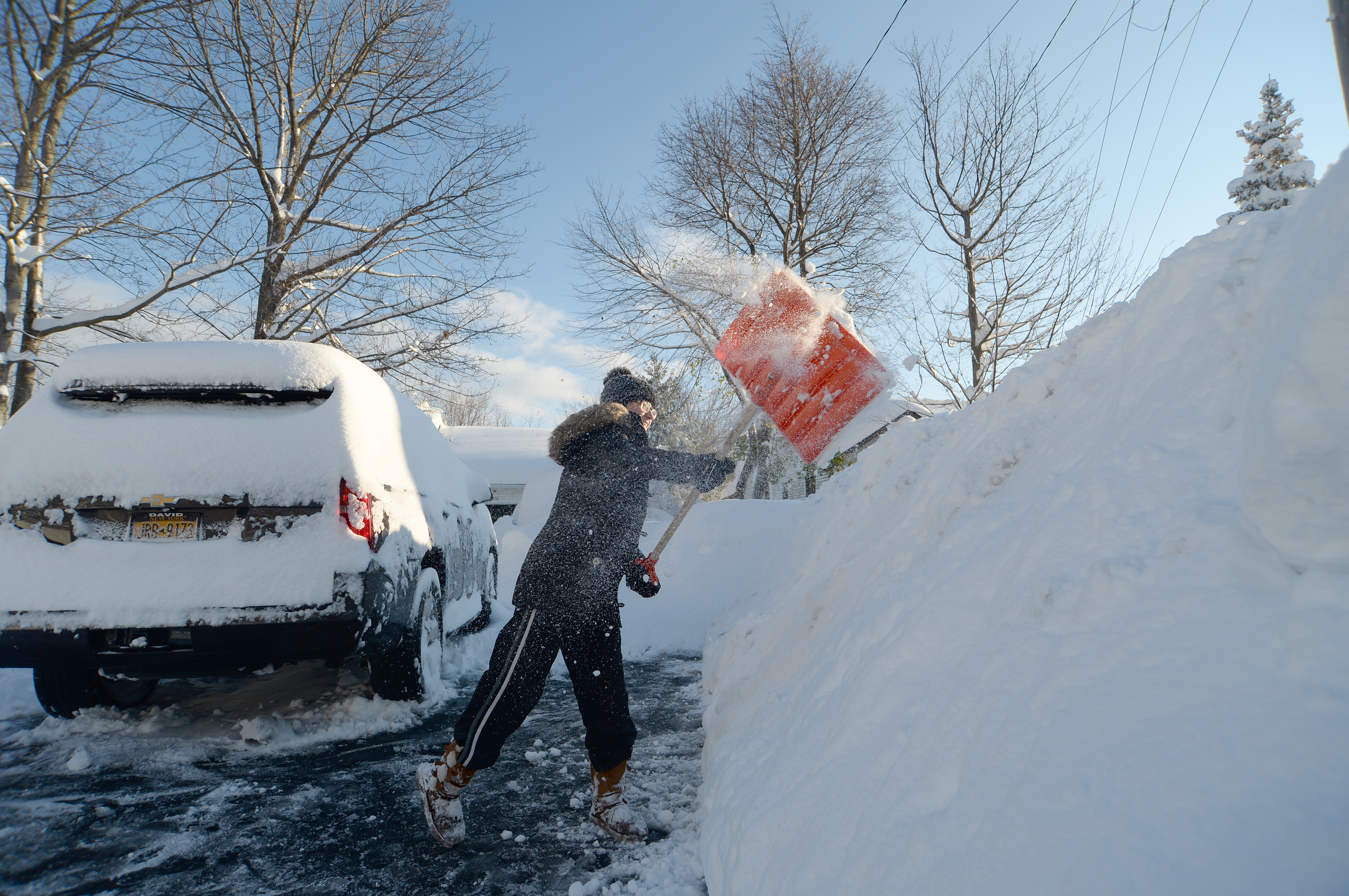
The amount of snow that blankets Buffalo is not a static figure. It’s a dynamic narrative told through historical averages, seasonal variations, and the occasional dramatic blizzard. This article delves into the heart of Buffalo’s snowy reputation, exploring the factors that contribute to its winter wonderland status, offering insights into average snowfall, significant weather events, and how this snowy landscape influences tourism, accommodations, and the overall lifestyle of this resilient city. Whether you’re planning a ski trip, a visit to a cozy hotel, or simply curious about the atmospheric conditions, this comprehensive guide will equip you with the knowledge to navigate Buffalo’s snowy embrace.
Understanding Buffalo’s Snowy Climate
Buffalo’s reputation for significant snowfall is deeply intertwined with its geography, particularly its location downwind of Lake Erie. This geographical phenomenon, known as “lake-effect snow,” is the primary driver behind the city’s hefty winter accumulations. As cold, dry air masses move across the relatively warmer waters of the Great Lakes, they pick up moisture and heat. When this moisture-laden air then moves over the colder landmass of Buffalo, it releases its accumulated moisture in the form of intense snowfall. The intensity and localized nature of lake-effect snow mean that certain areas within Buffalo and its surrounding suburbs can receive vastly different amounts of snow, even within a short distance.
The typical winter season in Buffalo runs from roughly late November through March. During these months, temperatures frequently dip below freezing, creating the ideal conditions for precipitation to fall as snow. While the average annual snowfall offers a baseline understanding, it’s crucial to remember that averages are just that – averages. Actual snowfall can fluctuate dramatically from year to year. Some winters are relatively mild with moderate snow, while others can be characterized by relentless storms that bury the city under feet of pristine white. This variability is part of Buffalo’s charm and its challenge, requiring residents and visitors alike to be prepared for a wide range of winter conditions.
Average Snowfall: A Statistical Snapshot
To truly grasp “how much snow is in Buffalo, New York,” we must turn to the statistics. On average, Buffalo receives approximately 95 inches of snow per year. This figure places it among the snowiest cities in the United States, especially those of comparable size. This average is a composite of decades of data, reflecting the long-term climatic patterns of the region. However, this number doesn’t tell the whole story. It represents a central tendency, and the reality on the ground can often diverge significantly.
The distribution of this snow is also noteworthy. While some months might see only a dusting, others can experience multiple feet of accumulation. December, January, and February are typically the snowiest months. For instance, January is often the most active month for snowfall in Buffalo, frequently contributing a substantial portion of the annual total. When planning a winter trip, understanding these monthly averages can help set expectations. A visit in early December might offer a different snowy experience than a trip in mid-January, which is statistically more likely to be blanketed in snow.
The reliability of this average snowfall is a key consideration for travel and tourism. For those seeking a classic winter wonderland experience, Buffalo rarely disappoints during its peak snowy months. The consistent presence of snow creates opportunities for a variety of activities, from skiing and snowboarding at nearby resorts to ice skating in the heart of the city.
Factors Influencing Snowfall
Several key factors converge to create Buffalo’s snowy environment:
- Lake-Effect Snow: As previously mentioned, this is the most significant contributor. The moisture picked up from Lake Erie is a crucial ingredient for the heavy snowfall that characterizes Buffalo. The prevailing winds from the west and southwest play a vital role in directing this lake-effect snow toward the city.
- Proximity to the Great Lakes: Buffalo’s position on the eastern shore of Lake Erie means it’s directly in the path of weather systems developing over the lake. This geographical advantage, or disadvantage depending on your perspective, is undeniable.
- Continental Climate: Buffalo experiences a continental climate, characterized by distinct seasons. Winters are cold and snowy, while summers are warm and humid. This general climate pattern sets the stage for significant winter precipitation.
- Storm Tracks: The typical storm tracks across North America often bring low-pressure systems through the Great Lakes region. These systems can enhance lake-effect snow and bring additional snowfall from broader storm fronts.
The interplay of these elements creates a winter landscape that is both predictable in its seasonality and unpredictable in its intensity. Understanding these influences helps paint a clearer picture of why Buffalo is synonymous with snow.
Experiencing Buffalo’s Winter Wonders
The presence of abundant snow transforms Buffalo into a winter playground, offering a unique blend of outdoor adventure and cozy indoor experiences. For travelers and locals alike, the snowy months present a distinct set of opportunities, from appreciating the natural beauty of landmarks to indulging in the city’s vibrant culinary scene.

Attractions and Landmarks in the Snow
Many of Buffalo’s iconic attractions take on a new, magical charm under a blanket of snow. The historic Architecture of the city, characterized by its magnificent 19th and early 20th-century buildings, stands in striking contrast against the white backdrop. Walking tours, though requiring warm attire, offer a unique perspective on the city’s past, with snow-dusted facades and frosted windows creating a picturesque scene.
The waterfront, facing Lake Erie, becomes a dramatic expanse. While boat tours may cease during the winter months, the views can be breathtaking, with the frozen lake and snow-covered shores offering a stark, beautiful landscape. Canalside, a popular urban waterfront district, often transforms into an ice-skating rink during the winter, providing a central hub for family fun and a quintessential Buffalo winter experience. The Buffalo and Erie County Naval & Military Park, with its impressive collection of naval vessels, presents a solemn and visually striking sight when surrounded by snow.
For those interested in history and nature, the Buffalo Museum of Science and the Buffalo Zoo offer indoor escapes from the cold, where visitors can learn about the natural world and its adaptations to winter. Even iconic landmarks like the Buffalo City Hall, with its Art Deco design, become more imposing and photogenic when dusted with snow. The consistent snowfall ensures that these Landmarks are not merely viewed but experienced within their full winter context.
Winter Activities and Lifestyle
The significant snowfall in Buffalo directly shapes the lifestyle and available activities for its inhabitants and visitors. Skiing and snowboarding enthusiasts will find several resorts within a reasonable driving distance, offering a chance to hit the slopes. For those who prefer less strenuous snow-based activities, snowshoeing and cross-country skiing are popular options in local parks and trails, providing an opportunity to immerse oneself in the serene winter landscape.
Ice skating is a beloved pastime, with outdoor rinks like the one at Canalside providing a lively atmosphere. Indoor ice rinks also offer opportunities for public skating sessions. The sheer volume of snow also makes sledding and snowball fights a common and cherished activity for families, with local parks often becoming impromptu sledding hills.
Beyond the active pursuits, Buffalo’s winter lifestyle embraces coziness and warmth. The city boasts a thriving culinary scene, with numerous restaurants offering hearty, warming dishes perfect for a cold day. Visiting a local brewery or a cozy cafe for a hot beverage is an essential part of the Buffalo winter experience. The anticipation and embrace of the snow are deeply ingrained in the city’s culture, influencing everything from local events and festivals to the everyday routines of its residents. The annual Buffalo Snow Festival is a testament to this, celebrating the unique winter conditions with various activities and attractions.
Accommodation and Travel Tips for Snowy Buffalo
Planning a trip to Buffalo, New York, during the snowy season requires a bit of foresight, especially concerning accommodation and travel logistics. The amount of snow can significantly impact travel plans, but with proper preparation, it can also enhance your visit.
Choosing the Right Accommodation
When booking accommodation in Buffalo, consider your intended activities and the time of year. Many hotels in the downtown area, such as the Hyatt Regency Buffalo Hotel and Conference Center or the Marriott Buffalo Niagara Center, offer convenient access to indoor attractions and a warm respite from the cold. These hotels often provide amenities like heated indoor pools and on-site dining, which are particularly appealing during winter.
For a more resort-like feel, consider options slightly outside the city center, though be mindful of potential travel disruptions due to snow. Many of these Resorts and Apartments offer packages that might include winter activities or spa services. If you’re planning a longer stay or traveling with family, looking for Suites or Villas with kitchenettes can be cost-effective and provide more flexibility. When searching for Hotels, always check recent reviews for comments on snow removal, accessibility during winter storms, and the availability of heating and other essential services. Websites offering Booking, Reviews, and Comparison are invaluable tools for finding the perfect place to stay. For those seeking a more unique experience, consider boutique Hotels or even charming bed and breakfasts, which often provide a more intimate and personalized touch to your winter getaway.
Travel Preparedness and Tips
Navigating Buffalo during its snowy months requires a proactive approach to travel.
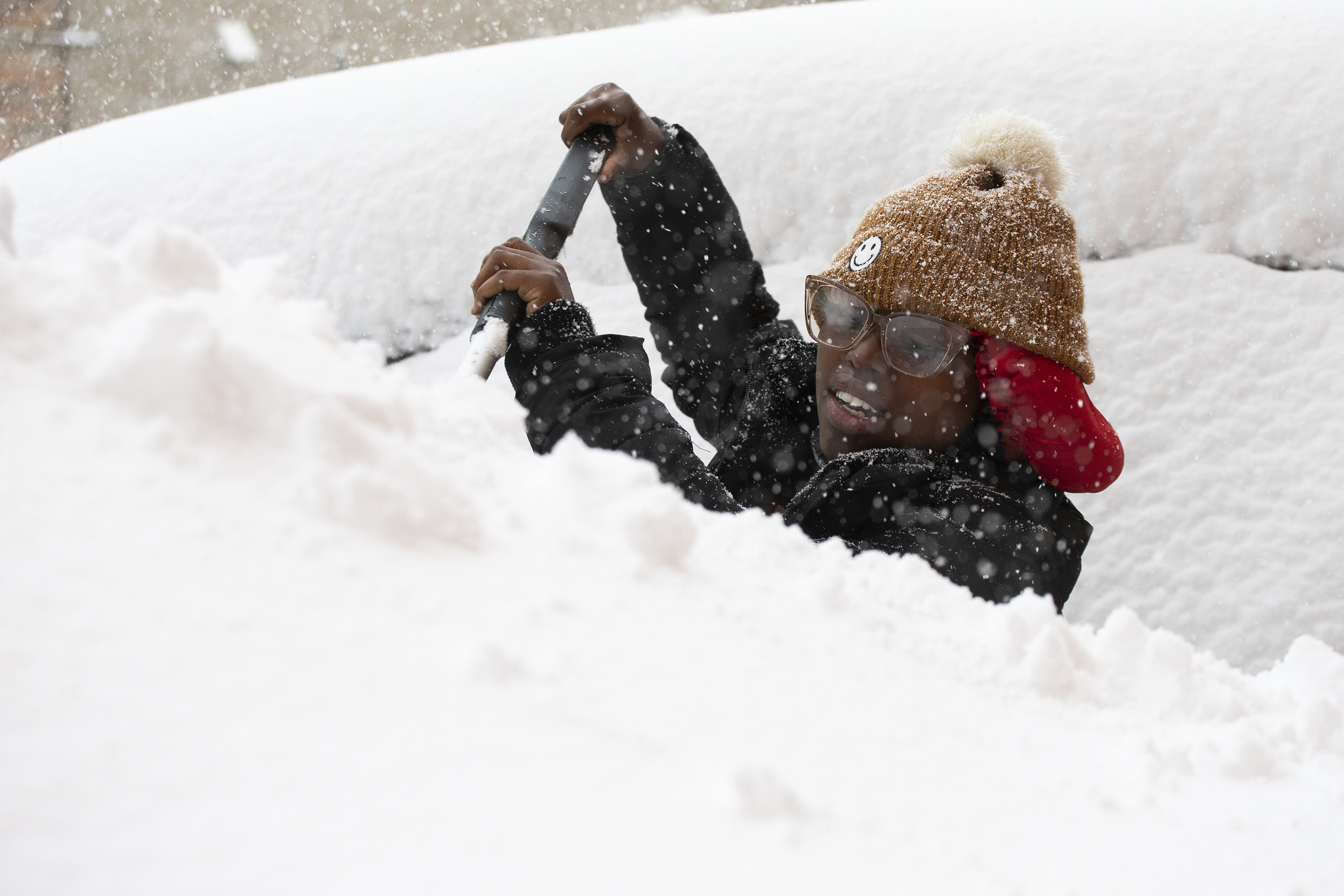
- Vehicle Preparedness: If you are driving to Buffalo, ensure your vehicle is equipped for winter conditions. This includes having good quality snow tires, checking your antifreeze levels, and carrying a winter emergency kit (blankets, non-perishable food, water, flashlight, first-aid kit). Familiarize yourself with New York State’s winter driving laws and be prepared for potential road closures or delays, especially during significant snow events.
- Packing Smart: Layering is key. Pack warm, waterproof outer layers, insulated boots, gloves, hats, and scarves. Waterproof pants are highly recommended if you plan on spending significant time outdoors. Bring comfortable indoor clothing as well, as Buffalo’s hotels and restaurants are well-heated.
- Flexibility is Key: Snowfall can be unpredictable. Be prepared for potential flight delays or cancellations if flying into Buffalo Niagara International Airport. It’s wise to build some flexibility into your itinerary. Consider purchasing travel insurance that covers weather-related disruptions.
- Utilize Public Transportation and Ride-Sharing: Buffalo has a public transportation system, and ride-sharing services are readily available. During heavy snow, these options might be more reliable than driving yourself, as professional drivers are accustomed to navigating the city’s conditions.
- Check Local Conditions: Before venturing out, always check local weather forecasts and road conditions. Websites and apps dedicated to traffic and weather information for Buffalo can be invaluable resources. Many local news outlets provide real-time updates on snow accumulation and plowing efforts.
- Embrace the Experience: While snow can present challenges, it also offers unique opportunities. Embrace the winter wonderland aspect of Buffalo. Enjoy the cozy atmosphere, the beauty of the snow-covered landscapes, and the hearty local cuisine. The city’s resilience and charm shine through even in the harshest winter conditions.
By understanding Buffalo’s snowy climate and preparing accordingly, visitors can ensure a safe, comfortable, and memorable travel experience, fully appreciating the magic of this snow-kissed city.
LifeOutOfTheBox is a participant in the Amazon Services LLC Associates Program, an affiliate advertising program designed to provide a means for sites to earn advertising fees by advertising and linking to Amazon.com. Amazon, the Amazon logo, AmazonSupply, and the AmazonSupply logo are trademarks of Amazon.com, Inc. or its affiliates. As an Amazon Associate we earn affiliate commissions from qualifying purchases.