
Embarking on the journey of divorce in New York State is a significant undertaking, often accompanied by a whirlwind of emotions and practical considerations. While the legal process can seem daunting, understanding the fundamental steps and requirements can help demystify the experience. This guide aims to provide a clear overview of how to navigate a divorce in New York, covering the essential aspects from grounds for divorce to finalization. Whether you are seeking an amicable dissolution or anticipating a more complex legal battle, clarity on the procedures is paramount.
Divorce, legally termed “dissolution of marriage” in New York, signifies the formal end of a marital union. The process involves addressing various legal and financial matters, including the equitable distribution of marital property, spousal support (alimony), child custody, child support, and more. The state of New York has specific laws and procedures that govern these aspects, and adhering to them is crucial for a successful resolution.

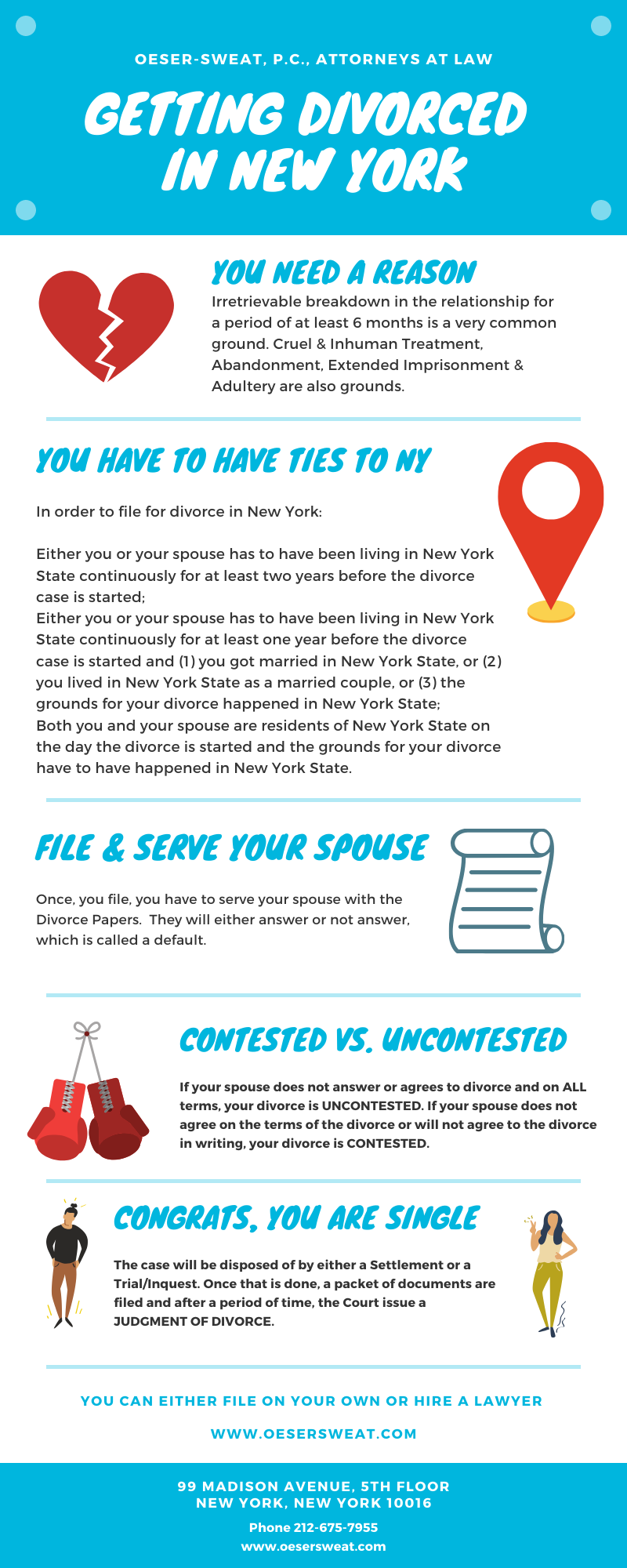
The initial step in initiating a divorce proceeding is understanding the grounds for divorce. New York allows for both fault-based and no-fault divorces. Choosing the appropriate ground can influence the proceedings, though no-fault divorce has become increasingly common due to its simpler and less contentious nature.
Understanding the Grounds for Divorce in New York
New York has recognized several grounds for divorce, each with its own set of requirements and implications. Understanding these options is the first crucial step in determining how to proceed with your divorce.
No-Fault Divorce
The most straightforward and frequently utilized ground for divorce in New York State is the irretrievable breakdown of the marriage. This “no-fault” option allows couples to divorce without needing to prove that one party was at fault for the marriage’s demise. To file for a no-fault divorce, one party must attest under oath that the relationship has been irretrievably broken for a period of at least six months. This approach significantly simplifies the process, avoiding the need to delve into potentially painful or adversarial details about marital misconduct. The benefit of this ground is that it bypasses the need for extensive proof and witness testimony regarding fault. It is particularly useful for couples who wish to part ways amicably and efficiently, focusing on resolving the practical matters of their separation rather than litigating past grievances.
Fault-Based Divorces
While no-fault divorce is prevalent, New York also permits fault-based grounds for divorce. These grounds require proof that one spouse is responsible for the breakdown of the marriage. The common fault-based grounds include:
- Cruel and Inhuman Treatment: This involves a pattern of physical or emotional abuse that makes it unsafe or improper for the other spouse to continue living together. The abuse must be severe enough to constitute a substantial and continuous violation of the marital obligation.
- Abandonment: This occurs when one spouse leaves the marital home with the intent to end the marriage, and remains away for a continuous period of one year or more without justification.
- Adultery: This ground requires proof that a spouse committed an act of infidelity. Proving adultery can be challenging and often involves significant legal effort and evidence gathering.
- Divorce After a Judgment of Separation: If a couple has already legally separated by a judgment or decree of separation, and they have lived separate and apart for more than one year, either party can seek a divorce on this ground.
- Divorce After a Written Separation Agreement: Similar to the above, if a couple has entered into a valid written separation agreement and has lived separate and apart for more than one year, either party can seek a divorce based on the agreement.
Choosing a fault-based ground typically requires more extensive legal argumentation and evidence. While it may seem like a way to hold a spouse accountable, it can also prolong the divorce proceedings and increase legal costs. In many cases, couples opt for the no-fault ground to streamline the process and minimize conflict.
The Divorce Process in New York: Key Steps and Considerations
Once the grounds for divorce are established, the divorce process in New York State involves a series of procedural steps. Understanding these steps is crucial for ensuring that your divorce is processed correctly and efficiently. The process generally begins with the filing of a Summons and Complaint and culminates in a final Judgment of Divorce.
Initiating the Divorce: Summons and Complaint
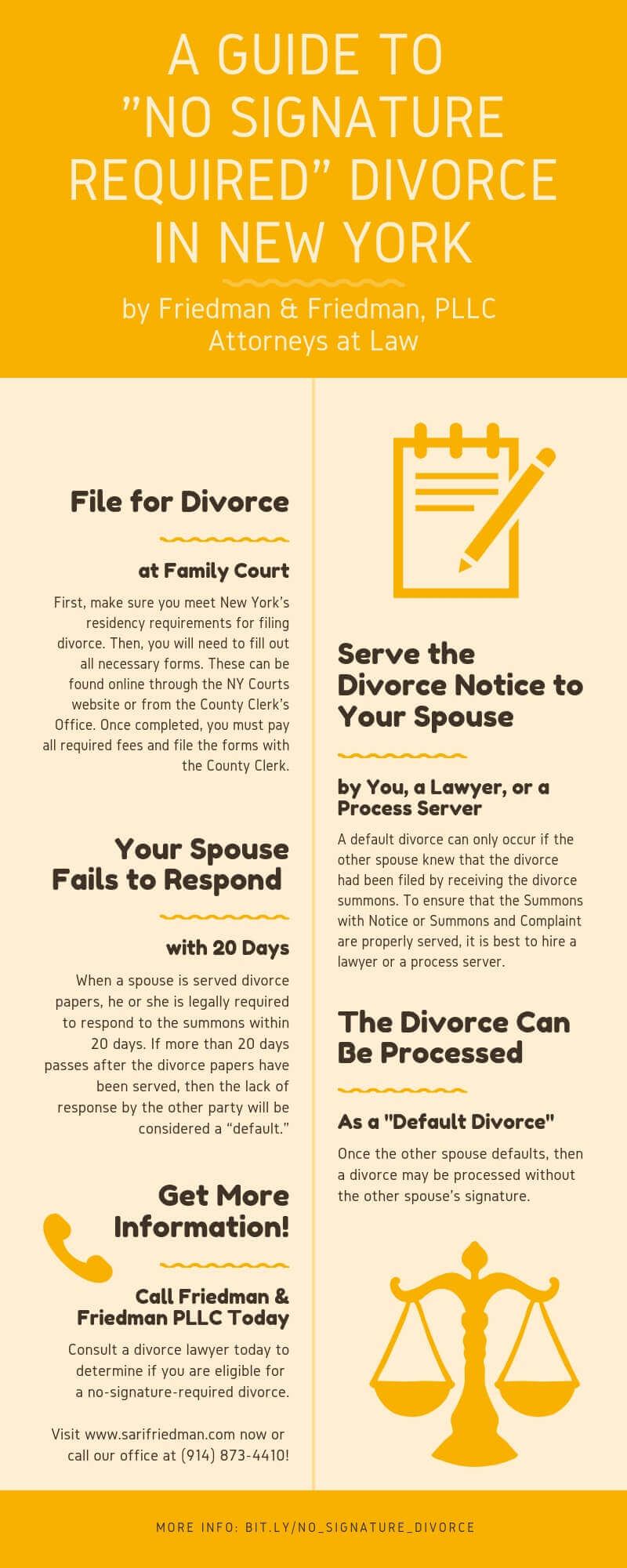
The formal divorce action is commenced by filing a Summons and Complaint with the court.
- Summons: This document officially notifies your spouse that a divorce action has been filed against them and informs them of their legal obligations, including the timeframe within which they must respond.
- Complaint: This document outlines the specific legal grounds for the divorce and details the relief sought by the filing party (the plaintiff). This can include requests for equitable distribution of assets, spousal support, child custody, child support, and any other relevant matters.
After these documents are prepared, they must be formally served upon the defendant spouse. Proper service is a critical legal requirement, ensuring that the defendant has received adequate notice of the legal proceedings. The method of service must comply with New York’s Civil Practice Law and Rules (CPLR). Typically, this involves personal delivery by a third party, or in some instances, alternative methods such as mail or publication, if personal service is not feasible.
Serving the Defendant and the Defendant’s Response
Following the proper service of the Summons and Complaint, the defendant spouse has a specific period to respond. In New York, this response is typically an Answer to the Complaint.
- Answer: The Answer is the defendant’s formal response to the allegations made in the Complaint. In this document, the defendant can admit, deny, or express insufficient knowledge to admit or deny each claim. The defendant may also file a Counterclaim, which is essentially their own set of claims and requests for relief against the plaintiff.
If the defendant fails to file an Answer within the stipulated timeframe, the plaintiff may be able to seek a “default judgment.” This means the court may grant the divorce and the requested relief without the defendant’s participation, assuming the plaintiff has met all legal requirements.
Negotiation, Settlement, or Trial
The period after the initial filings is often dedicated to resolving the various issues involved in the divorce. This can occur through several avenues:
- Negotiation and Settlement: Many divorces are resolved through negotiations between the parties and their attorneys. This can lead to a Marital Settlement Agreement (also known as a Stipulation of Settlement), a legally binding contract that outlines the terms of the divorce. This agreement can cover all aspects of the divorce, including property division, child custody, child support, and spousal support. A settlement agreement is often preferred as it allows parties to maintain control over the outcome and avoid the expense and uncertainty of a trial.
- Mediation: Some couples choose to use a neutral third-party mediator to help them reach an agreement. A mediator facilitates discussions and guides couples toward mutually acceptable solutions without making decisions for them.
- Contested Divorce and Trial: If the parties cannot reach an agreement on one or more issues, the divorce will proceed as a “contested divorce.” This means that certain matters, such as custody or property division, will need to be decided by a judge in a trial. A trial involves presenting evidence, witness testimony, and legal arguments before a judge, who will then make a final determination on the unresolved issues. Trials can be lengthy, expensive, and emotionally taxing.
Finalizing the Divorce: The Judgment of Divorce
The final step in the divorce process is obtaining a Judgment of Divorce.
- Judgment of Divorce: This is the official court order that legally terminates the marriage. It incorporates the terms of a settlement agreement or the decisions made by the judge after a trial. The Judgment of Divorce will address all the legal aspects of the divorce, including the division of assets and debts, child custody and support arrangements, and any provisions for spousal support.
Once the Judgment of Divorce is signed by the judge and entered by the court clerk, the divorce is considered final. Both parties are then legally free to remarry. It is essential to keep a certified copy of the Judgment of Divorce for your records, as it serves as proof of your marital status.
Navigating Financial and Personal Matters in a New York Divorce
Beyond the legal framework, a divorce in New York State necessitates careful consideration of financial and personal adjustments. These aspects can significantly impact your life post-divorce and require thoughtful planning.
Equitable Distribution of Marital Property
New York is an “equitable distribution” state. This means that marital property acquired during the marriage is to be divided fairly, though not necessarily equally, between the spouses. Marital property generally includes assets and debts accumulated from the date of marriage until the date of divorce. Separate property, such as gifts or inheritances received by one spouse, is typically not subject to division.
The court considers various factors when determining equitable distribution, including:
- The length of the marriage
- The age and health of both spouses
- The income and earning capacity of each spouse
- The contributions of each spouse to the marriage, including contributions as a homemaker
- The desirability of awarding the family home to the spouse with custody of children
- The wasteful dissipation of marital assets by one spouse
This process often involves valuing and dividing assets such as real estate, bank accounts, investments, retirement funds, and personal property. Debts incurred during the marriage are also subject to equitable distribution.
Child Custody and Support
When children are involved, divorce proceedings must prioritize their best interests. New York courts determine child custody and visitation based on what is deemed to be in the child’s best interest. This can involve sole custody (where one parent has primary physical and legal custody) or joint custody (where parents share legal and/or physical custody).
Child support is calculated based on statutory guidelines, which consider the income of both parents and the amount of time each parent spends with the children. The primary goal is to ensure that the children receive financial support commensurate with the marital standard of living.
Spousal Support (Alimony)
Spousal support, often referred to as alimony, may be awarded to one spouse to help them maintain a reasonable standard of living after the divorce. New York has established guidelines for calculating temporary and durational spousal support. Factors considered include the length of the marriage, the financial circumstances of each party, their respective incomes and earning capacities, and the age and health of the parties. The purpose of spousal support is to provide financial assistance to a spouse who may be less financially independent or who has sacrificed career opportunities for the sake of the marriage or family.
Emotional and Practical Adjustments
A divorce is not solely a legal transaction; it is also a profound personal event. Beyond the legalities, individuals undergoing divorce must also navigate significant emotional and practical adjustments. This can involve seeking support from friends, family, or mental health professionals. Practically, it may mean relocating, adjusting budgets, and establishing new routines. Understanding and addressing these personal aspects can contribute to a smoother transition and a healthier post-divorce life. Many resources are available to assist individuals in navigating these changes, from support groups to financial planning services.
In conclusion, while the prospect of divorce in New York State can seem overwhelming, a structured approach to understanding the legal grounds, procedural steps, and financial and personal considerations can make the process more manageable. Seeking legal counsel from an experienced New York divorce attorney is highly recommended to ensure your rights are protected and that you navigate the complexities of divorce law effectively.
LifeOutOfTheBox is a participant in the Amazon Services LLC Associates Program, an affiliate advertising program designed to provide a means for sites to earn advertising fees by advertising and linking to Amazon.com. Amazon, the Amazon logo, AmazonSupply, and the AmazonSupply logo are trademarks of Amazon.com, Inc. or its affiliates. As an Amazon Associate we earn affiliate commissions from qualifying purchases.