
The quest for the perfect steak is an eternal culinary adventure, one that can lead intrepid travelers and food enthusiasts down many delicious paths. From the rustic charm of a backyard barbecue to the refined elegance of a Michelin-starred restaurant, the humble steak holds a revered place in the hearts and on the plates of many. Among the pantheon of popular cuts, the New York strip often finds itself in spirited discussions, a cut that has earned its moniker from its strong association with the vibrant culinary scene of New York City. But is it truly a good steak? The answer, as with many things in the world of gastronomy and travel, is nuanced and depends on a variety of factors, from the quality of the beef itself to the preparation, and importantly, the context in which it is enjoyed.
The Anatomy of a New York Strip: Understanding the Cut
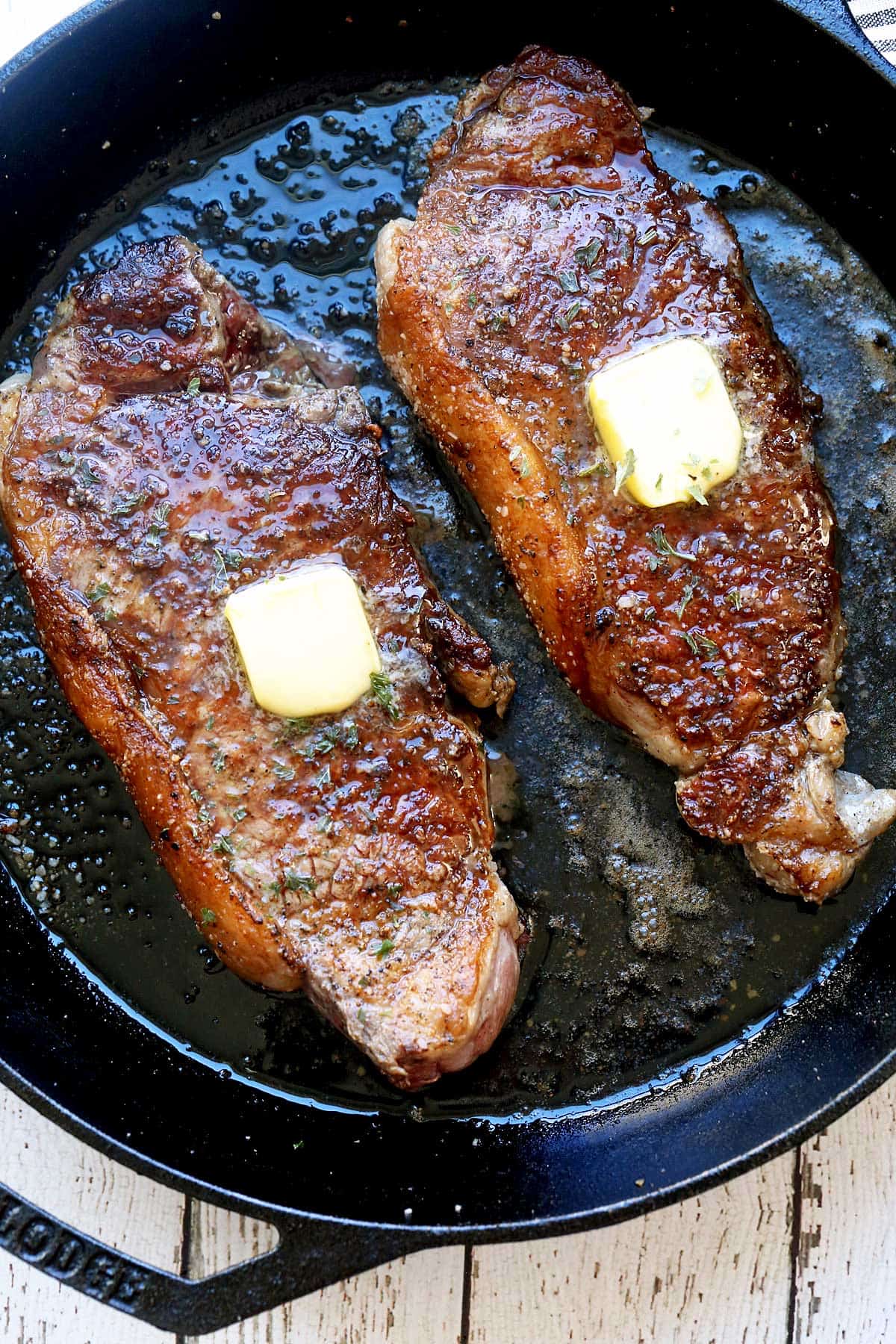
To truly appreciate the New York strip, we must first understand its origins and characteristics. This cut, also known as the strip loin steak, top loin, or Kansas City strip, is derived from the short loin of the cow. This particular primal cut is prized for its tenderness, as the muscles in this area are not heavily worked. The strip loin is located behind the rib section and in front of the sirloin.
What sets the New York strip apart is its balanced profile. It typically features a firm, yet tender texture and a robust, beefy flavor. Unlike its more marbled cousin, the ribeye, the New York strip generally has a leaner profile, with a noticeable strip of fat running along one edge. This fat cap, when rendered properly during cooking, contributes significantly to the steak’s succulence and flavor. The marbling, while present, is usually more modest than in a ribeye, leading to a cleaner, less buttery taste. This makes it an excellent choice for those who appreciate a pronounced beef flavor without an overwhelming richness.
The thickness of a New York strip steak can vary, but ideal cuts are often between 1 to 1.5 inches thick. This thickness allows for a good sear on the outside while keeping the interior at the desired level of doneness, whether that be rare, medium-rare, or medium. The muscle fibers are relatively short, contributing to its pleasant chew and overall tenderness.
From Butcher Block to Plate: The Journey of the Strip
The journey from farm to table is a critical aspect of any food experience, and this is especially true for premium cuts like the New York strip. The quality of the beef is paramount, and this begins with the breed of cattle, their diet, and their living conditions. For example, steaks from Angus cattle are often lauded for their superior marbling and tenderness. Grass-fed beef, while sometimes leaner, can offer a more intense, earthy flavor profile, whereas grain-fed beef tends to be more tender and has a richer, sweeter taste due to enhanced marbling.
When sourcing a New York strip, whether for a home-cooked meal in your Paris apartment or a special dinner at a renowned Chicago steakhouse, understanding the source can elevate the experience. Local butcher shops, particularly those that pride themselves on quality and transparency, are excellent places to find well-aged and expertly cut New York strip steaks. The aging process, whether wet-aging or dry-aging, further develops the flavor and tenderness of the meat. Dry-aged steaks, in particular, develop a concentrated, nutty flavor and a more tender texture, though they are typically more expensive.
The Steakhouse Experience: A New York Classic
The New York strip’s strong association with New York City is no accident. The city’s legendary steakhouses have long been purveyors of this iconic cut, often serving it in a no-nonsense, yet sophisticated manner. Restaurants like Peter Luger Steak House in Brooklyn, a historic establishment that has been serving steaks since the late 19th century, are synonymous with the American steakhouse experience. Here, the New York strip, often referred to simply as “strip,” is prepared with a reverence that borders on religious. It’s typically pan-seared or broiled to perfection, seasoned simply with salt and pepper, and served with a side of its own rendered fat, creating a symphony of textures and flavors.
The environment in which a steak is enjoyed also plays a significant role in its perceived quality. A bustling, classic steakhouse, with its dimly lit ambiance, mahogany paneling, and attentive service, can transform a simple meal into a memorable occasion. This is where the lifestyle aspect of travel truly shines, with luxury travel often involving indulging in such quintessential dining experiences. Staying in a luxurious hotel like the Four Seasons Hotel New York or a charming boutique hotel in the Greenwich Village neighborhood can serve as the perfect base for exploring the city’s culinary treasures, including its famous steakhouses.
The Art of Preparation: Unlocking the Strip’s Potential
While the quality of the beef is foundational, the preparation of a New York strip steak is where its true potential is unlocked. This cut is incredibly versatile and responds well to various cooking methods.
Grilling: The Outdoor Classic
Grilling is perhaps the most popular method for cooking a New York strip, especially during warmer months when outdoor dining is at its peak. The high heat of a grill creates a beautiful char on the exterior, imparting a smoky flavor that complements the beef’s natural taste. For optimal results, start with a hot grill. Season the steak generously with coarse salt and freshly ground black pepper just before placing it on the grates.
Achieving the Perfect Sear
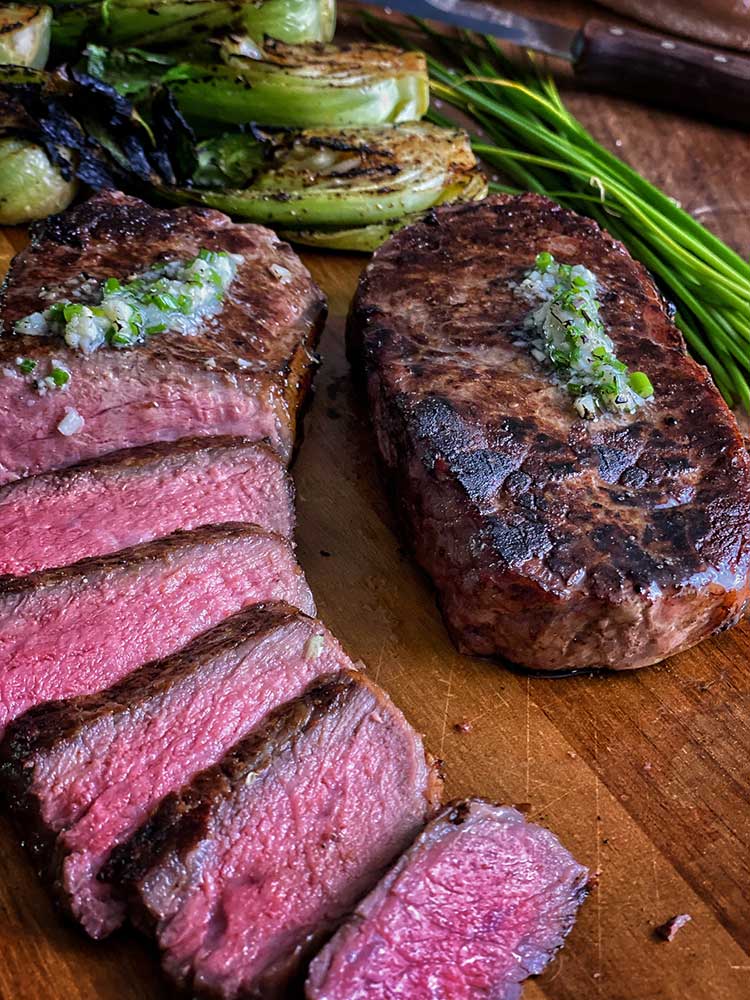
The key to a great grilled New York strip lies in achieving a perfect sear. This means allowing the steak to come to room temperature before cooking and ensuring the grill is sufficiently hot. A good sear not only creates an appealing crust but also helps to lock in the juices. For a steak that’s 1 to 1.5 inches thick, grilling for about 4-5 minutes per side will typically yield a medium-rare result. It’s crucial to use a meat thermometer to ensure the desired internal temperature is reached. For medium-rare, aim for 130-135°F (54-57°C).
Resting is Crucial
Once cooked, allowing the steak to rest is a non-negotiable step. Resting lets the juices redistribute throughout the meat, resulting in a more tender and flavorful steak. Tent the steak loosely with foil and let it rest for at least 5-10 minutes before slicing. This simple step makes a world of difference.
Pan-Searing: Indoor Elegance
For those who prefer to cook indoors or when the weather is less cooperative, pan-searing is an excellent alternative. A cast-iron skillet is ideal for this method, as it retains heat exceptionally well and creates a fantastic crust.
The Reverse Sear Technique
A sophisticated approach that works wonderfully with New York strip is the reverse sear. This method involves cooking the steak slowly in a low oven until it’s close to the desired internal temperature, then finishing it with a quick, high-heat sear in a pan. This technique ensures even cooking throughout the steak and minimizes the risk of overcooking the exterior before the interior is ready.
Basting for Flavor
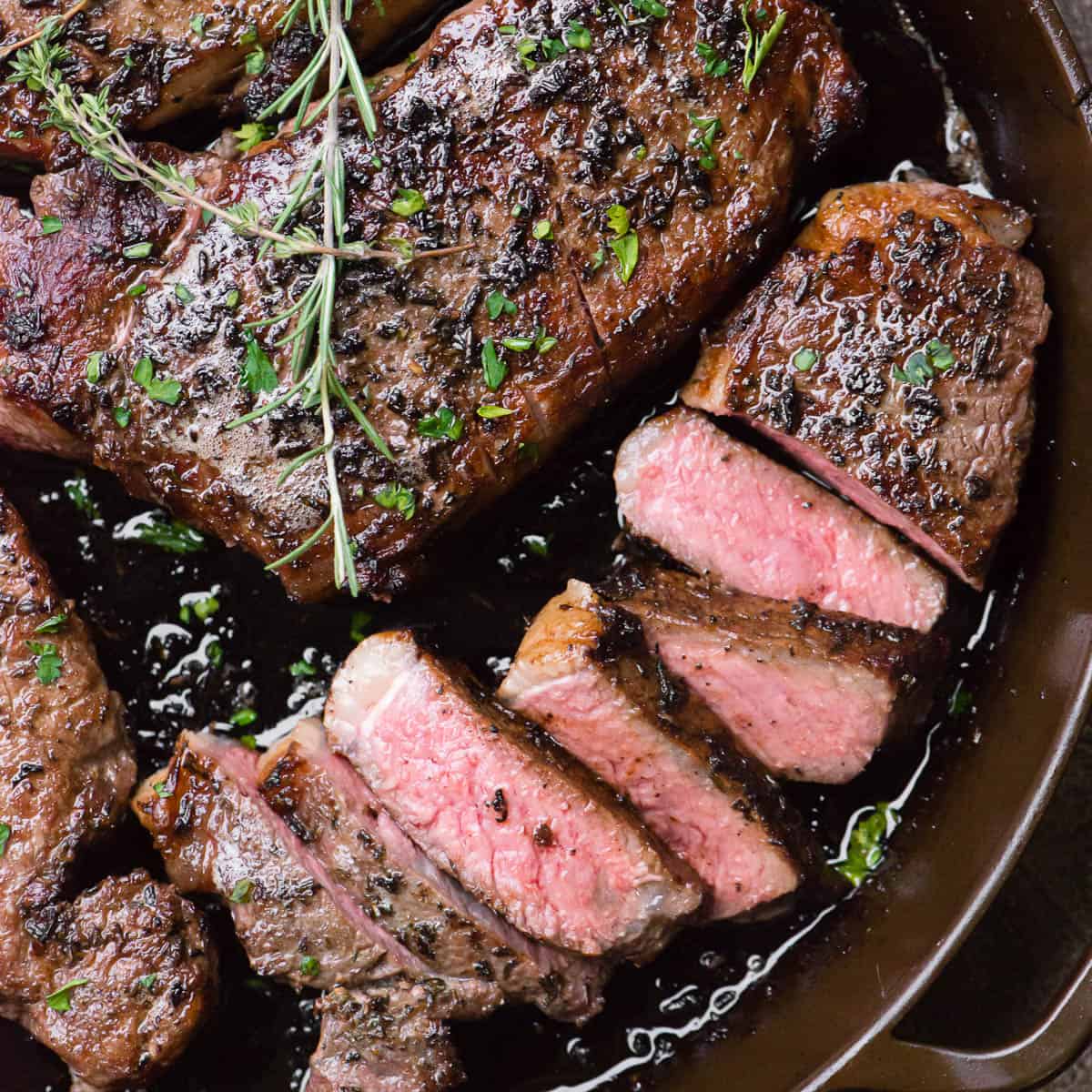
During the pan-searing process, especially when using the reverse sear method, basting the steak with butter, garlic, and herbs like rosemary or thyme can add an incredible depth of flavor. As the butter melts and foams, spoon it over the steak repeatedly, infusing it with aromatic goodness.
The Verdict: Why the New York Strip Reigns Supreme for Many
So, is a New York strip a good steak? Emphatically, yes. Its reputation is well-earned, stemming from a compelling combination of factors:
Balanced Flavor and Texture
The New York strip strikes an ideal balance between tenderness and a pronounced beefy flavor. It’s not as intensely rich as a ribeye, which some may find overpowering, nor as lean and potentially less flavorful as a filet mignon. The fat cap provides moisture and flavor without dominating the experience. This makes it a crowd-pleaser, appealing to a wide range of palates.
Versatility and Adaptability
Whether you prefer it grilled, pan-seared, broiled, or even smoked, the New York strip performs admirably. It takes well to marinades and rubs, but its inherent quality often shines through with minimal seasoning. This adaptability makes it a favorite for home cooks and professional chefs alike. Its classic pairing with sides like baked potatoes, creamed spinach, and asparagus is a testament to its ability to complement rather than compete with other flavors.
A Symbol of Culinary Exploration
For travelers and food enthusiasts, seeking out and enjoying a New York strip steak can be a highlight of any trip. From exploring the historic steakhouses of New York City to discovering local favorites in smaller towns, the pursuit of a great strip can lead to memorable culinary experiences. It’s a cut that represents quality, tradition, and the simple pleasure of a well-prepared meal. Planning a trip around such culinary destinations, perhaps staying in a luxurious resort like the Boca Raton Resort and Club or a charming guesthouse in the French Alps, can elevate a simple steak dinner into an integral part of the travel adventure. It embodies the fusion of lifestyle and cuisine, where the enjoyment of food is as important as the exploration of new places.
Ultimately, the New York strip steak offers a consistently satisfying and delicious experience. It’s a cut that embodies the essence of a great steak – flavorful, tender, and reliably enjoyable. Whether you’re a seasoned steak aficionado or a curious traveler looking to explore the best of American cuisine, the New York strip is a cut that deserves a place on your culinary map. It’s more than just a steak; it’s an experience, a classic, and a testament to the enduring appeal of well-executed simplicity.
LifeOutOfTheBox is a participant in the Amazon Services LLC Associates Program, an affiliate advertising program designed to provide a means for sites to earn advertising fees by advertising and linking to Amazon.com. Amazon, the Amazon logo, AmazonSupply, and the AmazonSupply logo are trademarks of Amazon.com, Inc. or its affiliates. As an Amazon Associate we earn affiliate commissions from qualifying purchases.