
The question “How many people live in New York?” often prompts an immediate mental image of the bustling metropolis, New York City. While the city is undeniably the heart of the state’s population and a global icon, it’s crucial to understand that New York is also a vast and diverse state, encompassing sprawling wilderness, charming towns, and other significant urban centers. This article will delve into the demographic landscape of both New York State and its famed city, exploring how its immense population shapes travel, tourism, accommodation, and lifestyle experiences within this vibrant region.
At its core, the sheer number of people residing in New York is a testament to its enduring appeal as a hub for culture, commerce, and opportunity. This population density, particularly in New York City, creates a unique environment that impacts everything from the availability of hotel suites to the richness of local culinary scenes. Understanding these numbers provides a foundation for appreciating the dynamics of one of the world’s most captivating destinations.

Understanding New York’s Population Dynamics
To accurately answer “How many people live in New York?”, we must first distinguish between the state and its most famous city. The population figures are staggering and reflect a historical trajectory of growth, immigration, and economic development.
The Sheer Scale: New York City vs. New York State
New York State is one of the most populous states in the United States. As of recent estimates, the state’s population hovers around 20 million residents. This makes it one of the largest states by population, trailing only a few others like California and Texas. This vast population is distributed across a diverse geographical area, from the Canadian border in the north to the Atlantic Ocean in the south. Major cities outside of New York City include Buffalo, Rochester, Yonkers, Syracuse, and the state capital, Albany. Each of these cities contributes to the state’s overall population and offers distinct travel destinations and local cultures.
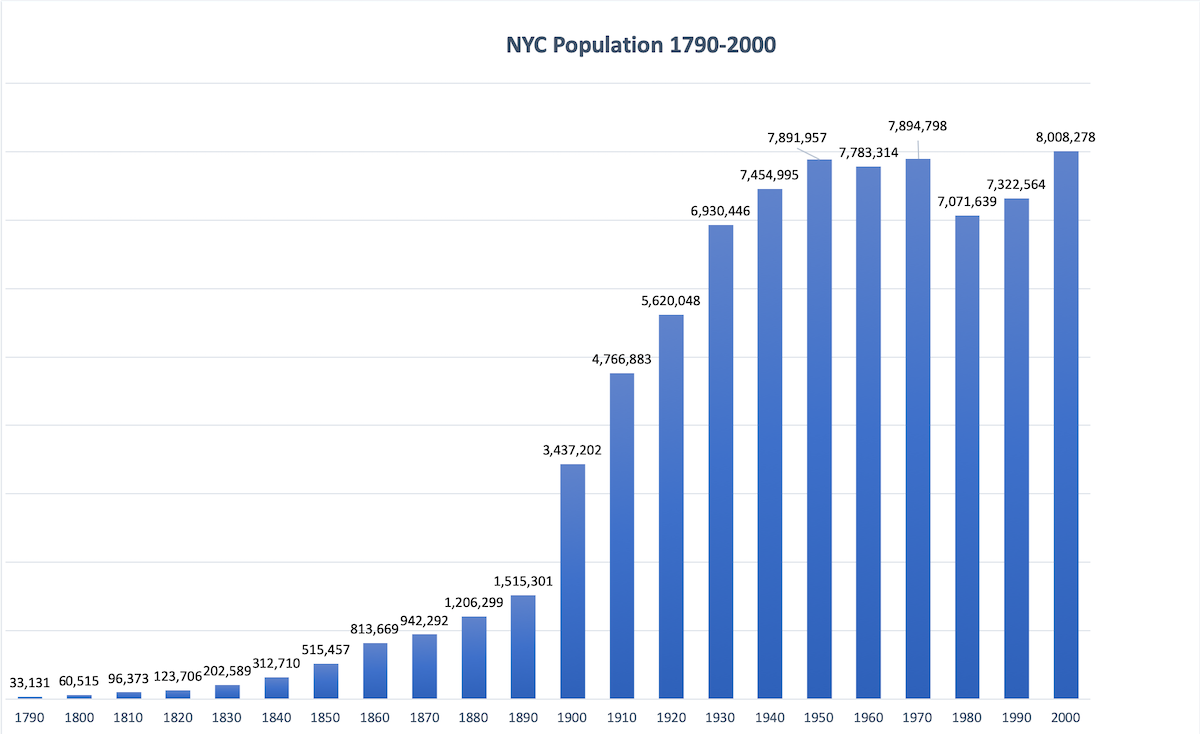
However, when most people think of “New York,” they are invariably referring to New York City. This iconic metropolis alone accounts for a significant portion of the state’s total population. New York City’s population is approximately 8.5 million people, making it the most populous city in the United States. This immense number of residents is spread across its five distinct boroughs: Manhattan, Brooklyn, Queens, The Bronx, and Staten Island. Brooklyn and Queens are particularly populous, each hosting more residents than many major U.S. cities.

The sheer density of New York City is unparalleled. Manhattan, for instance, has one of the highest population densities of any county in the United States, packing millions into a relatively small island. This concentration of people forms the bedrock of its vibrant atmosphere, its relentless energy, and its global influence.
A Melting Pot of Cultures: Diversity and Demographics
Beyond mere numbers, the demographic composition of New York is incredibly rich and diverse. New York City is renowned as a global melting pot, home to people from virtually every country in the world. Over 800 languages are spoken in the city, making it the most linguistically diverse city on Earth. This multicultural fabric is not just a statistical fact; it is a lived experience that profoundly enriches the local culture, food, and activities available to residents and tourists alike.
The diversity extends to all facets of life. Various ethnic enclaves like Chinatown, Little Italy, and vibrant neighborhoods reflecting Latin American, African, and Eastern European influences offer unique immersive experiences. This demographic tapestry means that tourism in New York isn’t just about visiting landmarks; it’s about exploring the world within a single city. The population’s diversity directly fuels the unparalleled array of dining options, cultural festivals, and artistic expressions that define the New York experience.
The Impact of Population on Travel and Tourism
The enormous population of New York, particularly in its metropolitan core, fundamentally shapes every aspect of travel and tourism. From navigating busy streets to finding the perfect place to stay, the human element is ever-present.
Navigating the Urban Jungle: Attractions and Accessibility
With millions of residents and millions more tourists visiting annually, New York City’s attractions are constantly bustling. Iconic destinations like the Statue of Liberty, Empire State Building, Times Square, and Central Park are designed to accommodate large crowds, but peak times can still be overwhelming. Smart travel guides often advise visiting during off-peak hours or utilizing services that allow for skip-the-line access to manage the flow.
The city’s comprehensive public transportation system, including the extensive subway network, is a direct response to its dense population. It’s the most efficient way to get around, allowing both residents and visitors to traverse boroughs and reach attractions without contributing to surface traffic. Understanding and utilizing this system is key to an enjoyable travel experience, particularly for those on a budget or seeking an authentic local experience. Even with such robust infrastructure, the sheer volume of people means that public spaces, from Broadway theaters to museums like the Metropolitan Museum of Art and the Museum of Modern Art (MoMA), are always alive with activity.
Further afield in New York State, popular destinations like the Niagara Falls region or the Adirondack Mountains also see significant visitor numbers, though the sense of crowd density is vastly different from the city. The state’s large population base means a consistent demand for both urban and natural attractions, influencing development and preservation efforts.
Accommodation Challenges and Choices
The high population density and constant influx of tourists in New York City create a dynamic and competitive accommodation market. Hotels, from luxury suites and boutique resorts to budget-friendly apartments and long-term stay options, are abundant but often come at a premium, especially in desirable areas like Manhattan or prime Brooklyn neighborhoods.
Travelers looking for hotels will find an array of choices from globally recognized chains like Hilton, Marriott, and Hyatt to independent, stylish properties in neighborhoods like SoHo or Greenwich Village. For those planning an extended visit or seeking more space, serviced apartments or vacation rentals offer an alternative to traditional hotel rooms. Booking well in advance is almost always advisable, especially during peak seasons or major events, as the demand generated by millions of residents and visitors quickly fills vacancies. Reviews and comparison tools become invaluable for navigating this vast market, ensuring travelers find accommodation that aligns with their budget and preferences.
Outside New York City, the accommodation landscape changes. In cities like Buffalo or Rochester, options might be more spread out and potentially more affordable. Resorts often cater to specific types of experiences, whether it’s wine country tours in the Finger Lakes region or ski trips upstate. The state’s population ensures a consistent level of demand, supporting a robust hospitality sector across diverse regions.
Culinary Adventures and Local Culture
The immense and diverse population of New York is nowhere more evident and celebrated than in its food scene. This is a true culinary capital of the world, offering everything from Michelin-starred fine dining to street food carts selling iconic New York hot dogs and bagels. The demographic tapestry ensures an authentic taste of virtually every global cuisine imaginable. You can find authentic Ethiopian injera in Harlem, delectable dumplings in Flushing, Queens, and traditional Italian pasta in Little Italy or Arthur Avenue in The Bronx.
For tourists, exploring the local food scene is an essential part of the New York experience. Food tours have become incredibly popular, guiding visitors through neighborhoods to sample diverse flavors and learn about the cultural stories behind them. The constant innovation and competition among restaurants, driven by the discerning palates of millions of residents, keep the culinary scene fresh and exciting. Tips for visitors often include venturing beyond the main tourist traps to discover hidden gems loved by locals. This engagement with local culture, fueled by the sheer volume and diversity of people, is what makes New York so uniquely appealing.
Living and Thriving in the Empire State
Beyond the numbers and statistics, the millions of people who call New York home create a distinctive lifestyle, influencing choices from luxury travel to everyday budget considerations.
From Luxury to Budget: Tailoring Your New York Experience
The diverse population of New York ensures that the state caters to an equally diverse range of lifestyles and budgets. For those seeking luxury travel, Manhattan offers some of the most opulent hotels, high-end shopping on Fifth Avenue, and exclusive dining experiences. Private guides, chauffeured services, and VIP access to events are readily available, catering to a sophisticated clientele drawn by the city’s global stature.
Conversely, budget travel in New York is not only possible but incredibly rewarding. The dense population supports a wealth of affordable eateries, free attractions like strolling across the Brooklyn Bridge or walking the High Line, and numerous cultural events that are either free or low-cost. Public transportation is a budget-friendly way to explore. Hostels, shared accommodations, and hotels further from the city center in boroughs like Queens or Brooklyn offer more economical stays.
Family trips also benefit from New York’s vast population, as it translates to an abundance of child-friendly museums, parks, and entertainment options. Business stays are a cornerstone of the New York City economy, with thousands of hotels and serviced apartments equipped for corporate travelers, supported by a robust infrastructure designed for a bustling professional world. The varied needs and preferences of millions of residents and visitors ultimately shape a comprehensive lifestyle ecosystem that can accommodate virtually anyone.
Iconic Landmarks and Their Human Scale
The grandeur of New York’s landmarks is often amplified by the constant human activity around them. Whether it’s the towering presence of One World Trade Center, the architectural marvel of Grand Central Terminal, the artistic curves of the Guggenheim Museum, or the festive atmosphere of Rockefeller Center during the holidays, these places are not just structures; they are stages for human interaction. Millions have walked through these halls, stood in awe of their majesty, or gathered for moments of celebration and remembrance.
The collective memory and ongoing experience of the population imbue these landmarks with deeper meaning. The sheer number of people passing through Times Square daily, living their lives amidst the flashing billboards, makes it a truly dynamic landmark. Similarly, Central Park, while offering a serene escape, is constantly animated by runners, picnickers, performers, and families – millions of individual stories unfolding in a shared public space. This human scale, the interaction of millions with these iconic places, is what truly defines their character and their enduring appeal.
In conclusion, the question of “How many people live in New York?” opens a window into the soul of one of the world’s most vibrant regions. With approximately 20 million residents across the state and over 8.5 million concentrated in New York City, the numbers speak volumes about its magnetic pull. This massive and diverse population is not just a statistic; it is the driving force behind the unparalleled travel experiences, the competitive accommodation market, the rich tapestry of tourism, the iconic landmarks that resonate with human stories, and the dynamic lifestyle choices that make New York an endlessly fascinating destination for all.
LifeOutOfTheBox is a participant in the Amazon Services LLC Associates Program, an affiliate advertising program designed to provide a means for sites to earn advertising fees by advertising and linking to Amazon.com. Amazon, the Amazon logo, AmazonSupply, and the AmazonSupply logo are trademarks of Amazon.com, Inc. or its affiliates. As an Amazon Associate we earn affiliate commissions from qualifying purchases.