
The allure of a perfectly cooked steak is undeniable, a culinary experience that transcends simple sustenance and enters the realm of indulgence. Among the pantheon of celebrated beef cuts, the New York strip steak holds a special place. Revered for its balanced texture, rich flavor, and versatility in the kitchen, it has become a staple in steakhouses across the globe and a coveted choice for home cooks seeking to elevate their dining. But what exactly is a New York strip steak, and what makes it so distinctive?
Beyond its gastronomic appeal, the concept of a signature steak like the New York strip is also woven into the fabric of travel and lifestyle. Imagine savoring this succulent cut in a bustling New York City steakhouse, the vibrant energy of Times Square or the sophisticated ambiance of a Financial District eatery setting the scene. Or perhaps it’s a leisurely vacation, where a prime New York strip is part of an unforgettable dining experience at a luxurious resort in Aspen or a charming boutique hotel in Paris. The steak, much like a well-chosen destination, contributes to the overall narrative of a trip, enhancing memories and enriching the sense of place. This article delves into the anatomy of the New York strip, exploring its origins, characteristics, and the broader context of enjoying this exceptional cut, whether you’re embarking on an epicurean adventure in its namesake city or seeking culinary delights on your travels.
The Genesis of a Classic: Understanding the Cut
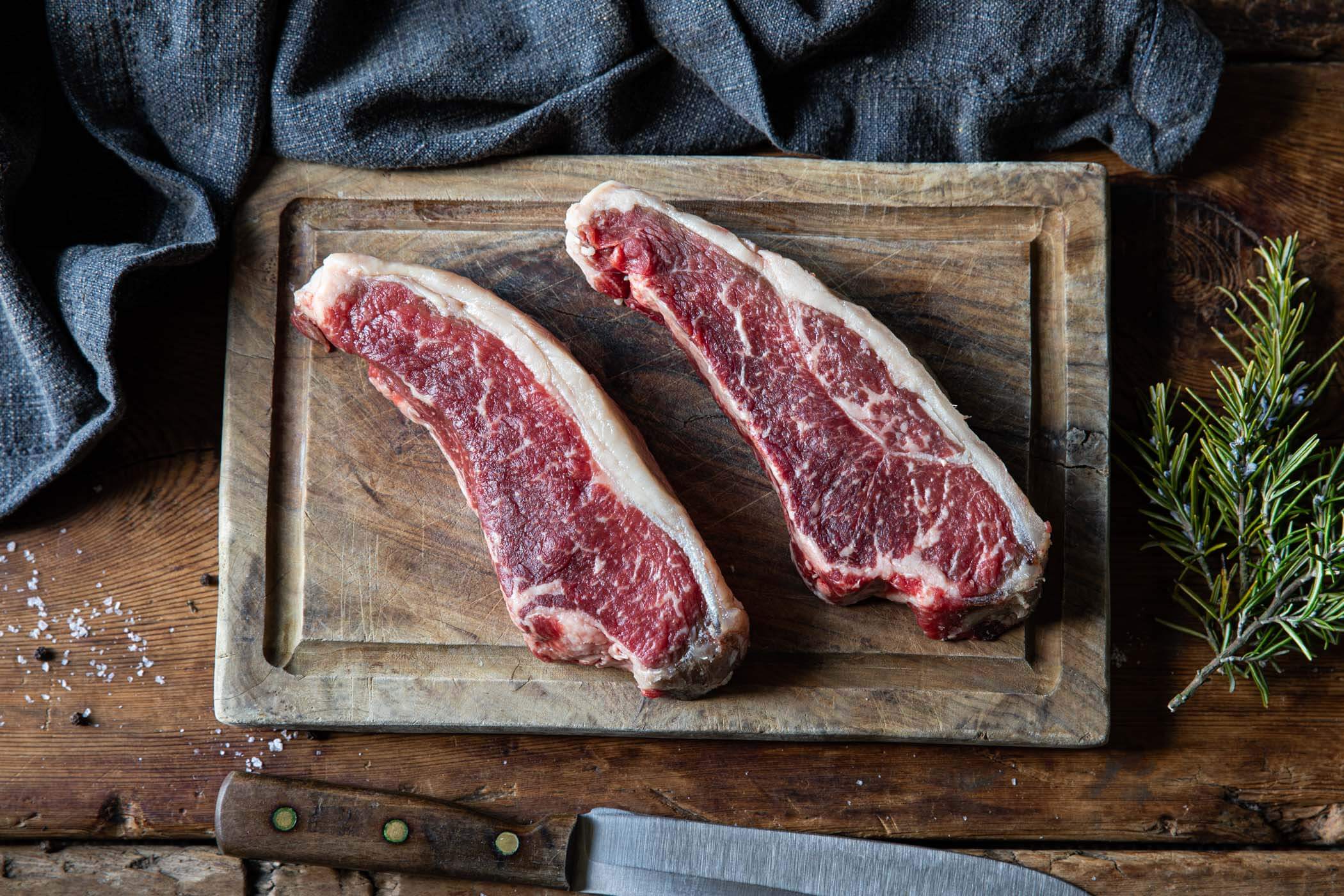
The New York strip steak, also known by a variety of other names such as the Kansas City strip, top loin steak, or even sirloin strip, hails from the short loin primal cut of a cow. This specific section of beef is highly prized because the muscles here are not heavily worked, resulting in a tender and flavorful cut. The short loin sits just behind the rib cage and runs towards the rear of the animal. It’s a relatively small section, which contributes to the steak’s premium status.
The New York strip is essentially the portion of the top loin that is left after the tenderloin (which yields the filet mignon) has been removed. This means it shares some of its anatomical space with other prized cuts, but it possesses its own unique characteristics. Unlike the filet mignon, which is exceptionally tender but leaner, the New York strip strikes a beautiful balance. It boasts a desirable marbling – the flecks of intramuscular fat – that melts during cooking, basting the meat from within and imparting a rich, beefy flavor. This marbling is crucial to its succulence and overall taste profile.
Anatomy and Characteristics of the New York Strip
Visually, a New York strip steak is typically rectangular or oval in shape, with a consistent thickness, often around 1 to 1.5 inches. A defining feature is a strip of firm fat that runs along one edge of the steak. This fat cap, while often trimmed by chefs before cooking, can be left on to add extra flavor and moisture during the grilling or pan-searing process. Some chefs even score the fat cap to help it render more effectively.
The texture of a New York strip is often described as firm yet tender. It has a satisfying chew that is not tough or stringy, offering a pleasant resistance with each bite. This makes it a versatile cut, enjoyable cooked to a range of temperatures from rare to well-done, although most steak aficionados prefer it medium-rare to medium to best appreciate its inherent qualities. The grain of the meat is usually visible and runs lengthwise, guiding how the steak should be sliced for optimal tenderness.
The flavor profile of a New York strip is decidedly beefy. It’s less overtly rich than a ribeye but offers a more pronounced and robust taste than a filet mignon. This makes it a favorite for those who appreciate a classic, unadulterated steak experience. It’s a canvas that can be enhanced with simple seasonings or more complex marinades, though many purists argue for its minimal adornment, allowing the quality of the beef to shine through.
The sourcing of a New York strip can also influence its quality and flavor. Steaks from cattle raised on grass-fed diets may exhibit a slightly different flavor profile compared to those from grain-finished animals. The breed of cattle, their diet, age, and even the aging process the meat undergoes (dry-aging or wet-aging) all play a significant role in the final taste and texture of the steak. For instance, a dry-aged New York strip from a reputable butcher in New York City might have a more intense, nutty flavor due to the concentration of moisture and development of enzymes during the aging period.
The New York Strip in Culinary and Travel Contexts
The New York strip steak is more than just a cut of meat; it’s an experience, a symbol of culinary excellence, and often, a highlight of travel itineraries. Its association with iconic steakhouses, particularly those in New York City, imbues it with a certain prestige. Dining at a legendary establishment like Peter Luger Steak House in Brooklyn or Keens Steakhouse in Manhattan is not merely about eating; it’s about immersing oneself in a storied tradition of exceptional hospitality and perfectly prepared food. These experiences are often central to a traveler’s exploration of the city, becoming a memorable part of their New York City travel experience.
Iconic Steakhouses and Culinary Tourism
The culinary landscape of New York City is inextricably linked to the steakhouse. These institutions have perfected the art of cooking and serving prime cuts, and the New York strip is consistently a star on their menus. For tourists visiting the Big Apple, a visit to a classic steakhouse is often considered a quintessential activity, a must-do activity that aligns with the tourism aspect of experiencing local food and culture. The ambiance of these places, from the dimly lit interiors and white tablecloths to the attentive service, contributes to the overall lifestyle of luxury travel and indulgence.
Beyond New York City, the New York strip has gained international acclaim. High-end restaurants and resorts worldwide feature it, often adapting their preparation to local tastes while respecting the inherent qualities of the cut. Whether you’re staying at a beachfront resort in Hawaii or a charming villa in the Tuscan countryside, the availability of a well-prepared New York strip can be a delightful surprise, offering a familiar comfort or a point of connection to classic American cuisine. This global presence of the New York strip underscores its status as a universally appreciated culinary delight, enhancing travel experiences and offering a consistent quality across diverse destinations.
Pairing and Preparation for Optimal Enjoyment
The versatility of the New York strip steak makes it amenable to various cooking methods and flavor profiles. Grilling imparts a smoky char, pan-searing creates a beautiful crust, and broiling offers a consistent heat. The key to unlocking its full potential lies in proper preparation and cooking.
Grilling
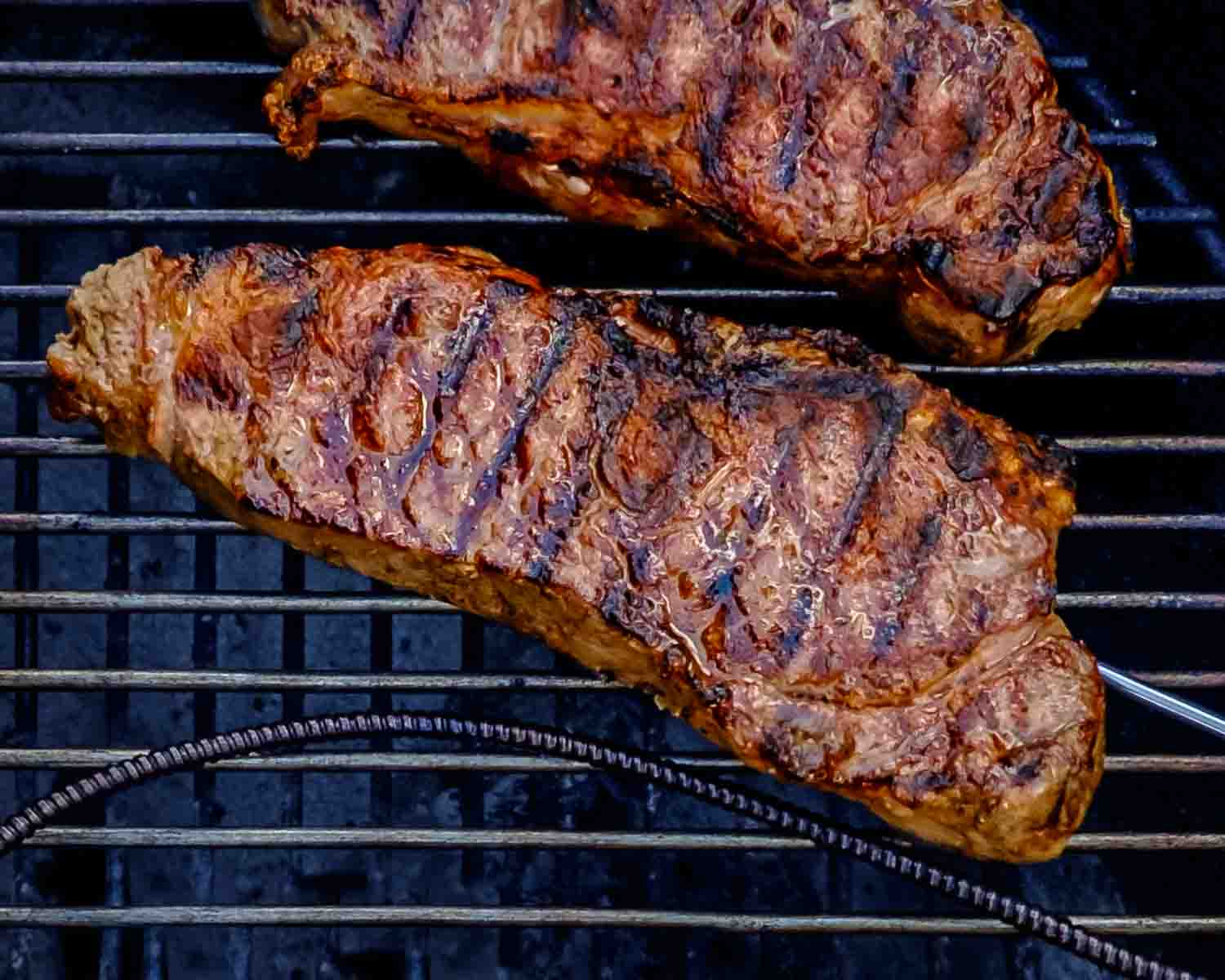
When grilling, it’s essential to preheat your grill to a high temperature. This ensures a rapid sear, locking in the juices and creating those coveted grill marks. A good rule of thumb is to grill the steak for a few minutes per side, depending on thickness and desired doneness. Resting the steak for 5-10 minutes after cooking is crucial; this allows the juices to redistribute throughout the meat, resulting in a more tender and flavorful steak.
Pan-Searing
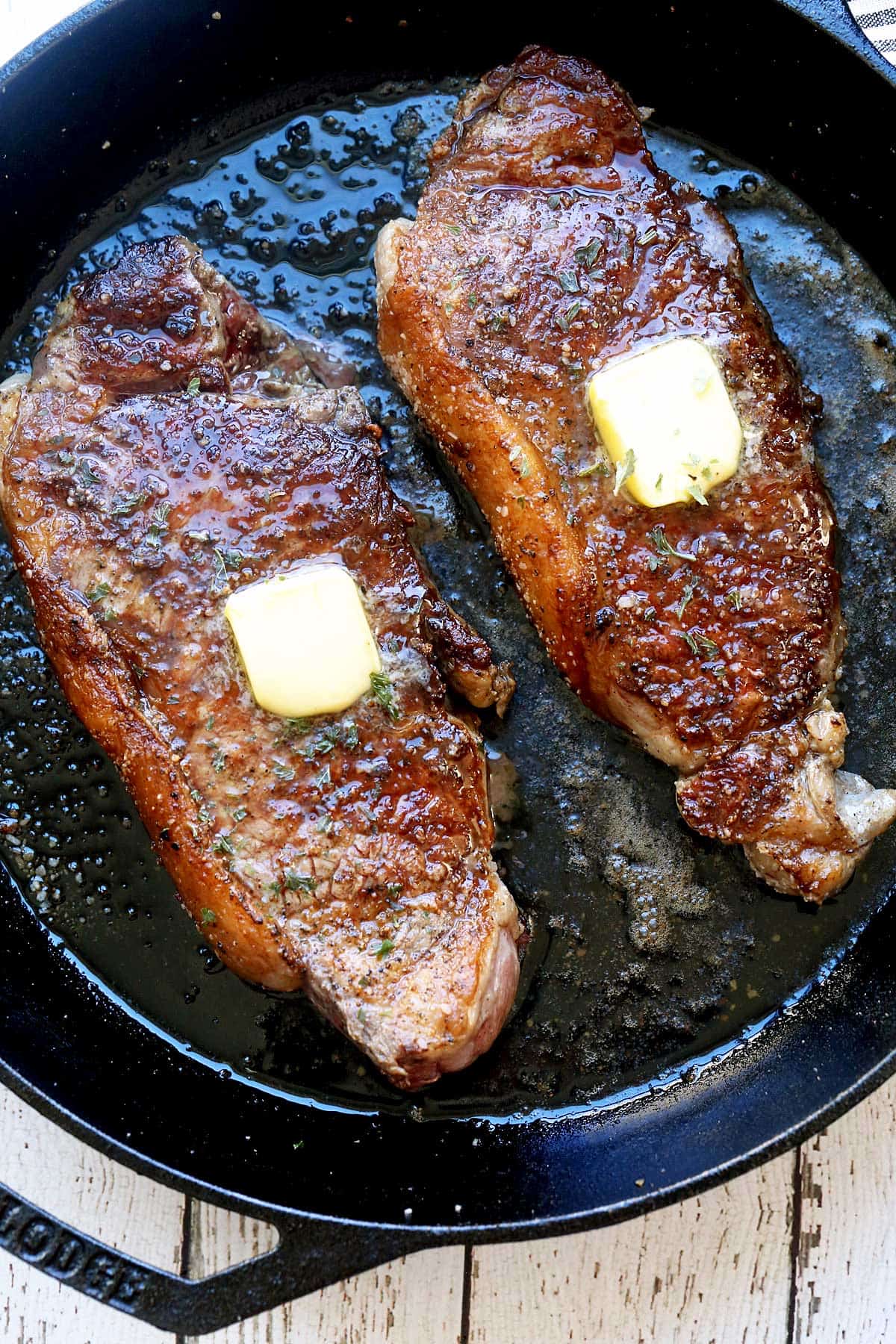
Pan-searing is an excellent method for achieving a perfect crust, especially when using a cast-iron skillet. Start by searing the steak over high heat in a little oil or butter. Once a beautiful brown crust has formed on both sides, you can reduce the heat or transfer the skillet to a preheated oven (around 400°F or 200°C) to finish cooking to your desired temperature. Basting the steak with butter, garlic, and herbs like rosemary or thyme during the final stages of pan-searing adds an extra layer of richness and aroma.
Seasoning and Accompaniments
The best seasoning for a New York strip steak is often simply salt and freshly ground black pepper. High-quality sea salt or kosher salt helps to draw out moisture and enhance the beef’s natural flavor, while cracked black pepper adds a subtle bite. For those who enjoy it, a sprinkle of garlic powder or onion powder can also be effective.
When it comes to accompaniments, the classic steakhouse pairings are hard to beat. Creamy mashed potatoes, crispy French fries, sautéed mushrooms, asparagus with hollandaise sauce, or a fresh wedge salad all complement the richness of the steak beautifully. For a touch of sophistication, a red wine reduction sauce or a Béarnaise sauce can elevate the dish further. The choice of accompaniments often depends on the overall dining lifestyle one is aiming for, whether it’s a casual backyard barbecue or a formal dinner setting in a luxury hotel.
Ultimately, the New York strip steak is a testament to the simple elegance of high-quality ingredients prepared with care. Its enduring popularity is a reflection of its satisfying flavor, appealing texture, and its ability to serve as a focal point for memorable dining experiences, whether at home or while exploring the world. From the bustling streets of New York City to the tranquil settings of a faraway resort, the New York strip steak offers a consistently excellent culinary adventure.
LifeOutOfTheBox is a participant in the Amazon Services LLC Associates Program, an affiliate advertising program designed to provide a means for sites to earn advertising fees by advertising and linking to Amazon.com. Amazon, the Amazon logo, AmazonSupply, and the AmazonSupply logo are trademarks of Amazon.com, Inc. or its affiliates. As an Amazon Associate we earn affiliate commissions from qualifying purchases.