
SoHo, a name that resonates with creativity, fashion, and a vibrant urban pulse, is more than just a neighborhood in New York City. It’s a destination, an experience, and a lifestyle. For many, the acronym “SoHo” is instantly recognizable, conjuring images of cast-iron architecture, bustling boutiques, and world-class dining. But what exactly does this iconic appellation signify, and what makes this corner of Manhattan so enduringly captivating?
The story of SoHo is deeply intertwined with the very fabric of New York City’s evolution. It’s a narrative of industrial decline transformed into artistic renaissance, a testament to urban renewal and the power of creative communities to breathe new life into forgotten spaces. Understanding what SoHo stands for requires a journey through its history, its architectural significance, and its contemporary identity as a global hub for culture and commerce.

The Genesis of a Name: From Industrial Grit to Artistic Grit
The origins of the name SoHo are surprisingly practical, rooted in urban planning and a bit of administrative expediency. The area we now know as SoHo was once a predominantly industrial and manufacturing district. Its streets were lined with warehouses, factories, and workshops, housing a diverse range of trades. As the industrial era waned, much of this district fell into disrepair and neglect, becoming a somewhat forgotten part of the city.
The South of Houston Street Designation
The crucial element that gave SoHo its name was its geographical location. The neighborhood is situated directly South of Houston Street. In the late 1960s, as the city grappled with urban decay and sought ways to revitalize declining areas, a group of city planners and community leaders began to explore the potential of this overlooked district. To facilitate planning and designate the area for specific development initiatives, the informal acronym “SoHo” – standing for South of Houston – began to gain traction.
This designation wasn’t just an arbitrary label; it was a catalyst. The low rents and vast, open spaces of the former industrial buildings, with their characteristic large windows and sturdy structures, proved to be an irresistible draw for artists seeking affordable studio space and galleries looking for exhibition areas. This influx of artistic talent marked the beginning of SoHo’s transformation.
The Rise of the Artist Colony and Loft Living
As artists began to occupy the vacant lofts, the neighborhood’s character started to shift. The raw, industrial aesthetic, once a symbol of decline, became a celebrated backdrop for artistic expression. Galleries proliferated, showcasing cutting-edge contemporary art. This artistic community, in turn, attracted a more bohemian and avant-garde crowd, contributing to the area’s burgeoning creative energy.
The unique architecture of SoHo played a pivotal role in this transformation. The proliferation of cast-iron buildings, built primarily between the mid-19th and early 20th centuries, provided the distinctive visual identity that defines the neighborhood to this day. These buildings, with their ornate detailing, massive windows, and fireproof construction, were originally designed for commercial and industrial purposes. However, their robust structure and expansive interiors were perfectly suited for conversion into artist studios and loft residences, a concept that was revolutionary at the time. The successful conversion of these industrial spaces into live-work environments not only saved them from demolition but also created a unique housing and commercial model that influenced urban development worldwide. The SoHo cast-iron district is now a designated historic landmark, preserving this architectural heritage for future generations.
SoHo Today: A Nexus of Culture, Commerce, and Chic
While the artistic roots of SoHo remain an integral part of its identity, the neighborhood has evolved significantly since its nascent days as an artist enclave. Today, SoHo is a global epicenter for fashion, retail, dining, and cultural experiences, attracting locals and tourists alike. Its name now encompasses a broader spectrum of what it represents.
A Fashionista’s Paradise: Boutiques and Flagship Stores
One of the most prominent aspects of modern SoHo is its status as a premier shopping destination. The streets are lined with an eclectic mix of independent designer boutiques, high-end luxury brands, and beloved chain stores. From the avant-garde creations of emerging designers to the established elegance of world-renowned fashion houses, SoHo offers a curated selection that caters to every style and budget. Wandering through the cobblestone streets, shoppers can discover unique pieces, browse the latest collections, and experience the thrill of urban retail therapy.
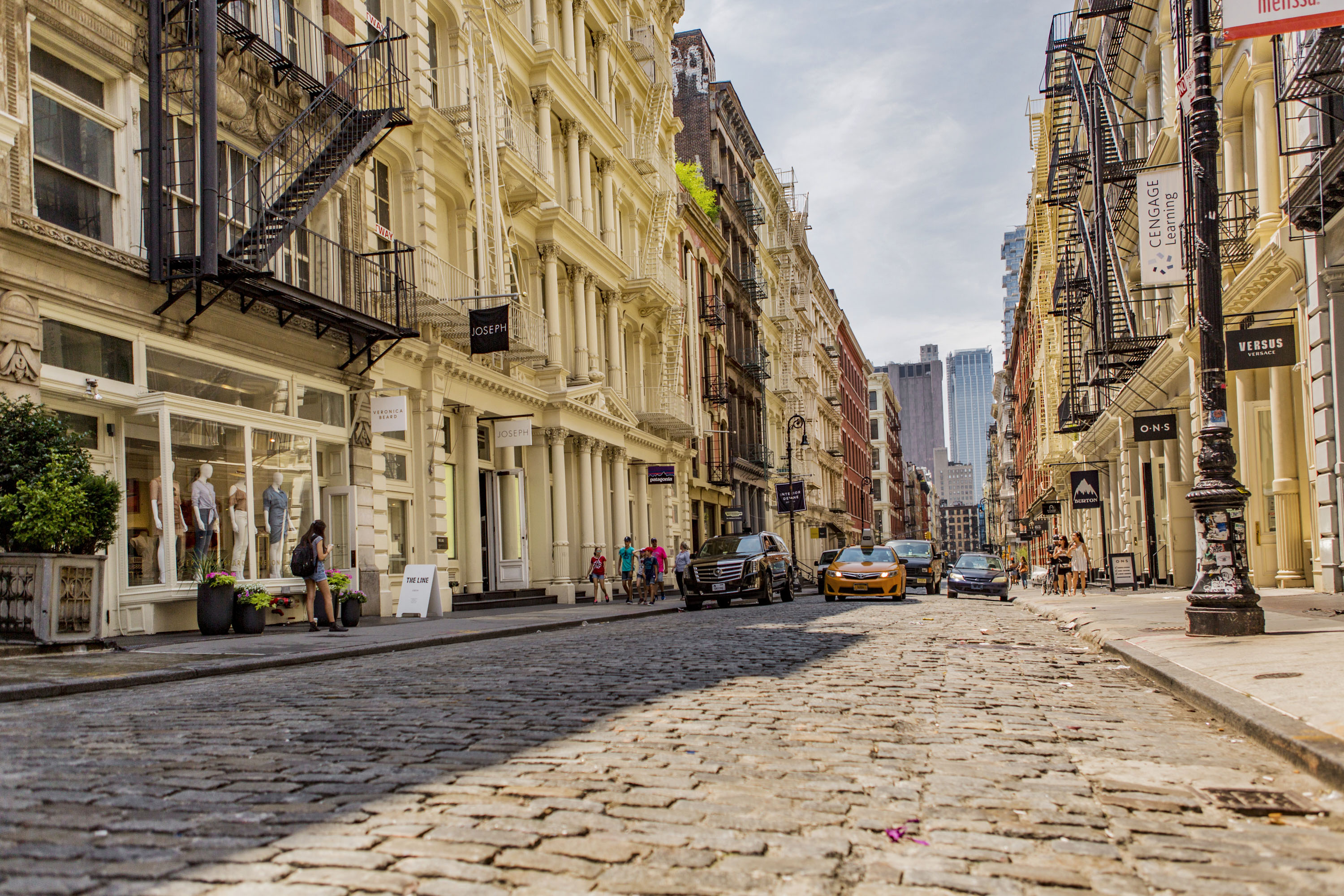
The architectural grandeur of the buildings themselves often complements the sophisticated retail offerings. Many flagship stores have chosen to inhabit the historic cast-iron buildings, creating a striking juxtaposition between the old and the new. The expansive windows and high ceilings provide the perfect canvas for showcasing merchandise, making the shopping experience in SoHo feel less like a transaction and more like an immersion into a world of style and design. Major brands have invested heavily in creating immersive retail environments here, recognizing the neighborhood’s magnetic pull for discerning consumers.
Culinary Delights and Nightlife Vibrancy
Beyond fashion, SoHo is a celebrated culinary hotspot. The neighborhood boasts a diverse and dynamic restaurant scene, offering everything from Michelin-starred fine dining to cozy cafes and vibrant international eateries. Whether you’re craving authentic Italian pasta, innovative American cuisine, or exotic global flavors, SoHo delivers. The concentration of acclaimed chefs and restaurateurs ensures that every meal is an experience, a chance to savor exquisite dishes in a stylish setting.
As the sun sets, SoHo transforms into a hub of sophisticated nightlife. Chic cocktail bars, intimate jazz clubs, and lively lounges offer a perfect ambiance for evening entertainment. Whether you’re looking for a quiet drink with friends or a more energetic night out, SoHo has options to suit every mood. The energy of the neighborhood extends well into the night, making it a destination for those seeking both gastronomic pleasures and lively social scenes.
Artistic Legacy and Cultural Encounters
While commercialism has certainly taken hold, the artistic spirit that first defined SoHo is far from extinguished. Numerous art galleries continue to operate, showcasing contemporary works from both established and emerging artists. These galleries offer a glimpse into the evolving art world, providing opportunities for contemplation, discovery, and connection with creative expression.
Beyond traditional galleries, SoHo often serves as a canvas for public art installations and street performances, further enriching its cultural landscape. The neighborhood’s history as a hub for creatives means that artistic energy is woven into its very DNA. Visitors can still find inspiration around every corner, whether it’s in the form of a striking mural, an impromptu musical performance, or the sheer architectural beauty of the surroundings. The Museum of Modern Art (MoMA), while not directly within SoHo, is a relatively short journey and a key landmark for art lovers visiting New York City, offering a broader context to the city’s artistic prowess.
Exploring SoHo: A Guide for Travelers
For those planning a visit to New York City, SoHo offers a multifaceted travel experience. Its unique blend of history, architecture, fashion, and gastronomy makes it a must-see destination. Whether you’re a dedicated shopper, an art enthusiast, a food connoisseur, or simply someone looking to soak up the quintessential New York vibe, SoHo promises an unforgettable adventure.
Planning Your Visit: Accommodation and Getting Around
When considering accommodation, SoHo itself offers a range of options, from chic boutique hotels to luxurious serviced apartments. Staying within or very near the neighborhood allows for easy exploration on foot, which is often the best way to truly experience its charm. For budget-conscious travelers, there are numerous hotel options in neighboring districts that provide excellent access to SoHo. Booking in advance is highly recommended, especially during peak tourist seasons.
Navigating SoHo is straightforward. The neighborhood is well-served by the New York City Subway system, with several stations providing convenient access. Walking is the most rewarding way to discover its hidden gems, from charming side streets to unexpected courtyards. Wear comfortable shoes, as you’ll likely be doing a lot of exploring!
Experiencing the SoHo Vibe: Must-Do Activities
- Wander through the Cast-Iron Historic District: Take a guided walking tour or simply explore on your own to admire the stunning architecture. Pay attention to the intricate details of the cast-iron facades.
- Shop till you drop: Dedicate a day to browsing the eclectic mix of boutiques and flagship stores. Keep an eye out for unique finds and enjoy the vibrant retail atmosphere.
- Indulge in a Culinary Journey: Sample the diverse dining scene, from casual cafes to upscale restaurants. Explore the various cuisines and enjoy the gastronomic delights SoHo has to offer.
- Visit Art Galleries: Immerse yourself in the contemporary art scene by visiting the numerous galleries scattered throughout the neighborhood.
- Enjoy the Street Life: Simply sit at an outdoor cafe, people-watch, and soak in the energetic atmosphere that makes SoHo so unique.
In conclusion, what SoHo in New York stands for is a powerful testament to urban transformation. It represents a journey from industrial decay to artistic innovation, from a practical designation of South of Houston to a globally recognized symbol of style, culture, and sophisticated urban living. It is a destination that continues to evolve, yet remains firmly rooted in its rich history and its enduring appeal as a vibrant and dynamic neighborhood.
LifeOutOfTheBox is a participant in the Amazon Services LLC Associates Program, an affiliate advertising program designed to provide a means for sites to earn advertising fees by advertising and linking to Amazon.com. Amazon, the Amazon logo, AmazonSupply, and the AmazonSupply logo are trademarks of Amazon.com, Inc. or its affiliates. As an Amazon Associate we earn affiliate commissions from qualifying purchases.