
For many, the mention of Maine instantly conjures images of rugged coastlines, iconic lighthouses, and, perhaps most prominently, the delectable Maine lobster. This celebrated crustacean isn’t just a meal; it’s an integral part of Maine’s identity, economy, and tourism appeal. Visitors flock to the state annually, eager to don a bib and crack open a succulent claw. But for those planning a trip specifically to indulge in this culinary treasure, a crucial question arises: “When is lobster season in Maine?” The answer is more nuanced than a simple calendar date, involving peak seasons, molting cycles, and regional availability, all of which can significantly impact your dining experience and travel plans. Understanding these dynamics is key to planning the ultimate Maine lobster adventure, whether you’re seeking the freshest catch, the best prices, or a vibrant coastal festival atmosphere.
Understanding Maine’s Lobster Seasons
While lobsters are harvested year-round in Maine, the term “lobster season” typically refers to the period of greatest abundance and activity, both for the lobstermen and for the eager consumers. This peak often coincides with the state’s busiest tourism season, creating a symbiotic relationship between seafood and travel.
Peak Season: Summer and Fall Abundance
The undisputed prime time for Maine lobster is late June through October, with August and September often cited as the absolute peak. This period sees an explosion in the lobster population caught, primarily due to the annual molting cycle. As the warmer waters of the Atlantic Ocean encourage lobsters to shed their old shells and grow new, larger ones, they become more active and venture closer to shore, making them easier to trap.
During these summer and early fall months, you’ll find an overwhelming abundance of “new-shell” lobsters. These lobsters, having recently molted, have softer shells, which can be easier to crack, and contain incredibly sweet, tender meat. While some prefer the firmer meat of hard-shell lobsters, new-shell enthusiasts cherish their delicate texture and intense flavor. The sheer volume of lobsters caught during this period means that prices generally become more competitive, making it an ideal time for budget-conscious travelers to indulge in multiple lobster meals.
Beyond the dining experience, the summer and fall also offer the quintessential Maine coastal experience. The weather is typically warm and sunny, perfect for scenic drives, island hopping, and exploring charming fishing villages. This is when Maine’s coastal towns truly come alive, brimming with visitors, open-air seafood shacks, and vibrant local events.
Off-Peak Seasons: Winter and Spring Considerations
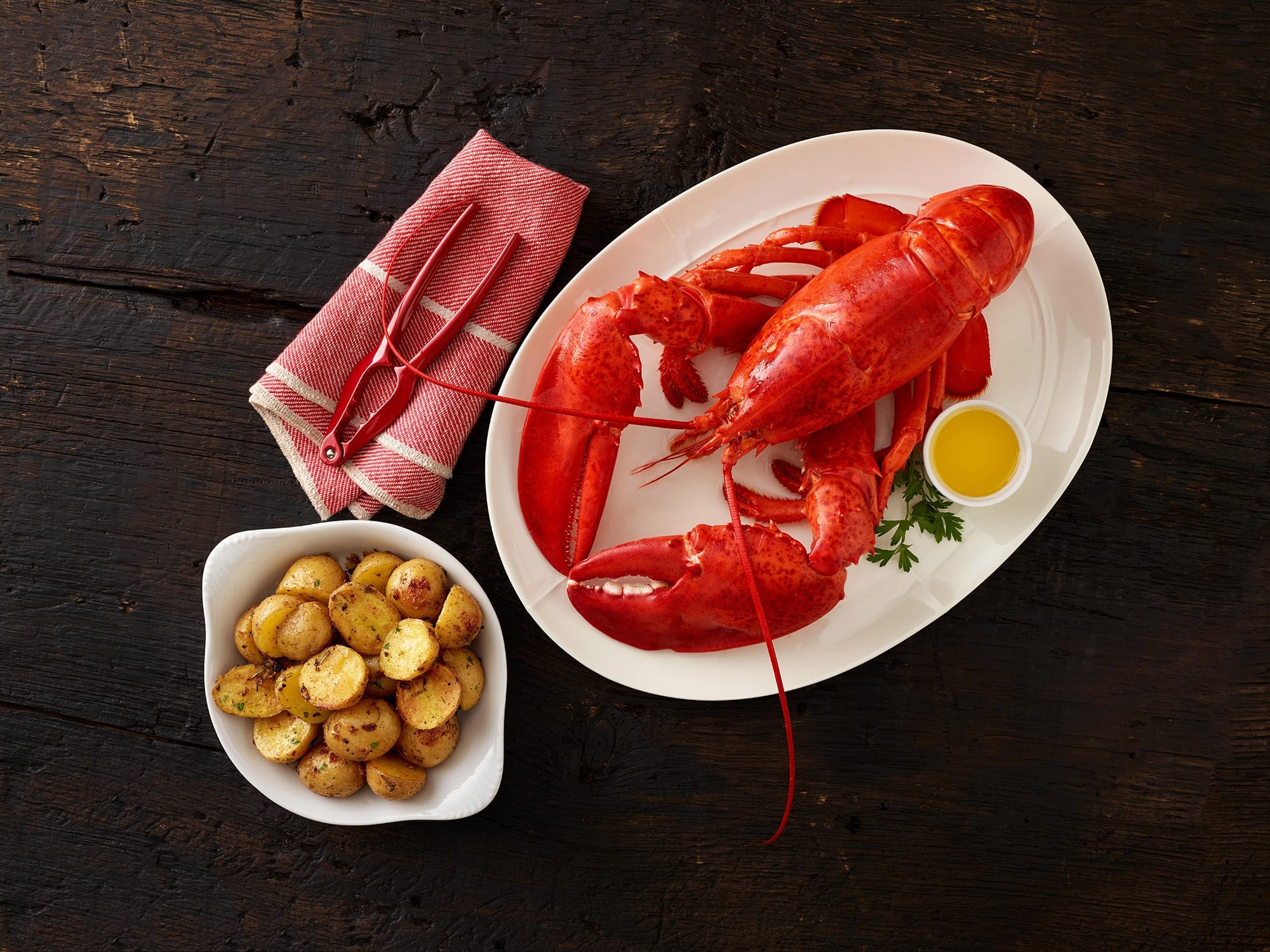
While less abundant, lobsters are still caught during the colder months, offering a different kind of experience. November through May constitutes the off-peak season. During this time, lobsters are harder to find as they tend to move into deeper, warmer waters offshore. The lobsters caught during these months are predominantly “hard-shell” lobsters. These crustaceans have had more time to grow into their shells, resulting in a firmer, denser meat and a higher meat-to-shell ratio. Many connoisseurs actually prefer the robust flavor and texture of hard-shell lobsters, considering them superior for dishes where the meat needs to hold its structure, such as lobster bisque or lobster rolls.
However, the scarcity of lobsters during winter and spring typically leads to higher prices. For travelers, this means a potentially more expensive meal. The trade-off, however, can be a more serene and authentic Maine experience. The crowds thin out, many seasonal businesses close, and the raw beauty of the Maine coast becomes even more pronounced. For those seeking solitude, dramatic seascapes, and a chance to truly connect with the local way of life without the hustle and bustle of peak tourism, the off-peak seasons can be incredibly rewarding, especially if you prioritize hard-shell lobster.
The Molting Cycle and Its Impact
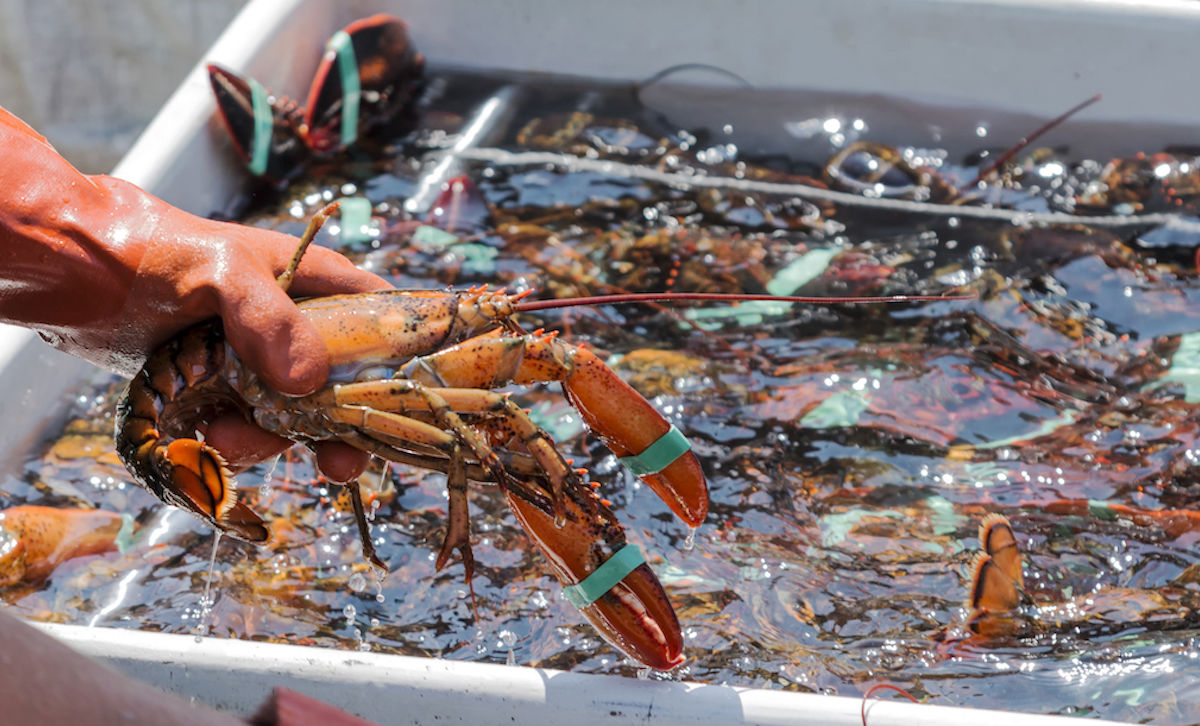
The lobster molting cycle is the biological phenomenon that drives the seasonal availability and characteristics of Maine lobster. As lobsters grow, they must shed their old, restrictive shells to accommodate their expanding bodies. This process, known as molting or ecdysis, is triggered by warming water temperatures, primarily occurring between late June and early October.
During the molting period, lobsters become less active and more vulnerable. Once they shed their shells, they emerge as “new-shell” lobsters, with soft, pliable casings that will gradually harden over several weeks or months. These new-shell lobsters are generally more active in shallow waters as they seek food to rebuild their energy and grow into their new shells, making them easier targets for traps set closer to shore.
The impact on consumers is significant:
- Summer/Early Fall (New-Shell): Abundant, sweeter, more tender meat, easier to crack, and generally lower in price due to high volume. However, they yield slightly less meat per pound compared to hard-shells and don’t ship as well due to their delicate nature.
- Late Fall/Winter/Spring (Hard-Shell): Less abundant, firmer, denser meat, higher meat yield, and typically higher in price. These lobsters are more robust and travel better, making them ideal for shipping or longer storage.
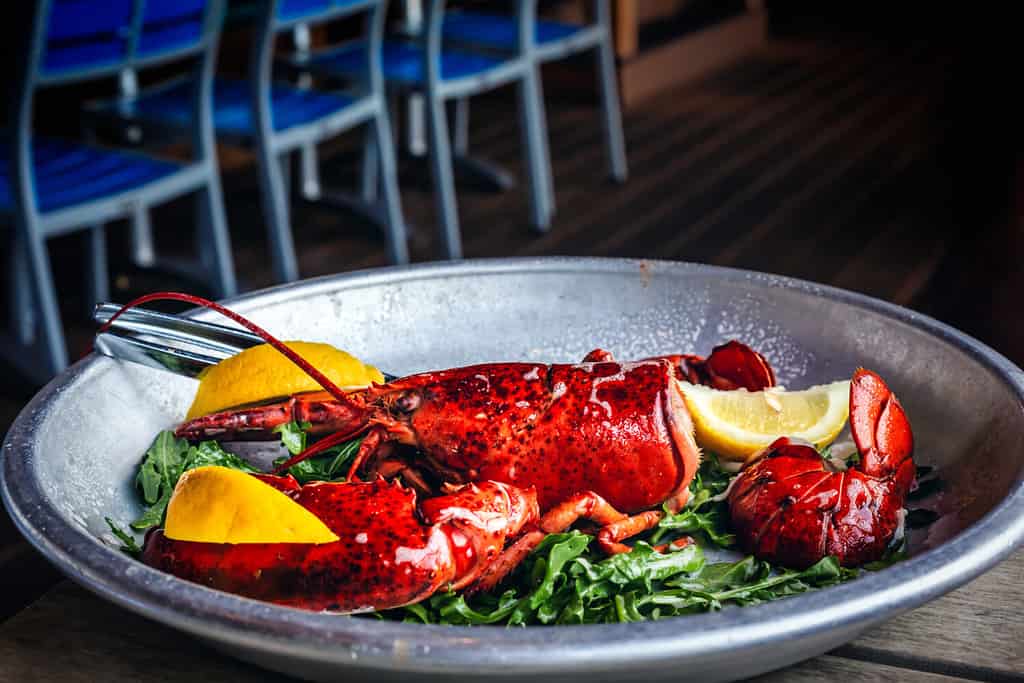
Understanding this cycle allows visitors to choose their preferred lobster experience – the delicate sweetness of a new-shell in summer or the robust flavor of a hard-shell in winter.
Planning Your Maine Lobster Adventure
Embarking on a lobster-centric trip to Maine involves more than just knowing when to go. It’s about immersing yourself in the culture, exploring the best culinary spots, and considering all aspects of your journey, from accommodation to unique activities.
Best Places to Experience Lobster
Maine’s extensive coastline is dotted with towns renowned for their lobster offerings. While almost any coastal community will have a lobster shack, some destinations stand out for their concentration of excellent eateries, vibrant atmospheres, and related activities.
- Portland: As Maine’s largest city, Portland boasts a sophisticated food scene. Its Old Port district is home to numerous acclaimed restaurants that elevate lobster into gourmet dishes, alongside classic lobster shacks. It’s also a hub for lobster boat tours and offers a dynamic urban experience.
- Bar Harbor & Mount Desert Island: The gateway to Acadia National Park, Bar Harbor is a popular destination combining stunning natural beauty with fantastic lobster dining. Enjoy a lobster bake after a day of hiking or exploring the park.
- Kennebunkport: This charming town in Southern Maine is known for its picturesque harbor, boutique shops, and upscale lobster restaurants, offering a more luxurious take on the classic seafood experience.
- Rockland: Home to the annual Maine Lobster Festival (typically in early August), Rockland is a working harbor town with a strong connection to the lobster industry. It’s an excellent place to experience authentic lobster shacks and learn about the trade.
- Ogunquit: Another gem in Southern Maine, Ogunquit combines beautiful beaches with delicious seafood options, perfect for a relaxed coastal getaway.
- Boothbay Harbor and Camden: These Midcoast Maine towns offer classic New England charm, scenic schooner rides, and plenty of opportunities to savor freshly caught lobster.
Beyond the Plate: Lobster-Related Activities
Your Maine lobster adventure can extend far beyond just eating. Engaging in lobster-related activities offers a deeper appreciation for this iconic industry and the people behind it.
- Lobster Boat Tours: Many coastal towns offer tours where you can join a working lobsterman (or woman) on their daily rounds. Learn how traps are set and hauled, understand the regulations, and even help sort the catch. This is an incredibly insightful and hands-on experience.
- Lobster Festivals: Attending a lobster festival is a must during peak season. The Maine Lobster Festival in Rockland is the most famous, featuring massive lobster cookouts, parades, entertainment, and even a “Great International Lobster Crate Race.” Other towns also host smaller, equally charming seafood festivals.
- Cooking Classes: For those who want to bring the taste of Maine home, consider a cooking class focused on lobster preparation. Learn how to steam, grill, or create a perfect lobster roll from local chefs.
- Exploring Fishing Villages: Wander through picturesque fishing villages like Stonington or Port Clyde where the working waterfront is a living museum. Watch lobstermen unload their catches, mend traps, and experience the authentic rhythm of Maine’s coastal life.
- Scenic Drives: Take a drive along routes like Route 1 or Route 1A which hug the coastline, offering breathtaking views, opportunities to stop at roadside lobster shacks, and access to iconic lighthouses like Pemaquid Point Light or Bass Harbor Head Light.
Accommodation and Travel Tips
When planning your Maine lobster getaway, considering your accommodation and general travel logistics is essential, especially given the seasonal nature of the state’s tourism industry.
- Booking in Advance: During peak lobster season (summer and early fall), Maine’s most popular coastal towns, such as Bar Harbor, Kennebunkport, and Portland, experience very high demand for hotels, resorts, bed and breakfasts, and even vacation rentals. It is highly advisable to book your accommodation several months in advance to secure your preferred spot and potentially better rates. Many establishments, from luxury resorts to cozy inns, fill up quickly.
- Accommodation Variety: Maine offers a diverse range of accommodation options. You can choose from grand, historic hotels and modern boutique hotels in cities like Portland, charming B&Bs in picturesque towns, rustic cabins or cottages closer to nature, or even luxury glamping experiences. For family trips, resorts with multiple amenities might be ideal, while couples might prefer an intimate inn or adults-only hotel.
- Off-Season Travel: If you’re traveling during the off-peak lobster season (late fall to spring), you’ll find accommodation prices significantly lower, and availability much greater. However, be aware that many seasonal businesses, including some restaurants and attractions, may be closed. This is a trade-off for experiencing a quieter, more local Maine.
- Transportation: A car is almost essential for exploring Maine’s coast and its myriad lobster destinations. Public transportation is limited outside of Portland. Consider renting a car upon arrival at Portland International Jetport (PWM) or flying into Boston Logan International Airport (BOS) and driving north.
- Dress in Layers: Maine weather, especially along the coast, can be unpredictable. Even in summer, evenings can be cool, and fog can roll in quickly. Pack layers, including a waterproof jacket, regardless of the season.
The Economic and Cultural Significance of Maine Lobster
Beyond its delicious appeal, Maine lobster plays a profound role in the state’s economy and cultural identity, reflecting generations of tradition and a deep commitment to the marine environment.
A Pillar of Maine’s Economy
The lobster industry is the backbone of Maine’s coastal economy. It consistently represents the most valuable fishery in the state, often exceeding hundreds of millions of dollars in annual landings. Thousands of Mainers are directly employed as lobstermen (and women), while many more work in related sectors such as processing, distribution, boat building, trap manufacturing, and, of course, tourism and hospitality. The distinctive red, white, and blue buoys bobbing in Maine’s harbors are not just picturesque; they symbolize a resilient and vital way of life that has sustained coastal communities for centuries. The economic ripple effect touches everything from local hardware stores to large seafood markets, making the health of the lobster fishery crucial to the overall prosperity of the state.
Sustainable Practices and Regulations
Maine’s lobstermen are renowned for their long-standing commitment to sustainable fishing practices, many of which predate modern environmental movements. The state has some of the strictest regulations in the United States and Canada, ensuring the longevity of the lobster population. Key practices include:
- Size Limits: Only lobsters within a specific size range (not too small, not too large) can be harvested, allowing younger lobsters to mature and larger, breeding females to continue reproducing.
- V-Notching: Female lobsters found bearing eggs are marked with a V-notch on their tail flipper and returned to the ocean. This mark signifies they are proven breeders, and it is illegal to keep a V-notched lobster, even if it’s not currently carrying eggs.
- Trap Limits: Strict limits on the number of traps a lobsterman can set help prevent overfishing.
- Degradable Panels: All lobster traps must include a biodegradable escape panel, ensuring that if a trap is lost, it will eventually break down, allowing any trapped lobsters to escape.
- Apprenticeship Program: New lobstermen must complete a rigorous apprenticeship, often spanning several years, to learn the trade and understand the intricate conservation practices.
These efforts, deeply ingrained in the culture of Maine’s fishing communities, have made the Maine lobster fishery a global model for responsible and sustainable seafood.
Lobster Festivals and Local Traditions
Lobster festivals are more than just an opportunity to eat; they are vibrant celebrations of Maine’s heritage, community spirit, and the bounty of the sea. The Maine Lobster Festival in Rockland is the pinnacle of these events, drawing thousands of visitors each August. It’s a massive undertaking, requiring huge vats to cook tons of lobster, alongside parades, craft fairs, entertainment, and the famous “Great International Lobster Crate Race.”
Beyond Rockland, many smaller coastal towns host their own lobster bakes, seafood fairs, and community gatherings throughout the summer and fall. These events offer a fantastic way for visitors to experience genuine local culture, interact with lobstermen and their families, and enjoy fresh seafood in an authentic, celebratory atmosphere. From casual roadside shacks serving simple steamed lobster to elaborate multi-course meals at fine dining establishments, the tradition of preparing and sharing lobster is deeply woven into the fabric of everyday life in Maine.
In conclusion, while you can find Maine lobster year-round, the sweet spot for peak availability, optimal prices, and the vibrant coastal experience is from late June through October, with August and September being the prime months for the delicate new-shell variety. For those who prefer the firm, rich meat of hard-shell lobsters, or a quieter, more introspective Maine experience, the off-peak seasons offer their own unique charm. Whichever season you choose, a trip to Maine is an unparalleled opportunity to savor one of the world’s most iconic seafood delicacies while immersing yourself in the rich maritime heritage of the Pine Tree State. Plan your visit, pack your appetite, and prepare for an unforgettable Maine lobster adventure.
LifeOutOfTheBox is a participant in the Amazon Services LLC Associates Program, an affiliate advertising program designed to provide a means for sites to earn advertising fees by advertising and linking to Amazon.com. Amazon, the Amazon logo, AmazonSupply, and the AmazonSupply logo are trademarks of Amazon.com, Inc. or its affiliates. As an Amazon Associate we earn affiliate commissions from qualifying purchases.