
New York City‘s climate is a dynamic tapestry woven from four distinct seasons, each offering a unique character and a compelling reason to visit. Far from being a monotonous urban sprawl, the city’s weather patterns significantly influence the experiences of travelers, locals, and anyone seeking to immerse themselves in its vibrant energy. Understanding the nuances of the New York City climate is key to planning the perfect trip, from packing the right attire to choosing the ideal time for exploring its world-renowned landmarks and indulging in its diverse culinary scene.
The city, situated on the Atlantic coast of the United States, experiences a humid subtropical climate, characterized by hot, humid summers and cold, damp winters. However, this broad classification only scratches the surface. The proximity to the Atlantic Ocean and the intricate urban landscape itself play crucial roles in shaping the microclimates found within the five boroughs. From the breezes that sweep through Central Park to the heat radiating from concrete and steel in Midtown Manhattan, the environment is constantly in flux.
Understanding the Seasonal Rhythms of New York City
The changing seasons are not just a backdrop to life in New York City; they are active participants, dictating everything from the types of outdoor festivals to the warmth of a hot chocolate enjoyed at a cozy cafe. Each season brings its own charm, challenges, and opportunities for exploration.
Spring: A Reawakening of Urban Vitality
Spring in New York City is a period of profound transformation. As winter’s icy grip loosens, the city slowly awakens, shedding its gray cloak for hues of green and floral pastels. The air, initially crisp, gradually warms, making it an ideal time for outdoor activities.
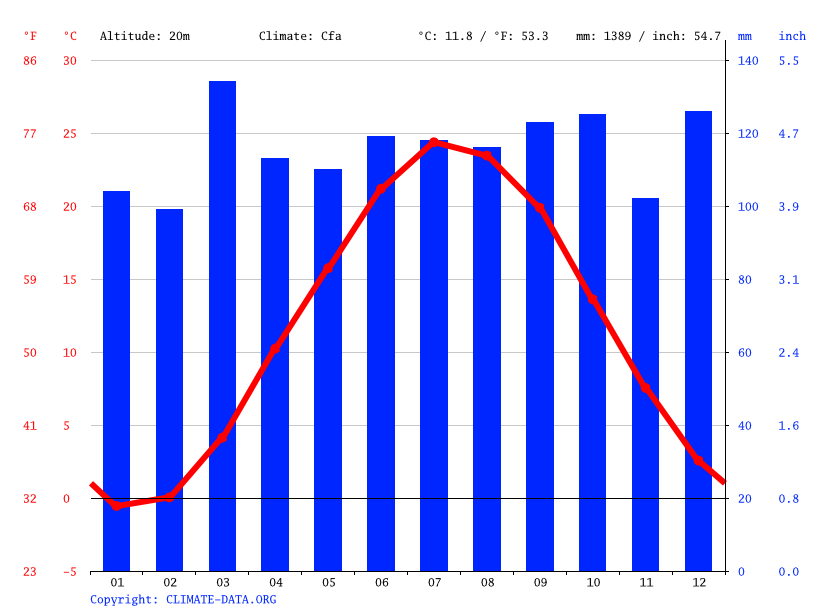
Temperatures typically range from the mid-40s to the mid-60s Fahrenheit (around 7-18 degrees Celsius) during March, April, and May. Early spring can still bring chilly days and occasional late snowfalls, but by April, the city is usually buzzing with renewed outdoor life. This is when Central Park bursts into bloom, offering picturesque scenes for leisurely strolls and picnics. The Cherry Blossom Festival at the Brooklyn Botanic Garden is a particularly breathtaking spectacle, drawing crowds eager to witness the delicate pink and white blossoms.
The longer daylight hours encourage exploration of iconic landmarks. Walking across the Brooklyn Bridge becomes a more pleasant experience, offering stunning views of the Manhattan skyline without the biting wind of winter. Rooftop bars, which lay dormant during the colder months, begin to reopen, providing a sophisticated setting to enjoy the city’s energy. For those interested in New York City‘s cultural offerings, spring often sees a surge in outdoor events and the opening of new exhibitions at museums like the Metropolitan Museum of Art and the Museum of Modern Art.
Packing for Spring: Layers are essential. Pack light sweaters, jackets, a scarf, and comfortable walking shoes. An umbrella is also a wise addition, as spring showers are not uncommon.
Summer: The Energetic Pulse of the City
Summer in New York City is synonymous with vibrant energy, long days, and an almost palpable sense of excitement. From June through August, the city embraces the warmth, transforming its streets and parks into hubs of activity.
Temperatures can soar, with average highs in the upper 70s to mid-80s Fahrenheit (around 26-30 degrees Celsius), and heatwaves pushing temperatures even higher. Humidity is a significant factor, making the air feel heavy and warm. This is the peak season for tourism, with visitors flocking to experience the city’s offerings under the summer sun.
Outdoor activities abound. Coney Island becomes a prime destination for thrill-seekers and beachgoers. Free concerts and film screenings pop up in parks across the boroughs, drawing diverse crowds. Governors Island offers a welcome escape from the urban heat with its bike paths and open spaces. Evenings are perfect for exploring neighborhoods like Greenwich Village or catching a performance at the Delacorte Theater in Central Park.
While the heat can be intense, smart planning can help mitigate its effects. Staying hydrated, seeking shade, and taking advantage of air-conditioned indoor attractions like the American Museum of Natural History or the 9/11 Memorial & Museum are crucial. The city’s extensive subway system, while sometimes feeling like a furnace between stations, remains the most efficient way to navigate.
Packing for Summer: Light, breathable clothing is paramount. Shorts, t-shirts, sundresses, and comfortable sandals are ideal. Don’t forget sunscreen, a hat, sunglasses, and a reusable water bottle.
Autumn: A Palette of Golden Hues
Autumn in New York City is widely regarded as a magical time. The oppressive heat of summer gives way to crisp, cool air, and the city’s already stunning scenery is transformed by a breathtaking display of fall foliage. September, October, and November offer a unique blend of comfortable weather and a rich tapestry of cultural and outdoor experiences.
Temperatures gradually cool throughout the season, starting in the 60s Fahrenheit (around 15-20 degrees Celsius) in September and dipping into the 40s and 50s (around 5-15 degrees Celsius) by November. The humidity of summer recedes, making it a pleasure to walk the streets and explore.
Central Park is at its most enchanting, with leaves turning vibrant shades of red, orange, and gold. Walking tours of leafy neighborhoods like the Upper West Side or Brooklyn Heights become even more rewarding. The New York City Marathon in November is a major event, showcasing the city’s resilience and spirit. The lead-up to the holidays also begins, with early preparations for Thanksgiving and Christmas starting to appear in store window displays.

This season is perfect for enjoying outdoor markets, apple picking excursions just outside the city, and visiting iconic landmarks like the Statue of Liberty without the summer crowds. The clear skies often provide exceptional views from observation decks like Top of the Rock Observation Deck or Empire State Building. The cultural calendar remains full, with new theater productions opening on Broadway and the New York Film Festival often taking place in the early fall.
Packing for Autumn: Layering is key. A medium-weight jacket, sweaters, long-sleeved shirts, jeans, and comfortable walking shoes are essential. A scarf can add warmth and style.
Winter: The Enchanting Glow of the Holidays and Beyond
Winter in New York City is a stark contrast to the other seasons, bringing with it a dramatic transformation characterized by cold temperatures and the potential for snow. However, it also possesses a unique allure, particularly during the holiday season. December through February are the coldest months.
Temperatures often hover around freezing, with average highs in the low 30s Fahrenheit (around 0-2 degrees Celsius) and lows dipping into the teens and 20s (around -10 to -5 degrees Celsius). Snowfall can range from light dustings to significant blizzards, which can temporarily alter the city’s rhythm but also create a picturesque, white landscape.
The holiday season is undeniably the highlight of winter. Rockefeller Center‘s iconic Christmas tree lighting, the festive window displays along Fifth Avenue, and the Radio City Music Hall Christmas Spectacular create a magical atmosphere. Ice skating rinks, such as the one at Bryant Park or Wollman Rink in Central Park, become popular attractions. The city feels alive with twinkling lights and the spirit of celebration.
Beyond the holidays, winter offers opportunities for enjoying New York City‘s world-class museums and art galleries at a more leisurely pace. Cozying up in a warm cafe with a book or enjoying a hearty meal at one of the city’s many renowned restaurants becomes a cherished pastime. The Metropolitan Opera and the New York City Ballet offer exceptional indoor entertainment. For those who enjoy winter sports, nearby ski resorts offer day trip opportunities.
Packing for Winter: Warm layers are non-negotiable. A heavy winter coat, thermal undergarments, waterproof boots, gloves, a warm hat, and a scarf are essential. Consider hand warmers for extra comfort during extended outdoor excursions.
Factors Influencing New York City’s Climate
While the four seasons provide a broad framework, several underlying factors contribute to the specific climate experienced in New York City. Understanding these elements helps paint a more comprehensive picture of the city’s weather.
Coastal Influence and Microclimates
Being situated on the coast of the Atlantic Ocean significantly moderates New York City‘s temperatures. The ocean’s vastness prevents extreme fluctuations, keeping summers from being excessively scorching and winters from being brutally frigid compared to inland cities at similar latitudes. The ocean also contributes to humidity, particularly during the summer months, and can influence the formation of fog and coastal storms.
The urban landscape itself creates distinct microclimates. The “urban heat island” effect is pronounced, meaning that built-up areas with a high concentration of concrete, asphalt, and buildings tend to be warmer than surrounding rural areas. This is due to the absorption and retention of solar radiation by these materials. Consequently, areas like Midtown Manhattan can feel noticeably warmer than more park-filled or less developed parts of the city, especially on summer nights. Conversely, large parks like Prospect Park can offer cooler pockets of air during hot weather.
Precipitation Patterns
New York City receives a relatively consistent amount of precipitation throughout the year, distributed fairly evenly across the seasons. Rain is common in all months, though the intensity and form can vary. Spring and summer often bring thunderstorms, which can be quite powerful. Autumn can experience lingering showers, while winter is characterized by snow, sleet, and freezing rain. The city’s coastal location also makes it susceptible to Nor’easters, powerful winter storms that can dump significant amounts of snow and bring strong winds.
Wind and Air Masses
Wind plays a crucial role in shaping the daily weather experience in New York City. Breezes from the ocean can offer a welcome respite from summer heat, while chilling winds can make winter days feel considerably colder than the thermometer might suggest. The city’s tall buildings can also create unique wind patterns, sometimes referred to as “wind tunnels,” particularly in areas like Lower Manhattan. New York City is also influenced by various air masses. Arctic air masses bring the cold of winter, while warm, moist air from the Gulf of Mexico fuels summer heat and humidity.

Preparing for Your New York City Visit
Regardless of the season, thoughtful preparation is key to enjoying New York City. Understanding the climate is the first step in ensuring a comfortable and memorable experience.
Whether you are planning a trip to see the dazzling lights of Times Square during the holidays, to explore the museums and galleries in the spring, to enjoy the outdoor buzz of summer, or to witness the breathtaking autumn foliage, knowing what to expect weather-wise will greatly enhance your journey. From selecting the right accommodation to packing appropriately, the New York City climate is a vital consideration for any traveler, contributing to the rich and varied tapestry of this unparalleled global destination. The city offers endless possibilities for travel, from luxury stays in renowned hotels to budget-friendly adventures, catering to every lifestyle and interest. Whether you’re drawn to its iconic landmarks, its diverse tourism scene, or simply the unique urban lifestyle, New York City promises an unforgettable experience, shaped in no small part by its ever-changing, captivating climate.
LifeOutOfTheBox is a participant in the Amazon Services LLC Associates Program, an affiliate advertising program designed to provide a means for sites to earn advertising fees by advertising and linking to Amazon.com. Amazon, the Amazon logo, AmazonSupply, and the AmazonSupply logo are trademarks of Amazon.com, Inc. or its affiliates. As an Amazon Associate we earn affiliate commissions from qualifying purchases.