
The allure of New York City is undeniable. A vibrant metropolis pulsing with energy, it draws millions of travelers each year eager to explore its iconic landmarks, indulge in its diverse culinary scene, and soak in its unique atmosphere. Whether you’re planning a luxurious escape, a budget-friendly adventure, a family vacation, or a business trip, understanding New York City’s climate is crucial for an optimal experience. From the brisk winds whipping around the Empire State Building to the humid summer air along the Hudson River, the weather plays a significant role in shaping your journey. This comprehensive guide delves into New York City’s climate, offering insights to help you pack appropriately, plan your activities, and make the most of your visit to this unforgettable destination.
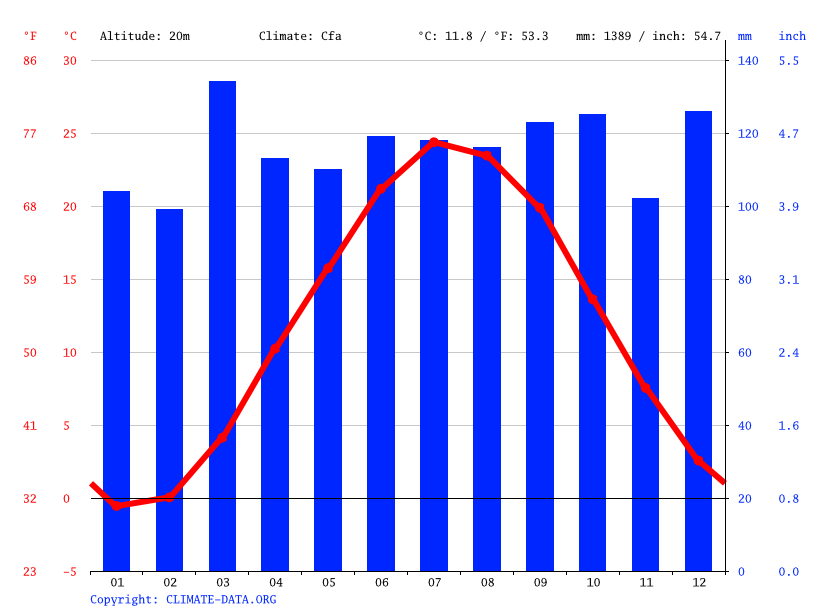
New York City experiences a humid subtropical climate, characterized by four distinct seasons. This means visitors can expect a wide range of temperatures and weather conditions throughout the year, from sweltering summers to frigid winters. Understanding these seasonal shifts will not only inform your packing list but also guide your decisions on when to visit and what activities are best suited for each period.
The Four Seasons of New York City
Spring: A Season of Reawakening
Spring in New York City typically begins in March and extends through May. It’s a transitional period, moving from the lingering chill of winter to the warmth of summer.
March: The Lingering Winter’s Grasp
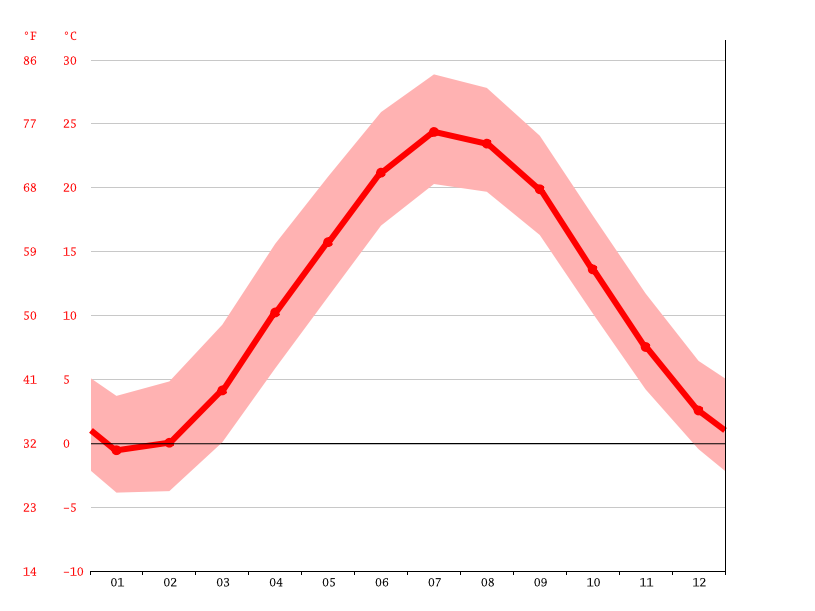
March can be unpredictable. While the first day of spring officially falls in late March, the month often feels like an extension of winter. Average temperatures hover around 40°F (4°C), with highs sometimes reaching into the 50s°F (10-15°C). Snowfall is still possible, especially in the early weeks, though it rarely accumulates significantly. Expect a mix of cloudy days, some rainy spells, and occasional sunny, crisp afternoons. It’s wise to pack layers, including a warm coat, scarf, and gloves, especially for early March visits. Outdoor activities are still somewhat limited, but you might catch the tail end of ice skating season at places like Bryant Park or enjoy indoor attractions like museums or Broadway shows.
April: Blooming Beauty and Mild Temperatures
April is when New York City truly begins to shed its winter coat. Temperatures start to climb, with average highs in the 60°F (15-20°C) range. Rainfall becomes more common, contributing to the vibrant blooming of flowers in parks like Central Park and the Brooklyn Botanic Garden. While evenings can still be cool, requiring a light jacket, daytime strolls become increasingly pleasant. April is an excellent time for exploring the city’s outdoor attractions, from walking the Brooklyn Bridge to enjoying street fairs and outdoor markets. Pack lighter layers, a rain jacket, and comfortable walking shoes.
May: The Embrace of Summer Warmth
May is often the quintessential spring month, offering a delightful preview of summer. Temperatures are consistently mild to warm, with average highs in the mid-70s°F (24°C). Sunshine becomes more abundant, making it an ideal time for outdoor dining, exploring neighborhoods like Greenwich Village, and enjoying the city’s numerous parks. Evenings remain pleasant, though a light sweater might be appreciated. Humidity is still relatively low, making it a very comfortable time to visit. May is perfect for soaking up the city’s energy before the peak summer heat arrives, making it a popular choice for tourists.
Summer in New York City: Heat, Humidity, and Outdoor Vibrancy
Summer in New York City spans from June to August and is characterized by warm to hot temperatures, significant humidity, and a lively atmosphere filled with outdoor events and activities.
June: The Start of Summer Bliss
June marks the official start of summer, and the city embraces it with open arms. Temperatures are generally warm, with average highs in the mid-70s°F (24°C), gradually climbing through the month. Humidity levels begin to rise, but it’s usually manageable, especially in the early weeks. Long daylight hours mean more time to explore attractions like the High Line or enjoy a ferry ride to the Statue of Liberty. Outdoor concerts, festivals, and open-air cinemas become commonplace. Light, breathable clothing is essential, along with sunscreen and a hat.
July: The Peak of Heat and Humidity
July is typically the hottest and most humid month in New York City. Average highs are in the upper 80s°F (30-32°C), but heatwaves can push temperatures well into the 90s°F (32-37°C) and beyond. The humidity can make the heat feel more intense, so staying hydrated and seeking air-conditioned spaces is crucial. This is the prime time for enjoying the city’s beaches, like those in Coney Island, or cooling off in the numerous public pools. Evenings offer some respite, but they remain warm and muggy. Pack very light clothing, shorts, t-shirts, and sandals. A portable fan and a reusable water bottle are highly recommended.
August: Continued Warmth and Occasional Thunderstorms
August is very similar to July in terms of heat and humidity. Average highs remain in the upper 80s°F (30-32°C), and heatwaves are common. Thunderstorms can also occur, often bringing brief but intense downpours, sometimes accompanied by lightning. These storms usually pass quickly, leaving behind humid, warm air. August is still a great time for outdoor activities, but it’s advisable to check the weather forecast daily. Many New Yorkers escape the city’s heat during August, which can sometimes mean fewer crowds at certain attractions, though it remains a popular tourist destination.

Autumn in New York City: A Picturesque Transformation
Autumn, from September to November, is widely considered one of the most beautiful and pleasant times to visit New York City. The oppressive summer heat gives way to crisp air and a stunning display of fall foliage.
September: The Transition to Cooler Days
September offers a welcome relief from the summer heat. Temperatures are mild and comfortable, with average highs in the low 70s°F (21-23°C). Humidity levels decrease significantly, making for crisp and clear days. This is an ideal time for exploring the city on foot, enjoying outdoor dining, and attending the many cultural events that kick off in the fall. The leaves in Central Park begin to show hints of color towards the end of the month. Pack layers, as mornings and evenings can be cool, requiring a light jacket or sweater.
October: The Peak of Fall Colors and Crisp Air
October is arguably the most iconic month for fall in New York City. The weather is typically crisp, with average highs in the 60s°F (15-20°C). The humidity is low, and sunny days are common, making it perfect for sightseeing. The real star of the show is the foliage, which reaches its peak in October, transforming parks like Prospect Park and the ramble in Central Park into vibrant tapestries of red, orange, and yellow. Outdoor activities are in full swing, from apple picking in nearby areas to enjoying Halloween-themed events. A light to medium jacket, jeans, and comfortable walking shoes are essential.
November: Embracing the Cooler Temperatures and Holiday Spirit
As November progresses, the temperatures begin to drop noticeably. Average highs are in the 50s°F (10-15°C), and by the end of the month, you can expect cooler, potentially chilly days. Rain becomes more frequent, and the first hints of winter’s chill are felt. However, November also marks the beginning of the holiday season in New York City. The festive decorations start to appear, and the atmosphere builds towards Thanksgiving and Christmas. The iconic Rockefeller Center Christmas tree is often unveiled in late November. Pack warmer clothing, including a heavier coat, sweaters, and perhaps gloves and a hat for the latter half of the month.
Winter in New York City: A Magical, Yet Chilly, Experience
Winter in New York City, from December to February, transforms the city into a winter wonderland, albeit a cold one. While the temperatures are low, the holiday spirit and the potential for snowfall create a unique and magical atmosphere.
December: Festive Lights and Cold Air
December is a month of dazzling holiday lights and decorations, but it’s also undeniably cold. Average highs are in the low 40s°F (4-7°C), with temperatures frequently dropping below freezing, especially at night. Snowfall is common, and a significant snowstorm can blanket the city in white, creating a picturesque scene. However, it can also disrupt travel plans. The city comes alive with festive markets, ice skating rinks like the one at Rockefeller Center, and holiday window displays along Fifth Avenue. It’s essential to pack heavy winter clothing, including a warm, waterproof coat, thermal layers, a hat, gloves, and a scarf.
January: The Deepest Cold and Winter Activities
January is typically the coldest month in New York City. Average highs are in the high 30s°F (3-5°C), and it’s common for temperatures to hover around or below freezing for extended periods. Snowfall is frequent, and the city can experience blizzard conditions. While outdoor activities are limited, the cold weather offers opportunities for cozying up in cafes, visiting world-class museums like the Metropolitan Museum of Art, or enjoying Broadway shows. Ice skating continues at various venues. Warm winter gear is non-negotiable.
February: The End of Winter and a Hint of Spring
February remains cold, with temperatures similar to January. Average highs are in the low 40s°F (4-7°C), and snow is still a possibility. However, by the end of the month, there are often subtle signs that spring is on its way, with slightly longer daylight hours and occasional milder days. February is generally a less crowded month for tourists, offering potentially lower prices on hotels and flights, such as those at the Plaza Hotel or the St. Regis Hotel. It’s still crucial to pack for cold weather, but you might find yourself needing lighter layers on some days.
Planning Your Trip Around the Climate
Understanding New York City’s climate is key to a successful visit.
- For warm-weather enthusiasts: June, July, and August offer the hottest temperatures, ideal for beaches and outdoor festivals, but be prepared for humidity.
- For comfortable exploration and beautiful scenery: April, May, September, and October provide pleasant temperatures and lower humidity, perfect for sightseeing and enjoying the city’s parks.
- For a magical holiday experience: December is unparalleled for festive cheer, but requires preparation for cold and potential snow.
- For budget travelers seeking fewer crowds: January and February offer the lowest prices, but require a tolerance for cold weather.
No matter the season, New York City offers an unforgettable experience. By packing smartly and understanding the local weather patterns, you can ensure your trip is comfortable, enjoyable, and filled with the iconic sights and sounds of this extraordinary city. Remember to always check the weather forecast closer to your travel dates for the most accurate information.
LifeOutOfTheBox is a participant in the Amazon Services LLC Associates Program, an affiliate advertising program designed to provide a means for sites to earn advertising fees by advertising and linking to Amazon.com. Amazon, the Amazon logo, AmazonSupply, and the AmazonSupply logo are trademarks of Amazon.com, Inc. or its affiliates. As an Amazon Associate we earn affiliate commissions from qualifying purchases.