
The allure of New York is undeniable, drawing millions of visitors each year with its iconic skyline, vibrant culture, and endless array of experiences. From the bustling streets of Manhattan to the historic charm of Brooklyn, the Empire State offers something for every traveler. However, before embarking on your New York adventure, a crucial piece of information to consider is the weather. Understanding the typical climate patterns will significantly enhance your trip, allowing you to pack appropriately, plan your activities, and truly make the most of your visit. Whether you dream of exploring the world-renowned museums, catching a Broadway show, or simply soaking in the atmosphere of this dynamic city, a grasp of New York‘s weather will be your invaluable companion.
Navigating the Seasons in the City That Never Sleeps
New York experiences a diverse climate, characterized by four distinct seasons, each offering a unique ambiance and a different set of opportunities for exploration. From the crisp, invigorating air of autumn to the warm, lively days of summer, the city transforms throughout the year, influencing everything from what to wear to which attractions are best enjoyed. Understanding these seasonal shifts is key to planning the perfect New York getaway, ensuring you’re prepared for whatever the weather may bring and can fully immerse yourself in the city’s magic.
Spring: A Reawakening of the City
As winter’s chill recedes, New York blossoms into a vibrant tapestry of color and renewed energy. Spring, typically from March to May, marks a welcome transition. Early spring can still be a bit unpredictable, with lingering cold snaps and occasional rain showers. However, as April and May approach, temperatures begin to rise, making it ideal for outdoor exploration.
Average temperatures in spring range from the mid-40s to the mid-60s Fahrenheit (approximately 7-18 degrees Celsius). The city’s parks, such as the iconic Central Park, come alive with blooming flowers and lush greenery, offering a picturesque setting for leisurely strolls, picnics, or even a rowboat ride on The Lake. The warmer days are perfect for exploring neighborhoods on foot, discovering hidden gems, and enjoying the burgeoning outdoor dining scene.
When packing for a spring trip to New York, layers are essential. Bring a mix of lighter clothing, such as t-shirts and sweaters, along with a waterproof jacket and an umbrella for unexpected rain. Comfortable walking shoes are a must, as you’ll likely be doing a lot of exploring. Spring is also a fantastic time to visit New York for its vibrant cultural events, including art exhibitions and various festivals. The feeling of awakening in the city is palpable, and the milder weather encourages a more relaxed pace of exploration.
Summer: The Pulse of the City
Summer in New York, from June to August, is synonymous with long days, warm temperatures, and a palpable buzz of energy. This is arguably the most popular time for tourists, as the city offers a plethora of outdoor activities and events. Temperatures can range from the high 70s to the low 90s Fahrenheit (approximately 25-33 degrees Celsius), and humidity can make it feel even warmer. Occasional thunderstorms are common, often bringing a refreshing, albeit brief, respite from the heat.
The summer months are perfect for experiencing New York‘s iconic outdoor attractions. Think strolls across the Brooklyn Bridge, enjoying a free concert in Bryant Park, or catching a movie screening at an outdoor venue. The city’s numerous parks become hubs of activity, with families and friends gathering for picnics, barbecues, and leisurely afternoons. For those seeking a cooling escape, Coney Island offers a classic beach experience, while boat tours around Manhattan provide stunning views and a gentle breeze.
When packing for summer, focus on lightweight, breathable clothing. Shorts, t-shirts, sundresses, and sandals are ideal. Don’t forget sunscreen, a hat, and sunglasses to protect yourself from the strong sun. Staying hydrated is crucial, so carry a reusable water bottle. Summer in New York is a time of celebration, with numerous street festivals, outdoor markets, and the famous Fourth of July fireworks. The city truly comes alive, offering an unforgettable sensory experience.
Autumn: A Tapestry of Colors and Crisp Air
Autumn in New York, spanning September to November, is often lauded as the most beautiful season. The air turns crisp and cool, and the city’s foliage explodes in a breathtaking display of reds, oranges, and yellows, particularly in Central Park and along the Hudson River. Temperatures gradually decrease throughout the season, starting in the pleasant 60s and 70s Fahrenheit (15-25 degrees Celsius) in early autumn and dropping to the 40s and 50s Fahrenheit (5-15 degrees Celsius) by late November.
This season is ideal for those who prefer cooler temperatures for exploration. It’s the perfect time for extended walks, exploring New York‘s diverse neighborhoods without the oppressive heat of summer. Visiting landmarks like the Statue of Liberty or the One World Observatory becomes more comfortable. The fall foliage in Central Park is a major draw, attracting photographers and nature enthusiasts alike.
For autumn travel, layering remains key. Pack sweaters, light jackets, and long-sleeved shirts. A scarf and a light hat can be welcome additions for cooler mornings and evenings. Comfortable walking shoes are, as always, essential. Autumn is also a prime time for cultural events, including New York Fashion Week, the New York Film Festival, and the iconic Macy’s Thanksgiving Day Parade, which marks the unofficial start of the holiday season. The visual splendor of the changing leaves combined with the city’s cultural richness makes autumn a truly magical time to visit.
Winter: Cozy Charm and Festive Spirit

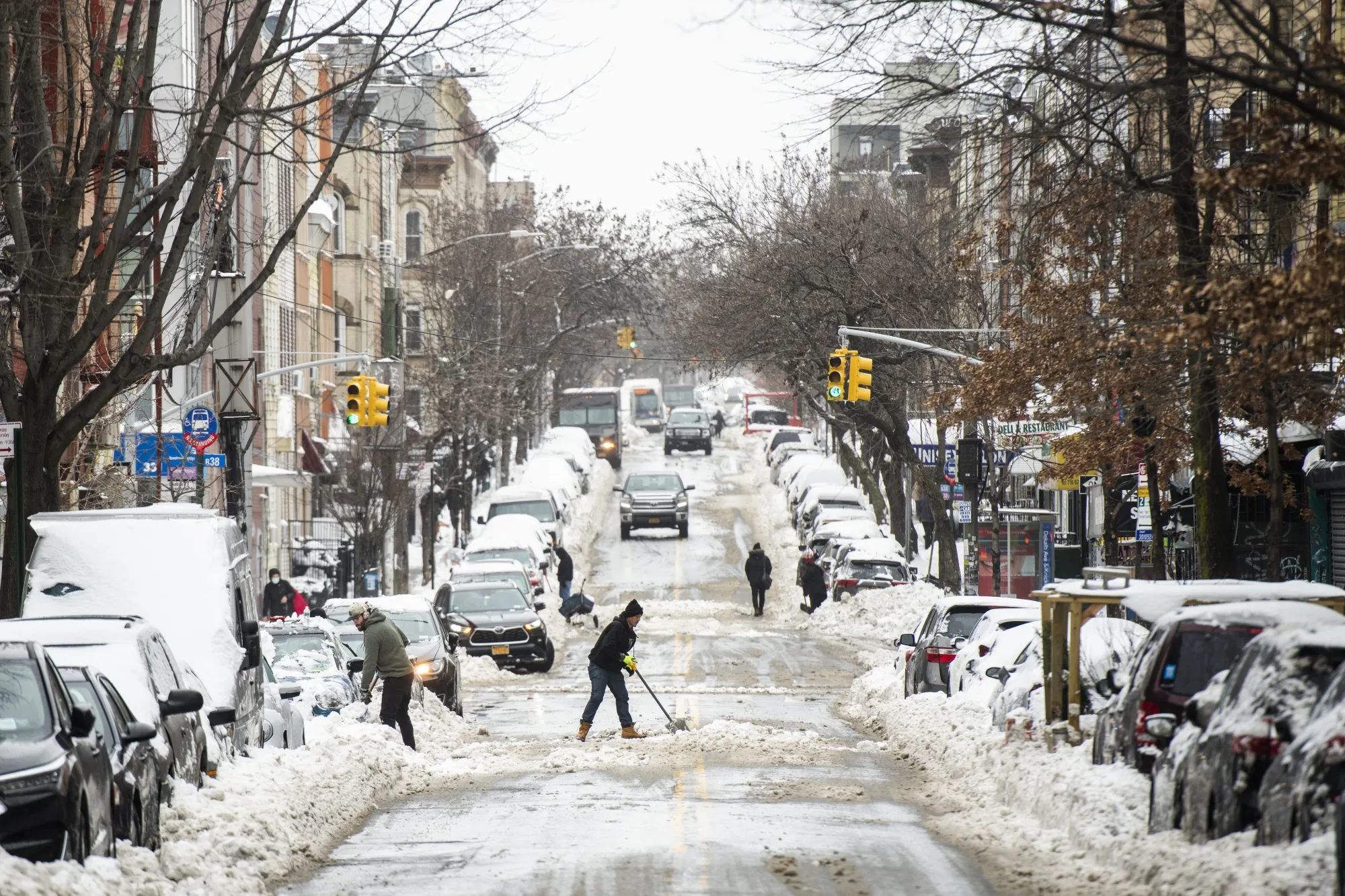
Winter in New York, from December to February, can be cold and sometimes harsh, with temperatures often hovering around freezing, ranging from the low 20s to the low 40s Fahrenheit (approximately -5 to 5 degrees Celsius). Snowfall is common, transforming the city into a winter wonderland. While the cold might deter some, winter also brings a unique charm and a festive spirit, especially around the holiday season.
Despite the chill, New York offers plenty of indoor activities. Museums, theaters, and world-class restaurants provide warm refuges. Ice skating in Rockefeller Center under the glow of the iconic Christmas tree is a quintessential New York winter experience. The city is beautifully adorned with holiday lights and decorations, creating a magical atmosphere that lasts well into January. For those who don’t mind the cold, a snowy walk through Central Park or along Fifth Avenue can be incredibly picturesque.
Packing for winter requires a focus on warmth. Heavy coats, thermal base layers, warm sweaters, waterproof pants, gloves, a hat, and a scarf are essential. Waterproof boots with good traction are crucial for navigating snowy or icy streets. While the weather can be challenging, the festive spirit, the dazzling holiday displays, and the cozy indoor comforts make winter a memorable time to experience New York. Whether you’re attending a Broadway show, enjoying a hot chocolate in a quaint café, or simply marveling at the snow-covered cityscape, New York in winter has its own special allure.
Planning Your New York Experience Around the Weather
Understanding the nuances of New York‘s weather is not just about packing the right clothes; it’s about strategic planning that can elevate your entire travel experience. The weather significantly influences the types of activities you can enjoy, the crowds you might encounter, and even the prices of accommodations and flights. By aligning your visit with the season that best suits your interests and preferences, you can ensure a more enjoyable and fulfilling trip.
The Best Times to Visit for Specific Interests
Each season offers a distinct flavor of New York, catering to different traveler priorities. For those who thrive in mild temperatures and love exploring parks and outdoor festivals, the shoulder seasons of spring (April-May) and autumn (September-October) are often ideal. The weather is generally pleasant, and the crowds may be slightly smaller than during the peak summer months. These periods are perfect for extensive walking tours, enjoying New York‘s many green spaces like The High Line, and appreciating the city’s architecture without extreme heat or cold.
If you are a fan of festive holiday decorations, ice skating, and the unique charm of a winter city, then December is unparalleled, despite the cold. The city is transformed into a twinkling wonderland, with Rockefeller Center‘s Christmas tree and the holiday window displays on Fifth Avenue being major attractions. For those who love the energy of outdoor concerts, street fairs, and a lively, bustling atmosphere, summer is the season to be in New York.
Budget-conscious travelers might find that visiting during the late fall (November, excluding Thanksgiving week) or early spring (March) can offer more affordable options for flights and accommodations, as these are considered off-peak times. Conversely, summer and the holiday season (late November through December) are generally the most expensive periods due to high demand.
Packing Essentials for Every Season
As discussed, packing appropriately is paramount to enjoying New York in any weather.
- Spring: Light layers, waterproof outerwear, umbrella, comfortable walking shoes.
- Summer: Lightweight, breathable clothing, sunscreen, hat, sunglasses, reusable water bottle.
- Autumn: Layering pieces, medium-weight jacket, scarf, hat, comfortable walking shoes.
- Winter: Heavy, warm coat, thermal layers, waterproof outerwear, gloves, hat, scarf, waterproof boots.
Beyond clothing, consider carrying a portable phone charger, especially if you plan on using your phone for navigation and taking many photos. A small backpack or day bag is invaluable for carrying essentials like water, snacks, and souvenirs.

Adapting Your Itinerary to the Elements
Flexibility is key when traveling to New York, as the weather can be unpredictable even within a single day. Always have backup plans for indoor activities in case of rain or extreme temperatures. For instance, if a planned outdoor picnic in Central Park is thwarted by a downpour, a visit to the Metropolitan Museum of Art or the American Museum of Natural History can be a perfect alternative.
If the weather is particularly hot and humid, consider scheduling strenuous outdoor activities for the cooler parts of the day – early morning or late evening. Conversely, on a crisp, clear winter day, embracing the cold with a walk through Times Square or a visit to the Top of the Rock Observation Deck for stunning city views can be a rewarding experience.
Ultimately, New York offers a remarkable experience regardless of the season. By understanding and respecting its weather patterns, you can plan a trip that is not only comfortable but also perfectly tailored to your personal preferences, allowing you to fully embrace the magic and excitement of this iconic global city. Whether you’re staying at a luxurious Plaza Hotel or a budget-friendly Airbnb, the weather will play a role in your journey.
LifeOutOfTheBox is a participant in the Amazon Services LLC Associates Program, an affiliate advertising program designed to provide a means for sites to earn advertising fees by advertising and linking to Amazon.com. Amazon, the Amazon logo, AmazonSupply, and the AmazonSupply logo are trademarks of Amazon.com, Inc. or its affiliates. As an Amazon Associate we earn affiliate commissions from qualifying purchases.