
When considering a trip to New York City, images of towering skyscrapers, bustling streets, and iconic landmarks often come to mind. While New York is globally renowned for its vibrant urban landscape and cultural attractions, it also possesses a surprising natural dimension. For travelers interested in the city’s green spaces, parks, and gardens, understanding its horticultural climate is key. This is where the concept of plant hardiness zones becomes relevant. These zones, designated by the United States Department of Agriculture (USDA), help gardeners and urban planners determine which plants are most likely to thrive in a specific region based on average minimum winter temperatures. For New York City, this classification offers a fascinating glimpse into its suitability for various flora, impacting everything from the trees lining Central Park to the flowers blooming in a window box in Greenwich Village.
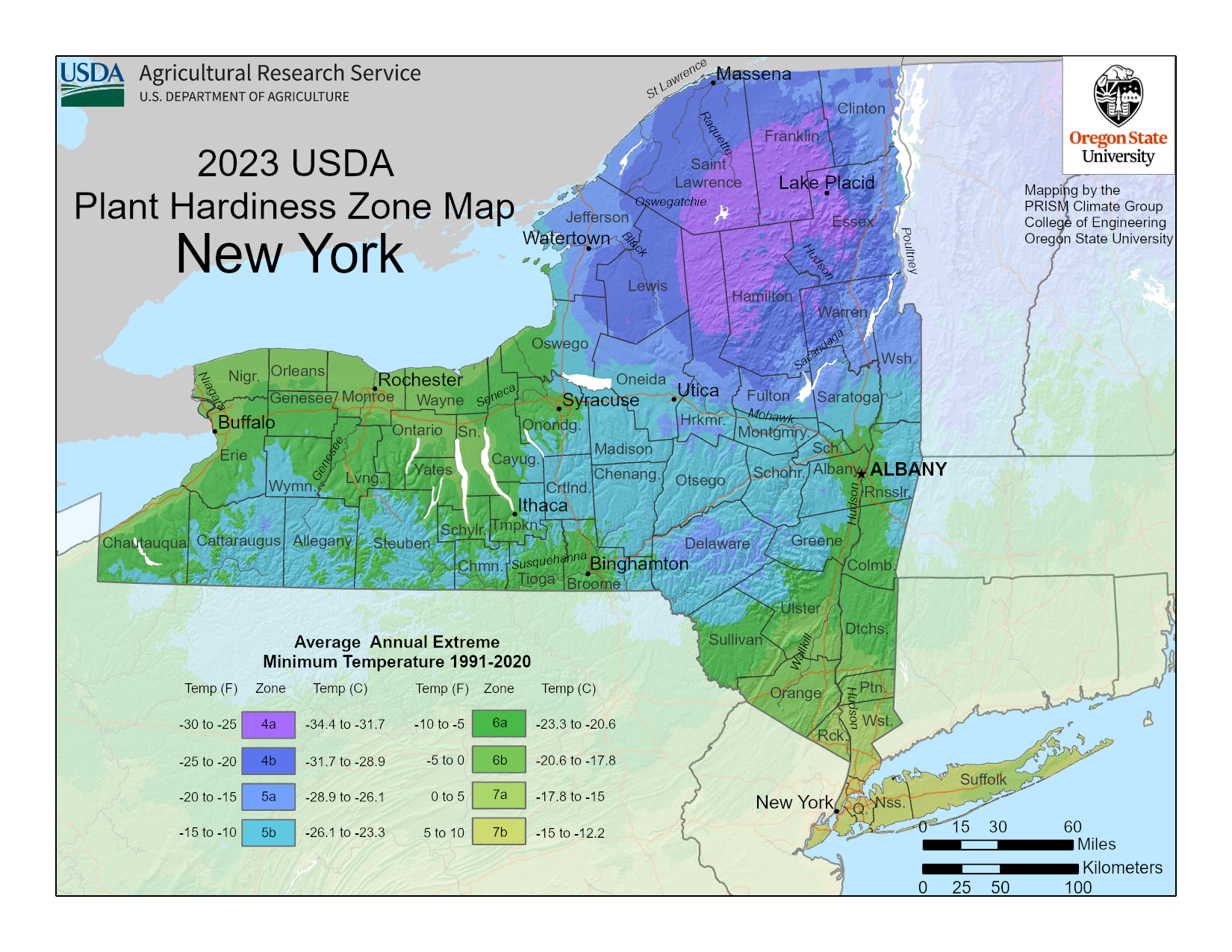
The USDA Plant Hardiness Zones are a crucial tool for anyone looking to understand the natural environment of a particular location. They are divided into 13 zones, each representing a 10°F (5.6°C) difference in average annual minimum winter temperature. These zones are further subdivided into ‘a’ and ‘b’ categories, representing a 5°F (2.8°C) difference. Knowing your zone helps in selecting plants that can withstand the local winter conditions, ensuring their survival and promoting healthy growth. For New York City, this information is not just for dedicated gardeners but also for those who appreciate the city’s aesthetic appeal, the shade provided by its street trees, and the seasonal beauty of its many parks.
Understanding USDA Plant Hardiness Zones and New York City
The USDA Plant Hardiness Zone Map is the standard by which gardeners and horticulturists in North America determine which perennial plants are most likely to survive the winter in a given location. The zones are based on the average annual extreme minimum winter temperature. This data is compiled from meteorological station records over a 30-year period. For instance, Zone 1 has the coldest average minimum winter temperatures, while Zone 13 has the warmest. Each zone is further divided into ‘a’ and ‘b’ sub-zones, representing a 5°F (2.8°C) difference. For example, Zone 5a is colder than Zone 5b.
Determining New York City’s Zone
New York City primarily falls within USDA Plant Hardiness Zone 7b. This classification indicates that the average annual minimum winter temperature in most of the city ranges from 5°F to 10°F (-15°C to -12.2°C). However, due to New York‘s diverse geography, with its proximity to the Atlantic Ocean and the varying elevations across its boroughs, there can be slight variations. For example, coastal areas might experience slightly milder winters than inland areas.
Zone 7b is considered a temperate climate, meaning it experiences distinct seasons with warm summers and moderately cold winters. This zone is suitable for a wide variety of plants, including many flowering trees, shrubs, perennial flowers, and even some semi-tropical plants that might require a bit of winter protection. Understanding this zone is crucial for city planners, landscape architects, and even homeowners looking to cultivate their own green spaces within the urban environment. It dictates what kind of trees can be planted along streets to provide shade, what flowers will bloom in Prospect Park, and what kind of vegetation can be sustained in rooftop gardens.
The urban heat island effect, a phenomenon where metropolitan areas are significantly warmer than their surrounding rural areas due to human activities and infrastructure, can also play a role. This effect might make some areas within New York City behave as if they are in a slightly warmer zone, allowing for a broader range of plant species to thrive. This is particularly noticeable in densely built-up areas like Manhattan compared to more suburban neighborhoods in Queens or Staten Island.
Navigating the Urban Landscape: Plant Selection and City Life
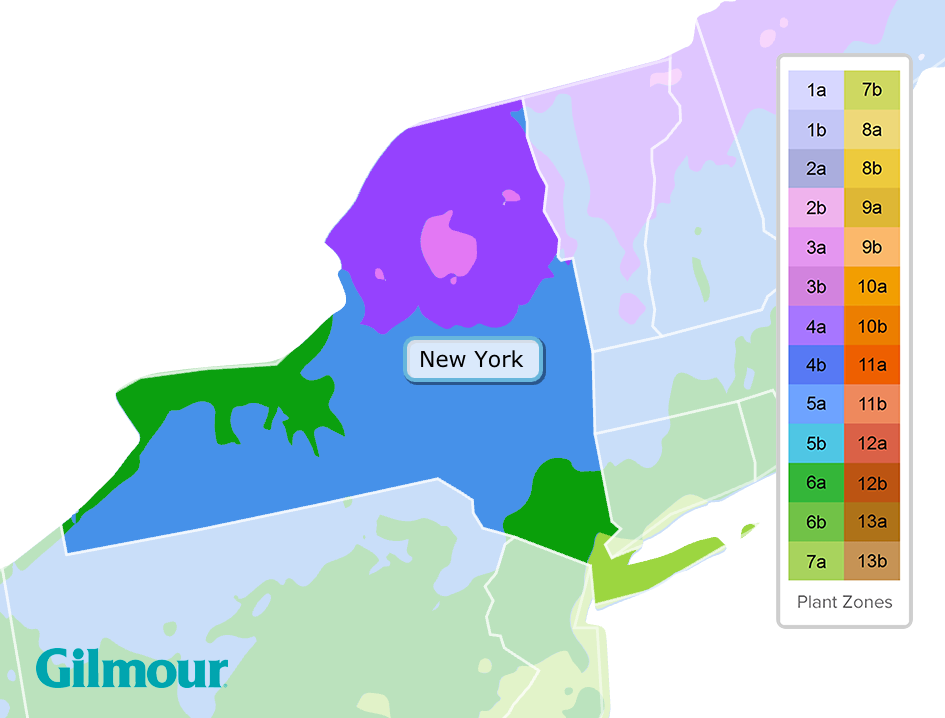
The plant hardiness zone of New York City directly influences the types of flora that can be successfully grown and maintained within its five boroughs: Manhattan, Brooklyn, Queens, the Bronx, and Staten Island. This knowledge is invaluable for various aspects of urban life, from the aesthetic appeal of its parks to the sustainability of its green initiatives.
Parks and Green Spaces
New York City boasts an impressive network of parks, from world-famous destinations like Central Park and Prospect Park to smaller neighborhood oases. The hardiness zone dictates which trees can be planted to provide shade and beauty. For example, maples, oaks, and elms are common and well-suited to Zone 7b. Flowering trees like cherry blossoms and magnolias also thrive, adding seasonal color to the urban landscape. The selection of perennial flowers in public gardens, such as those found in Brooklyn Botanic Garden or New York Botanical Garden, is also guided by their ability to withstand the winter lows. This ensures that these green spaces remain vibrant and appealing year-round, offering respite and natural beauty to millions of residents and visitors.
Street Trees and Urban Greening
The trees lining New York‘s streets are more than just decorative; they play a vital role in mitigating the urban heat island effect, improving air quality, and managing stormwater runoff. The choice of street trees is a careful consideration, balancing their aesthetic qualities with their resilience to urban conditions and their suitability for Zone 7b. Species like London plane trees, honey locusts, and various ornamental pear trees are often selected for their ability to tolerate pollution, compacted soil, and fluctuating temperatures. The city’s ongoing urban greening initiatives, aiming to increase tree canopy cover, rely heavily on understanding these horticultural parameters.
Rooftop Gardens and Community Projects
In a city where ground space is at a premium, rooftop gardens and community gardens have become increasingly popular. These initiatives offer residents opportunities to connect with nature, grow their own food, and beautify their surroundings. Knowing the plant hardiness zone is essential for selecting crops and ornamental plants that will survive the seasons. While Zone 7b allows for a good range of edibles, some gardeners might opt for hardier varieties or use season-extension techniques like cold frames or row covers to protect more sensitive plants. The success of projects like the High Line, an elevated park built on a former railway line, also demonstrates how urban environments can be transformed with thoughtful horticultural planning, taking into account the prevailing climate.

Impacts on Tourism and Lifestyle
For visitors to New York City, understanding its plant zone might not be a primary concern for booking a stay at a luxury hotel like The Plaza or a budget-friendly option in Long Island City. However, it subtly shapes their experience. The presence of lush parks and tree-lined avenues contributes to the city’s overall appeal, offering picturesque settings for leisurely strolls, picnics, or simply enjoying a moment of calm amidst the urban energy. Travelers interested in nature-based tourism, perhaps visiting botanical gardens or seeking out the city’s more naturalistic landscapes, will appreciate the diversity of flora that the temperate climate supports.
Furthermore, the focus on green spaces and urban greenery aligns with a growing lifestyle trend that values sustainability and well-being. The city’s commitment to maintaining and expanding its green infrastructure, informed by its plant hardiness zone, enhances the quality of life for its residents and contributes to a more pleasant and environmentally conscious urban experience for all. From the majestic trees of Central Park to the vibrant blooms in a small community garden, New York City’s horticultural identity is a testament to its ability to blend nature with its iconic urban fabric.
LifeOutOfTheBox is a participant in the Amazon Services LLC Associates Program, an affiliate advertising program designed to provide a means for sites to earn advertising fees by advertising and linking to Amazon.com. Amazon, the Amazon logo, AmazonSupply, and the AmazonSupply logo are trademarks of Amazon.com, Inc. or its affiliates. As an Amazon Associate we earn affiliate commissions from qualifying purchases.