
The question of what region a place belonged to, especially a place as historically significant and geographically diverse as New York, can be more complex than it initially seems. When we think of New York today, we immediately picture the bustling metropolis of New York City, with its iconic skyline, vibrant culture, and status as a global hub. However, the history of New York encompasses far more than just the five boroughs. It’s a story of colonial settlement, expansion, and evolving administrative and geographical identities. To truly understand what region New York was in, we need to consider different historical periods and the various contexts in which the term “region” is applied, from colonial governance to early American geography and modern regional designations.
The initial European exploration and subsequent settlement of the area that would become New York placed it within a broader colonial context. The Dutch were the first to establish a significant presence, founding New Netherland in the early 17th century. This colony encompassed not only the island of Manhattan but also extended along the Hudson River and into what is now the state of New Jersey, parts of Connecticut, and up to the Delaware River. During the Dutch era, New York wasn’t a distinct “region” in the way we understand it today; it was a colonial territory, a part of the larger enterprise of New Netherland. The primary trading post, New Amsterdam, served as the administrative and commercial heart of this Dutch holding.
Colonial Foundations and Shifting Borders
The Dutch Dominion: New Netherland
Before the English arrived and renamed it New York, the territory was firmly within the domain of the Dutch Republic. In 1624, the Dutch West India Company established a settlement at the southern tip of Manhattan Island, which would eventually grow into New Amsterdam. This settlement was strategically important for its access to the Hudson River, a vital waterway for the fur trade. The colonists, hailing from various parts of the Netherlands and other European countries, began to establish farms and trading posts along the river, pushing the boundaries of their influence.
The colony of New Netherland was not a single, contiguous geographical unit in the modern sense. It was more of a network of settlements and trading outposts connected by waterways, primarily the Hudson River. The administrative center, New Amsterdam, was the nexus of this expanding Dutch presence. The region was considered part of the broader North American colonial landscape, a competing claim against other European powers like the English and the French. The Dutch perception of their territory was rooted in economic interests, particularly the lucrative fur trade, and the establishment of a fortified presence to secure these assets.
The English Takeover and the Birth of New York
The geopolitical landscape of North America was dynamic, and the Dutch control over New Netherland was challenged by the growing power of the English. In 1664, during the Second Anglo-Dutch War, an English fleet sailed into New York Harbor and demanded the surrender of the colony. Peter Stuyvesant, the last Dutch governor, famously, and perhaps reluctantly, surrendered New Amsterdam without a fight. The colony was then renamed New York in honor of the Duke of York, who was granted the territory by his brother, King Charles II.
Under English rule, New York began to take on a more defined identity, though its precise regional classification remained fluid. Initially, New York was one of the thirteen colonies that would eventually form the United States. Geographically, it was situated between the New England colonies to the north and east and the southern colonies. Its location along the Atlantic coast and its access to the interior via the Hudson River made it a crucial territory. The English administration sought to consolidate their control and establish a distinct colonial government. This period saw the beginnings of a distinct New York identity, though it was still a nascent concept.
The Thirteen Colonies and the Road to Nationhood

A Mid-Atlantic Identity
When the Thirteen Colonies united in their resistance against Great Britain, New York was a key player. Geographically and culturally, New York occupied a unique position. It was often grouped with the “Middle Colonies,” which included Pennsylvania, New Jersey, and Delaware. This designation was based on a combination of factors: their fertile lands suitable for mixed agriculture, their diverse populations of settlers (including English, Dutch, German, and Scottish-Irish), and their more moderate climate compared to the northern New England colonies and the warmer southern colonies.
The Middle Colonies, including New York, were known for their relative tolerance and economic diversity. New York City, in particular, rapidly grew as a major port and commercial center, attracting merchants and settlers from all over the world. Its strategic location facilitated trade with both the British Isles and the burgeoning interior of the continent. Within this broader regional grouping, New York itself was recognized as a distinct colony with its own particular characteristics. The state of New York would later expand significantly beyond its colonial boundaries, but during this formative period, it was primarily defined by its settled coastal and riverine areas.
The American Revolution and Beyond
During the American Revolution, New York was a pivotal battleground. Its strategic importance, particularly the Hudson River Valley, made it a key objective for both the Continental Army and the British Army. Battles like the Battle of Saratoga were crucial turning points in the war. Following the Revolution and the formation of the United States, New York became one of the original states.
The question of “region” continued to evolve. As the United States expanded westward, New York solidified its position as a vital link in the nation’s infrastructure. The construction of the Erie Canal, completed in 1825, was a monumental achievement that transformed New York into a commercial powerhouse. It connected the Great Lakes to the Atlantic Ocean, allowing for unprecedented trade and migration through the state of New York. This development further cemented New York’s regional significance, not just as a colony or state, but as a gateway to the American West and a vital economic engine for the entire nation.
Modern Regional Classifications and New York’s Enduring Identity
Beyond Colonial Borders
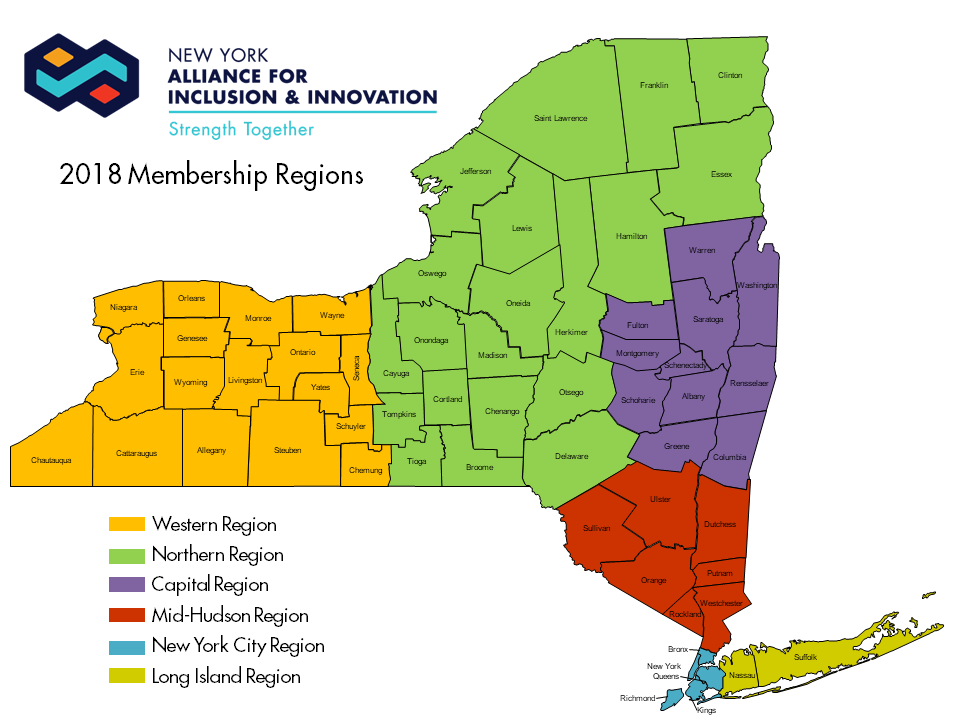
In contemporary United States geography and common parlance, New York is typically classified within several overlapping regional frameworks. When discussing the Northeast, it is almost always included. This broad region generally encompasses the states of Maine, Vermont, New Hampshire, Massachusetts, Rhode Island, Connecticut, New York, and New Jersey. Within the Northeast, New York can be further sub-divided. New York City is often seen as its own distinct metropolitan region, a global city with a unique identity that transcends state lines in many cultural and economic discussions.
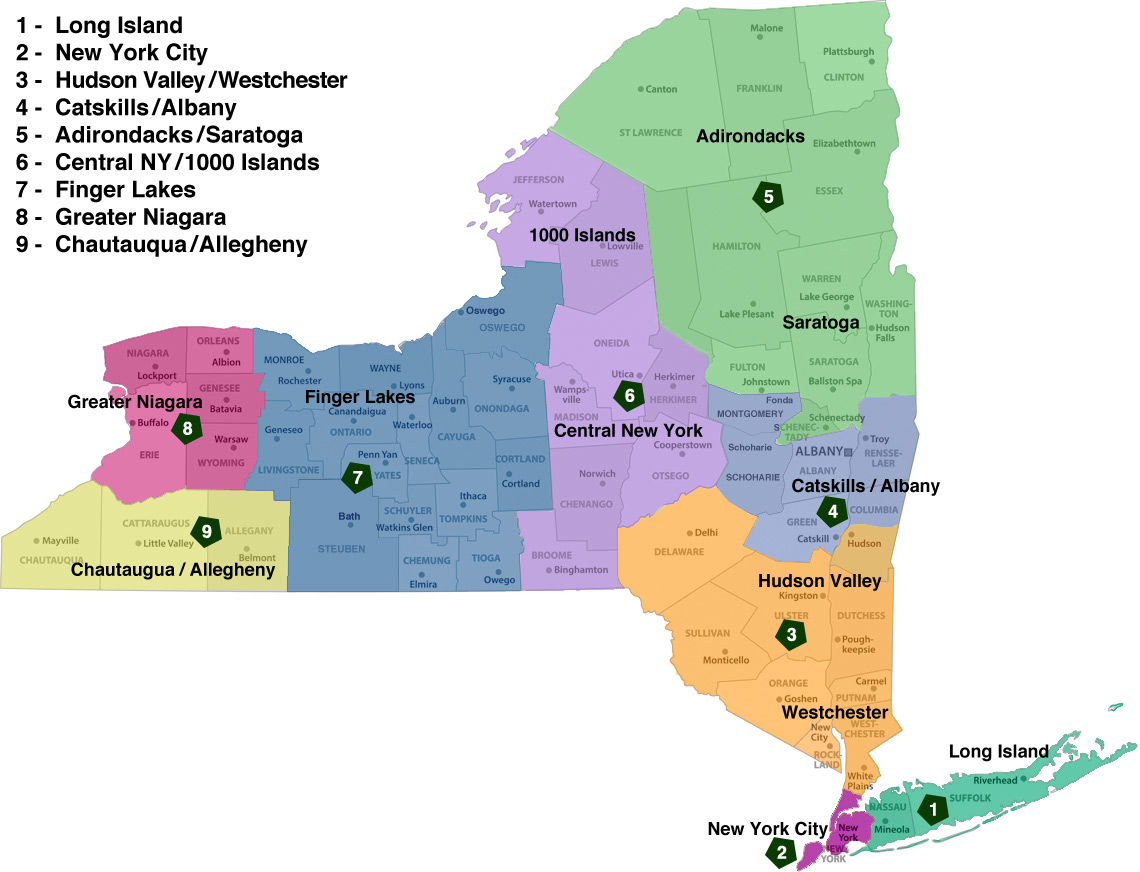
The rest of the state of New York, outside of the metropolitan area, is often considered part of the broader Upstate New York region. This area is characterized by its diverse landscapes, from the Adirondack Mountains and the Catskill Mountains to the Great Lakes and the Finger Lakes. Historically and culturally, Upstate New York has its own distinct character, influenced by its agricultural heritage, its role in the Industrial Revolution, and its proximity to Canada and other Northeastern states.
New York: A Nexus of Regions
The enduring answer to “What region was New York in?” is that it has consistently occupied a position of significance and often served as a nexus of different regional influences. From its origins as a Dutch trading outpost within New Netherland, to its role as a crucial Middle Colony in the Thirteen Colonies, and its modern status as a cornerstone of the Northeastern United States, New York has always been more than just a single, static region. It has been a place of convergence, a gateway, and a powerful economic and cultural force, shaping and being shaped by the broader geographical and historical narratives of North America. Whether considering its past colonial administration, its revolutionary significance, or its contemporary urban and rural landscapes, New York’s regional identity is a dynamic and multifaceted story.
LifeOutOfTheBox is a participant in the Amazon Services LLC Associates Program, an affiliate advertising program designed to provide a means for sites to earn advertising fees by advertising and linking to Amazon.com. Amazon, the Amazon logo, AmazonSupply, and the AmazonSupply logo are trademarks of Amazon.com, Inc. or its affiliates. As an Amazon Associate we earn affiliate commissions from qualifying purchases.