
For many, a visit to the vibrant metropolis of New York offers a kaleidoscope of experiences, from iconic landmarks and world-class dining to bustling street life and serene green spaces. However, for observant Jewish travelers, or those interested in experiencing the unique rhythm of a different culture, understanding the timing of Shabbat is paramount. Shabbat, the Jewish Sabbath, is a weekly day of rest and spiritual observance, commencing on Friday evening at sunset and concluding on Saturday evening at nightfall. Knowing precisely when Shabbat begins and ends in New York is crucial for planning a trip that respects this significant tradition, whether you’re seeking accommodations near a synagogue, planning your itinerary around restricted activities, or simply wish to be mindful of the city’s diverse cultural landscape. This guide will delve into the specifics of Shabbat timing in New York, offering insights that will enhance your travel experience.
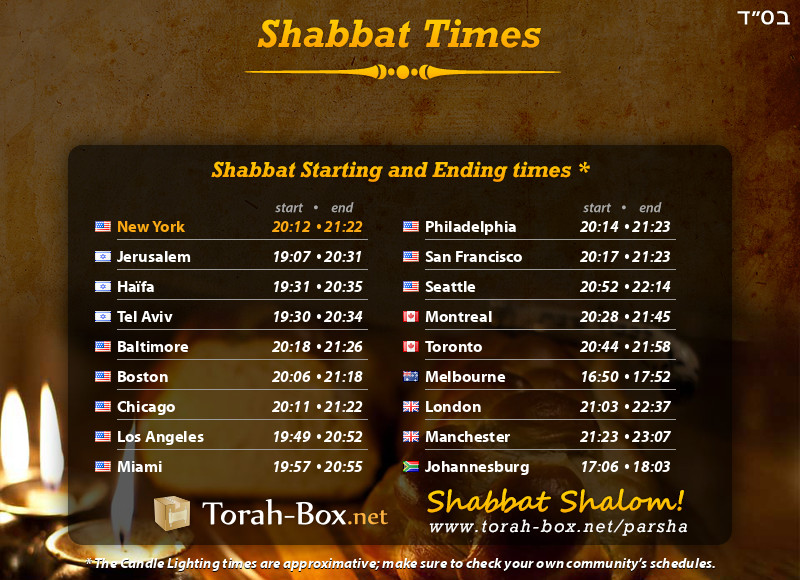
Understanding Shabbat’s Weekly Cycle in New York
The start and end times of Shabbat are not fixed to a specific clock time but are dictated by astronomical phenomena: sunset and nightfall. This means that the timing shifts slightly each week. In New York, a city known for its dynamic energy, Shabbat brings a distinct and palpable change in atmosphere. As the sun begins its descent, the pace of the city subtly alters, particularly in neighborhoods with significant Jewish populations. Many businesses close, public transportation may see reduced services on certain routes or times, and a pervasive sense of tranquility descends.
The Celestial Clock: Sunset and Nightfall in New York
The core principle governing Shabbat timing is the transition from day to night. Shabbat officially begins at sunset. This is not the exact moment the sun disappears below the horizon, but rather the point when the visible disc of the sun is no longer seen. Following sunset, a period known as “nightfall” marks the conclusion of Shabbat. This is often defined as the time when three medium-sized stars become visible in the sky, or more technically, when the sun’s disc is 7.2 degrees below the horizon. For practical purposes, various Jewish calendars and apps provide precise times for sunset and nightfall in New York each week.
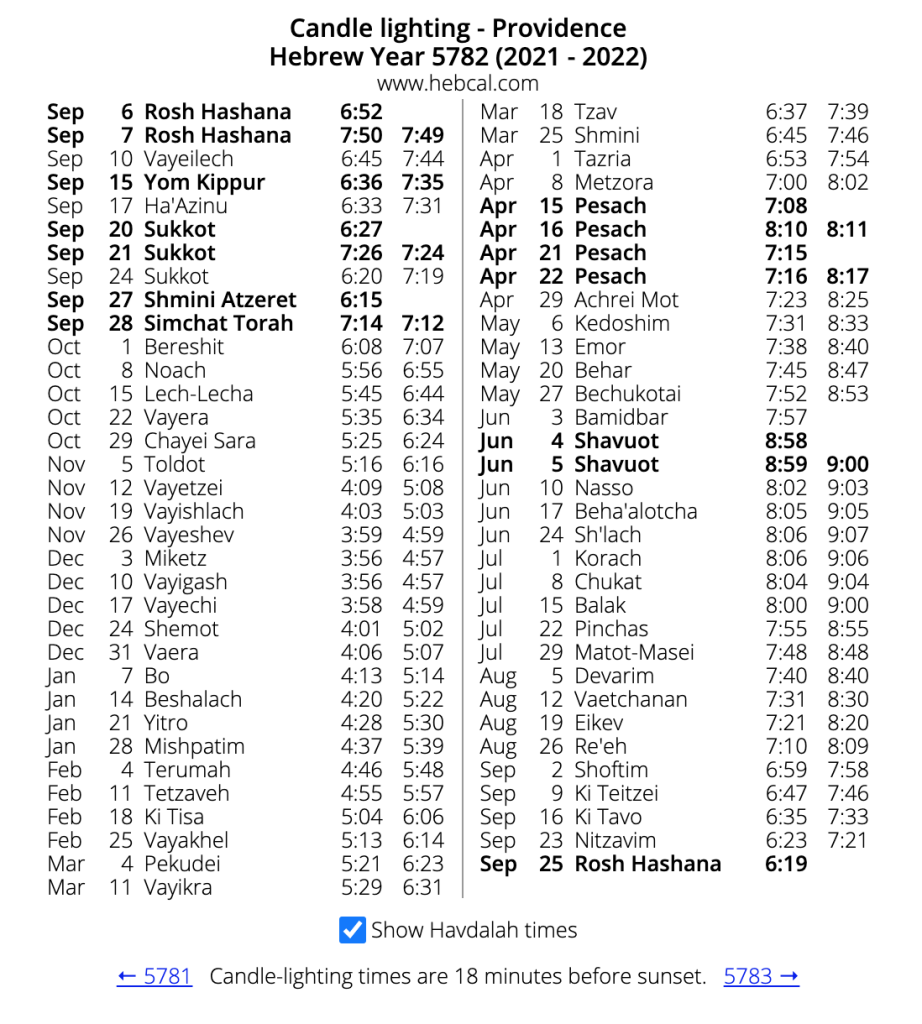
The precise times for sunset and nightfall in New York vary throughout the year due to the changing length of days. During the summer months, when days are long, Shabbat will begin later in the evening, closer to 8:00 PM or even later. Conversely, in the heart of winter, with its short daylight hours, Shabbat can commence as early as 4:30 PM. This fluctuation necessitates checking the weekly Shabbat times to ensure accurate observance and planning.
For travelers unfamiliar with the local astronomical cues, relying on reputable Jewish calendars, online resources, or community websites is the most reliable method. These resources often provide localized times for New York City and its surrounding boroughs, taking into account the city’s specific latitude and longitude. Many travel apps catering to Jewish travelers also offer Shabbat timers that automatically update based on your location.
Seasonal Variations and Their Impact on Your New York Itinerary
The significant seasonal variations in Shabbat timing have a direct impact on how you might plan your New York experience.
-
Summer in New York: With Shabbat beginning late on Friday evenings, you have ample opportunity to explore attractions like the Central Park Zoo or catch an evening performance at a Broadway theater before heading to dinner and synagogue. The extended daylight also means you can enjoy activities like a walk across the Brooklyn Bridge or a visit to Times Square in the twilight hours before Shabbat commences. Many restaurants, particularly those in areas like Borough Park or Crown Heights, will be bustling with pre-Shabbat activity. Hotels in Manhattan, especially those near the theater district or tourist hubs, will still operate with their usual vibrancy until Shabbat begins.
-
Winter in New York: The early start to Shabbat in winter requires a different approach. Friday afternoons become prime time for sightseeing. Imagine visiting the Metropolitan Museum of Art or the American Museum of Natural History in the late afternoon, followed by a leisurely stroll through the snow-dusted pathways of Central Park. Many observant Jewish families will be preparing their homes for Shabbat and attending synagogue services. Dining options might be more limited on Friday nights, so booking in advance, especially at kosher restaurants, is highly recommended. The quietude of Shabbat in winter can offer a unique perspective on the city, with many locals opting for indoor activities and relaxed family time.
-
Spring and Autumn in New York: These transitional seasons offer a balance. Shabbat times will fall in the late afternoon or early evening, providing a good window for daytime exploration and allowing for participation in Friday night services and meals without feeling overly rushed. Consider a visit to the Statue of Liberty and Ellis Island in the afternoon, or explore the vibrant neighborhoods of Greenwich Village before Shabbat begins. The pleasant weather also makes exploring outdoor attractions like the High Line a delightful option.
When booking accommodation, especially if you plan to observe Shabbat, consider hotels in proximity to synagogues or Jewish community centers. Areas like Borough Park in Brooklyn are renowned for their large Orthodox Jewish populations and numerous synagogues. Manhattan also has a significant Jewish presence, with synagogues scattered throughout neighborhoods like the Upper West Side, Upper East Side, and Midtown. Researching the specific needs of your Shabbat observance, such as proximity to kosher food options or the availability of quiet zones within a hotel, can significantly enhance your stay.
Navigating New York During Shabbat
Understanding the timing of Shabbat is not just about knowing when it starts and ends; it’s also about navigating the city’s unique rhythm during this period. For observant Jews, Shabbat involves refraining from certain activities, including work, the use of electricity (including lights and electronics), and travel. This can influence how one moves around New York, dines, and engages with tourist activities.
Transportation and Mobility
During Shabbat, public transportation in New York operates on a reduced schedule or may not run at all on certain routes, particularly in areas with a high concentration of observant Jewish residents. The Metropolitan Transportation Authority (MTA), which runs the subway and bus systems, generally continues to operate, but observant individuals will refrain from using it from Friday sunset to Saturday nightfall.
For travelers who observe Shabbat, this means planning your movements carefully. If you are staying in a hotel outside of walking distance to your desired Shabbat destination (e.g., a synagogue or a family gathering), you will need to make arrangements in advance. This could involve staying within a walkable neighborhood or coordinating with friends or family for transportation. Many observant families opt to stay within their local community during Shabbat to minimize travel constraints.
In areas like Borough Park and Crown Heights, where many residents are observant, the streets become significantly quieter on Shabbat afternoons. You’ll see many people walking to and from synagogue, dressed in their Shabbat best. This offers a unique opportunity to observe a different facet of New York life.
For those who do not observe Shabbat strictly, New York remains a city of endless possibilities. The subway system continues to be a primary mode of transport for many, and taxis and ride-sharing services are readily available, though drivers may also be observing Shabbat in their personal lives.
Dining and Kosher Food Options
The culinary landscape of New York is vast and varied, and for those seeking kosher food, the city offers an abundance of choices. However, many kosher establishments, particularly those run by observant Jewish owners, will close for Shabbat. This means that planning for Friday night and Saturday meals is essential.
-
Friday Night Meals: Many observant families host Shabbat meals at home or attend synagogue kiddush (a light repast after morning services) or a communal Shabbat dinner. If you are invited to such a meal, it’s a wonderful cultural experience. If you are not, and wish to dine out, it’s crucial to confirm that the kosher restaurant will be open and serving during Shabbat hours – some may offer limited takeout before Shabbat begins. It is far more common for kosher establishments to close for Shabbat observance.
-
Shabbat Day Meals: On Shabbat day (Saturday), many kosher restaurants remain closed. Therefore, it is advisable to either prepare your own meals (if your accommodation allows) or to rely on pre-prepared kosher meals that can be purchased before Shabbat begins. Many kosher bakeries and delis offer such options. Synagogues often have a communal kiddush after morning services, providing a light meal.
-
Finding Kosher Food: New York boasts a high concentration of kosher restaurants and food stores, particularly in neighborhoods like Borough Park, Crown Heights, Williamsburg (Brooklyn), and in parts of Manhattan such as the Upper West Side and Midtown. Websites and apps dedicated to kosher dining can help you locate certified kosher establishments and check their hours of operation, especially around Shabbat.
For the general traveler, New York‘s dining scene continues to thrive. Times Square and the Theater District remain vibrant hubs of activity with countless restaurants open for business. You can explore the culinary delights of Little Italy or enjoy a rooftop dining experience with panoramic city views.
Embracing the Spirit of Shabbat in the City That Never Sleeps
Even with the unique rhythm of Shabbat, New York remains a dynamic and engaging destination. For those who choose to observe, it offers a chance to connect with Jewish culture and tradition within a bustling urban environment. For others, it presents an opportunity to witness a different side of the city, a moment of respite in the relentless energy of New York.
Religious Services and Community Connections
New York is home to a vast array of synagogues catering to every denomination of Judaism, from Orthodox to Reform and Conservative. If you are looking to attend services, research synagogues in the area where you will be staying. Many synagogues have websites with their service schedules and contact information. For Orthodox observant travelers, finding a synagogue within walking distance is often a priority.
Attending Shabbat services can be a profoundly enriching experience. It offers a glimpse into the spiritual heart of the Jewish community and a chance to connect with local residents. Many congregations are welcoming to visitors. Observing the prayers, the reading of the Torah, and the communal atmosphere can be a highlight of a Shabbat observance in New York.
Beyond formal services, many communities organize Shabbat meals and other gatherings. Connecting with local Jewish organizations or community centers can provide information about these events, offering further opportunities for cultural immersion.
Integrating Shabbat Observation with New York Exploration
The key to a successful Shabbat experience in New York, whether for observance or understanding, lies in planning and awareness.
-
Pre-Shabbat Preparation: Before Shabbat begins on Friday afternoon, ensure you have all your essentials, including any food you might need for Shabbat day if you plan to eat at home or pack a picnic. Familiarize yourself with the closing times of shops and attractions.
-
Respectful Exploration: If you are a visitor who does not observe Shabbat, remember that many people around you will be doing so. Be mindful of noise levels, particularly in residential areas with a significant Jewish population, and be aware that public transportation may be affected.
-
Embrace the Calm: As Shabbat descends, New York transforms. While parts of the city remain lively, you’ll notice a shift. This can be an excellent time for introspection, enjoying a quiet walk through a park like Bryant Park or along the waterfront, or simply taking in the city’s ambiance from a different perspective.
-
Post-Shabbat Transition: Once Shabbat ends on Saturday night, the city’s energy quickly returns. Many restaurants, theaters, and attractions resume their full schedules. This is often a time for families and friends to gather, and the streets will soon buzz with renewed activity.
New York offers a unique tapestry of experiences, and understanding the timing and significance of Shabbat allows for a more nuanced and respectful engagement with its diverse culture. Whether you are traveling for business, leisure, or to connect with your heritage, being aware of Shabbat timings will undoubtedly enhance your journey. From the iconic skyscrapers to the vibrant neighborhoods, New York is a city that embraces its multifaceted identity, and Shabbat is an integral part of that ever-evolving narrative.
LifeOutOfTheBox is a participant in the Amazon Services LLC Associates Program, an affiliate advertising program designed to provide a means for sites to earn advertising fees by advertising and linking to Amazon.com. Amazon, the Amazon logo, AmazonSupply, and the AmazonSupply logo are trademarks of Amazon.com, Inc. or its affiliates. As an Amazon Associate we earn affiliate commissions from qualifying purchases.