
The New York City Subway System, an iconic and indispensable artery of the United States, is not a singular creation but rather a complex tapestry woven from decades of planning, engineering marvels, and evolving urban needs. To pinpoint a single “built” date is to miss the rich, layered history of this colossal undertaking. Instead, we must explore its origins, its gradual expansion, and the transformative impact it has had on the city’s very fabric.
The Dawn of an Underground Revolution: Early Visions and the First Line
The idea of an underground railway in New York City wasn’t born overnight. As the 19th century progressed, New York experienced an explosive population growth, leading to severe congestion on its surface streets. Horse-drawn trolleys and omnibuses, once efficient, became increasingly overwhelmed. The need for a faster, more capacious mode of transport became a pressing concern for city planners and entrepreneurs alike.

The Ambitious Undertaking of the IRT
While various proposals and smaller, elevated railways existed, the true genesis of the modern New York City Subway can be traced back to the Independent Rapid Transit Railroad (IRT). This monumental project, a testament to human ingenuity and perseverance, began in earnest in the early 20th century. The groundwork, the excavation, and the construction of the initial subway line were Herculean tasks, requiring the labor of thousands and overcoming significant engineering challenges.
The first section of the IRT opened to the public on October 27, 1904. This historic inaugural run stretched from City Hall to 145th Street in Harlem, a route that would forever change how New Yorkers navigated their burgeoning metropolis. This wasn’t just a new transportation system; it was a revolutionary concept, bringing vast swathes of the city within easy reach and fostering unprecedented urban development. The success of this first line spurred further ambitions and laid the foundation for the extensive network we know today.
The Interborough Rapid Transit (IRT) and the Brooklyn-Manhattan Transit Corporation (BMT): A Tale of Two Systems
The early years of the New York City Subway were characterized by competition and the eventual consolidation of different operating companies. The IRT, having pioneered the underground journey, quickly expanded its reach. However, it wasn’t the only player in the emerging rapid transit landscape.
The Rise of the BMT
Another significant entity that shaped the subway’s development was the Brooklyn-Manhattan Transit Corporation (BMT). The BMT had its roots in earlier elevated railway systems, particularly those serving Brooklyn. As the demand for subway service grew and the IRT demonstrated its viability, the BMT began to invest in and construct its own underground lines, aiming to connect Brooklyn more directly with Manhattan.
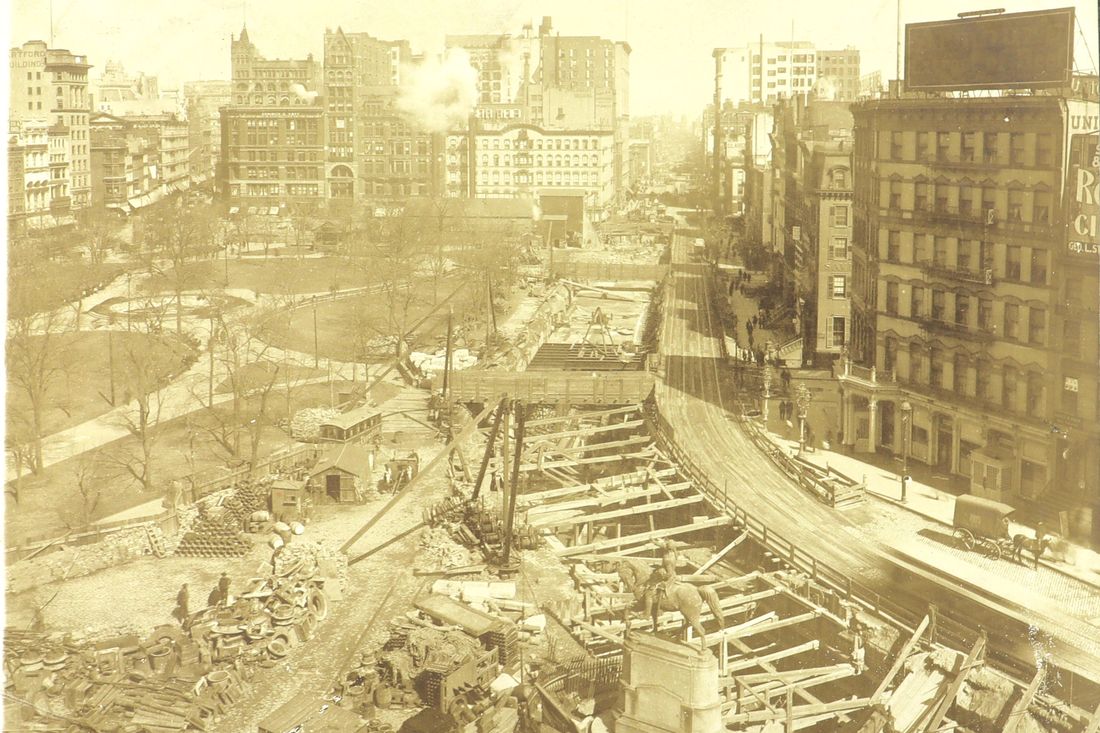
The construction and operation of these separate systems, the IRT and the BMT, led to a complex and at times overlapping network. While they served distinct areas and had different operational philosophies, their existence was crucial to the overall expansion of rapid transit. Travelers often had to transfer between lines operated by different companies, a testament to the fragmented, yet ultimately connective, nature of the early subway.
The Unification of Transit
The operational division between the IRT and the BMT persisted for decades. However, the increasing complexity and the desire for a more integrated system led to a significant shift in the mid-20th century. In 1940, the city acquired the BMT and the Independent Subway System (IND), which had been the third major subway operator. This momentous acquisition marked the beginning of the end of the private operation of the New York City Subway.
Subsequently, in 1953, the New York City Transit Authority (NYCTA) was established, consolidating the operations of all three lines – the IRT, the BMT, and the IND – under a single public authority. This unification was a critical step in creating the cohesive and unified subway system that New Yorkers rely on today. It allowed for standardized fares, coordinated scheduling, and a more seamless travel experience for millions of daily commuters. The construction and integration of new lines and extensions continued, driven by the ever-growing needs of the city.
The Expanding Network: From a Single Line to a City-Wide Lifeline
The opening of the first IRT line in 1904 was merely the beginning. The subsequent decades witnessed a relentless pace of construction and expansion, transforming the subway from a novel convenience into the lifeblood of New York City.
Continuous Growth and Modernization
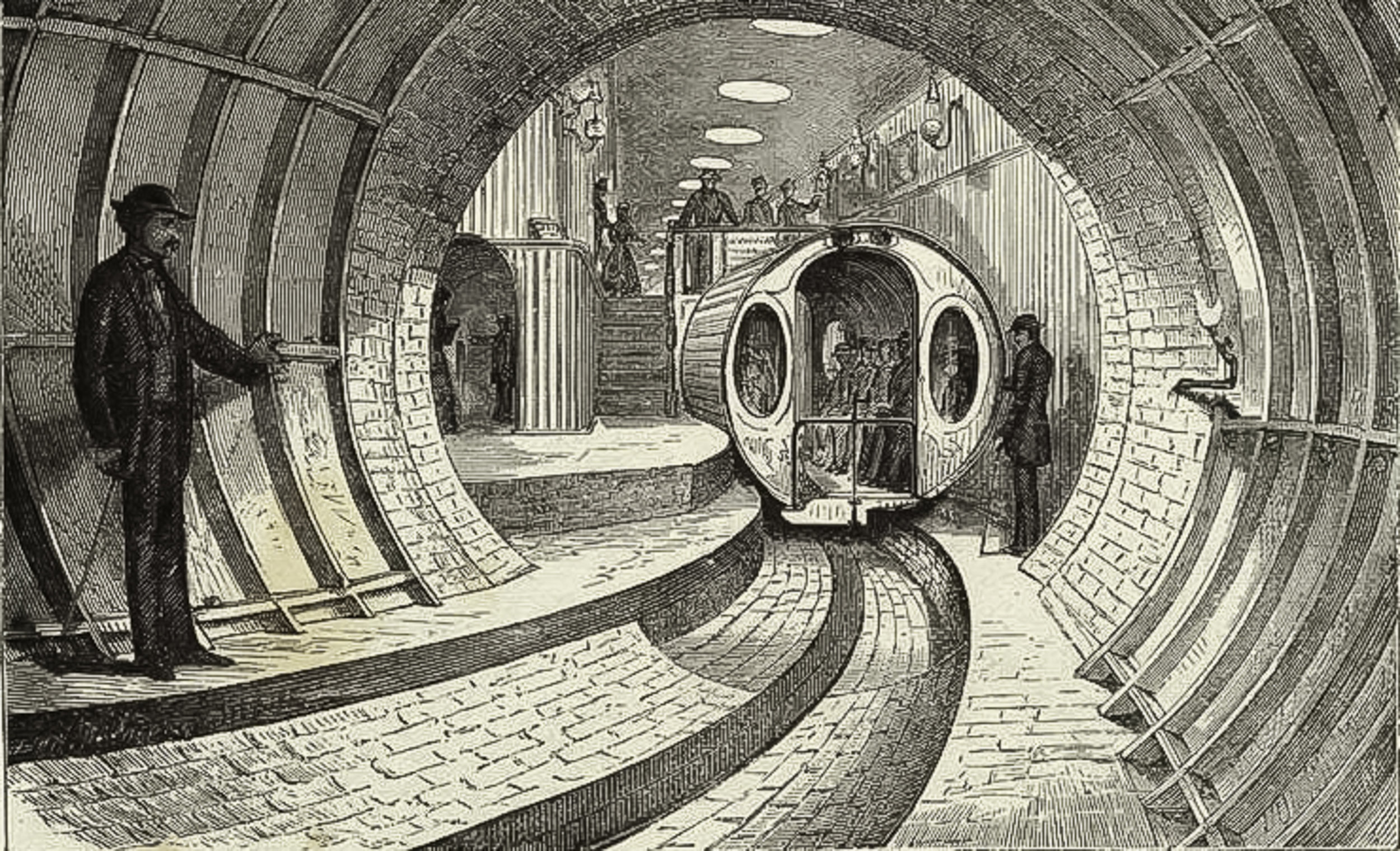
Following the initial success of the IRT, new lines and extensions were rapidly planned and built. The IND, for instance, was a product of a later era of subway building, with its first line opening in 1932. This system was designed with broader cars and higher ceilings, reflecting advancements in engineering and passenger comfort. Each new line opened up new neighborhoods, facilitated residential development, and spurred economic activity.
The subway system’s growth was intrinsically linked to the city’s expansion. As New York sprawled outwards, new subway lines were extended to serve these developing areas, connecting communities and making the entire metropolitan area more accessible. This constant evolution meant that the “building” of the subway was an ongoing process, with major construction projects occurring throughout the 20th century and continuing in various forms even today, albeit with a focus on modernization and upgrades rather than entirely new trunk lines.
The Subway’s Enduring Legacy
The New York City Subway System is more than just a collection of tunnels and tracks; it’s a living testament to the city’s ambition and its capacity for large-scale public works. It has facilitated the settlement of diverse populations, enabled the growth of global industries, and become an iconic symbol of New York City itself.
From its ambitious beginnings in the early 1900s, through the complex mergers and expansions of the mid-20th century, to its current status as one of the world’s most extensive rapid transit networks, the New York City Subway’s construction story is a continuous narrative of progress. While the 1904 opening of the first IRT line is a pivotal moment, it’s crucial to understand that the system as we know it today is the result of a long and dynamic process of building, connecting, and evolving. It remains a vital component for tourists exploring attractions like Times Square or visiting hotels such as the Plaza Hotel, and for residents commuting to work or experiencing the vibrant lifestyle of the city. The subway’s architecture, its history, and its sheer scale continue to fascinate, solidifying its place as a truly remarkable New York landmark.
LifeOutOfTheBox is a participant in the Amazon Services LLC Associates Program, an affiliate advertising program designed to provide a means for sites to earn advertising fees by advertising and linking to Amazon.com. Amazon, the Amazon logo, AmazonSupply, and the AmazonSupply logo are trademarks of Amazon.com, Inc. or its affiliates. As an Amazon Associate we earn affiliate commissions from qualifying purchases.