
Union Square in New York City is more than just a geographic point; it’s a vibrant nexus where culture, commerce, and community converge. For travelers seeking to immerse themselves in the dynamic energy of Manhattan, understanding the location and significance of Union Square is paramount. This bustling hub, situated at the intersection of two of New York’s most storied avenues, offers a kaleidoscope of experiences, from world-class shopping and dining to artistic expression and historical reflection.
The area’s strategic positioning makes it an ideal base for exploring the wider city. Its accessibility via numerous subway lines connects it seamlessly to iconic destinations like Times Square, Central Park, and the Financial District. Whether you’re a seasoned visitor or planning your inaugural trip to the Big Apple, Union Square provides an authentic taste of New York life, blending historical charm with contemporary dynamism.
Unveiling the Heart of Manhattan: Location and Accessibility
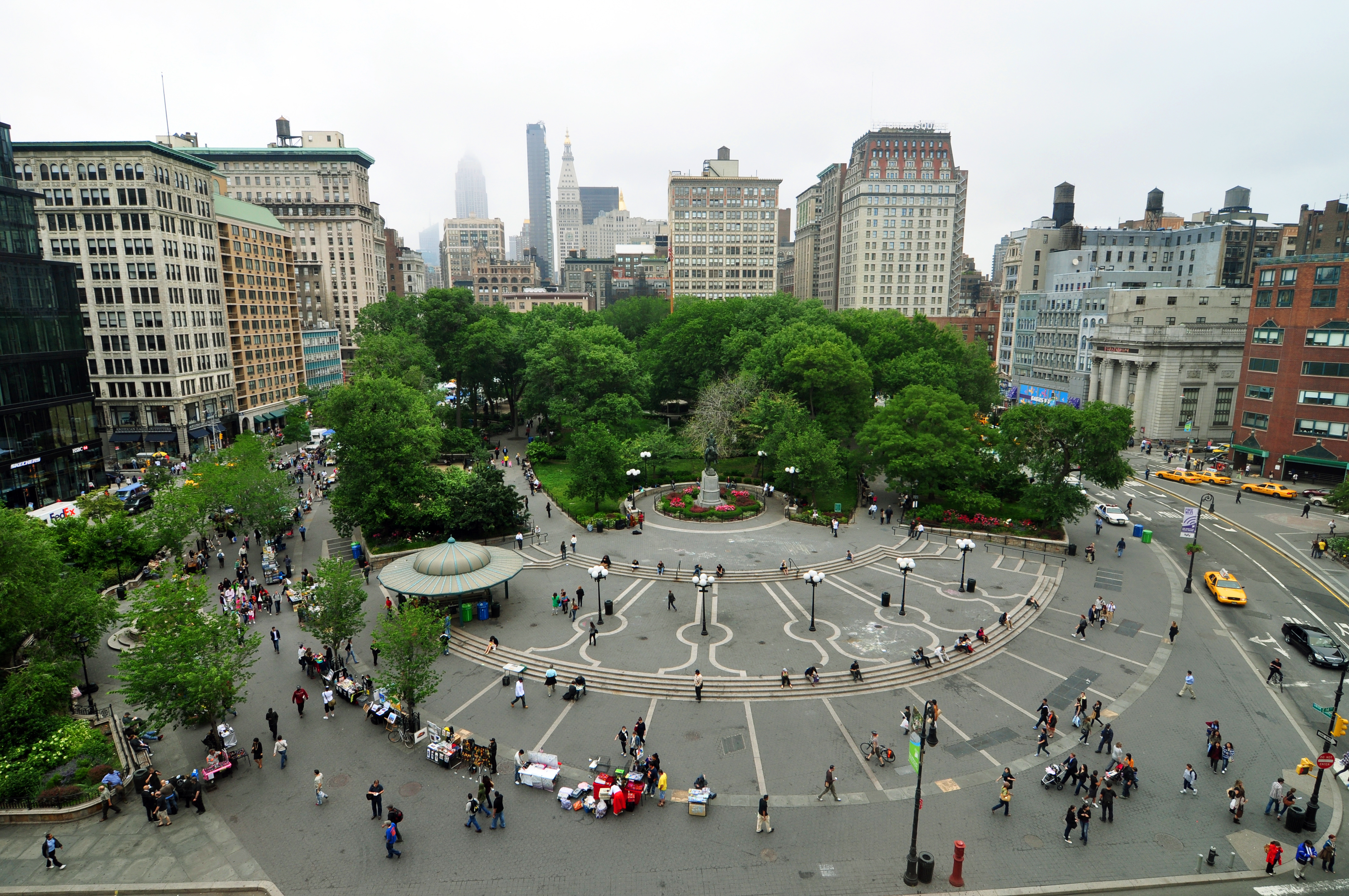
At its core, Union Square is a public plaza and a neighborhood in New York City’s borough of Manhattan. Its precise location is at the junction of 14th Street, Union Square West, Union Square East, University Place, and Fourth Avenue. The square itself is a roughly 2.7-acre expanse, serving as a central gathering place for locals and a must-visit for tourists.
Navigating to Union Square
Reaching Union Square is remarkably easy, thanks to New York’s extensive public transportation network. The Union Square–14th Street subway station is one of the busiest in the city, served by multiple lines:
- L train: Connects directly to Brooklyn‘s trendy neighborhoods like Williamsburg.
- N, Q, R, and W trains: These lines offer access to different parts of Manhattan, including Midtown and SoHo.
- 4, 5, and 6 trains: These express lines provide swift travel uptown and downtown, reaching destinations like the Upper East Side and the Financial District.
This extensive subway connectivity means that from almost anywhere in New York City, you can reach Union Square within a reasonable travel time. For those who prefer to travel above ground, numerous bus routes also converge at Union Square, offering scenic views of the cityscape as you make your way to your destination.
Beyond the Subway: Walking and Taxis
For visitors staying in nearby neighborhoods such as the East Village, Greenwich Village, or the Flatiron District, a leisurely walk to Union Square is a delightful option. This allows for serendipitous discoveries of charming boutiques, hidden cafes, and unexpected street art. Taxis and ride-sharing services are also readily available throughout Manhattan, providing a convenient, albeit often more expensive, way to reach the square.
The accessibility of Union Square is a key factor in its popularity. It acts as a natural starting point or a convenient midway stop for many itineraries, effortlessly weaving itself into the fabric of any New York adventure.
The Soul of Union Square: A Tapestry of Attractions and Experiences
Union Square is far more than just a crossroad; it is a vibrant ecosystem brimming with attractions that cater to every taste and interest. Its rich history, coupled with its modern-day vibrancy, creates a unique atmosphere that draws people in.
The Iconic Union Square Greenmarket
One of the most beloved and enduring features of Union Square is its world-renowned Greenmarket. Operating year-round, this farmers’ market is a testament to New York‘s commitment to fresh, local produce. Open on Mondays, Wednesdays, Fridays, and Saturdays, the market transforms the south side of the square into a bustling marketplace where farmers from across the Northeast showcase their seasonal bounty.
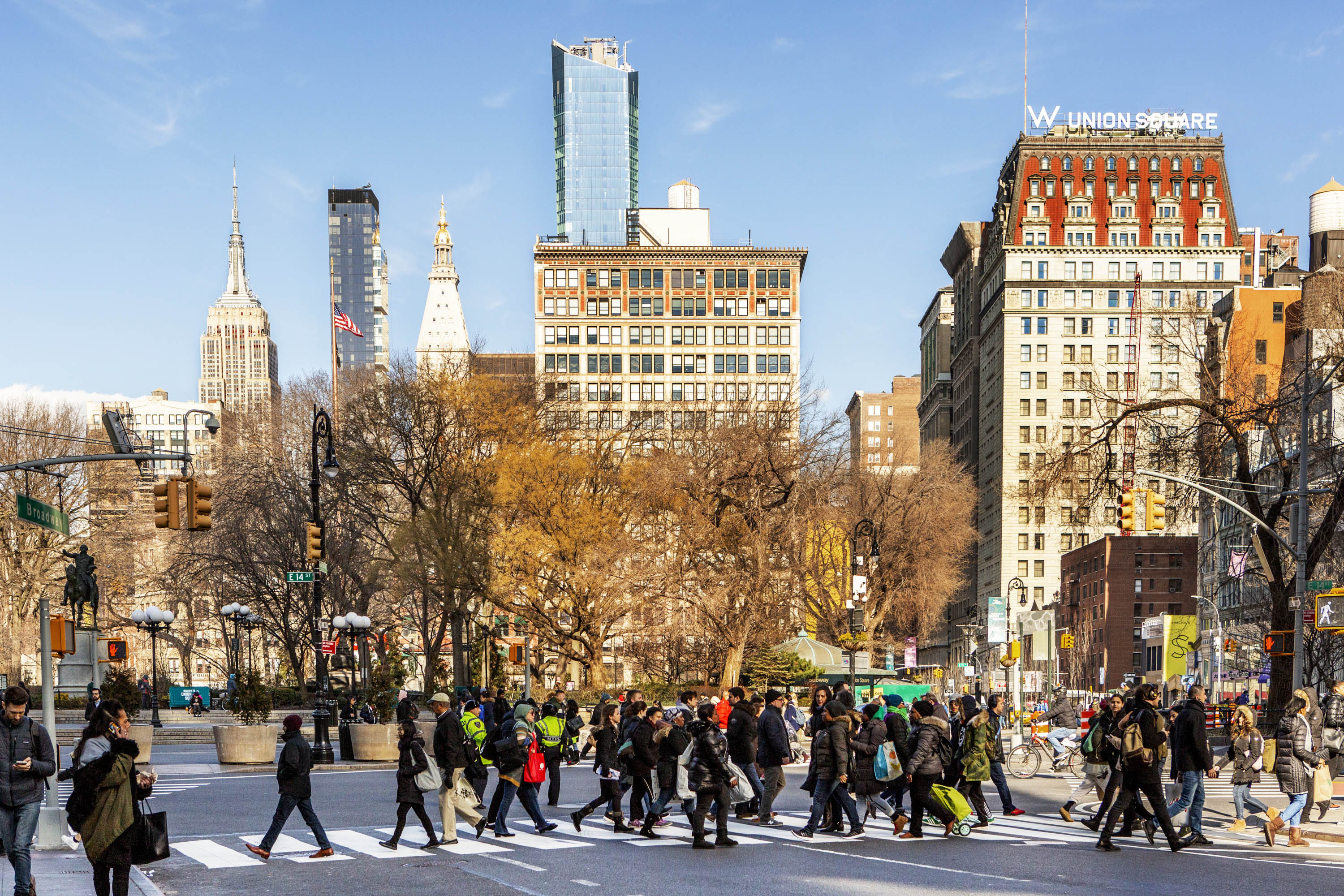
From vibrant spring asparagus and summer berries to crisp autumn apples and hearty winter root vegetables, the Greenmarket offers an unparalleled opportunity to experience the best of regional agriculture. Shoppers can find artisanal cheeses, freshly baked breads, locally sourced honey, and a stunning array of flowers. It’s a sensory delight, filled with the aromas of ripe produce and the lively chatter of vendors and customers. For food enthusiasts and those interested in sustainable living, a visit to the Greenmarket is an essential New York experience.
A Hub of Culture and Commerce
Surrounding Union Square is a dynamic landscape of retail establishments, restaurants, and cultural institutions. The area is a shopper’s paradise, boasting flagship stores of major retailers alongside unique independent boutiques. Whether you’re looking for the latest fashion trends, cutting-edge technology, or specialized books, you’ll find it within steps of the square.
The culinary scene in and around Union Square is equally impressive. From Michelin-starred restaurants to casual eateries and cozy cafes, there’s something to satisfy every palate and budget. Foodies can embark on a gastronomic journey, exploring diverse cuisines and innovative dishes. The presence of the Whole Foods Market on the west side of the square further enhances its appeal, offering a vast selection of organic and specialty foods.
Public Art and Green Spaces
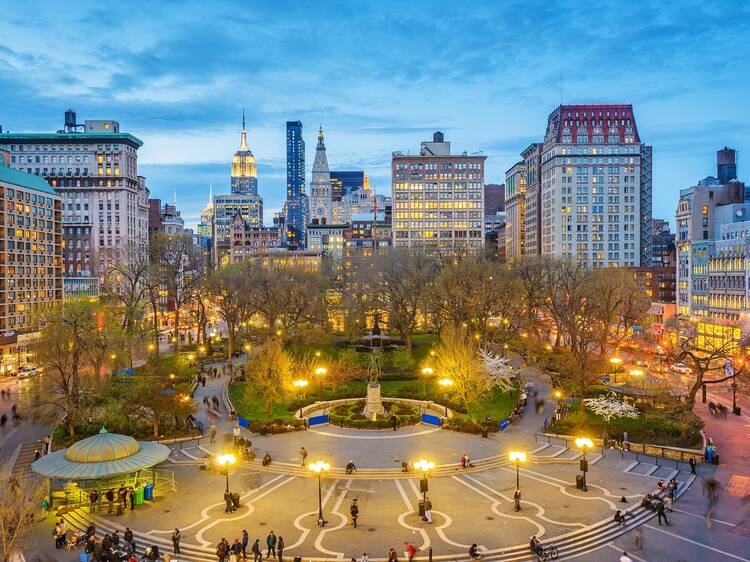
Union Square itself is a beautifully designed public space, featuring manicured lawns, charming benches, and captivating public art. The iconic George Washington statue stands as a historical sentinel, while the Confederate Soldiers and Sailors Monument adds another layer to the square’s historical narrative. Throughout the year, the square serves as a venue for various events, including concerts, protests, and holiday markets, reflecting its role as a vital public forum.
The park’s green spaces offer a welcome respite from the urban hustle. It’s a perfect spot to enjoy a picnic lunch, people-watch, or simply soak in the vibrant atmosphere of New York City. The blend of historical landmarks, lively markets, and recreational areas makes Union Square a multifaceted destination that truly embodies the spirit of the city.
Beyond the Square: Exploring the Neighborhoods
The influence of Union Square extends far beyond its physical boundaries, permeating the surrounding neighborhoods and contributing to their distinct character. Understanding these adjacent areas enriches the experience of visiting Union Square and provides a broader perspective on New York City’s diverse urban tapestry.
East Village: Bohemian Charm and Culinary Delights
To the east of Union Square lies the East Village, a neighborhood historically known for its bohemian roots and vibrant arts scene. This area retains much of its counter-cultural charm, with independent bookstores, quirky shops, and a thriving live music and theater community. The East Village is also a culinary melting pot, boasting an incredible array of ethnic restaurants, from authentic Ukrainian diners to trendy Japanese izakayas and classic Italian trattorias. Exploring the East Village is like taking a step back in time while simultaneously experiencing the cutting edge of urban culture.
Greenwich Village: Historic Streets and Artistic Heritage
To the southwest of Union Square is the picturesque Greenwich Village, often referred to simply as “the Village.” This neighborhood is famous for its charming tree-lined streets, historic brownstones, and a rich legacy as a center for artistic and intellectual life. Washington Square Park, with its iconic arch, serves as the heart of Greenwich Village and is a hub for street performers, musicians, and students from New York University. The Village offers a more intimate urban experience, with winding streets that invite exploration and discovery of hidden cafes, jazz clubs, and cozy bars.
Flatiron District and Nomad: Architectural Marvels and Modern Sophistication
North of Union Square, you’ll find the Flatiron District, instantly recognizable by the triangular Flatiron Building, a masterpiece of early 20th-century architecture. This area seamlessly blends historic buildings with modern office spaces and upscale retail. Adjacent to the Flatiron District is the NoMad (North of Madison Square Park) area, which has transformed into a trendy destination known for its stylish hotels, sophisticated restaurants, and lively nightlife. These neighborhoods offer a glimpse into New York’s evolving urban landscape, where historical grandeur meets contemporary design.
By exploring these surrounding neighborhoods, visitors can appreciate how Union Square acts as a central anchor, connecting diverse urban enclaves and offering a gateway to a multitude of New York experiences. Each area, with its unique character and attractions, complements the vibrant energy of Union Square, providing a comprehensive and unforgettable exploration of Manhattan.
LifeOutOfTheBox is a participant in the Amazon Services LLC Associates Program, an affiliate advertising program designed to provide a means for sites to earn advertising fees by advertising and linking to Amazon.com. Amazon, the Amazon logo, AmazonSupply, and the AmazonSupply logo are trademarks of Amazon.com, Inc. or its affiliates. As an Amazon Associate we earn affiliate commissions from qualifying purchases.