
The allure of New York is undeniable. It’s a city that pulses with an energy unlike any other, a global nexus of culture, commerce, and dreams. For those considering a more extended stay, whether for work, study, or a deep dive into the Empire State‘s vibrant tapestry, the question of “where to live” becomes paramount. This isn’t just about finding a roof over your head; it’s about immersing yourself in a neighborhood that resonates with your lifestyle, budget, and aspirations. From the iconic skyscrapers of Manhattan to the brownstone-lined streets of Brooklyn and the diverse communities of the other boroughs, New York offers a kaleidoscope of living experiences. This guide aims to demystify the process, offering insights into the best neighborhoods for various needs, highlighting accommodation options, and touching upon the unique lifestyle each area affords.
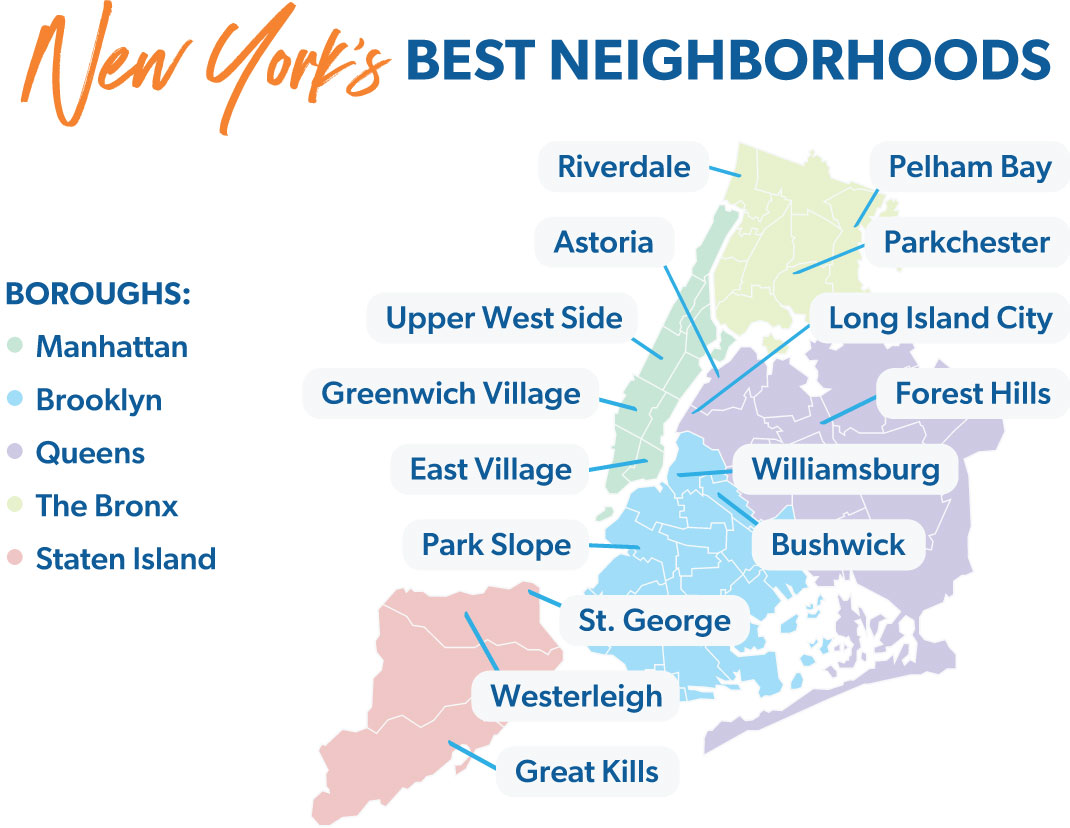
Navigating the Boroughs: A Neighborhood Guide
New York City is a mosaic of five distinct boroughs, each with its own character, charm, and set of advantages. Understanding these differences is the first step in pinpointing your ideal urban dwelling.
Manhattan: The Heartbeat of the City
For many, Manhattan is synonymous with New York. It’s the island of iconic landmarks, towering ambition, and a pace of life that rarely slows. While often perceived as prohibitively expensive, Manhattan offers a range of neighborhoods catering to different budgets and lifestyles, from the opulent penthouses of Upper East Side to the bohemian enclaves of Greenwich Village.
Upper East Side and Upper West Side: Culture and Convenience
The Upper East Side, known for its elegant pre-war buildings, designer boutiques along Madison Avenue, and proximity to cultural institutions like the Metropolitan Museum of Art and Central Park, offers a sophisticated and refined living experience. It’s a popular choice for professionals and families seeking a prestigious address with excellent schools and unparalleled access to the city’s cultural heart. On the other side of Central Park, the Upper West Side offers a slightly more relaxed, family-friendly vibe, with charming tree-lined streets, independent bookstores, and institutions like the American Museum of Natural History and Lincoln Center. Both neighborhoods boast excellent public transportation, making commutes across the city relatively straightforward. Accommodation here ranges from luxury apartments in stunning high-rises to more modest studios and one-bedrooms in classic brownstones.
Midtown and Downtown: The Epicenters of Commerce and Creativity
Midtown Manhattan is the bustling financial and entertainment hub, home to landmarks like Times Square, Rockefeller Center, and the Empire State Building. Living here offers unparalleled convenience for those working in the business district or seeking immediate access to Broadway shows and world-class dining. The accommodation landscape is dominated by modern apartment buildings and hotels, offering a dynamic, fast-paced urban lifestyle.
Further south, Downtown Manhattan encompasses a diverse array of neighborhoods, each with its unique appeal. SoHo is renowned for its cast-iron architecture, art galleries, and trendy boutiques, attracting a stylish and creative crowd. Tribeca offers a more upscale and exclusive feel, with loft apartments and celebrity residents. The Financial District, once purely a business hub, is increasingly becoming a residential destination, offering modern apartments with stunning harbor views. Greenwich Village and the West Village retain their bohemian charm, with winding streets, historic townhouses, and a vibrant music and arts scene. For those seeking a more historic and quaint atmosphere, Chelsea offers a mix of galleries, boutiques, and a growing residential population, particularly around the High Line park. Accommodation in these areas can range from chic lofts to compact, well-designed apartments, often with a premium attached to the location.
Brooklyn: The Borough of Diverse Charms
Brooklyn has transformed from a mere residential alternative to Manhattan into a destination in its own right, celebrated for its diverse communities, burgeoning arts scene, and distinct neighborhood identities. It offers a slightly more laid-back pace and often, more affordable housing options.
Williamsburg and Bushwick: Hipster Havens and Artistic Hubs
Williamsburg is perhaps the most famous face of Brooklyn’s resurgence, a trendy neighborhood known for its vibrant nightlife, independent shops, thriving music venues, and stunning views of the Manhattan skyline. It attracts a young, creative, and often bohemian population, with a wide array of cafes, restaurants, and bars. Accommodation here includes renovated loft spaces, modern apartment buildings, and charming brownstones.
Adjacent to Williamsburg, Bushwick has emerged as an even more affordable and raw artistic frontier. It’s a canvas for incredible street art, home to numerous artist studios and galleries, and offers a grittier, more authentic urban experience. The real estate here is rapidly evolving, with former industrial spaces being converted into trendy lofts and apartments.
Park Slope and Cobble Hill: Brownstone Beauty and Family Friendliness
For families and those seeking a more picturesque and community-oriented environment, Park Slope and Cobble Hill are prime choices. These neighborhoods boast beautiful tree-lined streets, quintessential Brooklyn brownstones, excellent public schools, and an abundance of family-friendly parks and amenities, including Prospect Park. The atmosphere is more suburban within the city, offering a quieter respite from the urban hustle while still being well-connected to Manhattan via subway. Accommodation typically involves renting or buying in historic brownstone buildings or modern apartment complexes that blend seamlessly with the neighborhood’s character.
Dumbo and Brooklyn Heights: Waterfront Views and Historic Elegance
Dumbo (Down Under the Manhattan Bridge Overpass) is a picturesque waterfront neighborhood offering breathtaking views of the Manhattan skyline and iconic bridges. It’s a hub for tech companies, art galleries, and trendy boutiques, with loft apartments offering a quintessential urban living experience. Brooklyn Heights, adjacent to Dumbo, is one of Brooklyn‘s most historic and affluent neighborhoods, characterized by its stunning pre-war architecture, cobblestone streets, and the beloved Promenade, which offers unparalleled views of Manhattan. It’s a highly sought-after area for its charm, safety, and proximity to Manhattan.
Queens: The Melting Pot of Cultures
Queens is the largest borough in terms of land area and the most ethnically diverse county in the United States. It offers an incredible culinary landscape, a vibrant arts scene, and a range of housing options that are often more affordable than in Manhattan or prime Brooklyn.
Astoria and Long Island City: Trendy and Accessible
Astoria is a vibrant neighborhood with a strong Greek heritage, offering a plethora of authentic restaurants, lively bars, and a growing community of artists and young professionals. It’s known for its diverse culinary scene and a more relaxed, community feel.
Long Island City (LIC) has undergone significant development, transforming into a popular residential area with sleek, modern apartment buildings offering spectacular views of the Manhattan skyline. It’s a hub for art galleries, museums like MoMA PS1, and a growing number of businesses. Its key advantage is its quick commute to Midtown Manhattan via the subway, making it an attractive option for those working in the city. Accommodation in LIC is predominantly in new, high-rise apartment buildings, often featuring extensive amenities.
Flushing and Jackson Heights: Culinary Delights and Cultural Immersion
For those seeking an authentic cultural immersion and an incredible food adventure, Flushing and Jackson Heights are unparalleled. Flushing, in particular, is a mecca for authentic Chinese cuisine, with a bustling Chinatown that rivals Manhattan‘s in its offerings. Jackson Heights is a rich tapestry of South Asian, Latin American, and other global cultures, evident in its vibrant street life, diverse markets, and array of international restaurants. Housing in these areas tends to be more affordable, with a mix of apartment buildings and smaller homes.
The Bronx and Staten Island: Hidden Gems and Local Living
While often overlooked by tourists, The Bronx and Staten Island offer unique living experiences with their own distinct advantages.
The Bronx: Green Spaces and Community Spirit
The Bronx boasts significant green spaces, including Van Cortlandt Park, the third-largest park in New York City. Neighborhoods like Riverdale offer a more suburban feel with spacious homes and a strong sense of community, while areas like Mott Haven are experiencing a renaissance with new developments and a growing arts scene. It offers a more affordable entry point into New York City living.
Staten Island: Island Life and Natural Beauty
Staten Island is often referred to as the “forgotten borough,” but it offers a more tranquil, suburban lifestyle with ample green space and a lower cost of living compared to its northern counterparts. The Staten Island Ferry provides free, spectacular views of the Statue of Liberty and the Manhattan skyline, making it a surprisingly scenic commute. It’s a great option for those seeking a quieter pace of life while still being connected to the city.
Accommodation Options: Beyond the Hotel Room
When “living” in New York for an extended period, your accommodation needs will likely extend beyond traditional hotel stays. The city offers a diverse range of options to suit different lengths of stay and budgets.
Long-Term Stays and Apartment Rentals
For stays of a month or longer, traditional apartment rentals become the most practical and cost-effective solution. This can involve signing a lease for a studio, one-bedroom, or multi-bedroom apartment. Websites and agencies specializing in New York apartment rentals are invaluable resources. Neighborhoods across all boroughs offer a spectrum of rental prices, with Manhattan generally being the most expensive, followed by popular areas of Brooklyn and then Queens, The Bronx, and Staten Island. Look for apartments in areas that align with your desired commute time and lifestyle.
Extended Stay Hotels and Serviced Apartments
If a long-term lease feels too permanent or the commitment is for a few weeks to a few months, extended stay hotels and serviced apartments offer a flexible solution. These accommodations often come furnished with kitchenettes or full kitchens, providing the convenience of home cooking and a more comfortable living space than a standard hotel room. Many luxury hotels, such as The Carlyle, A Rosewood Hotel or The Lowell Hotel, offer suites or residences that cater to longer stays. Chains like Residence Inn by Marriott or Homewood Suites by Hilton are also excellent options for extended stays, providing apartment-style living with hotel amenities. These can be found in various neighborhoods, offering a balance of convenience and comfort.
Boutique Hotels and Unique Stays
For those seeking a more curated and boutique experience, New York offers a plethora of charming boutique hotels that can feel more like a temporary home. While not designed for very long-term stays, some offer special rates for extended bookings and provide a unique glimpse into the city’s diverse architectural styles and neighborhood characters. Consider the The Greenwich Hotel in Tribeca for a luxurious, intimate setting or a charming hotel in the West Village for a truly immersive experience. These options often come with a higher price tag but offer unparalleled style and personalized service.
Lifestyle Considerations: Finding Your Niche
New York is not just a place to live; it’s a lifestyle. The neighborhood you choose will significantly impact your daily experiences, from your morning coffee ritual to your weekend adventures.
Luxury Living and Budget Travel
New York caters to every end of the financial spectrum. For those seeking luxury, neighborhoods like Upper East Side, Tribeca, and parts of SoHo offer high-end apartments, exclusive amenities, and access to world-class dining and shopping. Think designer boutiques on Fifth Avenue and Michelin-starred restaurants. Conversely, New York can also be experienced on a budget. Exploring neighborhoods in Queens, The Bronx, or even parts of Brooklyn further from the city center can provide significantly more affordable accommodation and a chance to experience more local, everyday life. Utilizing public transportation and seeking out free activities, such as visiting parks like Central Park or walking across the Brooklyn Bridge, are key to budget-friendly living.
Family Trips and Business Stays
Families looking to relocate to New York often prioritize safety, good schools, and access to parks and recreational activities. Neighborhoods like Park Slope in Brooklyn, Upper West Side in Manhattan, and certain areas of Queens are known for their family-friendly atmosphere. Proximity to Prospect Park or Central Park is a major draw.
For business travelers, convenience to business districts, reliable public transportation, and access to amenities are crucial. Midtown and Downtown Manhattan are obvious choices for those working in finance or media. However, Long Island City in Queens has become increasingly popular for its quick commute to Midtown and its abundance of modern apartments. Extended stay hotels and serviced apartments are particularly well-suited for longer business assignments.
Experiencing Local Culture and Attractions
Regardless of where you choose to live, New York‘s unparalleled cultural offerings are within reach. From world-renowned museums like the Metropolitan Museum of Art and the Museum of Modern Art (MoMA) to iconic landmarks like the Statue of Liberty, Times Square, and the Empire State Building, the city is an endless source of exploration. Each neighborhood has its own unique cultural identity, from the jazz clubs of Greenwich Village to the vibrant street art of Bushwick and the diverse culinary scenes of Jackson Heights. Immersing yourself in the local culture, whether through food, art, or community events, is what truly makes New York feel like home.
Ultimately, deciding “where to live in New York” is a deeply personal journey. It involves balancing practical considerations like budget and commute with the intangible desire to find a place that resonates with your soul. By understanding the unique offerings of each borough and neighborhood, exploring the diverse accommodation options, and embracing the city’s vibrant lifestyle, you can find your perfect corner in the city that never sleeps.
LifeOutOfTheBox is a participant in the Amazon Services LLC Associates Program, an affiliate advertising program designed to provide a means for sites to earn advertising fees by advertising and linking to Amazon.com. Amazon, the Amazon logo, AmazonSupply, and the AmazonSupply logo are trademarks of Amazon.com, Inc. or its affiliates. As an Amazon Associate we earn affiliate commissions from qualifying purchases.