
The strains of “New York, New York” are instantly recognizable, a soaring anthem that evokes images of glittering marquees, bustling streets, and an indomitable spirit. It’s a song so deeply intertwined with the identity of its namesake city that it’s difficult to imagine a time before it became an unofficial anthem. But as with many iconic pieces of art, the story behind its creation and initial performance is richer and more nuanced than a simple association. The question of “Who originally sang ‘New York, New York’?” leads us down a fascinating path, revealing not just a musical history but also a window into the golden age of Hollywood and the enduring allure of the city itself.

While Liza Minnelli might be the voice most strongly associated with popularizing the song, and Frank Sinatra the one who cemented its legendary status, neither of them was the very first to lend their voice to this now-classic tune. To truly answer the question of who originally sang “New York, New York,” we must delve into the context of its birth, a vibrant cinematic landscape that celebrated the very essence of the Big Apple.
The Genesis of an Anthem: A Hollywood Musical
The song “New York, New York” did not emerge in a vacuum. It was specifically written for a Hollywood musical film titled, fittingly, New York, New York. Released in 1977, this film was a lavish production directed by the legendary Martin Scorsese, a filmmaker whose work often grapples with the raw energy and complex character of New York City. The movie itself tells a story of ambition, love, and the relentless pursuit of dreams within the backdrop of post-war Manhattan.
The music for the film was composed by John Kander and Fred Ebb, a songwriting duo renowned for their contributions to musical theater, including Cabaret and Chicago. Their collaboration with Scorsese aimed to capture the grand, sweeping romanticism and the gritty realism of New York in a single, powerful musical number. They sought to create a song that would embody the aspirations of anyone drawn to the city’s magnetic pull, a place where fortunes could be made and lives transformed.
The Star Power Behind the First Recording
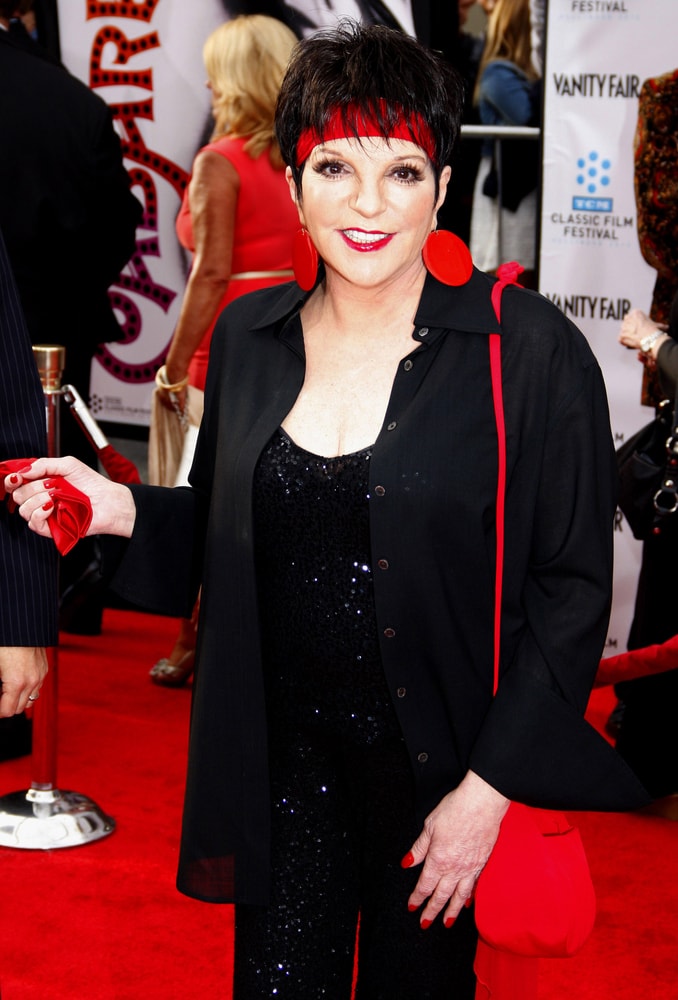
The role of Francine Evans in the film New York, New York was played by none other than Liza Minnelli. Daughter of the legendary Judy Garland and director Vincente Minnelli, Liza was already a formidable talent in her own right, an accomplished singer and actress who had achieved significant success, including an Academy Award for her role in Cabaret. It was in this capacity, as the leading lady and the performer tasked with bringing the film’s central themes to life, that Liza Minnelli first sang “New York, New York.”
Her performance in the film is a masterclass in vocal delivery and emotional expression. She imbues the song with a sense of longing, determination, and a deep, personal connection to the city. The initial recording, as featured in the film, is the true “original” rendition. Minnelli’s powerful vocals, set against the backdrop of Scorsese’s evocative direction, captured the song’s duality: the dazzling allure of New York and the sheer effort required to conquer it. Her version sets the stage, establishing the song’s powerful melody and poignant lyrics, a testament to her undeniable talent.
The song was written to be her character’s showstopper, a moment where Francine Evans declares her unwavering commitment to her art and her destiny in New York. The lyrics paint a vivid picture of the city as a place of endless possibilities, a stage upon which one can make a name for themselves. Lines like “A number one with me” and “I want to wake up in that city that never sleeps” became synonymous with the ambition that drives so many to the metropolis.
The Sinatra Effect: Cementing a Legend
While Liza Minnelli delivered the original performance, it was the legendary Frank Sinatra who truly elevated “New York, New York” into an enduring, universally recognized anthem. Sinatra, an icon of American popular music, had a deep and complex relationship with New York City. He had sung about the city before, but “New York, New York” provided him with a vehicle to express his profound connection to its spirit.
Sinatra recorded his definitive version of the song in 1979, three years after the release of Scorsese’s film. His rendition is characterized by a smoother, more mature vocal delivery, infused with a sense of experienced wisdom and a deep appreciation for the city that had shaped so much of his life and career. Sinatra’s version, often performed with a full orchestral arrangement, gave the song a grandeur and gravitas that resonated with audiences worldwide.
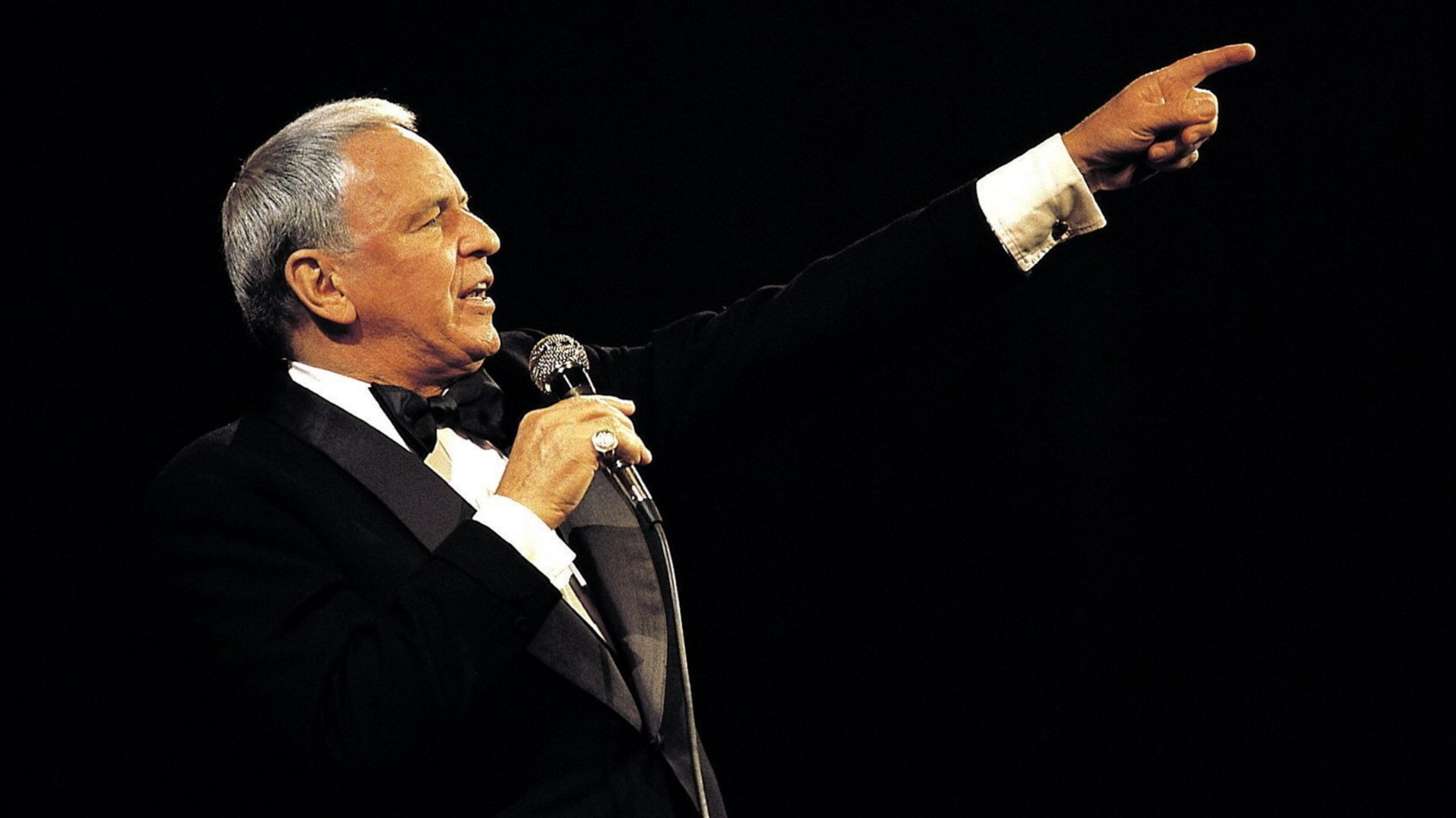
His recording became a staple of his concerts and a frequent broadcast during major events in New York, solidifying its status as an unofficial anthem. The iconic imagery of Sinatra performing the song, often with New York landmarks in the background, further cemented its association with the city. His powerful baritone gave the lyrics a sense of authority and timeless appeal, making “New York, New York” a song that people of all generations could connect with.
The influence of Sinatra’s version cannot be overstated. It’s his recording that most people hum when they hear the tune, and it’s his performance that is often recreated or parodied. While Minnelli sang it first, it was Sinatra who ensured its longevity and transformed it from a film’s theme song into a cultural touchstone. His interpretation captured the romantic ideal of New York as a city of dreams, a place where one could find fame, fortune, and a sense of belonging.
The Enduring Allure of “New York, New York”
The journey of “New York, New York” from its cinematic origins to its status as a global anthem is a testament to the power of music and the enduring mystique of its subject. The song’s success is a multifaceted phenomenon, rooted in the talent of its creators, the compelling performances of its singers, and the inherent draw of the city it celebrates.
A Song for Dreamers and Destinations
The song’s lyrics, crafted by Fred Ebb, speak directly to the aspirations of anyone who has ever felt the pull of a place larger than themselves. New York has always been a beacon for dreamers, a melting pot of cultures and ambitions, and the song perfectly encapsulates this spirit. It speaks of overcoming challenges, of striving for greatness, and of the unique satisfaction that comes from making one’s mark in such an extraordinary environment.
The song resonates because New York itself is a landmark destination. Its iconic skyline, its vibrant culture, and its endless array of attractions make it a place that people dream of visiting and living in. From the bustling streets of Times Square to the serene pathways of Central Park, the city offers a diverse range of experiences that appeal to every kind of traveler. The song acts as a perfect soundtrack to these adventures, enhancing the feeling of excitement and possibility that New York inspires.
Whether you’re planning a luxury escape to a five-star hotel in Midtown Manhattan or a budget-friendly exploration of Brooklyn’s vibrant neighborhoods, the spirit of “New York, New York” is ever-present. It’s a song that speaks to the grand ambition of setting out to conquer the world, or simply to find your own place within its magnificent chaos. The song’s themes of aspiration and achievement align perfectly with the travel experiences many seek in New York City, making it a constant companion for those exploring its wonders.
Beyond the Music: Exploring “New York, New York” as a Destination
The cultural impact of “New York, New York” extends far beyond the music charts and concert halls. It has become intrinsically linked with the very identity of New York City as a tourist destination. The song evokes a particular romantic vision of the city, one that continues to draw millions of visitors each year.
For those planning a trip, the song serves as a powerful reminder of the magic that awaits. It inspires exploration of the city’s famous landmarks, from the majestic skyscrapers of the Financial District to the artistic enclaves of Greenwich Village. The lyrics themselves can act as a guide, encouraging visitors to embrace the fast-paced energy and the unique character of New York.
When considering accommodation, the song’s spirit of aspiration can be mirrored in the choice of hotel. Perhaps a luxurious suite overlooking the city skyline, or a charming apartment in a historic neighborhood, each choice contributing to the overall New York experience. The song’s narrative of striving and achieving can be seen in the very act of planning and embarking on a journey to this iconic metropolis.
Ultimately, “New York, New York” is more than just a song; it’s an embodiment of a city that promises opportunity, excitement, and the chance to create one’s own legend. And while Liza Minnelli sang it first, Frank Sinatra helped make it immortal, ensuring that the spirit of New York would forever be carried on its powerful melody. The song continues to inspire travel, fuel dreams, and remind us of the unparalleled allure of the city that never sleeps.
LifeOutOfTheBox is a participant in the Amazon Services LLC Associates Program, an affiliate advertising program designed to provide a means for sites to earn advertising fees by advertising and linking to Amazon.com. Amazon, the Amazon logo, AmazonSupply, and the AmazonSupply logo are trademarks of Amazon.com, Inc. or its affiliates. As an Amazon Associate we earn affiliate commissions from qualifying purchases.