
The Plaza Hotel stands as an iconic beacon of luxury and history in the heart of New York City. For over a century, this magnificent landmark has graced the corner of Central Park South and Fifth Avenue, a testament to architectural grandeur and a symbol of the city’s enduring allure. It’s a place where countless stories have unfolded, from legendary parties and romantic rendezvous to pivotal business deals and the everyday dreams of discerning travelers. But beyond its opulent facade and storied past, a fundamental question often arises: who truly owns this esteemed establishment? The answer, as with many prominent global assets, is a tapestry woven with international investment, corporate maneuvering, and a commitment to preserving its legendary status.
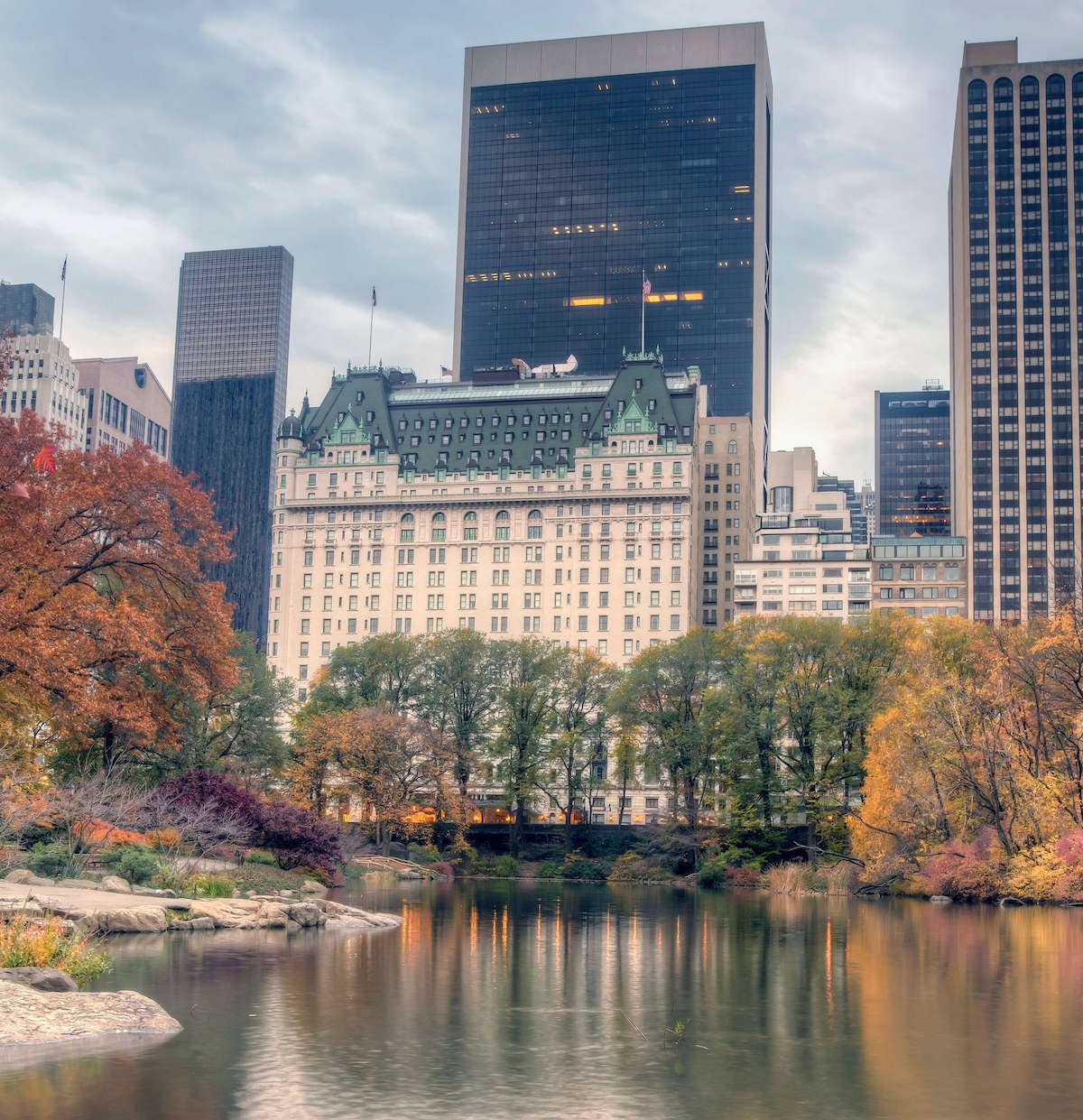
Understanding the ownership of a landmark like The Plaza requires delving into the complex world of real estate investment and global hospitality. It’s not a simple case of a single individual or entity holding the reins. Instead, ownership often shifts and evolves, reflecting the dynamic nature of the global market for high-profile assets. For those interested in the business behind luxury travel and the preservation of iconic destinations, unraveling the ownership of The Plaza offers a fascinating glimpse into the financial forces that shape our most beloved landmarks.
The Shifting Sands of Ownership: A Historical Perspective
The Plaza’s journey through ownership has mirrored the changing tides of economic power and real estate development. Since its grand opening in 1907, the hotel has been under the stewardship of various prominent entities, each leaving their indelible mark on its legacy. Initially conceived and developed by the Plaza Hotel Company, a consortium of wealthy Americans, its early years were defined by a commitment to unparalleled luxury and service, setting a new standard for hospitality in the United States.
Throughout the 20th century, the hotel saw a succession of owners, including the Hilton Hotels Corporation, which significantly modernized its operations while maintaining its classic charm. Later, a period of significant transformation saw it acquired by Donald Trump in the late 1980s. Under his ownership, The Plaza underwent extensive renovations aimed at restoring its former glory and enhancing its opulent appeal, further cementing its status as a symbol of extravagant living and a prime destination for the elite. This era brought renewed attention to the hotel’s grandeur and its role in popular culture, particularly through its appearances in films and media.
From Public Offerings to Private Equity: The Modern Era
In the 21st century, the ownership landscape of The Plaza has become even more complex, reflecting global investment trends. In 2004, the Fairmont Hotels and Resorts group, which then managed the hotel, sold it to a joint venture led by the El-Ad Group, an Israeli development company. This acquisition marked a significant shift, ushering in a new phase of redevelopment and repositioning the hotel as a mixed-use property. Under El-Ad Group’s vision, The Plaza underwent a massive renovation that transformed a significant portion of its hotel rooms into luxury condominiums, a move that generated considerable discussion about the balance between historic preservation and private residential use.
This period of transformation was instrumental in redefining The Plaza’s identity for a new generation. While retaining its iconic hotel services and public spaces, the introduction of private residences aimed to leverage the prestige of the address and the unparalleled quality of the development. The residences themselves became highly sought-after, offering a unique opportunity to live within a historic landmark and enjoy all the amenities and services associated with a world-class hotel. This strategic move underscored the evolving nature of luxury real estate, where iconic structures are often reimagined to cater to a wider spectrum of high-net-worth individuals.
The ownership subsequently transitioned again. In 2018, the Katara Hospitality group, a Qatari state-owned hospitality company, acquired the hotel from El-Ad Group. This acquisition signaled a continued global interest in acquiring and managing premier hospitality assets. Katara Hospitality is known for its portfolio of prestigious hotels and resorts worldwide, and their investment in The Plaza further underscored its position as a globally recognized and valuable asset. Their stewardship has been focused on maintaining and enhancing the hotel’s legendary status, ensuring that it continues to offer an unparalleled luxury experience for its guests.

This recent ownership by Katara Hospitality highlights the ongoing appeal of historic luxury hotels to sovereign wealth funds and international investment groups. These entities often possess the financial resources and long-term vision necessary to invest in the extensive upkeep and continuous enhancement required for such iconic properties. Their involvement ensures that The Plaza remains at the forefront of luxury hospitality, adapting to contemporary trends while respecting its rich heritage. The ownership by Katara Hospitality underscores a commitment to preserving the hotel’s legacy as a premier destination in New York City and a global icon of elegance.
The Plaza’s Enduring Appeal: A Multifaceted Icon
The question of who owns The Plaza is intrinsically linked to why it remains such a coveted asset. Its ownership history is not just a series of transactions; it’s a narrative of how different stewards have recognized and sought to capitalize on its inherent value. This value stems from its unparalleled location, its architectural significance, and its deep-rooted place in popular culture.
The hotel’s prime location at the intersection of Fifth Avenue and Central Park South places it at the very epicenter of New York City’s most vibrant and exclusive districts. Adjacent to the sprawling green expanse of Central Park, it offers guests breathtaking views and immediate access to one of the world’s most famous urban parks. This strategic positioning makes it a magnet for tourists seeking the quintessential New York experience, as well as for the city’s elite who frequent the high-end boutiques and cultural institutions nearby.
Architectural Grandeur and Cultural Resonance
Architecturally, The Plaza is a masterpiece of Beaux-Arts design, its distinctive Château-style silhouette and opulent interiors evoking an era of Gilded Age splendor. Designed by architects Henry J. Hardenbergh and Warren and Wetmore (who also designed Grand Central Terminal), its intricate stonework, grand ballrooms, and iconic Pulitzer Fountain have made it a beloved landmark and a symbol of New York itself. This architectural significance contributes immensely to its allure, attracting visitors who are drawn to its historical beauty and classic elegance.
Beyond its physical attributes, The Plaza’s cultural resonance is profound. It has served as the backdrop for countless films, novels, and iconic moments in history, imbuing it with a sense of timeless romance and exclusivity. From the infamous “Eloise” books to its appearance in films like “Home Alone 2: Lost in New York” and “The Great Gatsby,” The Plaza has become interwoven with the cultural fabric of New York City and popular imagination. This deep cultural connection makes it more than just a hotel; it’s a destination in its own right, a place where visitors can step into a piece of cinematic and literary history. The aspiration to own or to stay in such an iconic place fuels its continued demand, ensuring its place in the luxury travel market for generations to come.

Preserving a Legacy: The Future of The Plaza
The ongoing investment and stewardship by entities like Katara Hospitality underscore a commitment to not only operating a luxury hotel but also to preserving a vital piece of New York City’s heritage. The challenge for any owner of The Plaza is to balance the demands of modern luxury travel with the imperative of maintaining its historic integrity and iconic character. This involves continuous investment in its infrastructure, its amenities, and its service standards to ensure it remains competitive in the fast-paced world of global hospitality.
The future of The Plaza is likely to see it continue its evolution as a premier luxury destination. This includes maintaining its world-class hotel accommodations, its renowned dining establishments, and its elegant event spaces, all while potentially exploring innovative ways to enhance the guest experience. The integration of residential units has proven to be a successful model for capitalizing on the property’s prestige, and it’s probable that future ownership will continue to leverage this mixed-use approach. As a landmark that has stood the test of time, The Plaza’s enduring appeal is a testament to its exceptional location, its timeless architecture, and its indelible mark on culture. Its ownership, though complex and international, is ultimately driven by a shared understanding of its irreplaceable value as one of the world’s most celebrated hotels.
LifeOutOfTheBox is a participant in the Amazon Services LLC Associates Program, an affiliate advertising program designed to provide a means for sites to earn advertising fees by advertising and linking to Amazon.com. Amazon, the Amazon logo, AmazonSupply, and the AmazonSupply logo are trademarks of Amazon.com, Inc. or its affiliates. As an Amazon Associate we earn affiliate commissions from qualifying purchases.