
The debate over steak nomenclature is as old as, well, grilling itself. Among the pantheon of prized cuts, the New York Strip stands tall, a favorite for its balanced marbling, tender texture, and robust flavor. But have you ever paused, fork in hand, to wonder about the origins of its illustrious name? Why “New York Strip”? This isn’t a question rooted in culinary complexity, but rather in a rich tapestry of history, geography, and perhaps a touch of entrepreneurial spirit that echoes the very essence of the bustling metropolis it’s named after.
The answer, as with many things associated with New York City, is not a single, definitive tale, but rather a confluence of narratives that have cemented its identity. It’s a name that evokes images of dimly lit steakhouses, clinking glasses, and the vibrant energy of a city that never sleeps. To truly understand why this particular cut of beef carries the moniker “New York Strip,” we must journey back in time and explore the historical landscape of steakhouse culture and the evolving appreciation for fine cuts of meat.
The Rise of the American Steakhouse
The late 19th and early 20th centuries were a golden age for American steakhouses. As the nation grew and its cities flourished, so too did a culture that celebrated indulgence and the finest culinary offerings. New York City, as a burgeoning financial and cultural hub, was at the forefront of this movement. Its restaurants were not just places to eat; they were destinations, offering an experience as much as a meal.
It was within these establishments that specific cuts of beef began to gain distinct identities. While the Porterhouse and T-bone, with their accompanying tenderloin, were already well-established, other, more streamlined cuts started to carve out their own niches. The area known today as the “strip loin” was becoming increasingly recognized for its consistent quality and excellent flavor profile.
From Delmonico’s to the Diners: Tracing the Name’s Roots
Several theories attempt to pinpoint the exact moment the “New York Strip” was christened. One of the most persistent and widely cited origins points to the legendary Delmonico’s Restaurant in New York City. This iconic establishment, a pioneer in fine dining in America, opened its doors in the 1830s and quickly became a culinary landmark.
It is believed that Delmonico’s, in its pursuit of offering the finest steaks to its discerning clientele, began serving a particular cut from the short loin that was distinct from the bone-in Porterhouse. This cut, leaner than the ribeye but more flavorful and tender than a sirloin, was a revelation. To distinguish it, and likely in recognition of its premier location and the restaurant’s prestige, it was associated with the city itself. The name “New York Strip” likely emerged organically from this association, becoming a shorthand for the high-quality, boneless steak served at establishments like Delmonico’s.
However, the narrative doesn’t stop solely with Delmonico’s. The city’s many other prominent steakhouses and grills, each vying for culinary supremacy, also played a role in popularizing this cut. As customers experienced and enjoyed this exceptional steak, they began to ask for it by name, and the name “New York Strip” stuck. It was a moniker that spoke of sophistication, a taste of the city’s upscale dining scene, and a promise of a superior steak experience.
The Anatomy of a Strip Steak
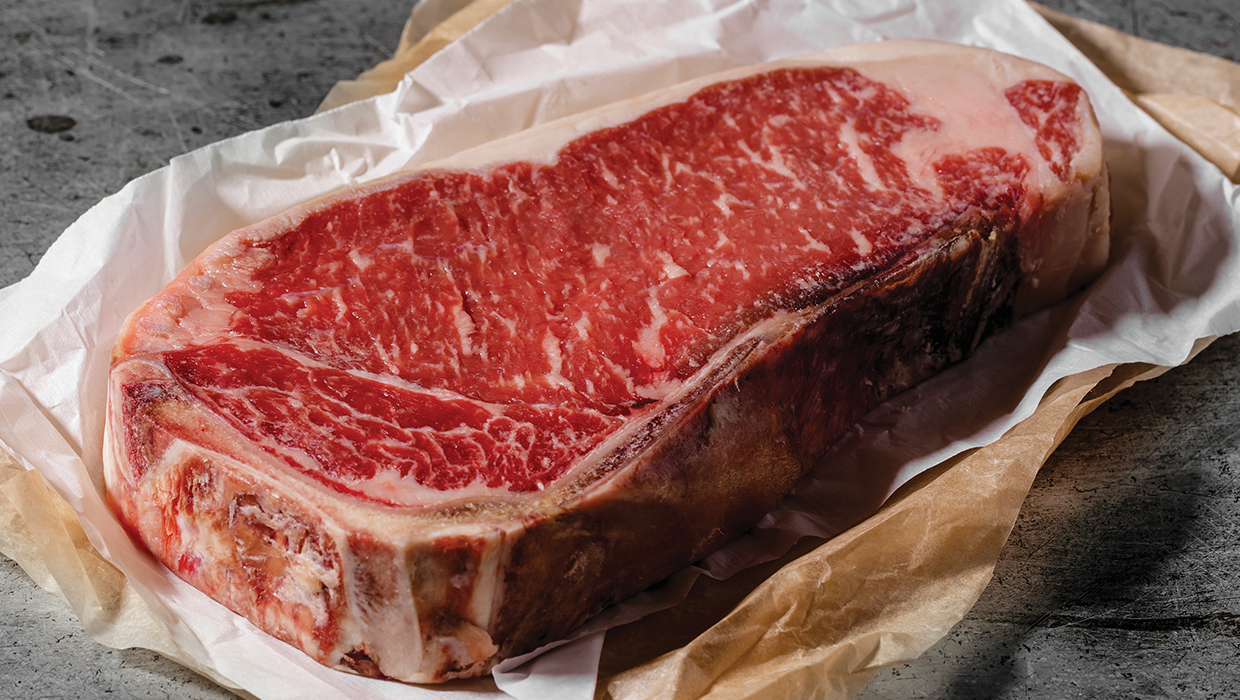
Before delving further into the name’s implications, it’s crucial to understand what a New York Strip actually is from a butcher’s perspective. This steak is cut from the short loin of the cow, a prized section that yields tender and flavorful cuts. Specifically, it comes from the rear portion of the short loin, just before it transitions into the sirloin.

The strip steak is essentially the larger muscle of the T-bone and Porterhouse steaks, separated from the bone and the tenderloin. This separation is key to its unique characteristics. It’s a well-marbled cut, meaning it has streaks of intramuscular fat that render during cooking, basting the meat from within and contributing to its succulence and rich flavor. Unlike cuts from the rib, which can sometimes be overwhelmingly fatty, or the sirloin, which can be a bit tougher, the strip steak offers a superb balance.
Its shape is typically rectangular, with a relatively uniform thickness. The absence of a bone makes it easier to cook evenly and to handle, which contributed to its popularity in restaurants aiming for consistency and efficiency. The muscle itself is firm, lending a satisfying chew without being tough. This combination of factors—flavor, tenderness, marbling, and boneless convenience—made it a standout, deserving of a name that conveyed its excellence.
Beyond the Restaurant Walls: The Strip Steak’s Journey
The appellation “New York Strip” didn’t remain confined to the exclusive dining rooms of New York City. As America’s culinary landscape evolved and its population became more mobile, the popularity of certain dishes and cuts of meat transcended regional boundaries. The allure of a “New York” experience, whether in dining or fashion, was powerful.
When diners from other parts of the country visited New York and savored this particular steak, they would return home and request it at their local butcher shops or restaurants. The name, already established and carrying a certain cachet, traveled with these diners. It became a symbol of a sophisticated steak, a cut that promised quality and a taste of the metropolitan elite.
Furthermore, as the restaurant industry expanded and franchised, the standardized naming conventions for cuts of meat became more important. The “New York Strip” provided a clear and recognizable descriptor that could be adopted by eateries across the nation, ensuring that customers knew precisely what they were ordering, regardless of their location. This widespread adoption solidified its place in the lexicon of American cuisine.

Variations and Regional Monikers
While “New York Strip” is the most common and widely recognized name, this versatile cut is known by other designations in different regions and by different butchers. Understanding these variations can offer further insight into the steak’s journey and its widespread appeal.
In Kansas City, for instance, the same cut is often referred to as a Kansas City Strip. Similarly, in other parts of the United States, you might encounter it as a strip steak, a strip loin, a boneless strip, or even a top loin steak. Some butchers might refer to it based on its origin within the primal cut, such as an empie steak or a hotel cut.
The name “strip” itself likely refers to the long, uniform shape of the muscle. The addition of “New York” served as a powerful differentiator. It wasn’t just any strip steak; it was the New York strip steak, implying a superior quality and a connection to the sophisticated dining scene of one of America’s most iconic cities. This deliberate naming strategy, whether initiated by a single visionary restaurateur or evolving through collective culinary consensus, effectively elevated the cut and imbued it with a sense of prestige.
In some contexts, the “New York Strip” is also contrasted with the “Shell Steak”. Historically, “shell steak” was a term used by butchers to describe the strip steak, emphasizing its boneless nature and the way it was cut from the loin. While “shell steak” is less common today, its usage further illustrates the evolution of steak nomenclature and how specific cuts were identified and marketed.
The endurance of the name “New York Strip” speaks volumes about its historical context and the power of branding in the culinary world. It’s more than just a label; it’s a testament to the era when New York City was solidifying its reputation as a global culinary capital, and its steakhouses were setting the standard for quality and innovation. The next time you enjoy this delicious cut, you’ll know that its name carries a rich history, a story woven into the fabric of American gastronomy and the enduring allure of the city that gave it its famous moniker. It’s a name that promises a classic, satisfying steak experience, a taste of tradition, and a nod to the vibrant culinary heritage of New York.
LifeOutOfTheBox is a participant in the Amazon Services LLC Associates Program, an affiliate advertising program designed to provide a means for sites to earn advertising fees by advertising and linking to Amazon.com. Amazon, the Amazon logo, AmazonSupply, and the AmazonSupply logo are trademarks of Amazon.com, Inc. or its affiliates. As an Amazon Associate we earn affiliate commissions from qualifying purchases.