
The shimmering skyline of Miami, with its sun-drenched beaches and vibrant cultural tapestry, stands as an irresistible beacon for travelers worldwide. Yet, as the seasons shift, so too do the concerns that can cast a shadow over even the most meticulously planned travel itineraries. The emergence of a powerful storm system like Hurricane Milton inevitably triggers a cascade of questions for anyone eyeing a getaway to this dynamic Florida metropolis. Is my accommodation safe? Will my flight be canceled? Should I reconsider my trip altogether?
For many, Miami represents the epitome of a dream vacation, offering everything from luxurious resorts and world-class dining to unique cultural experiences and breathtaking natural landmarks. The potential threat of a hurricane, however, injects an undeniable element of uncertainty into this idyllic picture. This article aims to address those anxieties head-on, providing comprehensive guidance for travelers caught in the crosshairs of a developing weather situation. We’ll delve into understanding storm tracking, the direct impacts on tourism and travel, and offer practical strategies for preparedness, ensuring that your journey, whether it proceeds as planned or requires adjustment, remains as smooth and safe as possible.
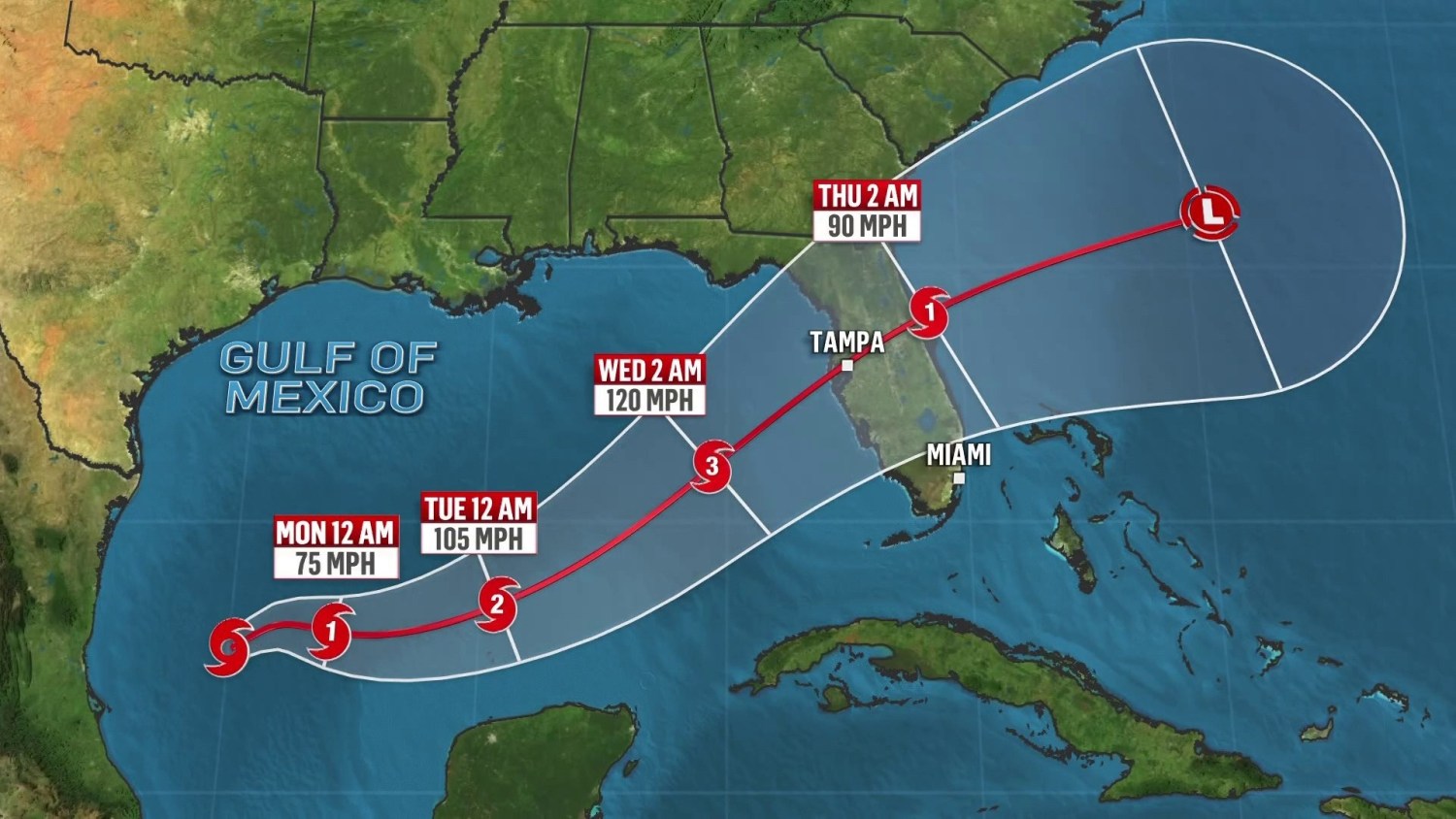
Navigating the Storm: Understanding Hurricane Milton’s Threat
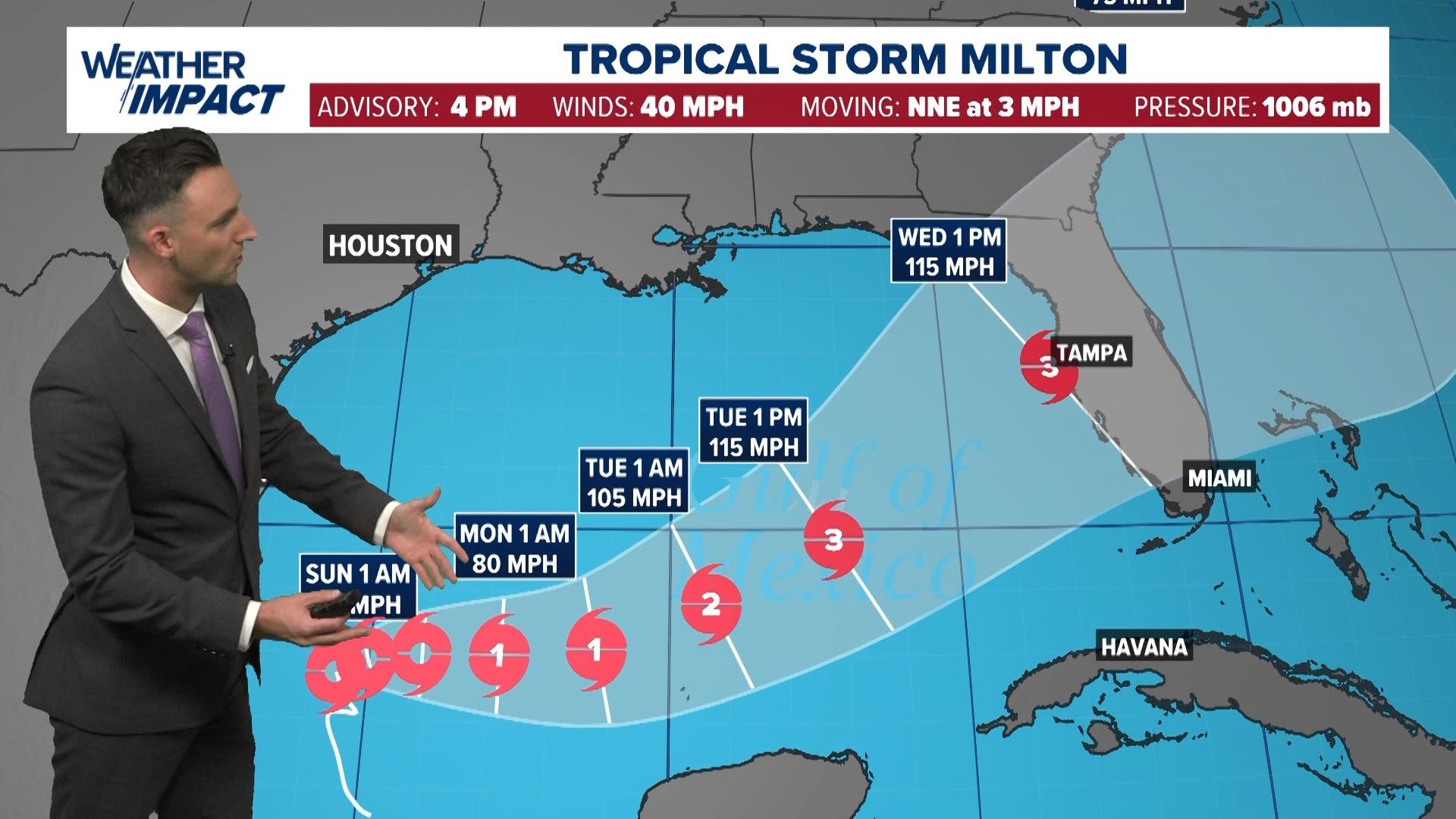
The prospect of a hurricane making landfall is a serious matter, and for travelers, it demands vigilant attention and informed decision-making. Hurricane Milton’s trajectory, intensity, and potential impact zones are dynamic factors that require constant monitoring. Understanding how these powerful weather systems are tracked and what their presence means for your travel plans is the first crucial step in preparedness.
The Latest Forecasts and Your Safety
When a hurricane like Hurricane Milton is active, the most reliable source for up-to-the-minute information is the National Hurricane Center (NHC), a division of NOAA. Their forecasts, advisories, and cone of uncertainty maps are indispensable tools for travelers and residents alike. It’s imperative to bookmark their website and regularly check for updates regarding the storm’s projected path, wind speeds, and potential rainfall. Local weather stations and emergency management agencies, such as those for Miami-Dade County, also provide critical localized information, including evacuation orders, shelter locations, and public safety announcements.
Safety should always be the paramount concern. If Hurricane Milton is projected to directly impact South Florida, official warnings will escalate, moving from Watches (conditions are possible) to Warnings (conditions are expected within a specified timeframe). During a Hurricane Watch, travelers should finalize their plans, whether that involves preparing for shelter-in-place or enacting evacuation strategies. A Hurricane Warning necessitates immediate action, adhering strictly to official directives. Your hotel or accommodation provider will likely have their own emergency protocols in place, which they will communicate to guests. These often include securing outdoor furniture, ensuring emergency power readiness, and directing guests to safe areas within the property. Familiarizing yourself with these procedures upon check-in, even in fair weather, is a smart travel practice.

How Hurricanes Impact Travel Plans
The ripple effect of a major hurricane extends far beyond its immediate impact zone, significantly disrupting global travel networks. Flights to and from affected regions are frequently canceled or delayed, and major transportation hubs like Miami International Airport (MIA) and Fort Lauderdale-Hollywood International Airport (FLL) may temporarily cease operations. Airlines often issue travel waivers, allowing passengers to rebook flights without penalty, but these are typically offered only when a direct threat is imminent. It’s crucial to check your airline’s website directly for their specific policies concerning Hurricane Milton.
Cruise ship itineraries are particularly susceptible to hurricane activity. Ports, such as PortMiami and Port Everglades, may close, leading to diversions, early returns, or outright cancellations of voyages to the Caribbean and other destinations. Passengers booked on cruises during hurricane season should closely monitor updates from their cruise line and understand their cancellation and rebooking policies.
Road travel can also be severely affected, with potential flooding, downed trees, and power outages making driving hazardous. If an evacuation is ordered, major highways leading out of Florida can become gridlocked, highlighting the importance of early departure if evacuation becomes necessary. For those traveling by car, ensure your vehicle is fueled, and have an emergency kit prepared. The uncertainty introduced by a hurricane underscores the vital role of comprehensive travel insurance, which we will discuss in more detail later. This safety net can cover non-refundable expenses for flights, hotels, and tours if your trip is canceled or interrupted due to a named storm.
Miami’s Allure: Why Travelers Flock to the Magic City
Despite the occasional challenges posed by nature, Miami remains one of the world’s most sought-after destinations. Its unique blend of urban sophistication, tropical beauty, and cultural richness creates an unparalleled experience for every type of traveler. Understanding what makes Miami so captivating helps us appreciate why so many are eager to return, even after a potential storm.
Iconic Landmarks and Vibrant Culture
Miami is a city of distinct neighborhoods, each offering its own flavor and set of attractions. The world-famous South Beach is synonymous with glamour, art deco architecture, and a lively beach scene. Strolling along Ocean Drive through the Art Deco Historic District is like stepping back in time, where pastel-hued buildings evoke a bygone era of elegance. Beyond the beaches, Wynwood Walls transforms an industrial area into an open-air art museum, showcasing vibrant murals and street art from around the globe, making it a hub for contemporary lifestyle and creativity.
For a taste of history and grandeur, the European-inspired Vizcaya Museum & Gardens offers stunning architecture and meticulously curated gardens overlooking Biscayne Bay. Immerse yourself in the heart of Cuban culture in Little Havana, where the aroma of Cuban coffee fills the air, and salsa rhythms spill onto Calle Ocho. Here, you can watch cigar rollers at work, enjoy authentic Cuban cuisine, and experience the lively atmosphere of domino games in Máximo Gómez Park.
Beyond the urban core, Miami is a gateway to incredible natural wonders. Everglades National Park, a UNESCO World Heritage Site, is a vast wetland ecosystem teeming with unique wildlife, including alligators, panthers, and diverse bird species. Airboat tours offer an exhilarating way to explore this natural treasure. Similarly, Biscayne National Park protects a significant portion of the bay and its coral reefs, perfect for snorkeling, diving, and kayaking. These natural landmarks underscore Miami’s appeal as a diverse destination, blending urban excitement with serene natural beauty. From the bustling streets of Brickell to the tranquil charm of Coral Gables, Miami offers a rich tapestry of experiences for every lifestyle.
Diverse Accommodation Options for Every Lifestyle
Miami caters to every conceivable travel lifestyle and budget, offering a vast array of accommodation options. For those seeking ultimate luxury and pampering, world-renowned resorts dot the coastline of Miami Beach. Iconic properties like the Fontainebleau Miami Beach, with its legendary pools and nightlife, the art-infused Faena Hotel Miami Beach, the chic W South Beach, or the serene elegance of The Setai Miami Beach offer unparalleled amenities, including suites, spas, and gourmet dining. These hotels often have robust hurricane preparedness plans, providing a sense of security during uncertain times.
Beyond the grand resorts, Miami boasts a wide selection of boutique hotels that capture the city’s unique charm. Areas like South Beach, Coconut Grove, and Coral Gables are home to beautifully designed properties, offering a more intimate and personalized experience. The historic The Biltmore Hotel in Coral Gables stands as a testament to classic elegance, featuring stunning architecture and a championship golf course.
For families, groups, or those planning a long-term stay, vacation rentals in the form of apartments and villas through platforms like Airbnb and Vrbo offer flexibility and amenities like full kitchens and multiple bedrooms. These can be particularly cost-effective for larger parties or extended visits. Budget-conscious travelers also have plenty of choices, from well-known chains offering comfortable rooms to hostels catering to backpackers. When booking accommodation, especially during hurricane season, it’s advisable to check the cancellation policy carefully and consider options that offer flexibility. Websites like Expedia, Booking.com, and TripAdvisor allow for easy comparison and access to guest reviews, which can provide insights into a property’s resilience and guest services during unforeseen events.
Preparing for the Unpredictable: Essential Travel & Accommodation Strategies
The key to mitigating stress and ensuring safety during hurricane season lies in proactive preparation. Whether Hurricane Milton poses a direct threat or simply highlights the risks of seasonal travel, having a solid plan can make all the difference for your Miami getaway.
Before You Go: Pre-Trip Preparations and Insurance
Even before a storm forms, it’s wise to plan for potential disruptions. If you’re traveling during hurricane season (June 1st to November 30th), purchasing comprehensive travel insurance is highly recommended. Look for policies that specifically cover named storms, trip cancellation/interruption, medical emergencies, and evacuation. Carefully read the fine print to understand what is covered and what conditions apply, as some policies have “buy by” dates relative to a storm’s naming. Many credit cards also offer some form of travel protection, so it’s worth checking your card’s benefits.
Monitor weather forecasts diligently in the days and weeks leading up to your trip. If a hurricane threat emerges, proactively contact your airline, hotel, and any tour operators to inquire about their cancellation policies and any waivers they might be offering. Have a contingency plan: research alternative dates or even alternative destinations if rescheduling becomes necessary. It’s also prudent to pack an emergency kit with essentials like medications, important documents (passport, insurance details), a portable charger for your phone, cash, and a basic first-aid supply, regardless of the forecast. Ensure all your bookings are accessible digitally and physically.
During the Storm: Hotel Safety and Local Resources
If you find yourself in Miami when Hurricane Milton threatens, prioritize official communications. Follow instructions from local authorities like Miami-Dade County emergency management and your hotel staff. Hotels and resorts in Florida are generally well-prepared for hurricanes, with designated safe areas, emergency power generators, and supplies. Familiarize yourself with the property’s evacuation routes and shelter locations.
Stay indoors, away from windows, and avoid unnecessary travel. Tune into local news or weather radio for updates. If power outages occur, remain calm; your hotel should have procedures in place to manage the situation and provide essential services. Keep your phone charged when possible and use it sparingly. The Federal Emergency Management Agency (FEMA) website offers valuable resources for hurricane preparedness and safety guidelines. Remember that local emergency services will be overwhelmed, so only call 911 for life-threatening emergencies. Communication with family and friends outside the affected area is vital; inform them of your safety when possible.
Post-Storm Travel: Rebuilding and Responsible Tourism
After a hurricane passes, the immediate aftermath can still present challenges. Roads may be impassable, power could be out, and services might be limited. If you delayed your trip or had to evacuate, be patient when attempting to return. Airports and ports will resume operations once deemed safe, but there may be significant backlogs and delays. Check with your airline or cruise line directly before heading to the terminal.
For those who weathered the storm in Miami, exercising patience and understanding is crucial. Local businesses and attractions will need time to assess damage and reopen. When they do, consider supporting them through responsible tourism. Patronize local restaurants, shop at local stores, and book tours with local operators. Your spending directly contributes to the community’s recovery efforts. Avoid venturing into areas that are still recovering or have been deemed unsafe by authorities. Organizations like the Greater Miami Convention & Visitors Bureau will provide updated information on what’s open and accessible. In the long term, Miami has proven its resilience time and again, rebuilding and re-emerging as a vibrant and welcoming destination.
Beyond the Horizon: Making Informed Decisions for Your Miami Getaway
The question of “Will Hurricane Milton hit Miami?” is rarely answered with a simple yes or no until the very last minute. The unpredictable nature of hurricanes demands flexibility and a proactive approach from travelers. Ultimately, the decision to proceed with, delay, or cancel a trip rests on individual comfort levels, the latest official advisories, and the specifics of your travel insurance.
Prioritizing safety should always be the guiding principle. If official advisories suggest a high probability of severe impact, rescheduling your trip is the most responsible course of action, even if it means altering carefully laid plans for South Beach or a Key West excursion from the Florida Keys. Miami will always be there, ready to welcome you with its vibrant energy and warm hospitality once the skies have cleared and the city has recovered.
Conclusion
The potential threat of Hurricane Milton to Miami serves as a potent reminder of nature’s power and the importance of preparedness in travel. By staying informed, leveraging robust travel insurance, and understanding the resources available, travelers can navigate the uncertainties of hurricane season with confidence and peace of mind. While the allure of Miami remains strong, responsible tourism means making decisions that prioritize safety, resilience, and respect for the local community’s recovery efforts.
LifeOutOfTheBox is a participant in the Amazon Services LLC Associates Program, an affiliate advertising program designed to provide a means for sites to earn advertising fees by advertising and linking to Amazon.com. Amazon, the Amazon logo, AmazonSupply, and the AmazonSupply logo are trademarks of Amazon.com, Inc. or its affiliates. As an Amazon Associate we earn affiliate commissions from qualifying purchases.