
The Oklahoma City bombing remains one of the most devastating acts of domestic terrorism in United States history. On April 19, 1995, a powerful bomb detonated outside the Alfred P. Murrah Federal Building in downtown Oklahoma City, causing widespread destruction and claiming the lives of 168 people, including 19 children. This tragedy shocked the nation and prompted a deep examination of the motives behind such an act of violence, as well as the subsequent investigation and legal proceedings. While documentaries and news reports have covered the event extensively, understanding “how it really happened” requires delving into the specific details of the bombing itself, the individuals involved, and the far-reaching consequences. This article aims to provide a comprehensive overview, drawing upon information often found in various historical accounts and journalistic endeavors, exploring the meticulous planning, execution, and aftermath of this horrific event.

The Cataclysmic Event: Anatomy of the Bombing
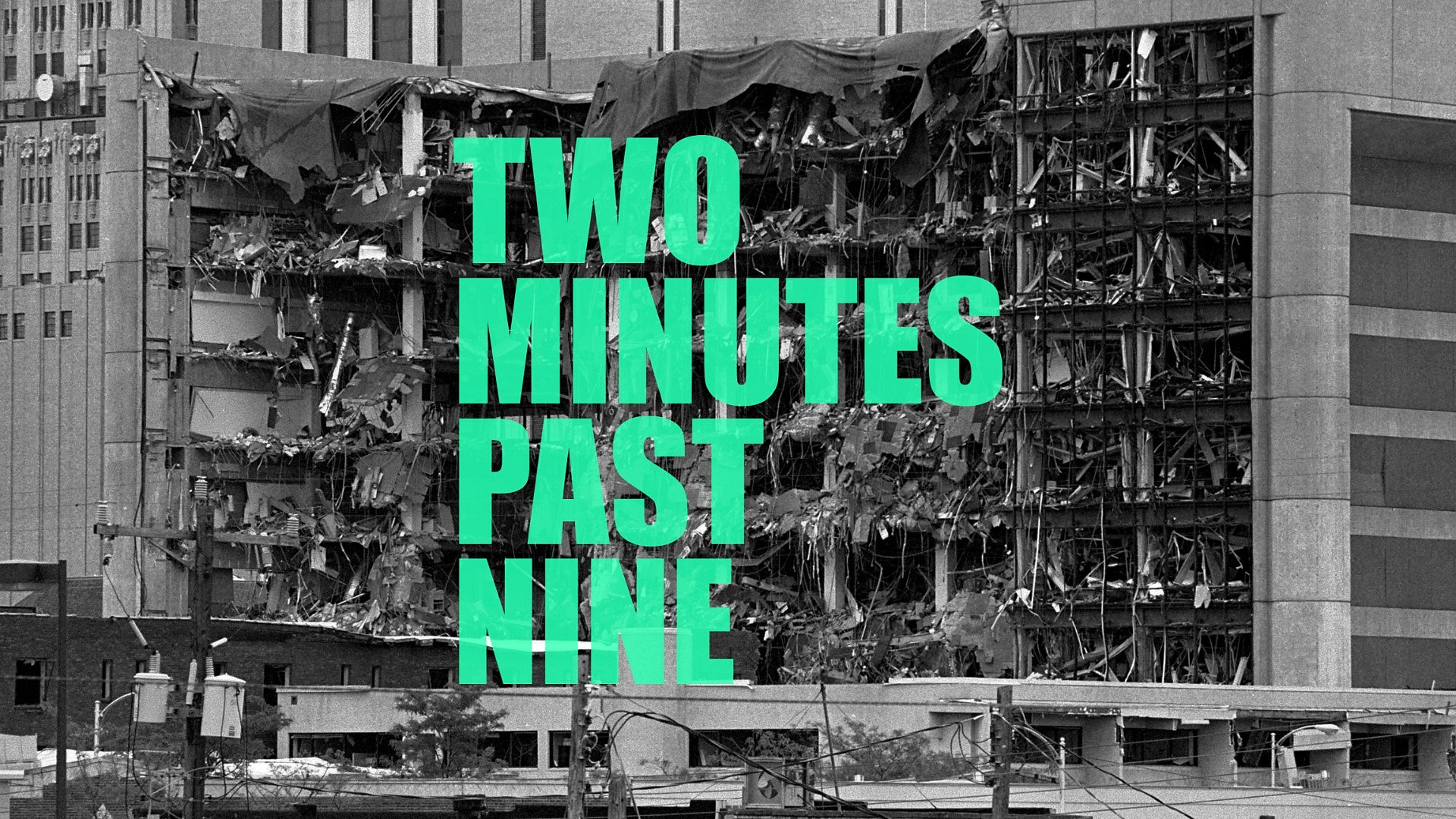
The morning of April 19, 1995, began like any other for the federal employees and visitors at the Alfred P. Murrah Federal Building. The building, a prominent landmark in Oklahoma City, housed numerous government offices, including the Drug Enforcement Administration (DEA) and the U.S. Secret Service. At precisely 9:02 AM Central Time, a Ryder rental truck, packed with an estimated 5,000 pounds of explosives, exploded in front of the building’s north face. The blast was immense, creating a crater 30 feet wide and 8 feet deep, and leveling the entire structure. The force of the explosion was felt for miles, shattering windows in buildings as far as 3 miles away.
The sheer scale of the destruction was almost incomprehensible. The concussive force ripped through the building, causing its west side to collapse inward. Floors pancaked, trapping victims in the debris. The explosion also damaged or destroyed dozens of surrounding buildings, turning a bustling city center into a scene of unimaginable devastation. Rescuers, including local firefighters, police officers, and ordinary citizens, rushed to the scene, working tirelessly amidst the smoke and rubble to search for survivors. The iconic image of a firefighter carrying a baby from the wreckage became a potent symbol of the tragedy and the resilience of the human spirit.
The immediate aftermath was characterized by chaos and confusion. Emergency services were overwhelmed, and the sheer number of casualties necessitated a massive coordinated response. Hospitals in Oklahoma City and surrounding areas prepared for an influx of injured individuals, many suffering from severe burns, crush injuries, and shrapnel wounds. The emotional toll on the community was profound, with many struggling to comprehend the senseless loss of life. The investigation into the cause of the explosion began immediately, with authorities quickly suspecting a deliberate act of terrorism rather than an accident.
The Unraveling Conspiracy: Identifying the Perpetrators
The investigation into the Oklahoma City bombing was one of the largest and most complex in the history of the Federal Bureau of Investigation (FBI). Initial theories ranged from international terrorist groups to disgruntled individuals. However, evidence quickly began to point towards a homegrown threat. Within days of the bombing, investigators identified Timothy McVeigh, a former U.S. Army soldier, as a key suspect. McVeigh had a known anti-government and anti-law enforcement ideology, fueled by his anger over the Waco siege and the Ruby Ridge incident.
McVeigh’s accomplice, Terry Nichols, was arrested shortly after, and evidence soon emerged linking both men to the purchase of chemicals used to create the bomb, as well as the rental of the Ryder truck. Their motive, as revealed through subsequent investigations and trials, stemmed from a desire to avenge perceived government overreach and oppression. They believed that by targeting the federal building, they could strike a blow against the U.S. government and inspire others to join their cause.
Further investigation revealed the meticulous planning that went into the attack. McVeigh and Nichols had scouted the Alfred P. Murrah Federal Building on multiple occasions, determining the best time and location to maximize the impact of the bomb. They also enlisted the help of other individuals, most notably Michael Fortier, who provided logistical support and acted as a lookout. The conspiracy, though ultimately centered on McVeigh and Nichols, involved a network of individuals who shared their extremist views and facilitated their violent agenda. The investigation also uncovered the role of Andreas Strassmeir, a German neo-Nazi with ties to extremist groups, who may have provided training and ideological inspiration to McVeigh. However, Strassmeir’s direct involvement remained a subject of debate and legal contention.
The Path to Justice: Trials and Sentencing
The legal proceedings following the Oklahoma City bombing were extensive and protracted, involving separate trials for Timothy McVeigh and Terry Nichols. Timothy McVeigh was found guilty on all 11 federal charges, including murder and conspiracy, and was sentenced to death. His trial, which took place in Denver, Colorado, to ensure a fair jury pool away from the intense local impact, captivated the nation. The prosecution presented overwhelming evidence of his involvement, including eyewitness testimony, forensic evidence, and his own admissions. McVeigh was executed by lethal injection on June 11, 2001.
Terry Nichols was tried for his role in the bombing. While he was acquitted of the murder charges, he was convicted of conspiracy to use a weapon of mass destruction and involuntary manslaughter. He was sentenced to life in prison without parole. The legal battles continued for years, with appeals and motions filed by both McVeigh and Nichols. The trials highlighted the complexities of prosecuting domestic terrorism and the challenges in establishing culpability in such intricate conspiracies. The families of the victims played a crucial role throughout the legal process, seeking justice for their loved ones and ensuring that the perpetrators were held accountable. The sentencing of McVeigh and Nichols brought a degree of closure to many, though the pain and loss inflicted by the bombing continued to resonate.

The Enduring Legacy: Remembrance and Reflection
The Oklahoma City bombing left an indelible mark on the United States, not only as a symbol of domestic terrorism but also as a testament to the resilience of the human spirit. The immediate aftermath saw an outpouring of national grief and solidarity. Memorials were established, including the Oklahoma City National Memorial & Museum, which stands on the site of the former federal building. This poignant memorial serves as a place of remembrance, honoring the victims and educating future generations about the tragedy. The museum chronicles the events leading up to, during, and after the bombing, offering a comprehensive and moving account of the human cost of such violence.
Beyond the physical memorials, the bombing prompted significant changes in national security policies and counter-terrorism efforts. It underscored the threat posed by homegrown extremists and the need for enhanced intelligence gathering and inter-agency cooperation. The event also fueled discussions about gun control, the proliferation of explosives, and the impact of extremist ideologies on radicalization. The Oklahoma City bombing served as a stark reminder that terrorism could originate from within, challenging perceptions and forcing a re-evaluation of security measures.
The story of “how it really happened” is not just about the explosion itself, but about the intricate web of planning, the devastating impact, the relentless pursuit of justice, and the enduring legacy of remembrance and reflection. It’s a story that continues to be told and studied, a solemn reminder of the fragility of peace and the importance of vigilance against hatred and violence. The lessons learned from this dark chapter in American history continue to shape our understanding of security, justice, and the profound responsibility we all share in building a safer and more compassionate society. The Alfred P. Murrah Federal Building bombing is a stark reminder of the consequences of extremism, and its memory serves as a perpetual call to action for peace and understanding.
LifeOutOfTheBox is a participant in the Amazon Services LLC Associates Program, an affiliate advertising program designed to provide a means for sites to earn advertising fees by advertising and linking to Amazon.com. Amazon, the Amazon logo, AmazonSupply, and the AmazonSupply logo are trademarks of Amazon.com, Inc. or its affiliates. As an Amazon Associate we earn affiliate commissions from qualifying purchases.