
The verdant landscapes of the Pacific Northwest are home to a fascinating array of flora, and among them, the Oregon grape stands out. Often seen adorning the forest floors and even urban gardens, these shrubs with their distinctive blue-black berries and holly-like leaves pique the curiosity of many. This naturally leads to a fundamental question for anyone encountering them, whether on a hike through Oregon’s scenic trails or exploring a local farmers market: “Are Oregon Grapes Edible?” The answer, as with many wild edibles, is not a simple yes or no, but rather a nuanced exploration of species, preparation, and tradition.

The term “Oregon grape” itself can be a bit of a misnomer. It most commonly refers to the Oregon grape holly (Mahonia aquifolium), but there are several related species within the Mahonia genus that share the common name, including the creeping Oregon grape (Mahonia repens) and the tall Oregon grape (Mahonia nervosa). While all are native to the Pacific Northwest, their edibility and the best ways to consume them can vary. Understanding these distinctions is crucial for anyone considering incorporating these native berries into their diet.
Unveiling the Edibility of Oregon Grapes: A Closer Look
When discussing the edibility of Oregon grapes, it’s essential to differentiate between the various species and the parts of the plant that are consumed. The primary edible component is, of course, the berry.
The Berry: A Tart Treat with Culinary Potential
The berries of the Oregon grape, particularly those of Mahonia aquifolium, are indeed edible. However, they are renowned for their intensely tart and somewhat astringent flavor. This is not a berry that you’ll typically pop into your mouth by the handful like a blueberry. The high levels of tannins, which contribute to their astringency, can make them quite unpalatable when eaten raw in large quantities.
Despite their tartness, these berries possess a unique flavor profile that has been appreciated by the Native American tribes of the Pacific Northwest for centuries. They were a valuable food source, often utilized in ways that mitigated their tartness and astringency. Modern culinary exploration has embraced these traditional uses, and today, Oregon grape berries are finding their way into a variety of dishes and beverages, albeit usually after some form of processing.
Preparation is Key:
The key to enjoying Oregon grape berries lies in preparation. Here are some common methods:
- Cooking: Boiling or cooking the berries can help break down the tannins and mellow the tartness. This process often makes them more palatable for consumption.
- Sweetening: A generous amount of sugar or other sweeteners is almost always necessary to balance the inherent tartness.
- Juicing: Oregon grape berries can be juiced, and this juice can then be used in beverages, sauces, or jams. Again, sweetening is usually required.
- Drying: Some traditions involve drying the berries, which concentrates their flavor and can also alter their texture and taste.
- Combination with other fruits: Blending Oregon grape berries with sweeter fruits like apples or pears can create a more balanced flavor profile in jams, jellies, or pies.
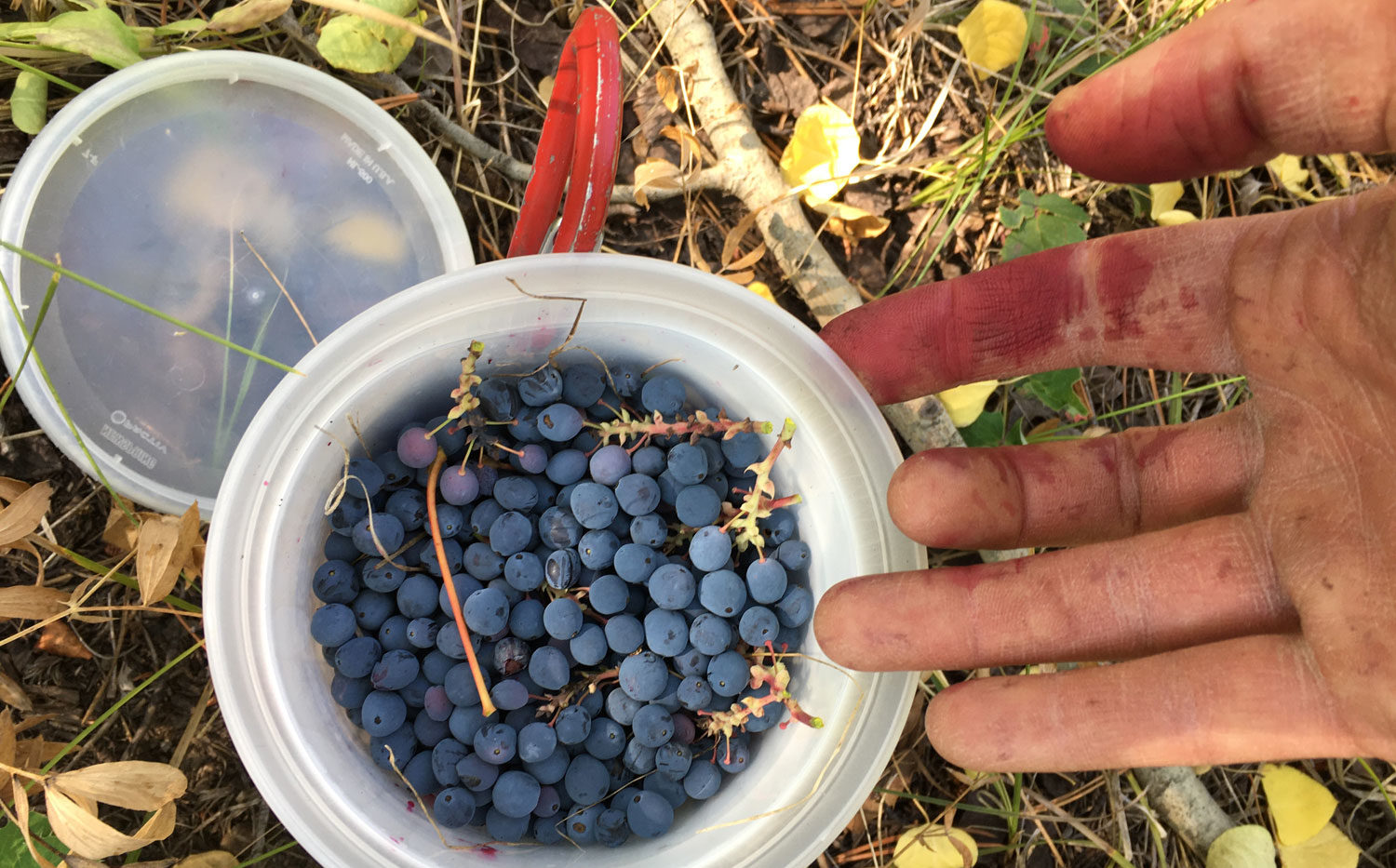
The berries are typically harvested in late summer and fall, once they have ripened to a deep blue-black color. It’s important to harvest only ripe berries, as unripe ones can be even more unpalatable and potentially cause digestive upset.
Beyond the Berry: Are Other Parts Edible?
While the berries are the most commonly consumed part of the Oregon grape plant, the roots and bark of Mahonia aquifolium have also been used traditionally, though not for direct consumption as food. These parts contain berberine, a potent alkaloid that has been used medicinally by Native American tribes for its antiseptic and anti-inflammatory properties. However, it’s crucial to emphasize that these parts are not typically eaten and their use is primarily medicinal, requiring careful knowledge and preparation. For the casual explorer or home gardener, focusing on the berries is the appropriate and safest approach.
Exploring Culinary Applications and Traditional Uses
The journey from wild berry to delectable treat for Oregon grapes is a testament to human ingenuity and the rich culinary heritage of the Pacific Northwest. While modern palates might initially be taken aback by the raw intensity of the berries, centuries of practice have revealed their potential.
Traditional Wisdom: Native American Use of Oregon Grapes
The Native American tribes of the Pacific Northwest, including groups like the Klamath and Chinook, have long incorporated Oregon grape berries into their diet. Their knowledge of the land and its bounty allowed them to unlock the culinary and medicinal value of this native plant.
- Food Source: The berries were a significant source of sustenance, especially during periods when other food sources were scarce. They were dried for preservation, pounded into flour, or stewed to create a more palatable dish.
- Medicinal Uses: The roots and bark, rich in berberine, were highly valued for their medicinal properties. They were used to treat a variety of ailments, including skin conditions, infections, and digestive issues. Decoctions and poultices were common preparations.
This traditional knowledge serves as a valuable guide, highlighting the importance of understanding the plant’s properties and employing appropriate preparation methods.
Modern Culinary Adventures with Oregon Grapes
In contemporary times, Oregon grapes are experiencing a resurgence in popularity among foragers and adventurous cooks. Their unique tartness provides a welcome contrast to sweeter flavors, adding depth and complexity to dishes.
- Jams and Jellies: Perhaps the most common modern application is in jams and jellies. By combining the berries with sugar and often other fruits, cooks can create preserves that balance the Oregon grape’s characteristic tang with sweetness. The resulting product is often a vibrant jewel-toned spread with a complex flavor profile.
- Syrups and Sauces: Oregon grape syrup can be a delightful addition to pancakes, waffles, or even cocktails. It offers a tart, fruity note that is distinct from more common berry syrups. Sauces made from Oregon grapes can complement both sweet and savory dishes, adding an unexpected layer of flavor.
- Baked Goods: While less common, Oregon grape berries can be incorporated into pies, tarts, or muffins, often in combination with other fruits to temper their tartness. The resulting baked goods will have a unique, slightly tangy finish.
- Beverages: Oregon grape juice, after appropriate sweetening and dilution, can be used to make refreshing drinks. It can also be fermented to produce a unique wine or cider.
When embarking on culinary experiments with Oregon grapes, it’s always advisable to start with small batches and adjust sweetness and other flavorings to your personal preference. The goal is to harness their unique tartness and complex flavor without overwhelming the palate.
Harvesting, Identification, and Safety Considerations
For anyone inspired to try Oregon grapes, responsible harvesting and accurate identification are paramount. The thrill of foraging is undeniable, but it must be balanced with a commitment to safety and sustainability.
Identifying Oregon Grapes: A Crucial First Step
Before you even consider tasting an Oregon grape, ensuring you have correctly identified the plant is non-negotiable. Misidentification can lead to consuming toxic plants, which can have severe consequences.
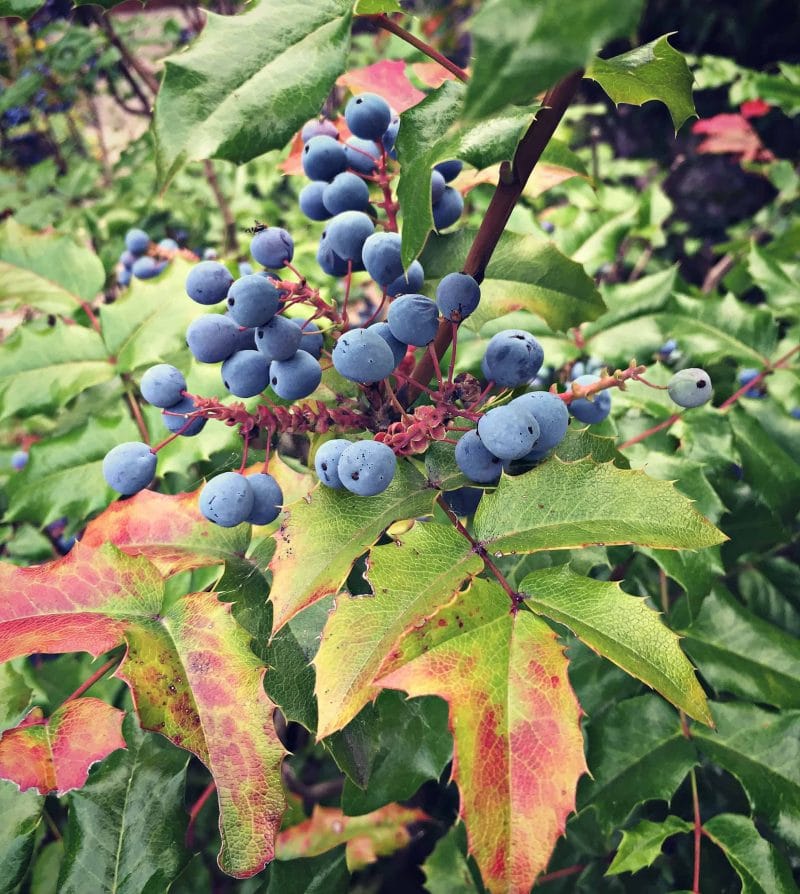
- Mahonia aquifolium: This is the most common species referred to as Oregon grape. It’s an evergreen shrub that typically grows 3-6 feet tall. Its leaves are compound, meaning they are made up of several leaflets, and they resemble holly leaves – leathery, spiny-toothed, and dark green. The berries are borne in drooping clusters and are a distinctive blue-black color when ripe.
- Mahonia nervosa (Low Oregon Grape or Cascade Oregon Grape): This species is generally shorter, growing 1-3 feet tall. Its leaves are also compound and holly-like, but tend to be a lighter green. The berry clusters are more upright than those of M. aquifolium.
- Mahonia repens (Creeping Oregon Grape): As the name suggests, this species grows low to the ground, forming a mat. Its leaves are similar to the other two, and its berries are also edible.
Key identification features to look for:
- Leaf shape: Holly-like, spiny-toothed, evergreen leaflets.
- Berry color: Deep blue-black when ripe, borne in clusters.
- Growth habit: Shrubby, varying in height depending on the species.
When in doubt, consult a local field guide or an experienced forager. It is always better to be cautious and err on the side of safety.
Responsible Harvesting Practices
Once you are confident in your identification, responsible harvesting is essential to ensure the long-term health of the plant populations and the ecosystem.
- Sustainability: Never harvest more than you need. Leave plenty of berries and plants for wildlife and for the plants to reproduce. A good rule of thumb is to take no more than 10-20% of the berries from any given plant or patch.
- Timing: Harvest berries when they are fully ripe, typically from late summer through fall. Ripe berries will be a deep blue-black and slightly soft.
- Location: Be mindful of where you are harvesting. Avoid areas that may have been sprayed with pesticides or herbicides, or are close to busy roads where they may be contaminated with exhaust fumes. Public lands may have specific regulations regarding foraging, so it’s wise to check local guidelines. Private property requires explicit permission from the landowner.
- Tools: Use clean containers for harvesting. You can gently shake branches over a tarp or use your fingers to pick the berries. Avoid damaging the plant itself.
Safety First: Beyond Edibility
While the berries of the Oregon grape are generally considered safe to eat when properly prepared, there are still important safety considerations:
- Allergies: As with any new food, it’s wise to consume a small amount first to check for any allergic reactions.
- Digestive Issues: Even when prepared, the tartness and tannins can cause mild digestive upset in some individuals, especially if consumed in large quantities.
- Berberine: While not typically consumed in significant amounts from the berries, it’s worth noting that berberine, found in higher concentrations in the roots and bark, can interact with certain medications. If you have any underlying health conditions or are taking medication, consult with a healthcare professional before consuming Oregon grapes, especially if you plan to use them for medicinal purposes.
- Poisonous Look-alikes: While Oregon grapes are generally distinctive, it’s always wise to be aware of potential poisonous look-alikes in your foraging area. Again, expert identification is your best defense.
By understanding the plant, practicing responsible harvesting, and prioritizing safety, you can confidently explore the unique flavors and potential benefits of Oregon grapes, adding a touch of the wild Pacific Northwest to your culinary adventures. Whether you’re drawn to the allure of the wild or the convenience of local markets, the journey of discovering the edibility of Oregon grapes is a rewarding one, steeped in history and ripe with culinary possibility.
LifeOutOfTheBox is a participant in the Amazon Services LLC Associates Program, an affiliate advertising program designed to provide a means for sites to earn advertising fees by advertising and linking to Amazon.com. Amazon, the Amazon logo, AmazonSupply, and the AmazonSupply logo are trademarks of Amazon.com, Inc. or its affiliates. As an Amazon Associate we earn affiliate commissions from qualifying purchases.