
Oregon, a state renowned for its breathtaking natural beauty, from the rugged Oregon Coast to the majestic Mount Hood, and its vibrant cultural scene in cities like Portland, often prompts inquiries beyond its picturesque landscapes and thriving tourism. One such question that arises, particularly when discussing state governance and legal frameworks, is about the presence and application of the death penalty. While the primary focus of this platform is to illuminate the wonders of travel, accommodation, and lifestyle experiences, understanding the legal underpinnings of a destination can offer a more comprehensive perspective. This article delves into the specifics of Oregon’s death penalty, its history, current status, and the nuances surrounding its application, aiming to provide clarity on this complex issue within the context of the state.

The Legal Landscape of Capital Punishment in Oregon
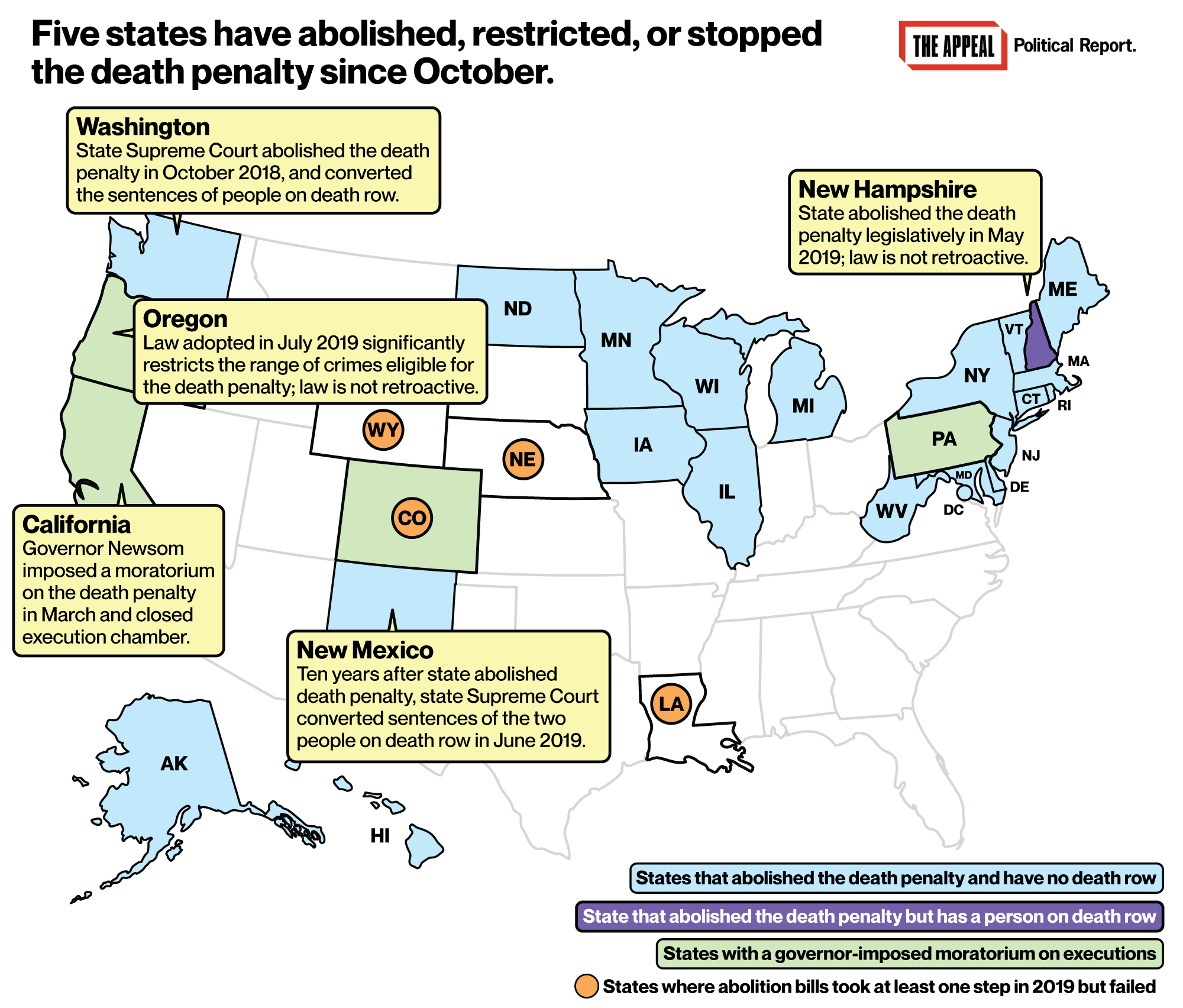
The question of whether Oregon has a death penalty is not a simple yes or no; it’s a narrative woven with legislative changes, gubernatorial actions, and judicial interpretations. While capital punishment is legally authorized in the state, its implementation has been fraught with moratoriums and significant debate. This intricate history reflects broader societal discussions about justice, punishment, and human rights.
A History of Capital Punishment in Oregon
The death penalty has a long, albeit inconsistent, history in Oregon. It was initially authorized in the territorial period and continued after statehood. Executions did occur, with the last one taking place in 1997. However, the legal and practical application of capital punishment in Oregon has been significantly impacted by developments in recent decades.
In 2011, then-Governor John Kitzhaber imposed a moratorium on executions, stating concerns about the cost and fairness of the death penalty system. This moratorium effectively halted any scheduled executions. Subsequent governors, including Kate Brown, continued this policy. Governor Tina Kotek, who took office in 2023, has also maintained this stance, ensuring that no executions have been carried out since 1997.
Despite the moratoriums, the death penalty statute itself has not been repealed by the state legislature. This means that individuals can still be sentenced to death by the courts. However, the practical effect of the gubernatorial moratoriums is that no death sentences are carried out. This creates a unique situation where the death penalty is on the books but not actively enforced in practice.
The legal authorization for capital punishment in Oregon is primarily found in Oregon Revised Statutes (ORS) Chapter 137, which outlines the procedures for imposing and carrying out the death penalty for certain aggravated crimes. The crimes for which a death sentence can be sought are typically those involving murder with extreme brutality, murder of law enforcement officers, or murder involving multiple victims, among other aggravating factors.
The debate surrounding the death penalty in Oregon often centers on several key arguments. Proponents argue that it serves as a just punishment for heinous crimes and a deterrent to future offenses. Opponents, on the other hand, raise concerns about the potential for executing innocent individuals, the disproportionate application based on race or socioeconomic status, the high financial costs associated with capital cases compared to life imprisonment, and the ethical implications of state-sanctioned killing.

The current legal status can be summarized as follows: capital punishment is authorized by Oregon law, but a gubernatorial moratorium prevents any executions from taking place. This means individuals may be sentenced to death, but they will not be executed unless the moratorium is lifted. This nuanced reality is crucial for anyone seeking to understand the legal framework of Oregon.
Current Status and Future Outlook
The ongoing moratorium on executions in Oregon significantly shapes the current status of the death penalty. As of now, the state has a death row populated by inmates who have been sentenced to death but are awaiting the outcome of their appeals or the potential lifting of the moratorium. This situation highlights the tension between legislative authorization and executive action.
The Impact of Moratoriums and Legal Challenges
The moratoriums imposed by successive governors have effectively paused the death penalty in Oregon. These decisions are often based on moral, ethical, and practical considerations, such as the risk of executing an innocent person, the exorbitant costs of death penalty litigation, and questions about the fairness and efficacy of capital punishment as a deterrent.
The inmates on Oregon’s death row are housed in the Oregon State Penitentiary in Salem. Their cases are subject to extensive appeals processes, which can take many years, if not decades, to resolve. During this time, the legal landscape surrounding the death penalty can evolve, potentially leading to commutations or further legal challenges.
The future of the death penalty in Oregon remains uncertain. While the legislature has not repealed the statute, the consistent imposition of moratoriums by the executive branch suggests a prevailing sentiment against active executions. Any significant change would likely require either a legislative act to abolish capital punishment or a new governor to lift the existing moratorium and approve scheduled executions.
The debate is far from over. Advocates for abolition continue to push for legislative repeal, citing the reasons mentioned earlier. Conversely, those who support the death penalty may argue for its reinstatement as a just punishment, particularly in response to horrific crimes. The political climate, public opinion, and ongoing legal scholarship all play a role in shaping this discussion.
For travelers visiting Oregon, particularly those interested in understanding the societal fabric beyond the beautiful landscapes and vibrant cities like Eugene or Bend, this legal nuance is an important aspect of the state’s governance. It underscores the dynamic nature of law and the ongoing societal dialogue about justice and punishment. Understanding that while the death penalty is legally on the books, it is not being actively carried out, provides a clear picture of Oregon’s current approach to this contentious issue.
The existence of a death penalty statute alongside a moratorium presents a complex legal and ethical situation. It means that the possibility of execution remains, even if it is currently suspended. This duality is a key characteristic of Oregon’s approach to capital punishment. While exploring the attractions of Oregon, from the stunning Columbia River Gorge to the charming streets of Ashland, visitors may find this legal detail to be a thought-provoking element of the state’s identity, reflecting a society grappling with profound questions of justice and morality.
LifeOutOfTheBox is a participant in the Amazon Services LLC Associates Program, an affiliate advertising program designed to provide a means for sites to earn advertising fees by advertising and linking to Amazon.com. Amazon, the Amazon logo, AmazonSupply, and the AmazonSupply logo are trademarks of Amazon.com, Inc. or its affiliates. As an Amazon Associate we earn affiliate commissions from qualifying purchases.