
When planning a trip to a new destination, understanding the local economic landscape can offer valuable insights into the cost of living, potential for local employment, and the general economic health of the area. For travelers interested in exploring Portland, Oregon, or perhaps even considering a longer-term stay or business opportunity, knowing the minimum wage is a key piece of information. While seemingly a straightforward statistic, the minimum wage in Portland is influenced by a variety of factors, including Oregon’s statewide regulations and specific local ordinances.
This article delves into the current minimum wage in Portland, Oregon, exploring its historical context, how it’s determined, and what it signifies for visitors and residents alike. We’ll also touch upon how these economic indicators can subtly influence your travel experience, from the cost of goods and services to the overall vibe of the city. Whether you’re booking a stay at a charming Portland hotel, exploring its renowned culinary scene, or simply enjoying the city’s unique landmarks, understanding the minimum wage adds another layer to your appreciation of this vibrant Pacific Northwest gem.
Understanding Minimum Wage in Oregon and Portland
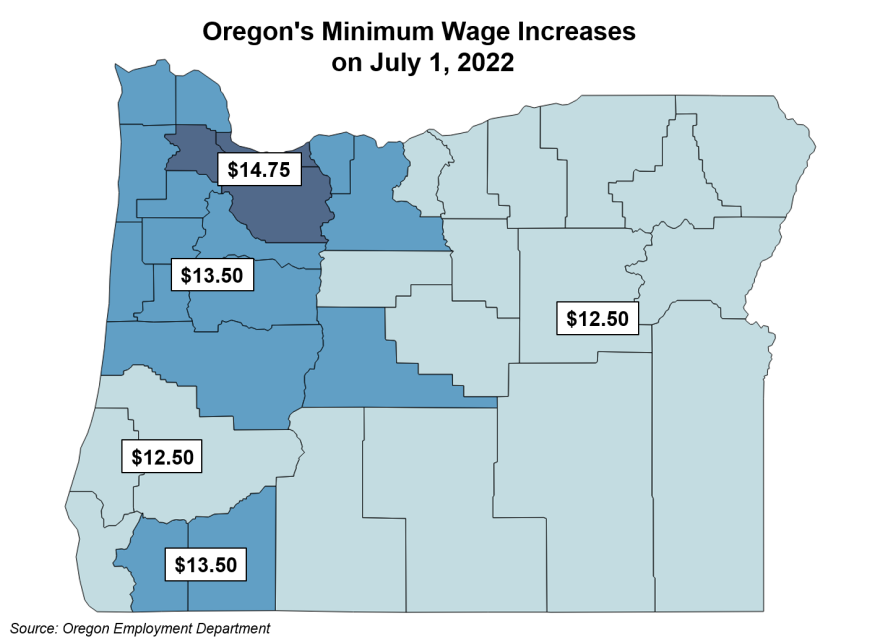
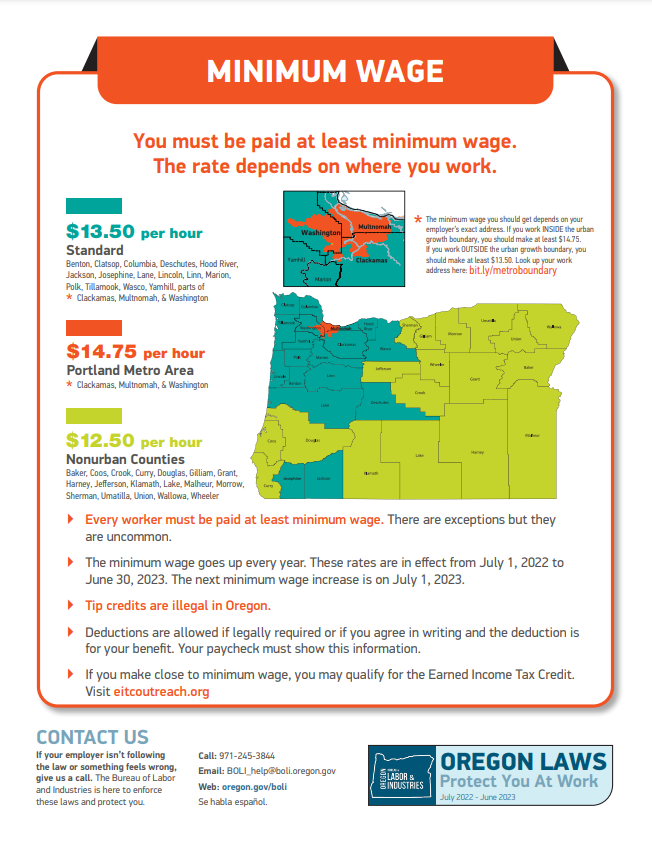
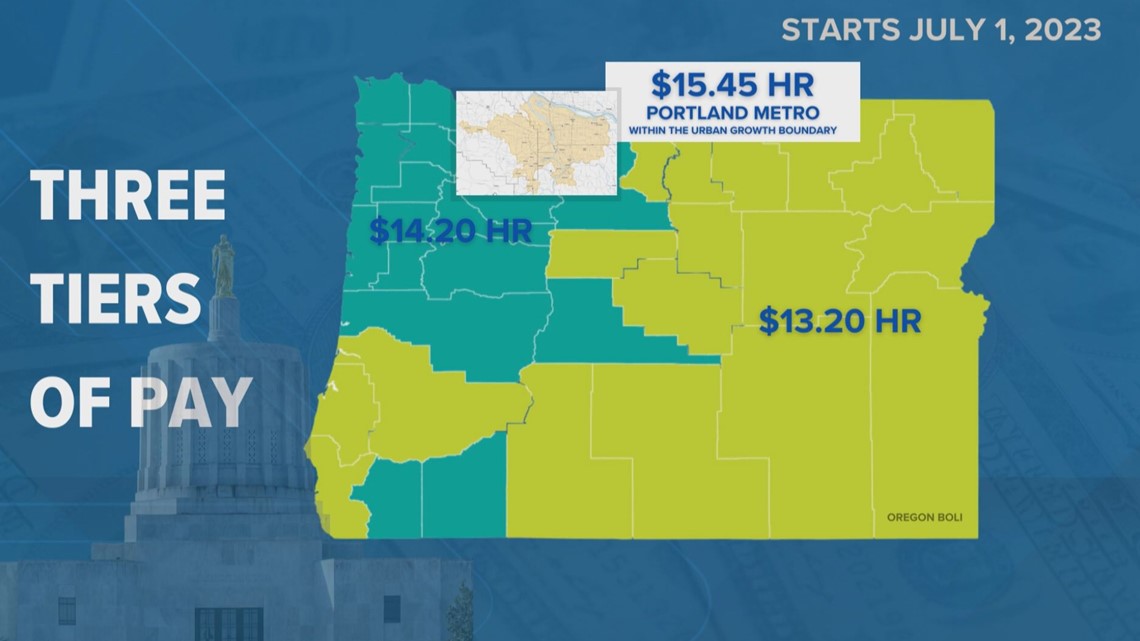
The minimum wage in Oregon is not a one-size-fits-all figure. The state has historically taken a progressive approach to wage policies, and this is reflected in its tiered system for minimum wage. This system acknowledges the varying costs of living across different regions within the state. Oregon is divided into three regions for minimum wage purposes: Portland metro area, standard, and nonurban counties.
The Portland Metro Area Minimum Wage
The highest minimum wage rate in Oregon applies to the Portland metro area, which includes Multnomah County, Washington County, and Clackamas County. This is a strategic decision aimed at addressing the higher cost of living, particularly housing and everyday expenses, within the state’s largest metropolitan hub. For businesses operating within this designated zone, adhering to this higher wage floor is a legal requirement.
The Standard and Nonurban Rates
Beyond the Portland metro area, Oregon has a standard minimum wage that applies to most other counties in the state. Additionally, there’s a lower minimum wage specifically for counties designated as nonurban. These distinctions are intended to balance the need for a living wage with the economic realities of smaller communities that may have a different cost of goods and services.
How Minimum Wage is Adjusted
Oregon’s minimum wage is not static. It is adjusted annually for inflation. This means that the figures we discuss today might see a slight increase in subsequent years, ensuring that the purchasing power of the minimum wage keeps pace with rising costs. The adjustments are typically announced in the fall and take effect on January 1st of the following year. This proactive approach helps to protect low-wage workers from the erosive effects of inflation.
Key takeaway: For anyone interacting with businesses in Portland – whether it’s a boutique hotel, a local restaurant, or a shop selling Oregon-made crafts – the minimum wage in the Portland metro area is the relevant figure to consider. This rate directly influences the operational costs for many businesses, which can, in turn, subtly impact pricing and the overall economic atmosphere you experience as a visitor.
Minimum Wage in Portland, Oregon: The Specifics
As of January 1, 2024, the minimum wage in the Portland metro area is $15.45 per hour. This rate applies to employers within Multnomah County, Washington County, and Clackamas County. It’s crucial to remember that this is the highest minimum wage rate in the state, reflecting the economic conditions and cost of living in and around Portland.
Historical Context and Trends
Oregon has a history of being at the forefront of minimum wage policy. The state was one of the first to implement a statewide minimum wage. Over the years, there have been significant discussions and legislative actions that have shaped the current tiered system. The rationale behind the higher rate for Portland stems from decades of recognizing that urban centers often present greater financial challenges for residents. The continuous annual adjustments, tied to inflation, are a more recent development that has provided a greater degree of stability and predictability for workers.
Impact on Local Businesses and Tourism
The minimum wage directly affects the labor costs for businesses in Portland. This can influence pricing strategies for goods and services, from your morning coffee at a local cafe to the rates at a downtown hotel. For tourism, a higher minimum wage generally contributes to a stronger local economy. It means that service industry workers, who are often the face of the travel experience, are earning a more substantial income, which can lead to increased consumer spending within the city.
When you’re choosing where to stay, from a luxurious resort to a cozy bed and breakfast, or deciding which local eatery to try for dinner, the prevailing minimum wage is an underlying factor in the economic ecosystem. While it might not be something you actively consider when booking a room at the The Nines, a Luxury Collection Hotel, Portland or planning a visit to the International Rose Test Garden, it’s part of the fabric that supports the city’s service industry and, by extension, its tourism sector.
What it Means for Different Lifestyles
The minimum wage in Portland has different implications depending on your lifestyle and purpose for visiting.
Budget Travel and Backpacking
For budget travelers, understanding the minimum wage can help set expectations for the cost of services. While Portland offers many free attractions like exploring its vibrant street art scene or hiking in nearby trails like those at the Forest Park, dining out and purchasing souvenirs might be influenced by the local wage structure. However, Portland is also known for its diverse and affordable food cart pods, offering a great way to experience local flavors without breaking the bank. This affordability is often supported by businesses that operate efficiently and effectively within the local economic framework.
Family Trips and Local Experiences
For families on vacation, the minimum wage can indirectly influence the cost of activities and dining. However, Portland offers a wealth of family-friendly attractions like the Oregon Zoo or the Portland Children’s Museum. The higher minimum wage can contribute to a more robust local workforce, leading to better service quality in hotels and attractions, ultimately enhancing the family travel experience. It signifies a city that values its workers, which often translates into a more positive and welcoming atmosphere for visitors.
Business Stays and Luxury Travel
For those on business trips or indulging in luxury travel, the minimum wage might seem less directly impactful on their immediate expenses. However, the economic health of a city, partly driven by its wage policies, contributes to its overall appeal and vibrancy. A city that ensures a decent standard of living for its residents is often a more attractive place for investment and tourism. This means that even high-end establishments like the Sentinel, a Provenance Hotel benefit from a stable and engaged local workforce and a thriving local economy. The premium services offered at these establishments are delivered by individuals whose livelihoods are supported by the local economic policies, including the minimum wage.
Beyond the Numbers: The Broader Economic Picture
While the specific hourly rate of the minimum wage is a critical piece of data, it’s important to view it within the broader economic context of Portland, Oregon. The city has a dynamic economy, driven by a diverse range of industries, from technology and manufacturing to the ever-booming food and beverage sector and a thriving arts and culture scene.
Cost of Living in Portland
The minimum wage is often set in relation to the cost of living. Portland has a reputation for having a relatively high cost of living, especially concerning housing. Therefore, the higher minimum wage in the Portland metro area is a reflection of this reality. For visitors, this means that while you might find excellent value in certain areas of Portland, like exploring the natural beauty of the Columbia River Gorge National Scenic Area or visiting iconic landmarks like Powell’s City of Books, some expenses, particularly accommodation and dining at certain establishments, might be on the higher end compared to less expensive cities.
Economic Impact on Employment and Services
A higher minimum wage can influence employment levels and the types of jobs available. While some businesses might adjust by increasing prices or optimizing efficiency, it also means that more workers can afford basic necessities, contributing to a more stable consumer base. For the tourism industry, this translates to a more reliable and skilled workforce in hospitality and service roles. This can lead to a better overall experience for tourists, from the attentiveness of hotel staff at places like the Jupiter Hotel to the quality of service at a renowned restaurant in the Pearl District.
Portland’s Unique Lifestyle
Portland’s lifestyle is characterized by a strong emphasis on local businesses, sustainability, and a vibrant arts and culture scene. The minimum wage plays a role in supporting these values. It helps ensure that the individuals working in the independent bookstores, the craft breweries, and the farm-to-table restaurants that define Portland are able to make a living wage. This, in turn, contributes to the unique character and appeal of the city that attracts so many visitors. Whether you’re staying in a stylish apartment, a resort, or a boutique hotel, the economic policies in place help shape the quality and authenticity of the experiences you’ll encounter.
In conclusion, understanding the minimum wage in Portland, Oregon, is more than just knowing a number. It’s a glimpse into the city’s economic philosophy, its commitment to its workforce, and the factors that shape the cost of living and doing business. For travelers, this knowledge adds a deeper appreciation for the destination, enriching your journey from the moment you book your accommodation to the last moment exploring its diverse attractions.
LifeOutOfTheBox is a participant in the Amazon Services LLC Associates Program, an affiliate advertising program designed to provide a means for sites to earn advertising fees by advertising and linking to Amazon.com. Amazon, the Amazon logo, AmazonSupply, and the AmazonSupply logo are trademarks of Amazon.com, Inc. or its affiliates. As an Amazon Associate we earn affiliate commissions from qualifying purchases.