
Understanding the time zone of a destination is a fundamental aspect of planning any journey, whether it’s a brief business trip or an extended vacation. For travelers and those conducting business with or within the vibrant city of Portland, Oregon, knowing its precise time zone is crucial for scheduling, coordinating, and avoiding any costly or inconvenient misunderstandings. This article will delve into Portland, Oregon’s time zone, exploring its current designation, historical context, and practical implications for visitors and residents alike. Beyond the simple question of “what time is it in Portland, Oregon?”, we’ll also touch upon how this temporal awareness can enhance your travel experiences, accommodation choices, and appreciation of Portland’s unique lifestyle.

Navigating Time Zones: The Foundation of Travel Planning
When you’re considering a trip to a new locale, the initial pieces of information you’ll likely seek relate to its geography, climate, and, of course, its time zone. This temporal knowledge isn’t just about knowing when to set your watch; it directly influences flight bookings, hotel check-in and check-out times, the scheduling of attractions and activities, and even your ability to communicate effectively with people back home or at your destination. A misunderstanding of time zones can lead to missed flights, late arrivals, or early departures, all of which can significantly disrupt your plans.
The Pacific Time Zone: Portland’s Temporal Anchor
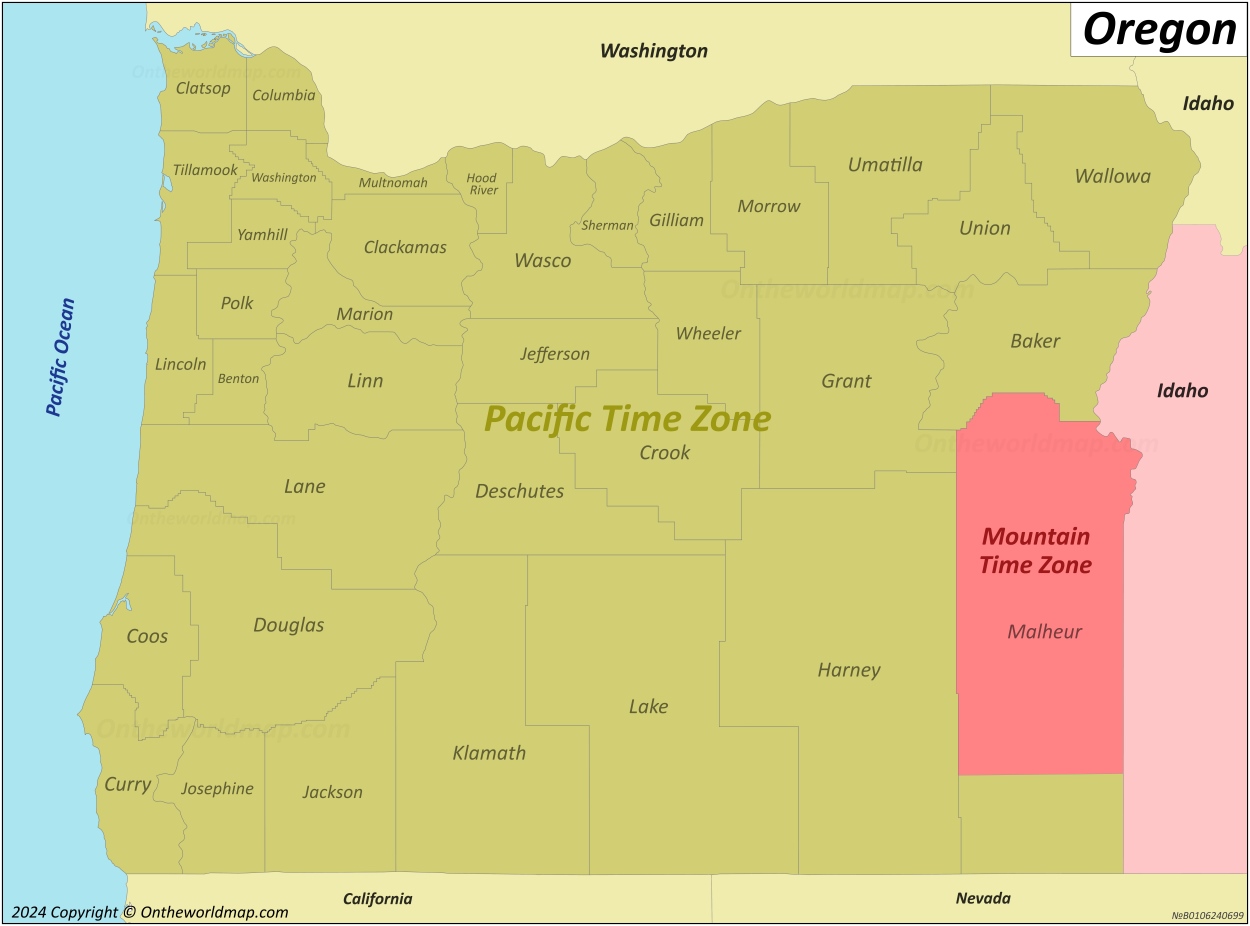
Portland, Oregon, like much of the western United States, observes the Pacific Time Zone. This time zone is characterized by its standard time, Pacific Standard Time (PST), and its daylight saving time, Pacific Daylight Time (PDT).
Pacific Standard Time (PST)
During the period when Daylight Saving Time is not in effect, Portland, Oregon operates on Pacific Standard Time (PST). PST is UTC−8, meaning it is eight hours behind Coordinated Universal Time (UTC). This is the time observed during the fall and winter months. For instance, if it is 12:00 PM UTC, it would be 4:00 AM PST in Portland, Oregon.
Pacific Daylight Time (PDT)
As the days lengthen and warmer weather approaches, many regions, including Portland, Oregon, observe Daylight Saving Time. This shift is marked by the transition to Pacific Daylight Time (PDT). PDT is UTC−7, meaning it is seven hours behind UTC. This adjustment typically begins on the second Sunday in March and ends on the first Sunday in November. During PDT, the clock is effectively “moved forward” by one hour. So, if it is 12:00 PM UTC, it would be 5:00 AM PDT in Portland, Oregon.
The switch between PST and PDT is a predictable annual event, but it’s always wise to confirm the exact dates of these transitions, especially if you are planning travel around these periods. Many online resources and device calendars automatically adjust for these changes, but a manual check can prevent any last-minute confusion.
Practical Implications of Portland’s Time Zone for Travelers
Understanding Portland, Oregon’s time zone is more than an academic exercise; it has tangible effects on various aspects of your visit. From booking your ideal accommodation to exploring the city’s renowned landmarks and immersing yourself in its unique local culture, temporal awareness is key.
Aligning Travel and Accommodation Bookings
When booking flights and hotels in Portland, Oregon, it is imperative to use the correct local time. Airline schedules and hotel reservation systems will typically display times according to the destination’s local time zone. However, if you are booking from a different time zone, mentally converting the times can prevent mistakes. For example, if a flight departs from New York City at 9:00 AM EST (UTC−5) and arrives in Portland, Oregon at 11:00 AM PST (UTC−8), the actual flight duration is 6 hours. Understanding the time difference helps in calculating this correctly. Similarly, hotel check-in and check-out times should be noted in Portland’s local time. If you’re looking for long-term stay options or comparing various resorts and apartments, ensuring you’re comparing apples to apples in terms of daily duration is crucial.
Maximizing Your Exploration of Portland’s Attractions and Experiences
Portland, Oregon is a city brimming with diverse attractions, from the breathtaking natural beauty of the Columbia River Gorge and the Oregon Coast to the vibrant urban core filled with unique food experiences and artistic displays. Knowing the time zone helps in planning your daily itinerary. For instance, if you wish to catch the sunrise over the Mount Hood region or enjoy a leisurely stroll through the International Rose Test Garden before the crowds arrive, you’ll need to factor in Portland’s local time. Many popular restaurants and activities may require advance reservations, and adhering to their scheduled times is essential for a smooth experience. Understanding the local time also helps in planning for daylight hours, which can significantly impact outdoor activities and the overall enjoyment of exploring landmarks like the Powell’s City of Books or the Oregon Zoo.
Integrating with Portland’s Lifestyle and Local Culture
Portland’s lifestyle is often characterized by its laid-back yet engaged atmosphere, with a strong emphasis on local food, artisanal products, and outdoor recreation. Whether you’re interested in luxury travel, seeking budget-friendly family trips, or undertaking business stays, synchronizing with the local rhythm is part of the experience. Understanding the time zone allows you to participate more fully in local events, such as farmers’ markets, which often have specific operating hours, or to catch live music performances and theater shows. It also aids in scheduling virtual meetings for business stays or coordinating with local contacts, ensuring professional interactions are conducted with respect for everyone’s time. For those exploring budget travel options or looking for unique experiences, being aware of local operating hours for shops and cafes can help maximize your discoveries.
Beyond the Clock: The Broader Context of Portland’s Time Zone
While the specific designation of the Pacific Time Zone is a practical matter, the concept of time and its perception can also be woven into a deeper understanding of a place. Portland, Oregon’s temporal anchor in the Pacific Time Zone situates it within a particular flow of the day, influencing everything from its relationship with sunlight to its connection with other parts of the United States and the world.
Time and Daylight in Portland
The duration of daylight in Portland, Oregon, varies significantly throughout the year, a direct consequence of its latitude and its position within the Pacific Time Zone. During the summer months, under PDT, the days are long, offering ample opportunity for outdoor adventures and exploration well into the evening. Conversely, the winter months, observed under PST, bring shorter days, which can influence the pace of activities and encourage a focus on indoor attractions, cozy restaurants, and the vibrant nightlife scene that Portland also offers. This natural ebb and flow of daylight, dictated by the Earth’s tilt and Portland’s temporal setting, is a fundamental aspect of the city’s rhythm and influences the types of experiences available to visitors.
Connecting with the World from Portland
As a major city in the Pacific Northwest, Portland, Oregon, is a hub for business and cultural exchange. Its position in the Pacific Time Zone means it is significantly behind the East Coast of the United States and even further behind Europe and Asia. This temporal distance is a key factor in international travel planning and global business operations. For example, a phone call placed from Portland to London at 9:00 AM PST would reach London at 5:00 PM GMT, highlighting the considerable time differential. Understanding these connections is vital for anyone engaging in international commerce or planning trips across continents. The ease of connecting with cities like Seattle, San Francisco, or even reaching across the Pacific to countries like Japan or South Korea, is all framed by these temporal relationships.

Time Zone Changes and Their Impact
The biannual shift between PST and PDT, while a familiar ritual for many, can sometimes cause minor disruptions. For some individuals, particularly those sensitive to circadian rhythms, these changes can lead to temporary sleep pattern adjustments. For travelers, it’s a good reminder to stay hydrated and allow a day or two to acclimatize fully to the new local time upon arrival. This temporal shift also affects broadcasting schedules, the timing of online events, and the operating hours of certain businesses that may choose to adjust their schedules accordingly. While these effects are generally minor, being aware of the transitions can help in avoiding any unforeseen inconveniences during your stay or business stays in Portland, Oregon. The consistent application of the Pacific Time Zone, with its predictable shifts for daylight saving, provides a reliable framework for daily life and travel planning in this dynamic city.
LifeOutOfTheBox is a participant in the Amazon Services LLC Associates Program, an affiliate advertising program designed to provide a means for sites to earn advertising fees by advertising and linking to Amazon.com. Amazon, the Amazon logo, AmazonSupply, and the AmazonSupply logo are trademarks of Amazon.com, Inc. or its affiliates. As an Amazon Associate we earn affiliate commissions from qualifying purchases.