
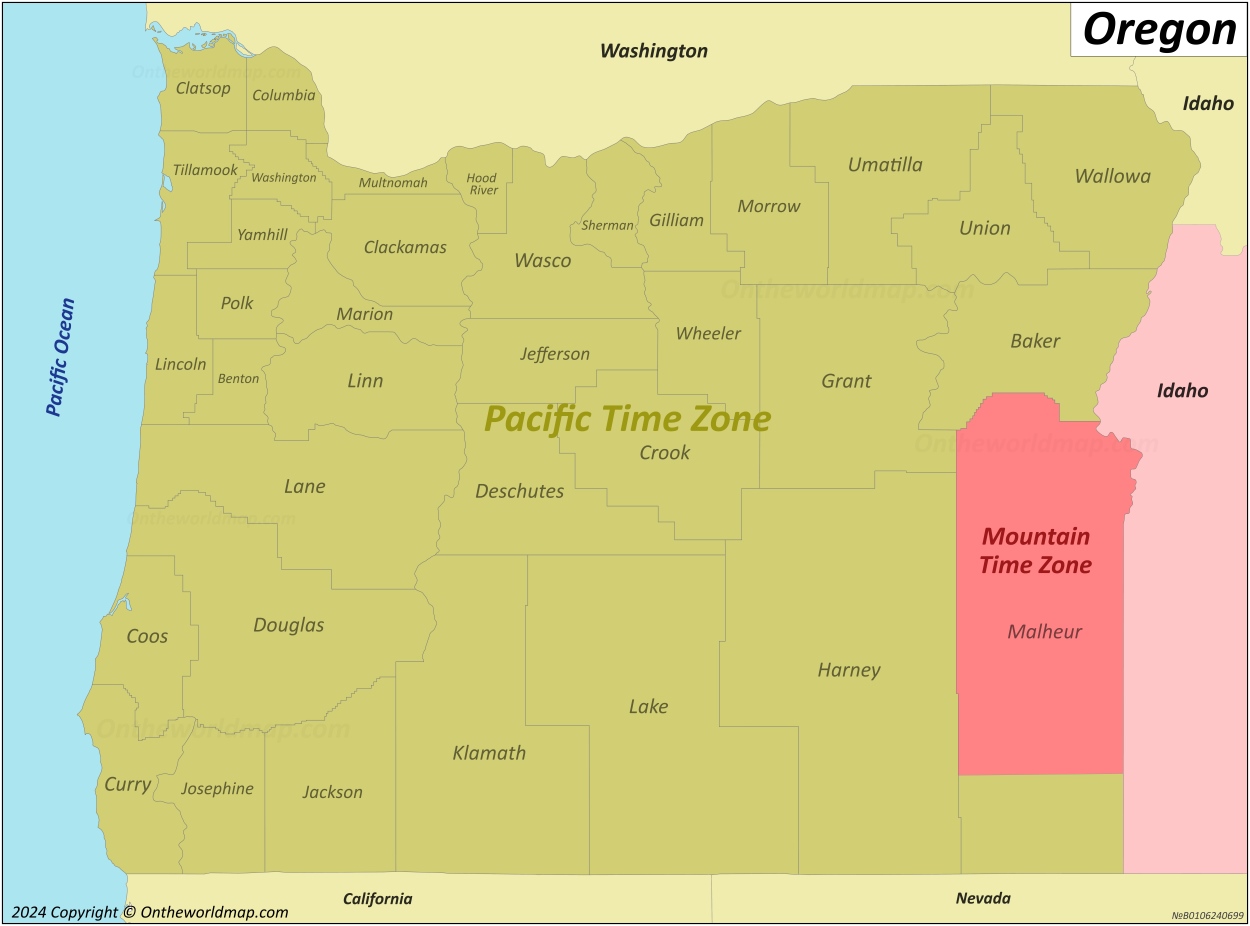
The question, “What’s the time in Oregon?” might seem simple, but for any traveler or planner, understanding time zones is a crucial first step in unlocking the wonders of this diverse Pacific Northwest state. Oregon, a land of dramatic coastlines, majestic mountains, vibrant cities, and high desert plains, operates under a single, well-defined time zone: the Pacific Time Zone. This means that during standard time, Oregon observes Pacific Standard Time (PST), which is UTC-8, and during daylight saving time, it switches to Pacific Daylight Time (PDT), UTC-7. This consistency simplifies planning, whether you’re booking a flight into Portland International Airport, reserving a room at a cozy lodge in Bend, or arranging an unforgettable adventure along the Oregon Coast.

The geographical placement of Oregon within the Pacific Time Zone aligns it with a significant portion of the western United States, including California, Washington, Nevada, and parts of Idaho and Arizona. This shared time zone is a boon for interconnected travel and business. Understanding this temporal alignment is the bedrock upon which all other travel plans are built, from coordinating with local tour operators to simply knowing when to expect the sun to rise over the Columbia River Gorge.
This article will delve deeper than just the current hour. We’ll explore how this time zone impacts travel experiences, highlight the distinct regions of Oregon that offer unique temporal experiences (in terms of daylight and seasons, of course!), and offer practical tips for making the most of your time in the Beaver State. From early morning hikes to catch the sunrise in Crater Lake National Park to enjoying a late-night craft beer in downtown Portland, knowing your temporal bearings is key to a seamless and enjoyable journey.
Embracing the Temporal Rhythms of Oregon
The Pacific Time Zone dictates the rhythm of daily life and tourism across Oregon. This temporal consistency is a vital element for travelers, influencing everything from flight schedules and hotel check-in times to the planning of outdoor activities. The broad daylight hours during summer months allow for extensive exploration of the state’s natural beauty, while the shorter days of winter offer a different, yet equally captivating, set of experiences, like skiing on Mount Hood or exploring the cozy interiors of a historic Ashland theater.
Navigating Time Zones for Seamless Travel
When planning a trip to Oregon, understanding its time zone is paramount. This isn’t just about knowing the current hour; it’s about synchronizing your internal clock with the destination and ensuring smooth transitions.
Flights and Arrivals
For those flying into Oregon, the Pacific Time Zone immediately becomes a factor. If you’re traveling from the Eastern Time Zone, for instance, you’ll gain three hours. A 9 AM flight from New York City would, theoretically, arrive in Portland around 12 PM PST. This time difference can significantly impact your arrival day, allowing for more activities or requiring a more relaxed pace depending on your personal energy levels and the length of your journey. Major airports like Portland International Airport (PDX) operate on Pacific Time, and all flight information will be displayed accordingly. It’s always advisable to confirm your flight times and arrival gate well in advance, and to account for this temporal shift when arranging airport transfers or meeting points.
Accommodation and Itinerary Planning
Whether you’re booking a luxurious stay at a resort on the Oregon Coast or a budget-friendly apartment in Eugene, hotel check-in and check-out times are invariably set by the local Pacific Time Zone. Most hotels have standard check-in around 3 PM or 4 PM and check-out by 11 AM or 12 PM. Understanding this allows you to effectively plan your arrival and departure days, maximizing your time for sightseeing or relaxation.
For example, if you arrive in Oregon early in the morning and your hotel check-in isn’t until the afternoon, you might plan a leisurely breakfast in a local cafe or a walk through one of Portland’s famous parks, such as Washington Park, before heading to your accommodation. Conversely, if your flight departs late, you can often arrange for a late check-out or leave your luggage with the hotel concierge, giving you a full day to explore attractions like the Oregon Zoo or the Powell’s City of Books.
Experiencing Oregon’s Diverse Landscapes and Activities
The consistent time zone across the entire state means that when you’re enjoying the rugged beauty of the Cannon Beach shoreline, it’s the same time in the high desert landscapes of Eastern Oregon near the Wallowa Mountains. This uniformity simplifies inter-state travel within Oregon and allows for a unified approach to experiencing its diverse attractions.
Nature and Adventure: For outdoor enthusiasts, the longer daylight hours of spring and summer in the Pacific Northwest are a blessing. Sunrise often occurs before 6 AM PST and sunset can extend past 8 PM PDT. This allows for ample time for activities like hiking in the Columbia River Gorge, kayaking on Crater Lake, or exploring the tide pools along the coast. Planning a guided tour of the Oregon Caves National Monument? The start times will all be aligned with Pacific Time. Similarly, winter months bring shorter days, making it crucial to plan activities like skiing on Mount Hood or visiting the Oregon Garden with the reduced daylight in mind, perhaps opting for earlier starts.
Cultural and Urban Exploration: In cities like Portland and Eugene, the time zone influences the timing of cultural events, museum hours, and dining experiences. Many restaurants in Portland’s Pearl District or Downtown Portland offer early dinner specials, and theatre performances in Ashland often commence in the early evening. Knowing that these times are all relative to Pacific Time ensures you won’t miss a show or a reservation. Visiting a landmark like the Oregon State Capitol Building will have its visiting hours dictated by the local time, allowing for ample afternoon exploration.
Daylight Saving Time in Oregon
Oregon, like most of the United States, observes Daylight Saving Time. This means that clocks are moved forward one hour in the spring and back one hour in the fall.
- Spring Forward: Typically on the second Sunday in March, clocks jump forward from PST (UTC-8) to PDT (UTC-7). This results in earlier sunrises and later sunsets, extending daylight hours into the evening. This is a welcome change for many who enjoy outdoor activities after work or school.
- Fall Back: On the first Sunday in November, clocks are set back one hour, returning to PST (UTC-8). This means earlier sunsets, a change that signals the transition towards winter and encourages indoor pursuits and cozy evenings.
The dates for Daylight Saving Time are standardized nationally, so you don’t need to worry about Oregon having a different schedule than other parts of the country where it is observed. This predictability is invaluable for planning international travel or calls with friends and family in different time zones. For example, when Oregon springs forward, the time difference with the Eastern Time Zone shrinks from three hours to two. Conversely, when Oregon falls back, the three-hour difference is restored.
This shift can be particularly noticeable when planning remote work calls or coordinating with people in different states. Always double-check the current time and whether Daylight Saving Time is in effect in both your location and Oregon when making arrangements. This simple check can prevent missed meetings and ensure a smooth flow of communication, whether you’re discussing travel plans or simply catching up.
Exploring Oregon’s Regions Through the Lens of Time
While Oregon observes a single time zone, the experience of time can feel remarkably different across its diverse geographical regions. The interplay of daylight, seasons, and local culture creates unique temporal landscapes that are as captivating as the physical ones.
Coastal Time: The Rhythm of Tides and Sunsets
The Oregon Coast is a realm where time seems to move at a more deliberate pace, dictated by the ebb and flow of the Pacific Ocean. Here, the Pacific Time Zone governs the clock, but the true rhythm is set by the tides and the spectacular sunsets that paint the sky over the vast expanse of water.
Beaches, Lighthouses, and Coastal Towns
From the iconic sea stacks at Cannon Beach to the rugged cliffs near Cape Perpetua, the Oregon Coast offers countless opportunities for exploration. The timing of your visit can significantly impact your experience. Arriving in Cannon Beach early in the morning allows you to witness the sunrise behind Haystack Rock and enjoy the beach before the crowds arrive. Conversely, planning your visit to the Tillamook Rock Lighthouse viewing point in the late afternoon promises a breathtaking sunset.
Coastal towns like Astoria, with its rich maritime history and the Astoria Column, or Newport, home to the Oregon Coast Aquarium, have their own unique operating hours, all aligned with Pacific Time. A leisurely morning exploring Astoria’s waterfront followed by an afternoon visit to the aquarium in Newport is a perfectly paced day. Remember that ferry schedules and boat tours operating along the coast will adhere strictly to Pacific Time.
Weather and Daylight Considerations
The Oregon Coast is known for its dramatic weather, with fog and rain being common, especially outside of the summer months. Shorter winter days mean earlier sunsets, encouraging visitors to explore the charming coastal towns and enjoy fresh seafood in cozy restaurants. Summer, with its extended daylight hours, is ideal for long beach walks, whale watching tours, and hiking along the coastal trails like the Oregon Coast Trail. When planning activities that depend on good weather, always consult local forecasts and remember that the sun will set considerably earlier in winter than in summer, impacting your available outdoor activity time.
Inland Wonders: Mountains, Deserts, and Urban Buzz
Venture inland, and Oregon’s temporal experience shifts, not in time zone, but in character. The majestic peaks of the Cascade Mountains, the vast high desert of Eastern Oregon, and the vibrant urban centers all offer distinct ways to engage with time.
The Cascades and Beyond: Adventures in Nature
The Cascade Mountains are a playground for outdoor enthusiasts year-round. Mount Hood, Crater Lake National Park, and the Wallowa Mountains offer experiences shaped by daylight and seasons. In summer, long days are perfect for hiking to Timberline Lodge or exploring the trails around Crater Lake. You can spend an entire day immersed in the natural beauty, with plenty of daylight for photography and exploration.
Winter transforms these same landscapes into winter wonderlands. Ski resorts like Mt. Hood Meadows and Ski Bowl operate from morning until late afternoon or evening, with their schedules dictated by Pacific Time. Planning your ski day requires an awareness of the shorter daylight hours and the importance of heading back before dusk, especially if venturing onto backcountry trails. The Smith Rock State Park, famous for its rock climbing, also presents a different temporal experience between the long, hot days of summer and the cooler, shorter days of fall and spring, influencing the best times for climbing.
High Desert and Eastern Oregon’s Unique Charm
Eastern Oregon, with its vast rangelands, unique rock formations like those found near John Day Fossil Beds National Monument, and the stark beauty of the high desert, offers a sense of spaciousness that can feel like time expands. The clear skies here provide incredible stargazing opportunities, which are best enjoyed after sunset. The relative lack of light pollution means that night skies come alive dramatically once darkness falls, a phenomenon that occurs earlier in the fall and winter months.
The pace of life in smaller towns like Baker City or Pendleton can feel slower, more deliberate. This invites a more relaxed approach to travel, where you can savor local history, visit museums with ample time, and enjoy the hospitality of the region. The operating hours of attractions in these areas will align with Pacific Time, but the overall feeling might be one of unhurried discovery.

Urban Centers: Portland, Eugene, and Ashland
Oregon’s cities offer a dynamic urban experience, where time is often marked by appointments, events, and the bustling rhythm of daily life. Portland, the state’s largest city, buzzes with activity. From early morning farmers’ markets in the summer to late-night performances in the Schnitzer Concert Hall, the city offers a diverse range of temporal experiences. Planning your visit to Powell’s City of Books or exploring the numerous craft breweries requires an awareness of their opening and closing hours, all set to Pacific Time.
Eugene, known for its vibrant arts scene and proximity to the University of Oregon, also follows the Pacific Time Zone’s rhythm. Museum visits, lectures, and sporting events will be scheduled accordingly. Further south, Ashland is renowned for the Oregon Shakespeare Festival, whose performances are carefully timed to allow audiences to enjoy pre-show dinners and post-show discussions.
The consistent time zone across all these diverse regions of Oregon ensures that once you’ve adjusted to Pacific Time, your planning for flights, accommodation, and activities becomes much more straightforward, allowing you to focus on the incredible experiences awaiting you in this captivating state.
LifeOutOfTheBox is a participant in the Amazon Services LLC Associates Program, an affiliate advertising program designed to provide a means for sites to earn advertising fees by advertising and linking to Amazon.com. Amazon, the Amazon logo, AmazonSupply, and the AmazonSupply logo are trademarks of Amazon.com, Inc. or its affiliates. As an Amazon Associate we earn affiliate commissions from qualifying purchases.