
Montana, often referred to as Big Sky Country, is a land of sprawling wilderness, majestic mountains, and wide-open spaces that captivate the imagination of travelers from around the globe. When planning a trip to such an iconic destination, one might naturally wonder about its demographic footprint: “What is the population of Montana?” This seemingly simple question unlocks a deeper understanding of the state’s unique character, its travel experiences, local culture, and the very lifestyle that defines its residents and entices its visitors.
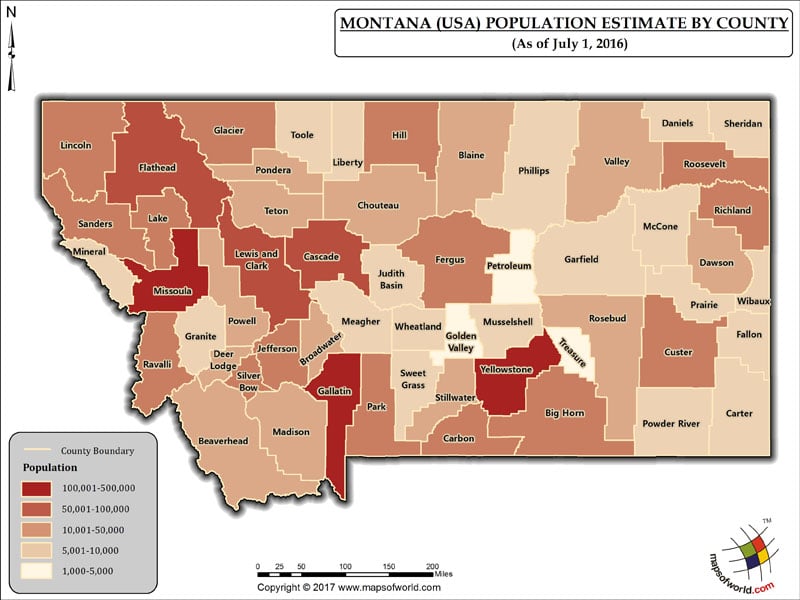
As of recent estimates (typically looking at 2023-2024 data, building on the 2020 Census), the population of Montana hovers around 1.15 million people. To put this into perspective, Montana is the fourth-largest state in the United States by area, spanning over 147,000 square miles. This vast expanse combined with a relatively small population results in one of the lowest population densities in the nation, roughly 7 to 8 people per square mile. It’s this very sparseness that forms the bedrock of Montana’s allure for tourists seeking adventure, solitude, and an authentic connection with nature, making it a prime destination for those looking to escape the bustle of urban life.

Montana’s Population: A Snapshot of Big Sky Country
The demographic landscape of Montana tells a story of contrasts: vibrant, growing cities serving as economic and cultural hubs, surrounded by immense stretches of undeveloped land where wildlife roams free and human settlements are few and far between. This unique distribution profoundly influences every aspect of travel and tourism within the state, from the types of accommodations available to the kinds of experiences one can pursue.
The Latest Figures and What They Mean
While Montana remains one of the least populous states in the United States, it has experienced steady growth in recent decades, particularly in the post-pandemic era. Many individuals and families have been drawn to the state’s natural beauty, recreational opportunities, and a perceived higher quality of life, often seeking a slower pace away from crowded metropolitan areas. This influx has contributed to the population nearing the 1.2 million mark, a significant milestone for a state historically known for its vast emptiness.
This growth has ripple effects, especially within the tourism and accommodation sectors. New hotels, resorts, and vacation rentals are emerging to cater to both new residents and the increasing number of visitors. From luxury suites offering unparalleled mountain views to charming boutique hotels in historic downtowns, the options for accommodation are diversifying. For travelers, understanding this growth is key: while the state retains its wilderness appeal, popular areas can feel busier, especially during peak seasons, necessitating early booking and careful planning for travel logistics.
Density and the Appeal of Open Spaces
The low population density is arguably Montana’s greatest asset, particularly for those passionate about outdoor travel. Imagine traversing vast landscapes without encountering another soul for miles, or finding serene spots for fly-fishing, hiking, or wildlife viewing. This is the promise of Big Sky Country. The sheer scale of protected lands, including national forests, state parks, and two of the most iconic national parks in North America — Yellowstone National Park and Glacier National Park — offer unparalleled opportunities for exploration and adventure.
This uncrowded nature fosters a unique lifestyle, one deeply connected to the environment. Locals often embrace outdoor activities year-round, from skiing and snowboarding in the winter to hiking, rafting, and camping in the summer. For tourists, this translates into an abundance of guided tours, backcountry excursions, and authentic experiences that truly immerse them in Montana’s natural splendor. The low density also means less light pollution, offering some of the most spectacular stargazing experiences on the continent, turning a simple night sky into a landmark attraction in itself.
Urban Centers: Hubs of Culture and Convenience
While the image of Montana is often synonymous with untamed wilderness, the state is also home to vibrant urban centers that serve as gateways to adventure, offering a blend of modern amenities, rich history, and local culture. These cities, though smaller than their counterparts in more populous states, are crucial for tourism, providing essential services, diverse accommodations, and unique attractions.
Billings: The Magic City’s Economic Pulse
With an estimated population of over 120,000, Billings stands as Montana’s largest city. Known as the “Magic City” for its rapid growth, Billings is the economic heart of the state, boasting a diverse economy and serving as a regional hub for healthcare, retail, and energy. For travelers, Billings offers a convenient base for exploring southeastern Montana’s rich history, including the nearby Little Bighorn Battlefield National Monument and Pictograph Cave State Park.
Accommodation options in Billings range from well-known hotel chains to cozy bed-and-breakfasts, catering to various budgets and preferences. The city’s downtown area has seen significant revitalization, featuring a growing culinary scene, craft breweries, and art galleries. Lifestyle here blends urban convenience with easy access to outdoor activities along the Yellowstone River and in the nearby Rimrocks, making it a practical and enjoyable stop on any Montana itinerary.

Missoula: A Cultural and Recreational Haven
Nestled in the Northern Rockies of western Montana, Missoula is the state’s second-largest city, with a population approaching 80,000. Home to the University of Montana, Missoula exudes a vibrant, youthful energy, characterized by a thriving arts scene, liberal culture, and a strong emphasis on outdoor recreation. The city is a mecca for fly-fishing enthusiasts, with the Bitterroot, Blackfoot, and Clark Fork Rivers converging nearby.
Missoula’s tourism appeal lies in its blend of cultural events, unique local shops, and immediate access to wilderness. Accommodation options are plentiful, from upscale hotels to charming independent inns. Visitors can enjoy exploring the eclectic downtown, floating the Clark Fork River through the city, or hiking in the surrounding mountains. The lifestyle in Missoula is often described as laid-back yet adventurous, offering a perfect blend for travelers seeking both relaxation and excitement.
Bozeman: Gateway to Yellowstone and Rapid Growth
Bozeman has experienced explosive growth in recent years, becoming one of the fastest-growing micropolitan areas in the United States. With a population now exceeding 60,000, Bozeman is a prime example of Montana’s shifting demographics, attracting new residents drawn to its proximity to world-class skiing at Big Sky Resort, incredible hiking, and its role as a primary gateway to Yellowstone National Park. The presence of Montana State University further enriches its dynamic community.
The city caters to a diverse range of travelers, from luxury enthusiasts seeking high-end resorts and gourmet dining to adventure seekers looking for budget-friendly stays near trails and rivers like the Gallatin River. Bozeman’s downtown is charming, filled with historic buildings, unique shops, and a vibrant culinary scene. Landmarks like the Museum of the Rockies offer insights into regional history and paleontology. The lifestyle here balances high-tech industry with an enduring love for the outdoors, making it a hot spot for both business and leisure travel.
Helena and Great Falls: Historic Roots and Natural Wonders
Helena, the state capital, with a population of around 35,000, offers a deep dive into Montana’s rich history. Its charming downtown, built around the historic Last Chance Gulch mining district, features Victorian architecture and a relaxed atmosphere. Visitors can explore the magnificent Montana State Capitol building, historic mansions, and enjoy outdoor activities on nearby trails. Accommodation in Helena tends to be more intimate, with boutique hotels and locally owned inns reflecting its unique character.
Great Falls, with a population nearing 60,000, sits along the majestic Missouri River and is named for its series of five waterfalls. It served as a critical point on the Lewis and Clark Trail, and its history is deeply intertwined with that expedition. The city is a cultural hub for central Montana, featuring landmarks such as the Lewis and Clark National Historic Trail Interpretive Center and the C.M. Russell Museum. Accommodations cater to both business and leisure travelers, providing a comfortable base for exploring the surrounding plains and outdoor recreation along the river. The lifestyle here emphasizes community and appreciation for the natural wonders that shaped early American exploration.
Beyond the Cities: Embracing Montana’s Rural Charm
While the urban centers provide convenient access and a touch of city life, the true essence of Montana often lies in its vast rural landscapes, where the population density drops even further, giving way to unparalleled natural beauty and authentic frontier experiences.
Wilderness and Wildlife: The True Montana Experience
The low population density across much of Montana directly correlates with its immense tracts of wilderness. Beyond the national parks, millions of acres are preserved as national forests, wilderness areas, and state parks, such as the Custer Gallatin National Forest and the Absaroka-Beartooth Wilderness. These areas are sanctuaries for wildlife, including grizzly bears, elk, moose, and wolves, offering incredible opportunities for wildlife viewing, photography, and ethical hunting and fishing.
For tourists, these remote areas offer experiences far removed from typical resorts. Think glamping under the stars, staying in rustic cabins, or embarking on multi-day backcountry treks. Destinations like Flathead Lake, the largest freshwater lake west of the Mississippi River in the contiguous United States, offer serene beauty and water-based activities in a less crowded setting than many other popular lakes. This focus on nature is a cornerstone of Montana tourism, attracting those who prioritize authentic outdoor adventures and a truly immersive experience in the wild.
Small Towns and Unique Local Flavors
Sprinkled throughout Montana’s expansive rural landscape are charming small towns, each with its own unique character, history, and local flavor. Places like Livingston, a historic railroad town with an artistic community, or Whitefish and Bigfork near Glacier National Park and Flathead Lake, offer a glimpse into local Montana life. These towns are often perfect for those seeking budget travel options or long-term stays, offering a more intimate experience than larger cities.
Here, visitors can immerse themselves in local culture by attending rodeos, exploring farmers’ markets, or visiting historic landmarks like the Garnet Ghost Town. Accommodation might include quaint bed-and-breakfasts, family-run motels, or even guest ranches that provide an authentic Western lifestyle experience. The pace is slower, the hospitality is genuine, and the connection to the land and its history is palpable, creating unforgettable travel experiences that highlight the best of rural Montana.
The Interplay of Population, Tourism, and Lifestyle
Montana’s population dynamics are not just a statistical fact; they are a living, breathing force that shapes the state’s identity, influences its tourism industry, and defines the lifestyle of its residents. The challenge and opportunity lie in balancing growth with preservation, ensuring that the very qualities that attract people to Montana are not lost in the process.
Sustaining Growth While Preserving Character
The recent population growth in Montana, while bringing economic benefits, also poses questions for sustainable tourism and lifestyle. How does one accommodate more visitors and residents without compromising the pristine natural environments and the sense of solitude that makes Montana so special? Communities across the state are grappling with these issues, focusing on responsible development and eco-tourism initiatives.
For travelers, this means a growing emphasis on respectful travel, supporting local businesses, and minimizing environmental impact. It also means an evolving landscape of accommodation, with an increase in sustainable lodges and eco-friendly resorts alongside traditional hotels and vacation rentals. Tourism in Montana is increasingly geared towards providing authentic, high-quality experiences that educate visitors about the importance of conservation and local culture.
Accommodation Trends for a Diverse Population
The demographic shifts and rising popularity of Montana as a destination have spurred significant developments in the accommodation sector. From the luxurious Yellowstone Club and Big Sky Resort catering to high-end travelers and part-time residents, to an expansion of boutique hotels in cities like Kalispell and Whitefish, there’s an option for every budget and preference. The rise of short-term rentals also offers flexibility, especially for long-term stays or family trips seeking a home-away-from-home experience.
The accommodation landscape reflects the diverse reasons people come to Montana: whether it’s for a romantic escape, an adventurous family trip, a business stay with a view, or a spiritual retreat into nature. Reviews and comparisons of various options become crucial for planning, allowing visitors to find the perfect fit that aligns with their desired lifestyle and travel experience in Big Sky Country.
Conclusion
The question “What is the population of Montana?” unveils a fundamental truth about this magnificent state: its relatively small population spread across an enormous landmass is its defining characteristic and its greatest asset. It’s a land where open spaces truly dominate, where solitude can be found amidst breathtaking landscapes, and where cities serve as vibrant, welcoming oases rather than overwhelming metropolises.
For travelers, Montana’s population profile promises a unique blend of experiences. It offers the thrill of wild exploration in places like Glacier National Park and the Rocky Mountains, the comfort of modern amenities and diverse accommodations in cities like Bozeman and Missoula, and the charm of authentic local culture in its many small towns. Whether seeking luxury travel, a budget-friendly adventure, or a serene long-term stay, Montana’s population, or rather its lack thereof, ensures that the Big Sky remains exactly that: big, open, and endlessly inviting. It’s a destination where the very fabric of its demographics contributes to an unforgettable journey, rich in nature, history, and genuine Western lifestyle.
LifeOutOfTheBox is a participant in the Amazon Services LLC Associates Program, an affiliate advertising program designed to provide a means for sites to earn advertising fees by advertising and linking to Amazon.com. Amazon, the Amazon logo, AmazonSupply, and the AmazonSupply logo are trademarks of Amazon.com, Inc. or its affiliates. As an Amazon Associate we earn affiliate commissions from qualifying purchases.