
For many travelers, the simple act of filling up their car is an unquestioned part of a road trip. However, a visit to the Beaver State, Oregon, presents a unique twist to this common ritual. For decades, Oregon has maintained a law prohibiting drivers from pumping their own gas, a regulation that often surprises and sometimes frustrates visitors. But why does this peculiar rule exist, and what are the stories behind it? This article delves into the history, reasoning, and current status of Oregon’s self-service gas ban.
The prohibition on self-service gas stations in Oregon is not a recent phenomenon. It’s a legacy of past legislative decisions and evolving societal concerns, primarily rooted in safety and employment. To understand the “why,” we need to travel back in time and explore the original motivations and the gradual shifts in public opinion and legal frameworks.
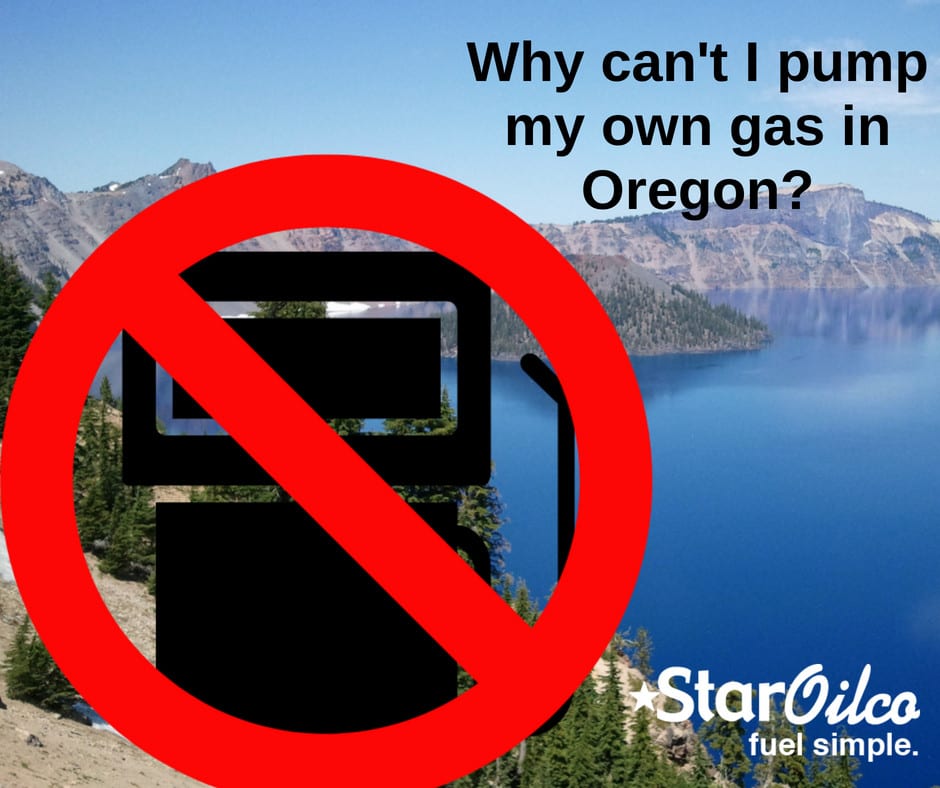
The Genesis of the Gas Pumping Ban
The roots of Oregon’s self-service gas ban can be traced back to the 1950s. During this era, as car ownership surged and the automotive industry boomed, the service station was a hub of activity. Beyond simply dispensing fuel, these stations offered a comprehensive range of automotive services, from oil changes and tire rotations to minor repairs. The attendants were often skilled mechanics, and the stations provided local employment opportunities.
However, the primary driver for the initial legislation prohibiting self-service gas pumps was a perceived safety hazard. In an era with less sophisticated vehicle technology and varying degrees of driver expertise, concerns were raised about the potential for accidents. These included:
- Fire Risks: Early gasoline formulations and less robust vehicle designs were thought to be more susceptible to ignition. The fear was that inexperienced drivers might mishandle the pumps, leading to spills, static electricity buildup, and potential fires.
- Environmental Concerns: Even in the mid-20th century, there were nascent concerns about fuel spills and their impact on the environment. Full-service attendants were seen as a way to ensure a more controlled and careful dispensing of gasoline.
- Employee Safety: While less emphasized, the safety of attendants themselves was also a consideration. Handling volatile fuels and working in a potentially hazardous environment was part of their job description.
The legislation, passed with the intention of safeguarding the public and maintaining a certain standard of service and employment, effectively mandated that all gasoline sales in Oregon be conducted by trained attendants. This created a unique service model where drivers would pull up to the pump, and an attendant would emerge from the station to fill their tank, check their oil, and sometimes even clean their windshield.
The Rise of Full-Service Culture
This mandate fostered a distinct “full-service” culture at Oregon’s gas stations. For decades, drivers became accustomed to this level of service. It was seen as a convenient and safe way to refuel. For travelers unfamiliar with the law, the experience of being waited on at the gas pump was often a novel and sometimes even charming aspect of their visit to the state.
The full-service model also played a role in local economies. Gas station attendants were a common sight, providing jobs for many Oregonians. This aspect of the law was often highlighted by proponents, who argued that it supported local employment and maintained a higher quality of customer service within the industry.
Evolving Circumstances and Shifting Perspectives
As the decades passed, the automotive landscape and societal attitudes began to change, leading to discussions and debates about Oregon’s self-service gas ban. Technological advancements in vehicles and fuel pumps, coupled with increased driver familiarity with handling gasoline, began to chip away at the original safety arguments.
Safety Re-evaluation
By the late 20th and early 21st centuries, vehicle safety features had dramatically improved. Fuel nozzles were designed with automatic shut-off mechanisms, and vehicle fuel systems were more robust, reducing the risk of spills and vapor release. Drivers, too, had become more accustomed to handling gasoline, with self-service being the norm in almost every other state.
The argument that self-service was inherently unsafe in Oregon began to lose its footing. Critics of the ban pointed out the lack of significant safety incidents directly attributable to self-service fueling in other states where it was permitted. They argued that the law was outdated and no longer served its original purpose.
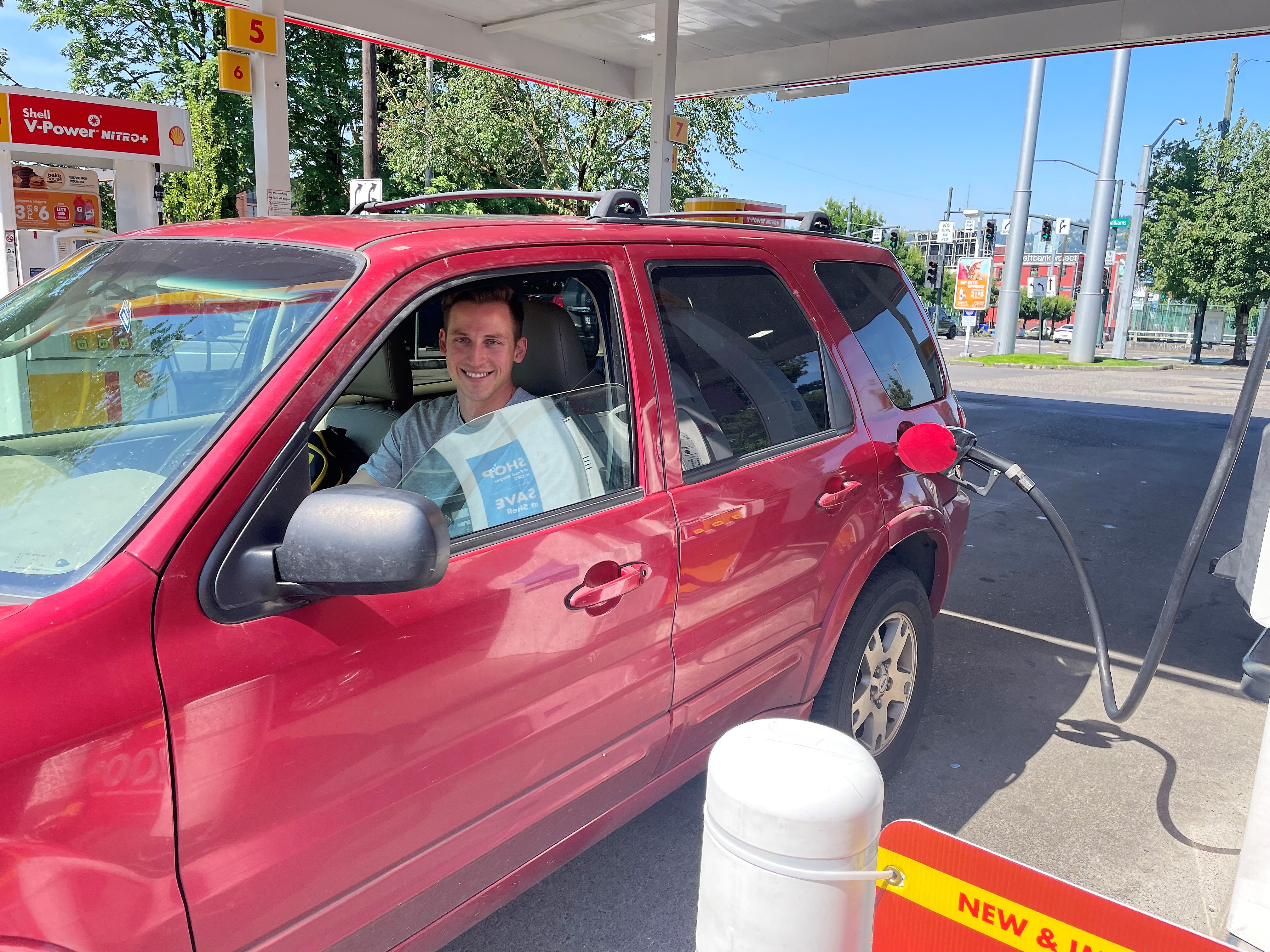
Economic Arguments and Consumer Choice
The economic implications of the ban also came under scrutiny. While proponents highlighted job creation, opponents argued that the mandated full-service model led to higher fuel prices. The cost of employing attendants at every pump, regardless of customer volume, was passed on to consumers. This made Oregon gas prices comparatively higher than in neighboring states that allowed self-service.
Furthermore, consumer preferences were evolving. Many drivers in Oregon themselves began to express a desire for the option to pump their own gas, seeking faster service and potentially lower prices. The convenience of a quick fill-up without waiting for an attendant became a significant point of discussion.
The Battle for Self-Service: Legislative Efforts and the Present Day
The movement to allow self-service gas in Oregon gained momentum over the years, with various legislative efforts attempting to repeal or amend the existing law. These efforts faced significant opposition from various groups, including:
- Service Station Owners: Some station owners relied on the full-service model and feared that allowing self-service would lead to job losses for their employees and a loss of their competitive edge.
- Labor Unions: Unions representing gas station attendants often supported the ban, seeing it as crucial for protecting jobs and maintaining employment standards in the industry.
- Consumer Advocacy Groups: While some consumers pushed for self-service, others appreciated the convenience and personal touch of the full-service model.
Key Legislative Milestones
Throughout the late 20th and early 21st centuries, several bills were introduced in the Oregon legislature to permit self-service gasoline. These proposals often sparked heated debates, with passionate arguments presented by both sides.
In recent years, the tide has begun to turn. Public opinion has increasingly shifted in favor of allowing self-service, driven by the desire for greater convenience and the recognition that the safety concerns of the past may no longer be as pressing.
In 2015, a significant change occurred when Oregon lawmakers passed a bill that partially lifted the ban. This legislation allowed self-service fueling at stations located in rural areas of the state, defined as areas with a population of less than 40,000. This was a compromise, intended to address the needs of smaller communities while still maintaining full-service options in more populous urban centers.
However, the ultimate goal for many was a complete repeal of the ban. This finally came to fruition in 2023 when Oregon lawmakers passed a bill that would allow self-service gas stations to operate statewide, taking effect in early 2024. This landmark decision marked the end of a more than 70-year-old prohibition.

What This Means for Travelers Today
For travelers visiting Oregon starting in 2024, the experience of refueling will likely become much more familiar. The state will join the vast majority of the United States in allowing drivers to pump their own gas. This change will offer:
- Increased Convenience: Drivers will no longer have to wait for an attendant to fill their tank, leading to quicker refueling stops, especially during busy travel times.
- Potential Cost Savings: With the elimination of mandated attendant labor at the pump, gas prices may become more competitive with those in neighboring states.
- Familiarity for Out-of-State Visitors: The process will align with what most travelers are accustomed to, eliminating potential confusion or inconvenience for those visiting Oregon.
While the full-service model might diminish, it’s possible that some stations may continue to offer it as a premium service. The transition will likely be gradual, and the long-standing tradition of being served at the pump may linger in the memories of Oregonians and frequent visitors alike.
The repeal of Oregon’s self-service gas ban represents a significant shift, driven by evolving safety standards, economic considerations, and a changing public desire for greater autonomy and convenience. While the reasons for its inception were rooted in genuine concerns of a different era, the law’s eventual demise reflects the dynamic nature of regulations and their adaptation to modern life. For future travelers, the days of being unable to pump their own gas in Oregon are officially over, bringing the state in line with a practice that is commonplace across the nation. This change is a testament to how laws, born from specific historical contexts, can be re-evaluated and eventually updated to reflect contemporary realities and preferences.
LifeOutOfTheBox is a participant in the Amazon Services LLC Associates Program, an affiliate advertising program designed to provide a means for sites to earn advertising fees by advertising and linking to Amazon.com. Amazon, the Amazon logo, AmazonSupply, and the AmazonSupply logo are trademarks of Amazon.com, Inc. or its affiliates. As an Amazon Associate we earn affiliate commissions from qualifying purchases.